Allach Porcelain Manufactory
Allach Porcelain Manufactory

Allach Porcelain Manufactory
After coming to power in 1933, the National Socialists began imposing a new ideology in Germany. Strict regulation and tight control of all areas of life led to a remarkably rigid social structure that manifested not primarily in monumental art, but in small forms, decorative objects, and everyday items.
 A feature of all totalitarian systems is their drive not only to create official art, but to penetrate every aspect of human life, including the private sphere. For example, every newlywed couple was required, upon registering their marriage, to purchase a copy of "Mein Kampf" and hang a portrait of the Führer in their home.
The objects of daily use thus became an effective means of manipulating the masses. Even household items were "called to serve" the ideology of the new order. The choice of subjects, forms, motifs, and decoration techniques for everyday objects was meant to collectively reflect the greatness of the German people, the military and civil power of the young Nazi state, and its ties to the ancient Roman Empire.
The Nazi ideology was most clearly expressed in an extended system of symbols: the swastika (an ancient solar symbol representing ongoing movement and hence latent energy), the eagle (a companion of Zeus/Jupiter, and an imperial symbol from antiquity), the cross (symbol of the four cardinal directions, four elements, the tree of life, and all power), the oak wreath or leaves (symbolizing vitality and immortality for Germans), and swords (symbol of military success), with additional emblems for various professions, such as a submarine, a torpedo boat, city crests, the head of Athena, and more.
Porcelain products made in the Third Reich bore not only pictorial symbolism but also thematically reflected the political ideas of the time and aspects of private life. Among numerous German porcelain factories of the era, the Allach-Munich manufactory held ideological preeminence, being considered an "SS enterprise" (alongside the Apollinaris mineral water company, Edel furniture factory, Nordland publishing house, and a company making swords for SS use).
The manufactory, founded by personal order of H. Himmler and his "favorite child," officially began operations on January 3, 1936, but functioned privately before being granted its status. Early works from 1934 and accounting records for 1935 prove its activity. Founders included Himmler’s friend, artist Karl Diebitsch, sculptor and modeler Theodor Kärner, and businessmen Bruno Galke and Franz Nagy.
Until December 20, 1938, the factory was under the cultural department (run by Diebitsch) of Himmler's SS personal staff, with Himmler listed as artistic director. Officially, Himmler assumed directorship in 1938 when the factory came under the SS Economic and Administrative Main Office. The factory served chiefly for political propaganda, for shaping taste, and raising the cultural level of "true Aryans"—not ordinary people, but the SS elite. Profit was not the main aim, though it reportedly made up to 100% profit pre-war.
During the war, profitability declined, especially after the early 1940s, due to funding cuts and mobilization. Forced labor from the nearby Dachau camp became common: from two or three prisoners in early 1941, numbers grew to 40–50 by autumn 1941, and 100 by 1943. Despite Himmler's displeasure, many prisoners occupied significant positions, which sometimes saved their lives. For example, Karl Adolf Gross worked in accounting, while others painted porcelain, fired, cast, and polished wares, and Hans Landauer even made ideologically significant figures.
Little is known about the last years of the factory. It ceased operation as a Nazi enterprise at war's end.
The history and character of Allach porcelain is best told by the objects themselves, which are extremely rare today due to limited elite runs, wartime bombings of Munich, and targeted destruction of "political" pieces. Almost the entire factory archive perished. The only surviving original catalog is a 1936 list of 40 items, now in the Library of Congress and inaccessible to researchers. Main sources remain: contemporary memoirs, the often reprinted 1937 catalog and its 1938/39 variants, and the pieces themselves, now largely in private hands.
 The combined list of Allach models includes about 240 ceramic and porcelain items, with priority given to small porcelain sculpture intended mostly as gifts for state dignitaries and reflecting core Nazi ideas. These include military figures of various epochs, German peasants and craftsmen, bathers and dancers, antique gods, heraldic figures, symbolic images, and animals. The factory also made prestigious award objects—decorative plates and plaques. Lamp and vase production was also notable, while tableware was rarely made, except for top Nazi leaders. Most Allach porcelain (except for the “Fencer” figure) was glazed; some pieces were painted, others left white.
Ceramic works are likewise rare; notable are the imperial eagle, a ceramic head of Hitler, and the so-called Julleuchter lamp, the most manufactured item and symbol of the new society. These were not glazed, echoing ancient Germanic wares.
Glorious Past
Military figurines were central: soldiers and historic commanders, representing the ideal soldier or various military branches. This theme was popularized from the early 1930s, with similar figures appearing from Meissen, Nymphenburg, Rosenthal, and others. Allach devoted its best craftsmen to "porcelain soldiers," mainly based on designs by Theodor Kärner and, later, his apprentice Richard Förster. Under Kärner, cavalry figures were produced; Förster made the infantry. After 1942 or 1943, Förster likely authored both. Some (from 1943–44) were by Adolf Röring, known for bird figures and horses as well.
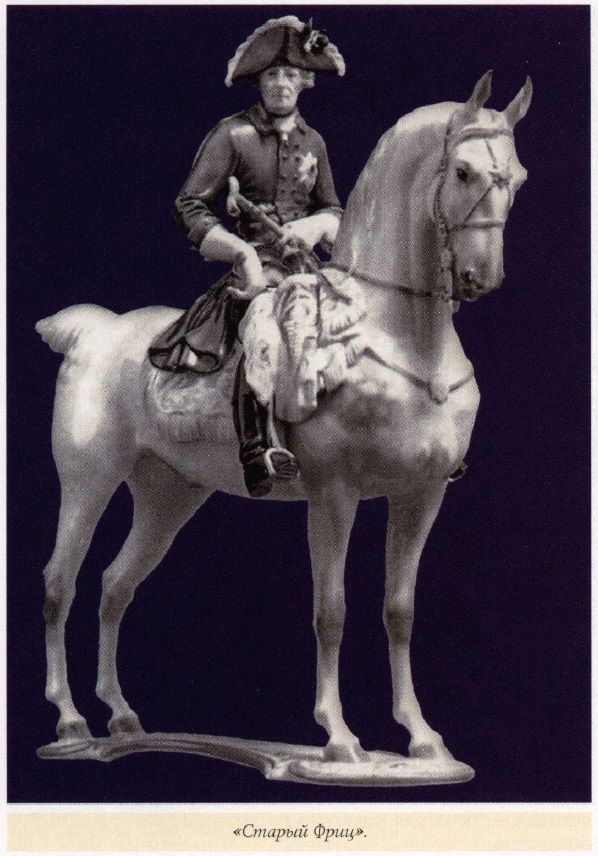
The equestrian monument theme, popular since the 18th century, took on a triumphant, heroic meaning under the Nazis, who revered antiquity. Kärner’s favorite models were riders. Himmler also praised his cavalrymen; the Reich Chancellery purchased a painting of a mounted courier shown at the 1941 Great German Art Exhibition.
The central figure was Frederick the Great, the Old Fritz, seen as embodying German virtues; Hitler identified with him and kept his image in the new Chancellery. The Allach statuette followed this myth. Other key figures included Hussar officer von Zieten, Hussar Malachowski, and cuirassier officer von Seydlitz—one of the most popular Allach models. Nearly 100 were made in 1938, 129 in 1939, in white or colored versions.
 Costumes were taken from A. Menzel's lithographs or earlier porcelain figures, especially the works of F.A. Bustelli, a celebrated 18th-century Nymphenburg sculptor. This Rococo legacy was referenced in the plinth forms. Infantrymen by Förster conveyed the values of landsknechts, Prussians, and Austrians, and included rare figures like Emperor Maximilian as a nationalist icon and Butler-Dragoon from the Wallenstein era. Later commissions (1944–45) included Prince Eugene and other historic knights, their names given to new SS units.
Thus, these avatars of past Germanic might also illustrate the evolution of military uniform—a key Nazi symbol dividing society into ranks recognizable by uniform, reducing the individual to a cog of the state.
Heroes of the Present
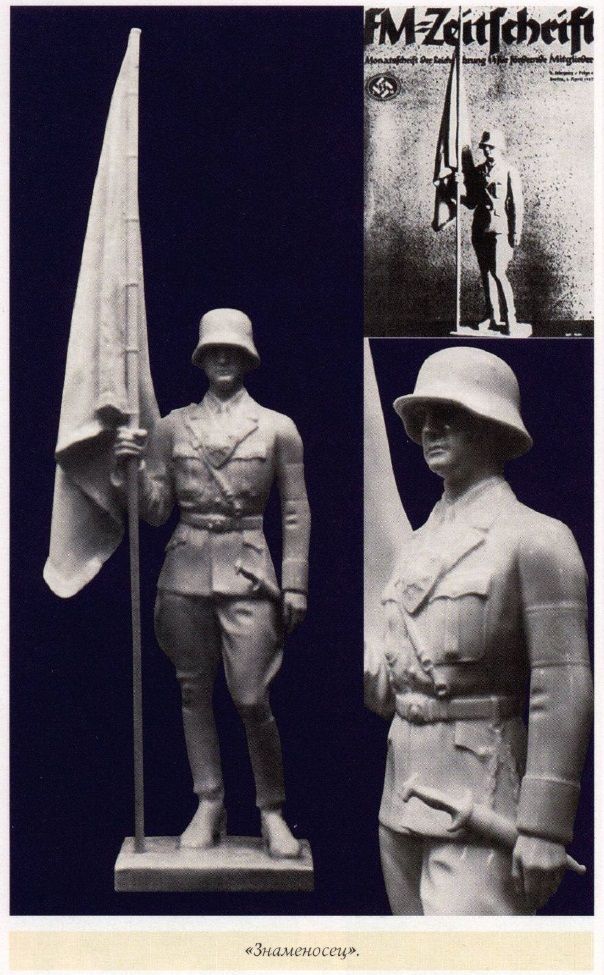
The second key theme was figures representing the Nazi movement, most notably the “SS Standard-Bearer”—an allusion to the “Beer Hall Putsch” of 1923 and its “Blood Banner.” This figure was not for sale, only as an SS gift, and could not be displayed in shop windows. The figure, by Kärner (1934), was treated as almost religiously significant, composed with reference to ancient and Renaissance sculpture.
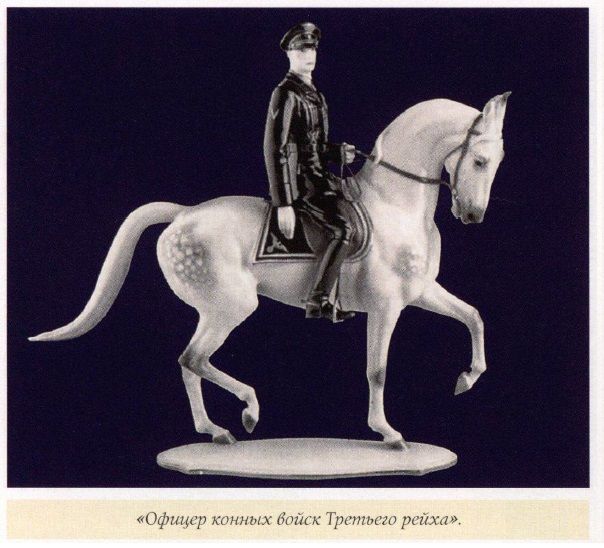 Other figures in modern uniform appeared: “Officer of the Cavalry of the Third Reich,” “Luftwaffe Officer,” “Pilot,” “Police Officer,” “Worker,” etc. The “Fencer” by Obermaier exemplified the regime’s focus on physical fitness, recalling SS leader Reinhard Heydrich, himself a fencer and model Aryan in Nazi iconography; such athletic statuettes were used as sporting awards and were made in unglazed porcelain imitating marble.
Citizens of Nazi society—Hitler Youth, League of German Girls, various officials—were also modeled, always in uniform and seen as supports of the state. Such figures were sold more widely and painted versions were expensive and rarer.
Bourgeois Domesticity, Symbols and Allegories
Not all Allach's output was overtly ideological; many decorative figures had entertaining, rather than ideological aims—dancers, nudes, national types. Peasant figures in national dress symbolized the German people. Many, after Förster's models, were left white to emphasize the abstract ideal rather than folk prettiness.
Nude allegories appeared—Venuses and bathers referencing classical statuary. Mother-and-child groups reflected the Nazi demographic ideology and the glorification of "good blood." Athena Pallas figures, always left white, cemented the Greco-Aryan cultural claim, as did Amazon warrior women.
Allach produced smaller versions of the "Morris dancers" of Munich’s city hall, echoing medieval German culture and local tradition, available only as official gifts. Further, the "Chicken Thief," adapted from a German fountain, may reflect wartime shortages of artists.
City symbols included Berlin’s Bear and Munich’s Monk, often as souvenirs and possibly as competition prizes. The "Little Munich" figurine was one of the factory’s bestsellers.
 Charming Knick-knacks
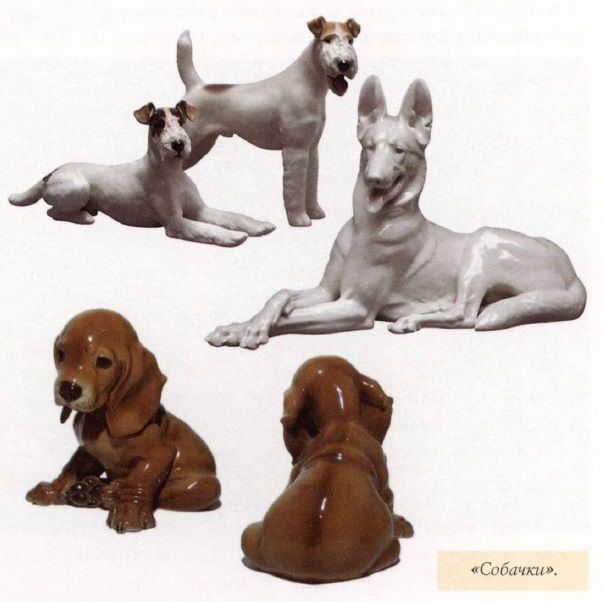
Animals were incredibly popular. Animal figures, already widespread in art nouveau and thanks to the Copenhagen and Nymphenburg manufactories (with models by Kärner and others), reached new heights at Allach. Animal art, enthusiastically promoted in the Third Reich, was supposed to be naturalistic and realistic, emphasizing Germans’ closeness to nature. The popularity was such that certain symbolic meanings became widespread (the bear as friend, the beaver as builder, etc., as codified by Max Ernst).
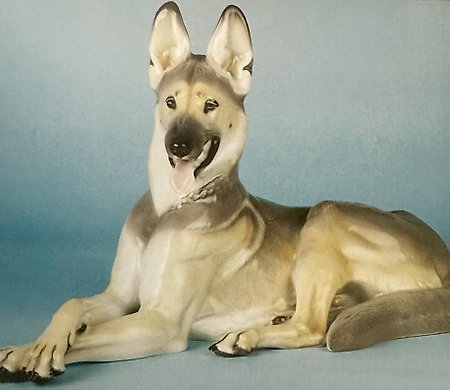
Allach’s animals—domestic, wild, and exotic—were loved for their realistic modeling. Popular models included dogs of every breed, cats, sheep, lambs, goats, horses, deer, squirrels, rabbits, and a few exotics like elephants. The jumping horse by Kärner featured on the catalog cover. Wild animals, like the deer (with its mythological associations), hares (an Easter symbol), and others, all followed the art policy: naturalistic, non-ideological, and thus survived wartime destruction.
Symbols of Power and Their Heroes
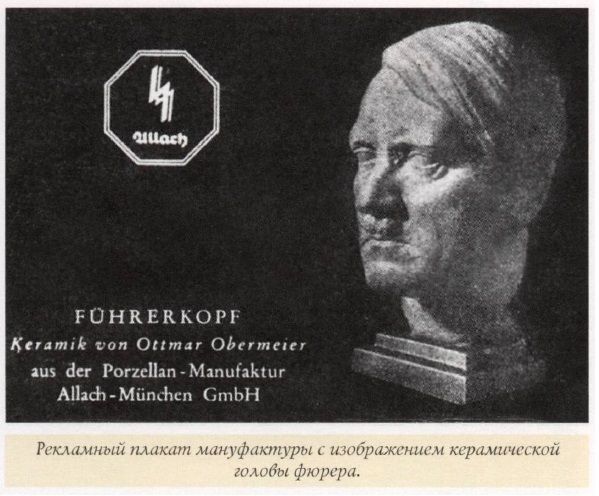 Imperial eagles were produced as expensive, exclusive items, sometimes for state institutions or on special order from Himmler. The ceramic head of Hitler (by Obermaier) was intended for serial production; Göring’s head (by Förster) was exclusive. Ceramic, being humble and "primordial," was the chosen material for these official items, imbued with a mythic significance.
Even before the 1930s, Hitler’s head became a fashionable motif, though the right to produce it was strictly limited by decree after 1933. Allach’s products in this area were thus especially prized.
The above lists cover the main range of Allach’s small sculpture, but the non-figurative items (often bearing Nazi emblems) were less exclusive but more common.
Physical and Metaphysical Light
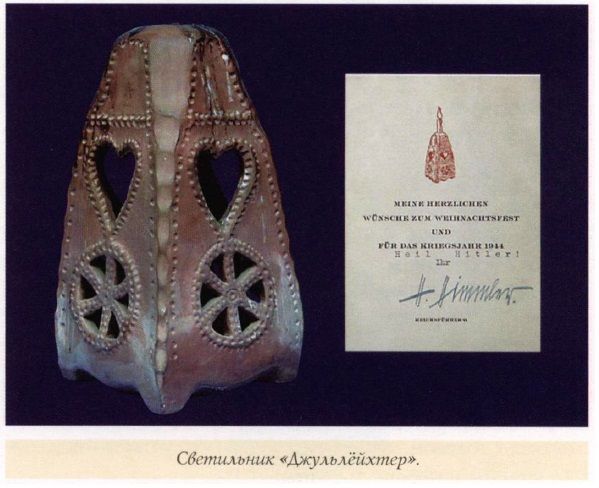 Among non-figurative products, candleholders were most popular, sometimes archaising ancient forms, sometimes of 19th-century type. Best-known is the "Julleuchter," a terracotta lamp given at "Julfest," the winter solstice pagan celebration, made official under Hitler. The lamp’s two candles symbolized the old and new year, and lighting the Christmas tree from the lamp was prescribed by ritual. A summer solstice version was made in 1939 from porcelain.
Allach produced countless candleholders in styles to suit every taste and social layer, but all served the state’s ideological aims. The "lamp of life" was given to SS families with a fourth child.
Distinctive Marks
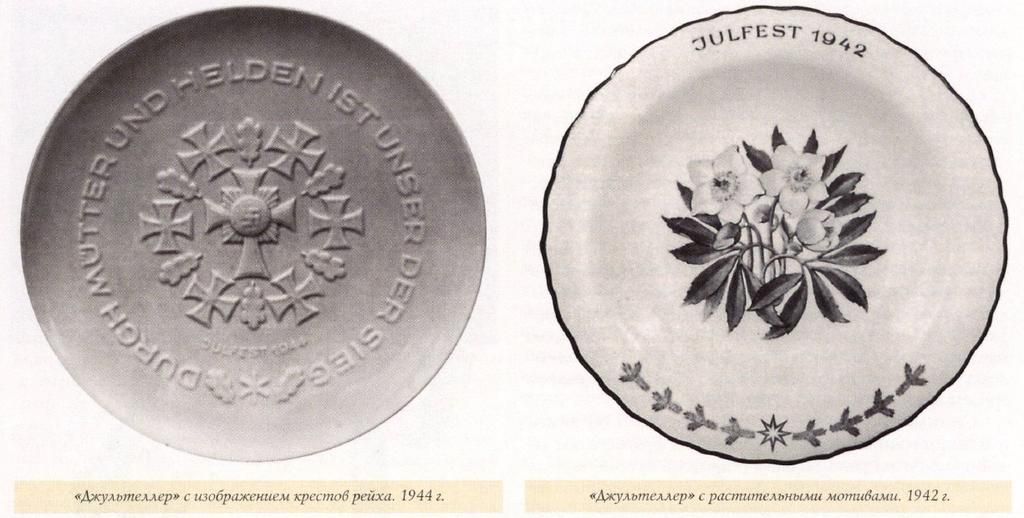
Decorative plates and plaques were produced—most as one-offs—with Nazi iconography and dedicatory inscriptions. "Jul plates" were made for high holidays and awarded to SS officers. Painted plates with flowers and poetry were also made on commission.
The Tableware of the Elite
 Proper tableware was rare; sets were made as gifts for Hitler, Himmler, and others, usually unpainted except for heraldic eagles.
Items for the People
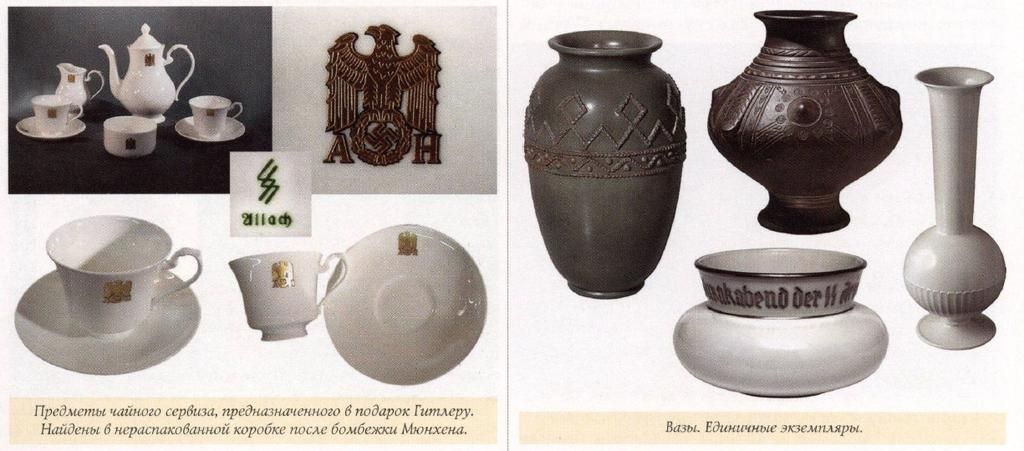
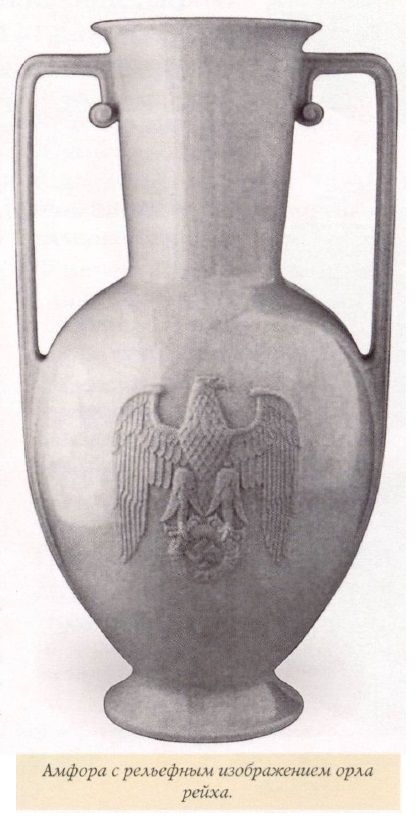
 Vases were the only mass-market product. Their forms imitated both antique and simple geometric shapes, some ornamented with minimalistic bands.
Collecting and Prices
The main output of Allach was small sculpture, with little focus on non-figurative or practical wares. Allach pieces are highly prized among collectors of porcelain or German history but are rare and seldom found on markets, especially compared to famous manufactories like Meissen or Nymphenburg. Most turn up at major auction houses, less so online or in small antique shops or flea markets.
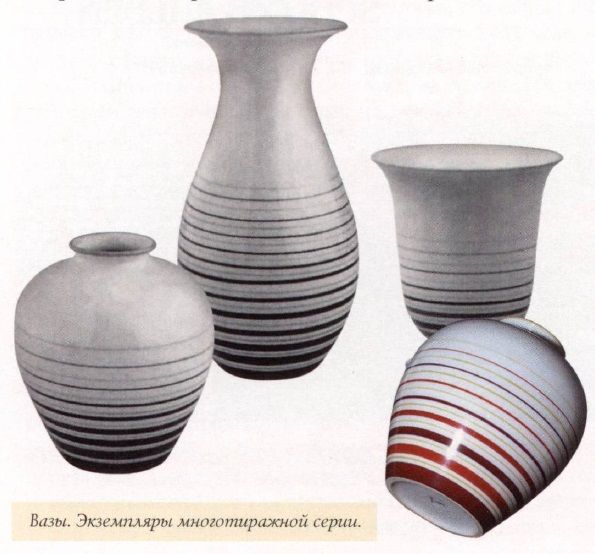 Most accessible are serial vases and candleholders like the “Julleuchter,” priced between €100 and €500, depending on edition and size. Animal figures are costlier (€1000–2000), with common models (such as bears) at €1150–1250, foxes and dachshunds €1200–1400, and squirrels, deer, goats, rabbits €1600–1800. Rarer pieces, like the shepherd dog, may go for €3500–4000. "Little Munich" souvenirs fetch €1000–1500 now.
More complicated or rare figures—amazons, bathers, mothers and child, Hitler Youth musicians, peasants—range from €6500–8500. Especially rare (and expensive) are military, Nazi, or sports figures made in short runs for elite SS or Hitler’s circle; prices can reach tens of thousands of euros. The "Fencer" is especially valuable if undamaged. Some allegorical figures, never made in quantity, are now almost never seen.
Unique items, like named plaques or plates, can fetch €10,000–20,000; tableware used by Hitler or his inner circle might sell for $1250–1500 per plate or $9500 for a tea set. Busts of Hitler now fetch up to €50,000.
Collectors should beware: many Allach models were reissued by other factories after Allach closed, such as Nymphenburg and Rosenthal, especially animal figures, so not all lookalikes are original or as rare as they seem.
Anastasia Koroleva
Photos provided by the author.
"Antiquarian, Art and Collecting" magazine, No. 57 (May 2008), p.4