Zvereva Anatoly
Critic
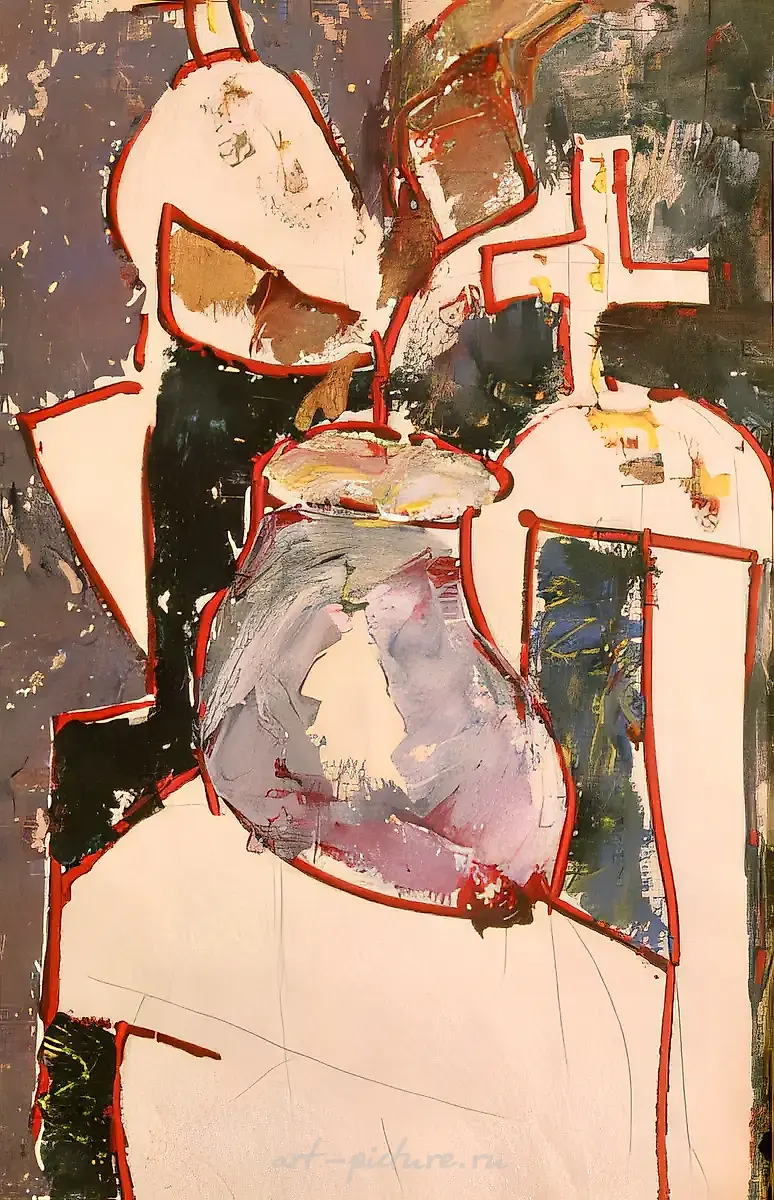
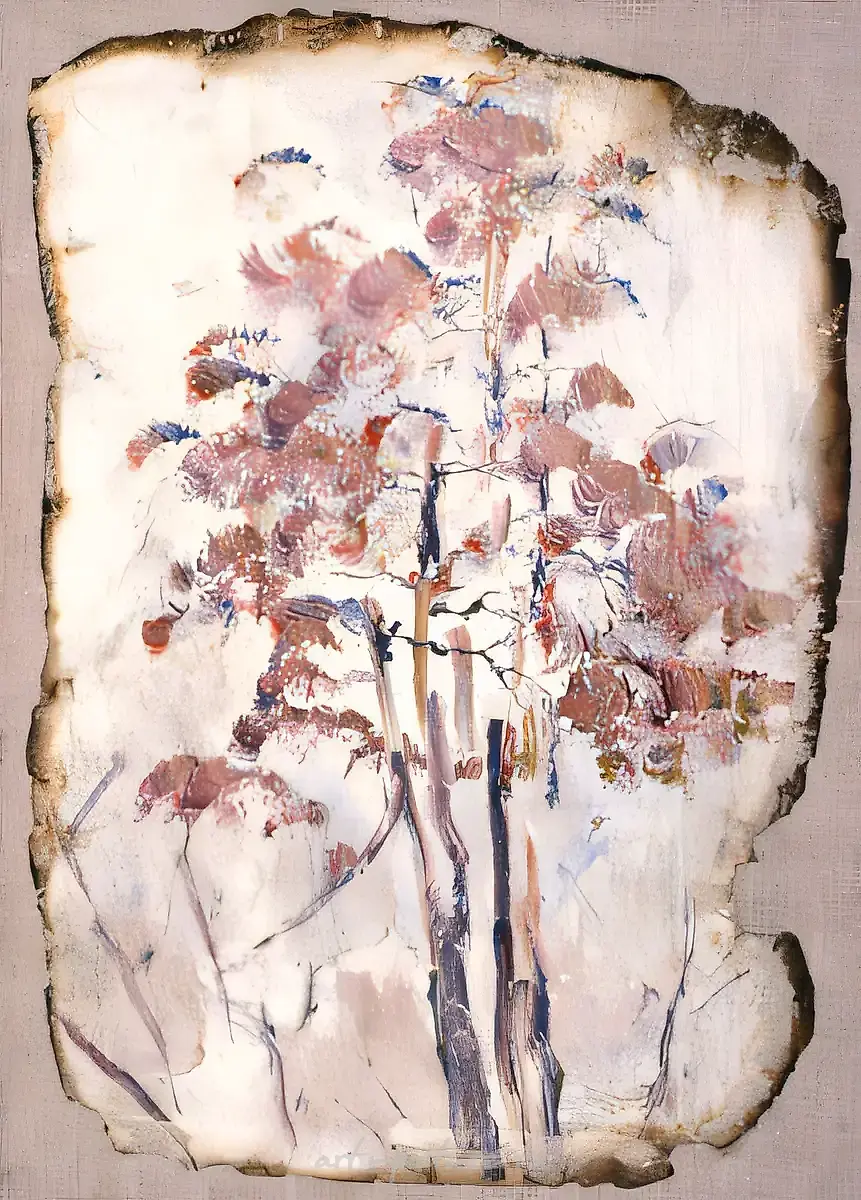
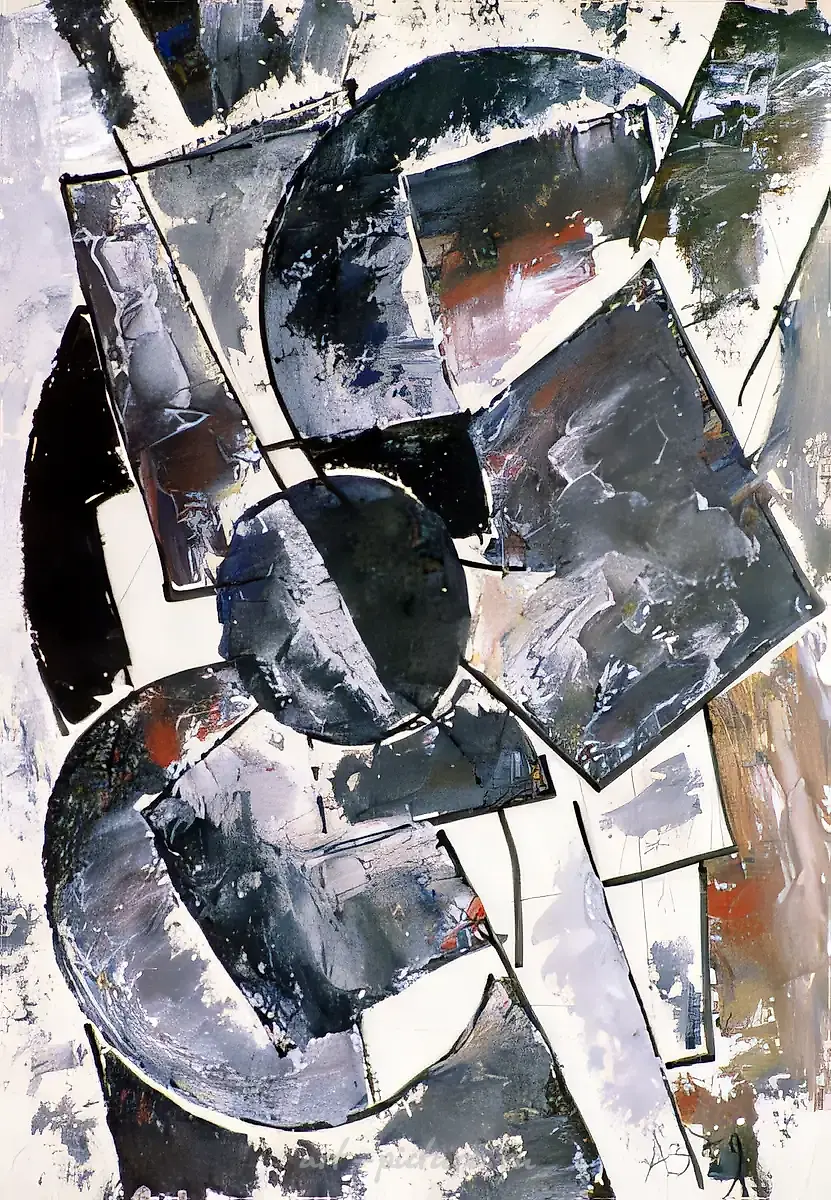
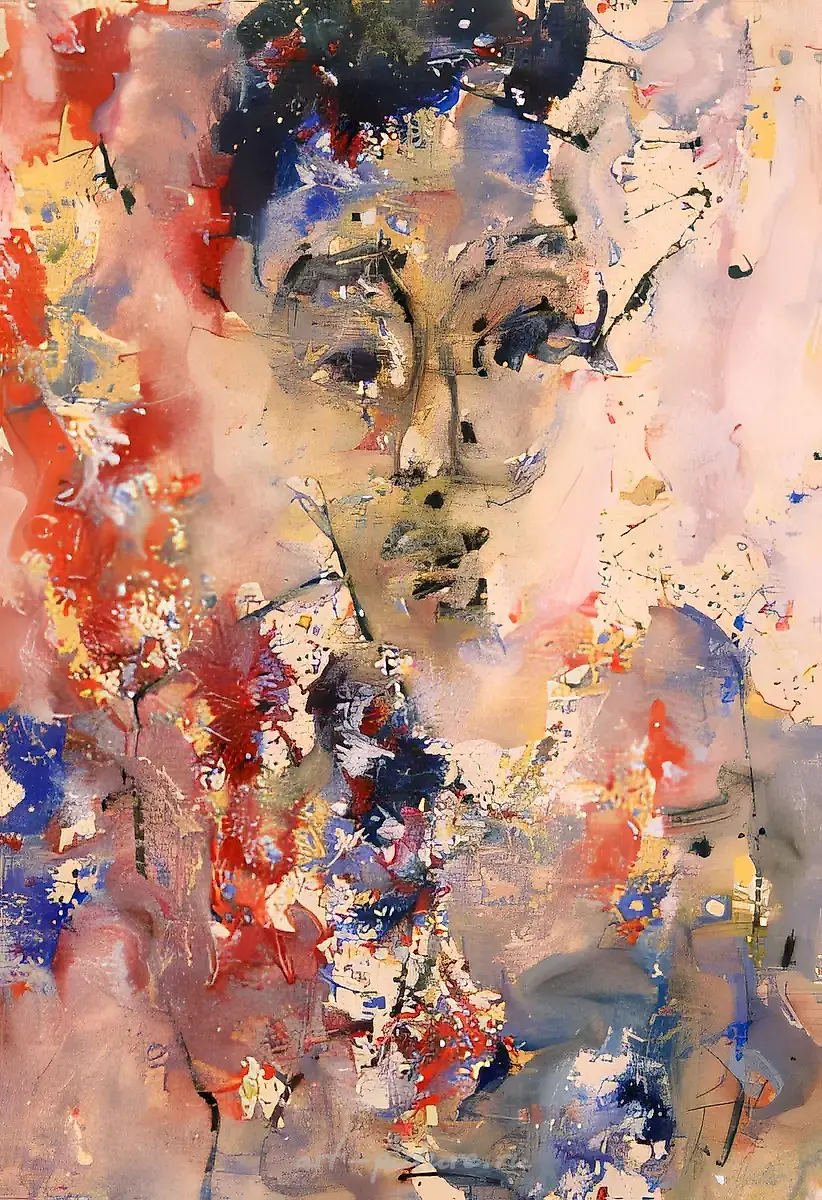
"Through my drawings and paintings, you can see and hear me..." When Anatoly Zverev said these words, he had already lost hope of meeting among those whom they were addressed to a person for whom contemplation of his drawings and paintings would not replace the living handshake of his hand. I cannot be the author of a biographical-narrative story about my favorite artist, for "the internal principle of unity is not suitable for biographical narration," but I will try to rationally argue against the imposition of false general notions about him by careless articles and stories of idle intellectual worldlings. Zverev's art does not need protection, but I want people to see the artist as he truly is.
I have no doubt that in the future there will appear a study full of love and reverence, delicate (without intruding upon the chastity of the relationship between the artist and his observer), inevitably never-ending (for only this is possible about the unfinished), if not congenial, then professional research of the mysterious lifework of Anatoly Zverev. Such a work will address his place in world culture, unlike current attempts to reduce him to a temporal context ("artist of the 1960s"). It could be responsible, and perhaps even congenial (as much as verbal expression, "too concrete for pure meaning," can be congenial to this pure meaning) if it is written by someone who, passionately loving Zverev’s art, at least combines an active intellect, the ability to contemplate and compare spiritual spaces, knowledge of art history and the art of the twentieth century with its problems, the capacity, precision and force of language—in short, the author should be comparable to such greats of active contemplation as M. Bakhtin, A. Losev, Joyce. In their books, the name of Anatoly Zverev is not found, but, strangely enough, there is much more of Zverev in them than in all the writing about him taken together.
Absolutely new, free creativity took place, not cementing each discovery into something finished and stable – the dream of the twentieth-century aesthete.
But none of the published statements from private points of view marks the grand significance of his original, independent in its universality creativity as an event of world culture; in them, Anatoly Zverev is represented tendentiously, his allegiance is casually imposed on one or another secondary "movement" in twentieth-century painting, unsuccessfully trying to complete his aesthetics with inadequate generalizations, to reduce it to spontaneity and genius. As Tertullian said exactly: "They praise what they know, blame what they do not know, and what they do know, they slander with what they do not know." Zverev created a boundless universe; his aesthetics are unfinished, inexhaustible, "outgrowing all frameworks," and universal, like life itself: belonging to the time of his "historical real existence," it contains within itself the aesthetics of the future, the aesthetics of becoming.
Asiya Nakhypova
Works 8