Konstantin Vladimirovich Pobedine
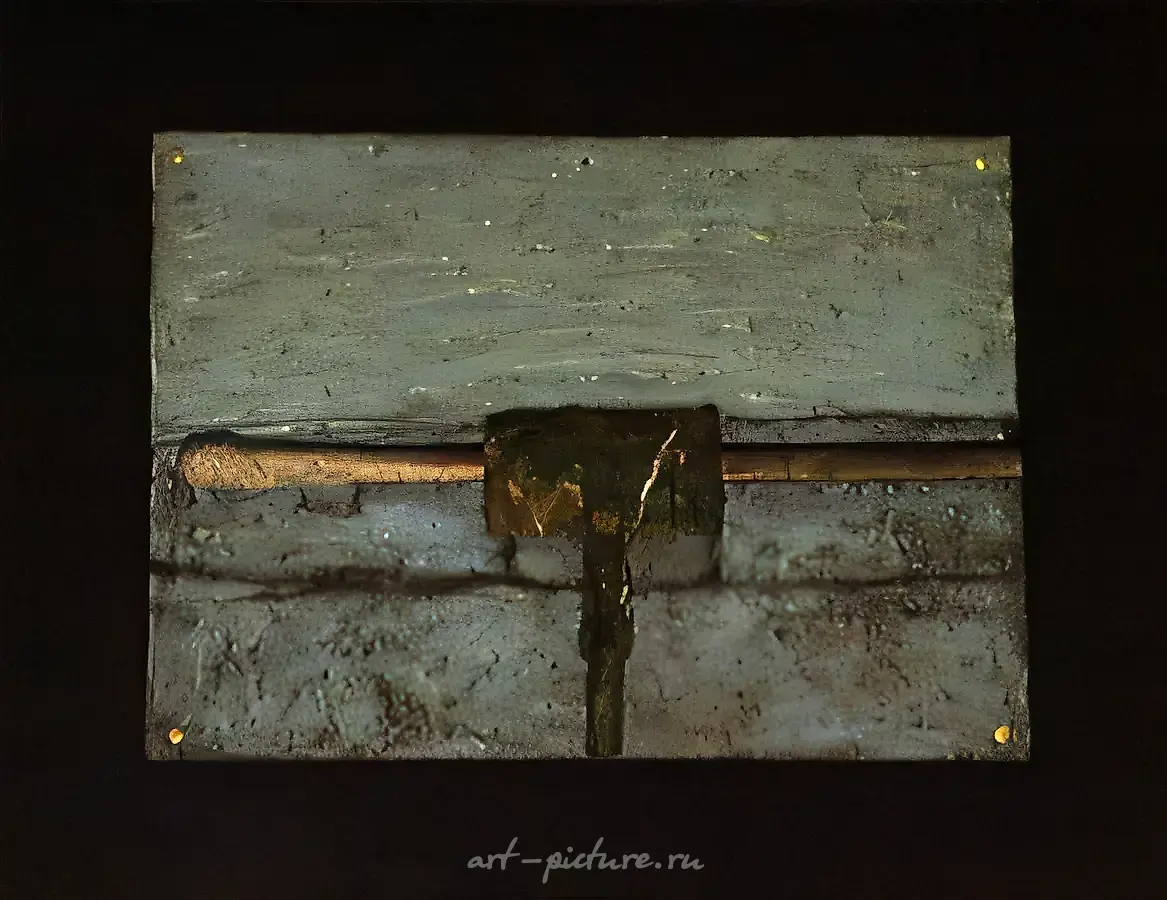
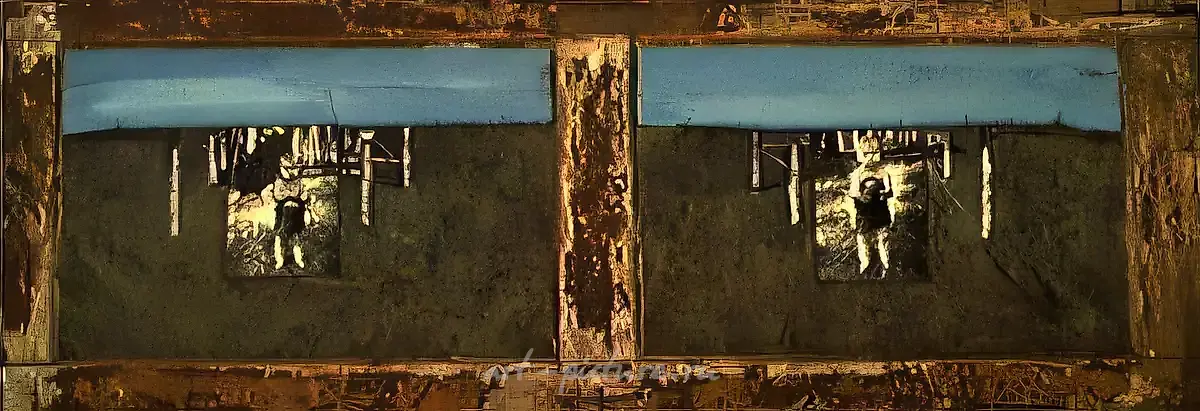
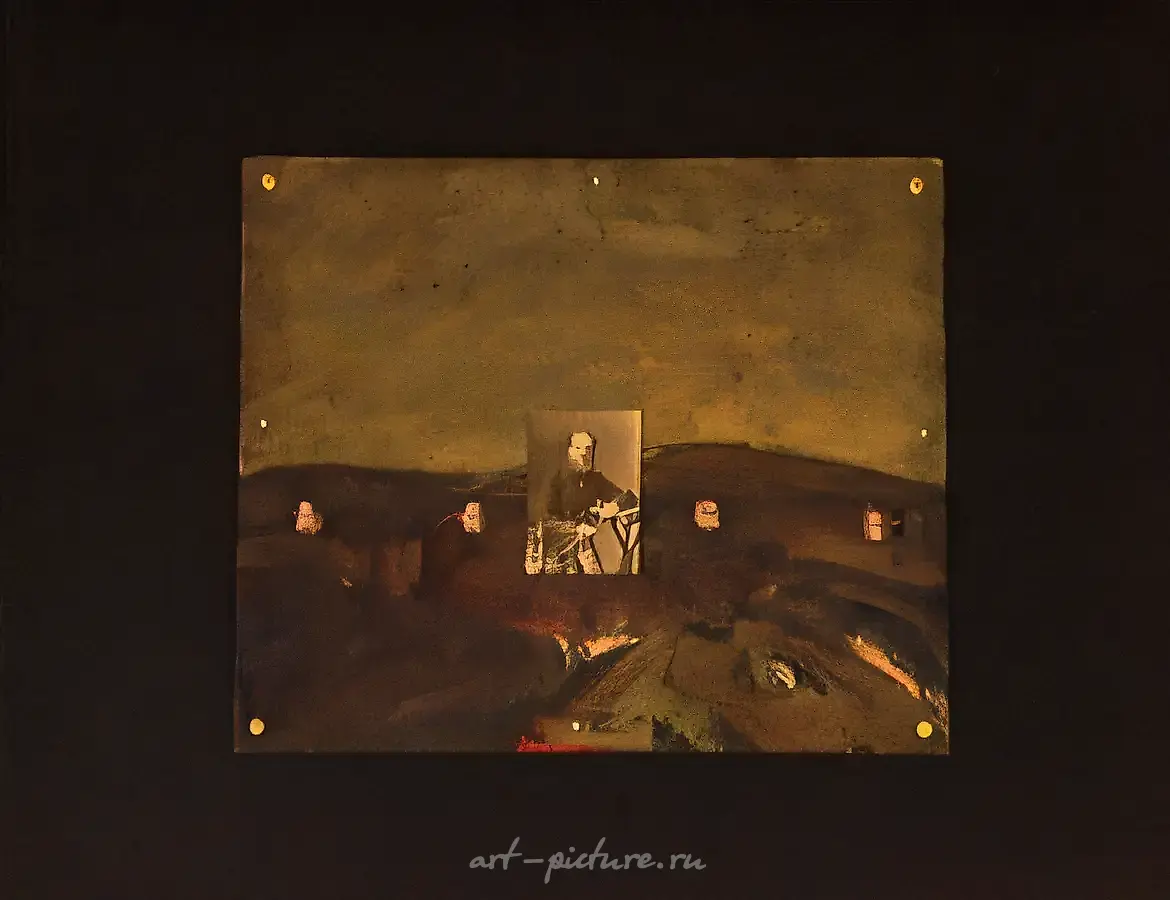
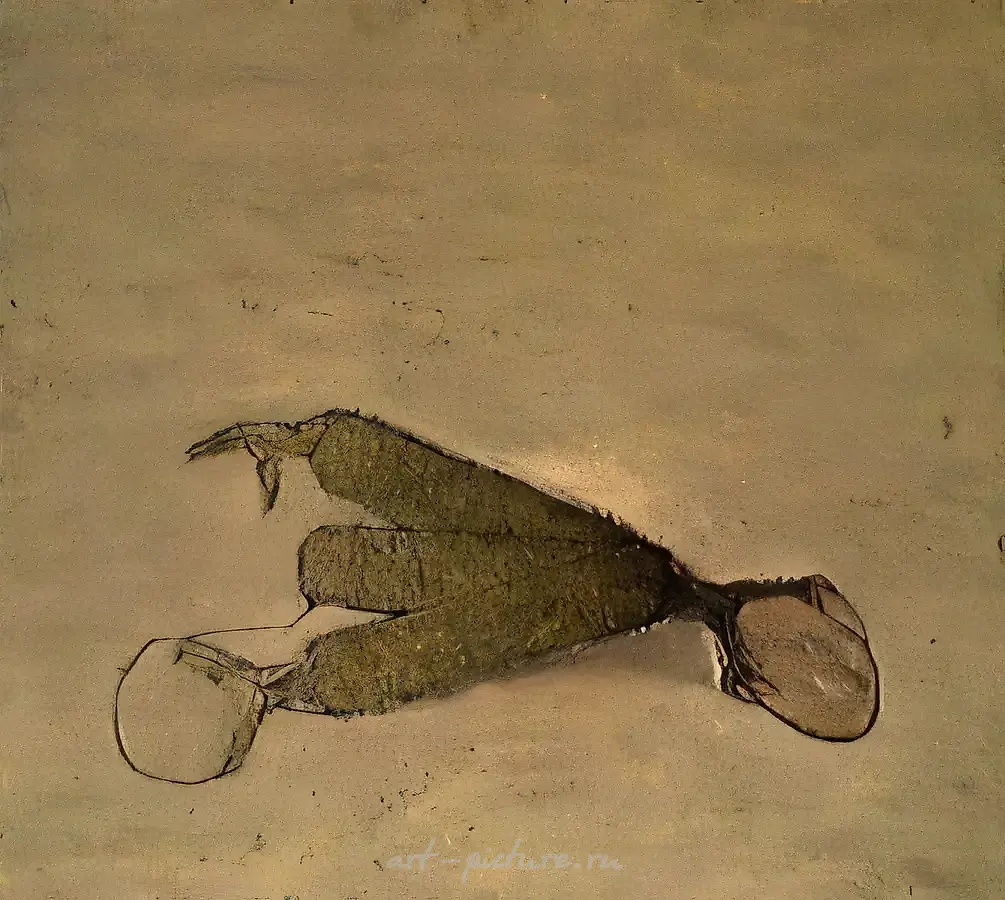
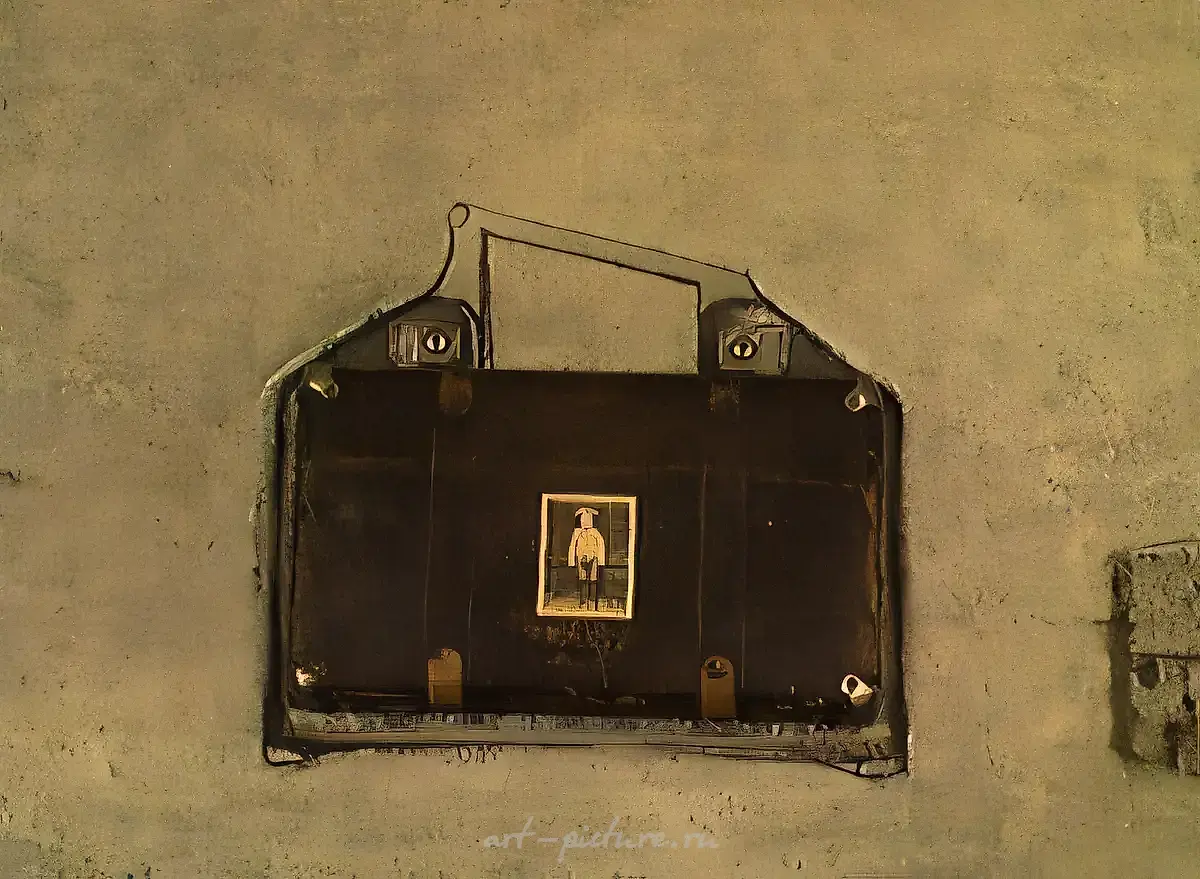
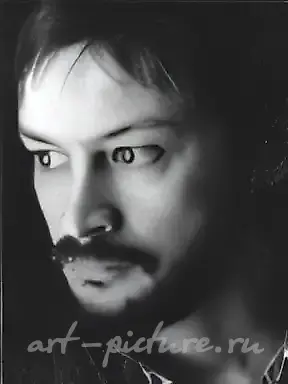
Konstantin Vladimirovich Pobedine (born 1956, Kharkov) is an artist and writer. He graduated from the Kharkov State Art and Industry Institute. Since 1980, he has lived in Moscow. He has participated in exhibitions in the USSR, Russia, and other countries since 1983. He mainly works in book illustration and graphic design. Pobedine was the chief artist of the magazine 'Zolotoy vek', art director of 'Taburet' magazine, and artist for the 'Zakharov' publishing house (including the first designer for B. Akunin's series of novels about Erast Fandorin). As an original graphic artist, he works mainly in collage technique.
He is the author of the collection of prose miniatures 'Poems of the Era of the Abolition of Slavery' (St. Petersburg: Pushkin Fund, 1998), characterized by a subtle stylistic play combined with caustic irony. The book features an especially expressive satirical portrait of L. N. Tolstoy. For works from this book, Konstantin Pobedine was awarded a diploma at the All-Russian Festival of Short Prose named after Turgenev (1998).
Works in collections
Works are in private collections in Russia, USA, Switzerland, Germany, France, and Pakistan.
Exhibitions and auctions
1983 Graphics Exhibition of Young Soviet Artists, Dortmund, Germany;
1984 Our Contemporary, International Competition, Moscow, Prague;
1985 Third International Drawing Triennale, Nuremberg, Germany;
1985-91 Exhibitions of Young Artists at the USSR Academy of Arts, Moscow;
1986 Competition-Exhibition of Young Artists, USSR and GDR, Moscow, Berlin;
1989 International Book Art Exhibition IBA ('Figure-A' section), Leipzig, GDR;
1991 Contemporary Soviet Art, Tokyo;
1991 ART MYTH 2, Moscow International Art Fair, Central Exhibition Hall 'Manege', Moscow.
Author about himself
No matter which language you are currently thinking in, I’m sure you can recall a noble outlaw who blessed your homeland with his daring. Being an outlaw is fun and beautiful. Every schoolchild knows this. But to become an outlaw is not easy; it requires certain abilities. Many of us do not have them. Among noble outlaws, some stand out as especially noble—fans call them folk avengers. If their nobility is a notch higher, in Russia, let’s say, such an outlaw could be called a revolutionary. Such were Pugachev and Razin.
But there are even more noble outlaws. Their nobility is simply off the charts. These outlaws operate in a metaphysical space. They are fired by ideas of glory, fate, and luck. They despise bloodshed and the pursuit of earthly wealth. They are bearers and squanderers of the Gift. In almost every way, they are indistinguishable from artists.
One such outlaw is Fedka Rytik. 'Fedka Rytik—what hasn’t he done! They catch him, throw him in jail, shackle his hands and feet, and he draws a boat on the wall with charcoal, splashes water on it, sits in the boat with his fellow inmates, and sails off wherever he pleases! No matter how many times they catch him, he escapes from jail every time! Finally, they figured it out: when he asks for a drink, they give him kvass but no water—not a drop... So they got rid of him.'
Sometimes it seems this describes me, my art, my fate.
Bibliography
Hans Martin Wiese 'Suche nach Gemeinsamkeiten', newspaper 'Abendzeitung', October 12, 1985;
Boris Schmidt 'Zeichnung als Ausdruck von Lebensgefuhl', newspaper 'Suddeutsche Zeitung', October 26–27, 1985;
Michael Becker 'Am Dechungel der Zeichen', newspaper 'Nurnberger Nachrichten', December 11, 1985;
Reinhard Muller-Mehlis 'Eine subjektive Auswahl', newspaper 'Weltkunst', January 15, 1986;
Catalog 'III International Drawing Triennale', Alexander Rozhin. Presentation of the Soviet section of the exhibition (in German), 1985;
Magazine 'Bijutsu techo', June 1990, pp. 116–117 (in Japanese);
Magazine 'Styling', No. 32, June 1990;
Magazine 'Styling', No. 33, July 1990, p. 29 (in Japanese).