Eduard Moiseevich Puterbrot
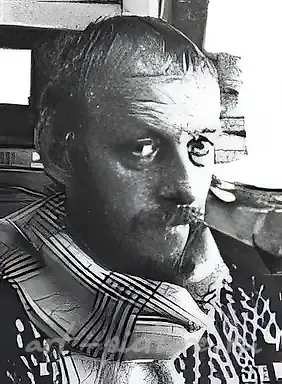
Eduard Moiseevich Puterbrot (September 12, 1940, Makhachkala – November 15, 1993, Makhachkala) was a Soviet and Russian artist.
Biography
According to the Album-Catalogue of Works 1965–1993:
1947–1957: Studied in the art studios of the Pioneer House and the House of Folk Art;
1957–1962: Studied at the Physics and Mathematics Faculty of Dagestan State University;
1962: Began teaching drawing, descriptive geometry, and perspective at Dagestan Art College named after Dzhemal;
1975: Became a member of the USSR Union of Artists; Began working as Chief Artist of the Kumyk Musical Drama Theatre named after A. P. Salavatov;
1979: Awarded the Republican Prize of the Dagestan ASSR named after G. Tsadasa;
1980: Diploma from the All-Union GDR Playwright Competition for the stage design of "Whether That Soldier or This One" by B. Brecht;
1981: Honored Artist of Dagestan ASSR;
1985–1993: Chief Artist of the State Russian Drama Theatre named after Gorky;
1990–1991: Artistic trips to Germany (Blankenheim, Oldenburg), France, Hungary, Poland, Lithuania, and Latvia.
Artwork
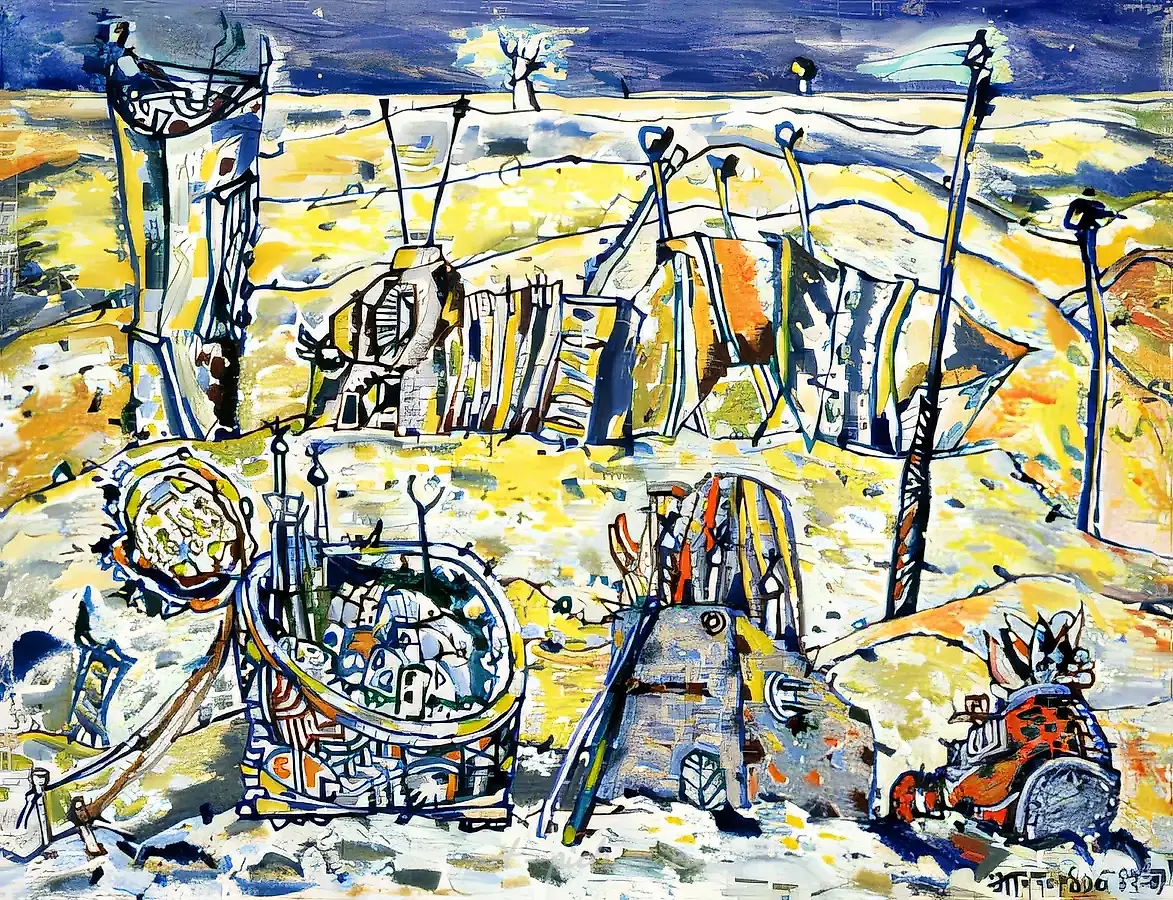
According to William Meiland, "Eduard Puterbrot was universal: scenography, painting, easel graphics, poster, small plastic arts." "The vast theatrical stage for the artist was all the spaces of the mountainous country that surrounded him from childhood. Dagestan constantly nourished his creativity." According to the critic, Puterbrot refuted Kipling's well-known formula—"East is East, and West is West, and never the twain shall meet." For him, East and West moved and merged. He was a rare connoisseur of the culture and art of Dagestan’s multilingual peoples, but he also sought to see the whole world and was keenly interested in contemporary art, often visiting Moscow and other art centers of the country.
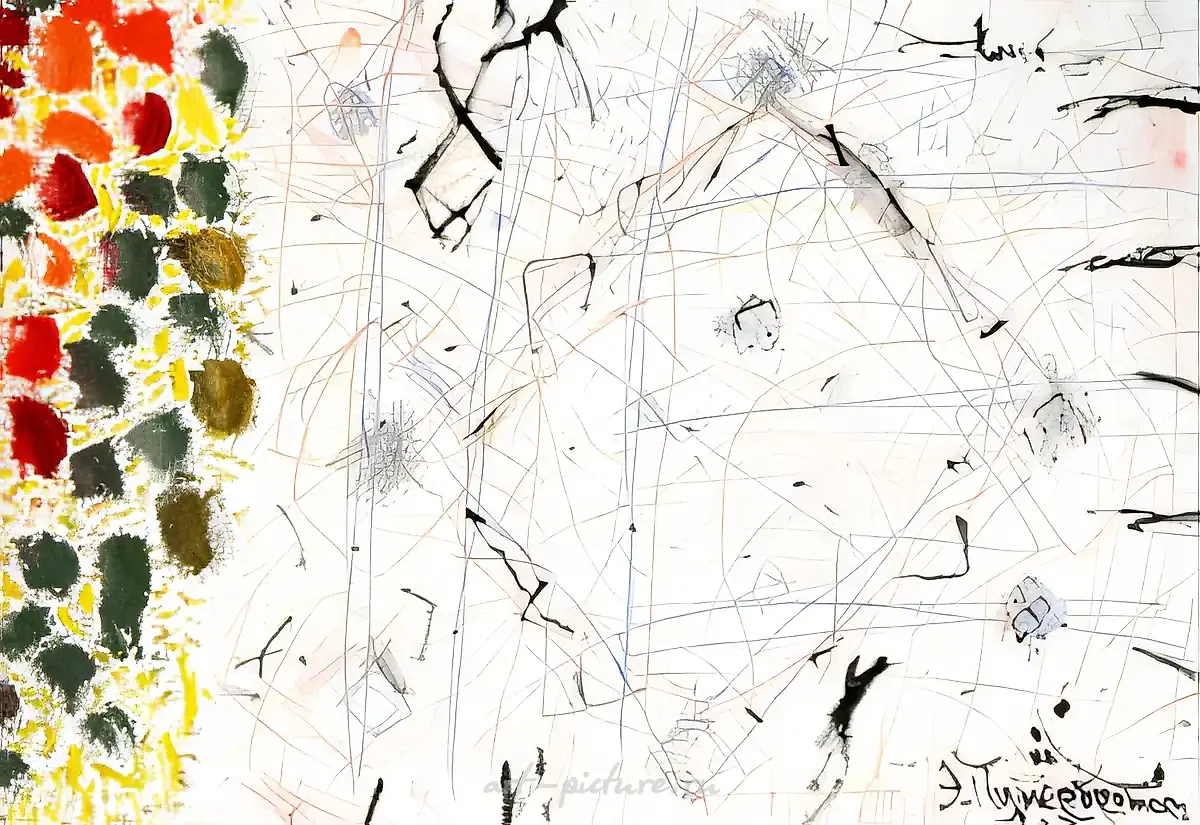
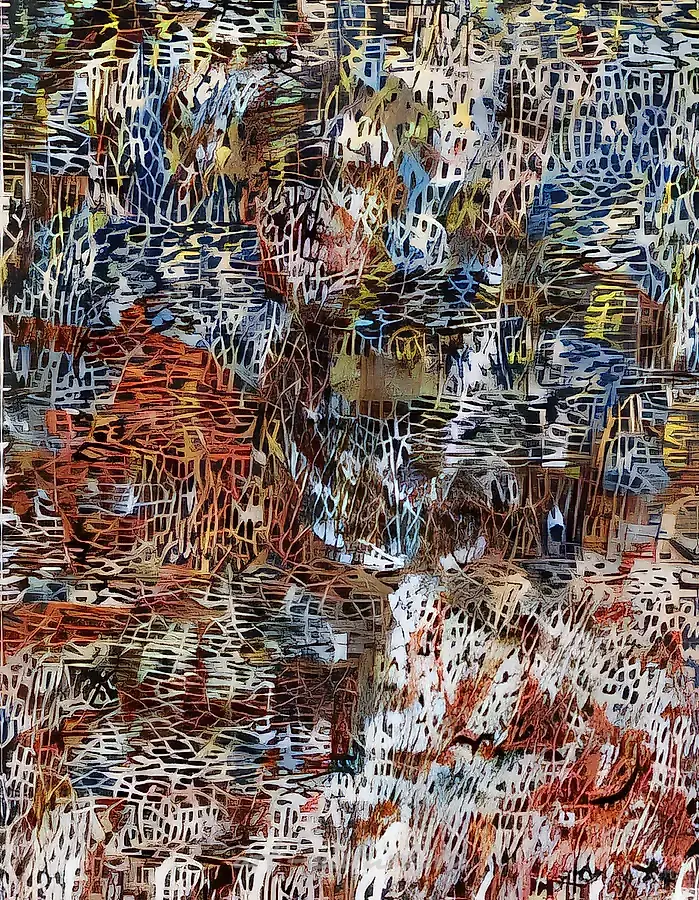
According to Moscow art critic Ivan Kuptsov: “Eduard Puterbrot, like no other, was faithful to Dagestani traditions, the high culture of radiant but subtle color combinations. … His work is insightful, imaginative, it possesses scale and epic quality, ...where each detail is transformed by his intuition.” “E. Puterbrot understood painting not as music in color, but as writing in color, and in this lies his principal difference from abstractionism as experiment and color-shape formation,” wrote artist Yuri Avgustovich.
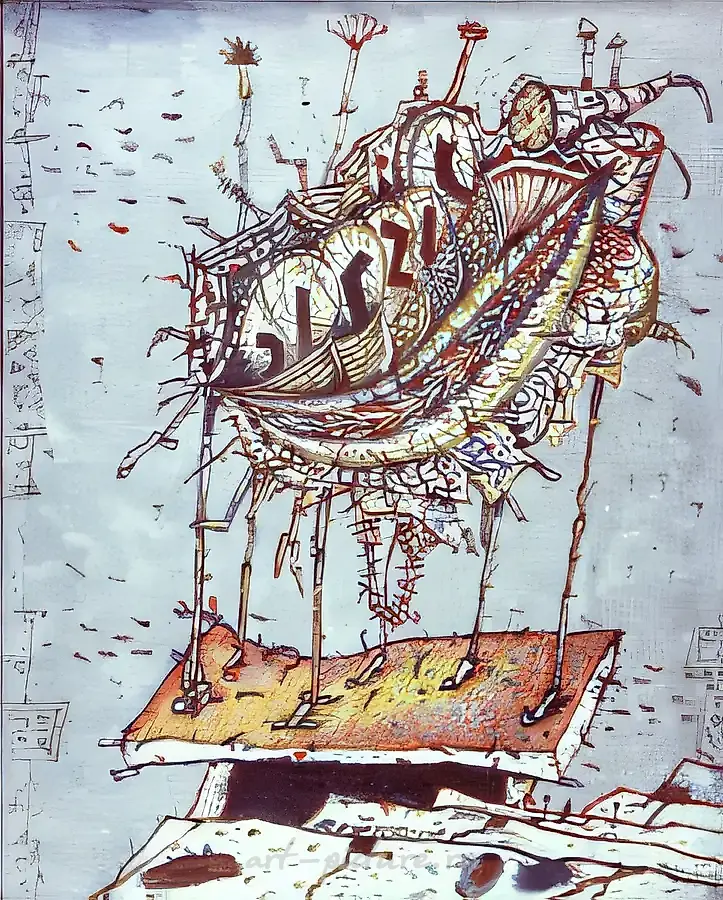
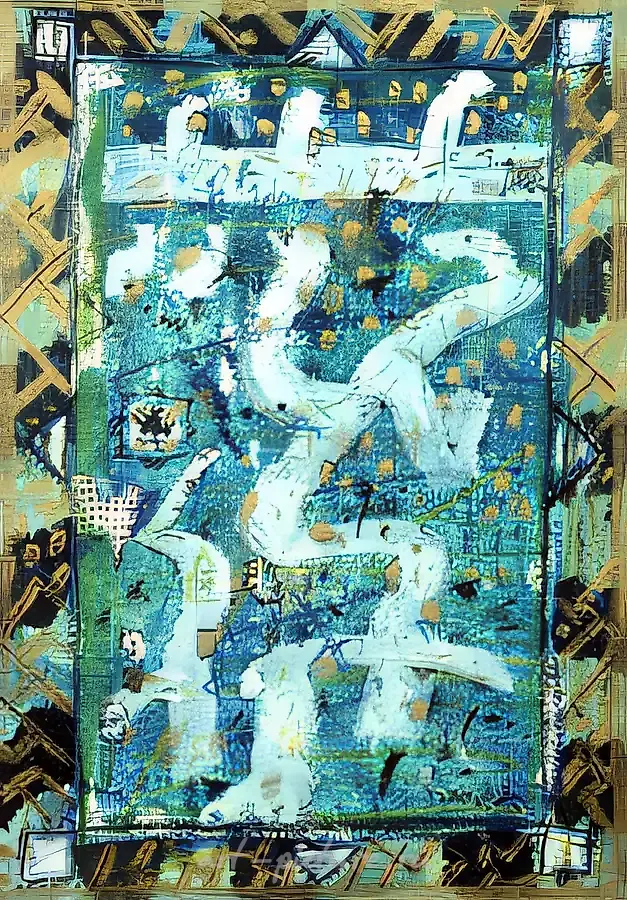
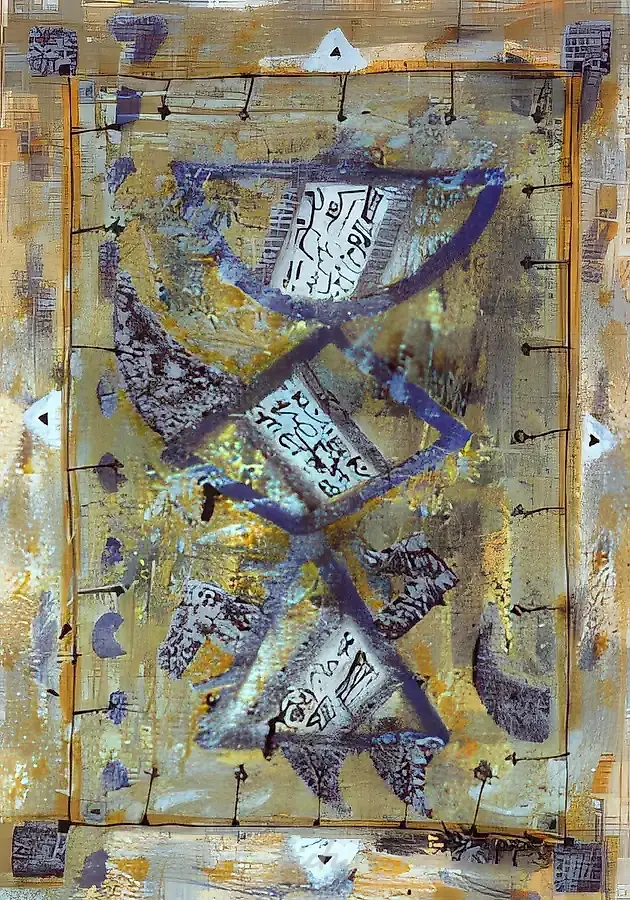
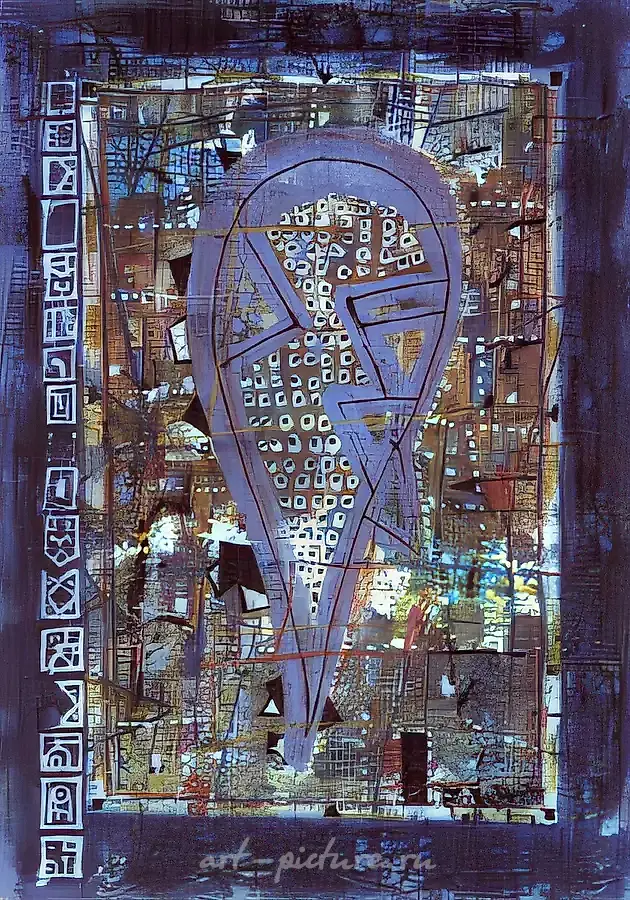
Puterbrot worked on the "translation" into the language of contemporary art of the symbols of ancient rituals, sacred images, and legends of Dagestan. As art critic Viktor Martynov pointed out, "The legends, traditions, myths, and tales of the mountain peoples intertwined in his aesthetic consciousness into a tight ball of impulsive passions, intuitive illuminations, unexpected associations, and textbook reminiscences."
Laureate of the Republican Prize of the Dagestan ASSR named after G. Tsadasa for the paintings "The Master" and "Village Concert" and sketches for the set designs of "Medea" by Euripides and "The Chest of Sorrows" by G. Tsadasa. Honored Artist of the Dagestan ASSR, participant of exhibitions in the USSR, Germany (Blankenheim, Oldenburg), France, Hungary, Poland, and Latvia. Works are held in the Bakhrushin State Central Theater Museum, Dagestan Museum of Fine Arts, DGOHM, the USSR Directorate of Art Exhibitions, the Artistic Fund of the RSFSR, in corporate and private collections in Russia and abroad.
He died on November 15, 1993.
Exhibitions, Distinctions
The magazine "Business Success" declared 2010 the year of Eduard Puterbrot in Dagestan. In a dedicated article for the artist’s 70th birthday, Yulia Goloveshkina describes four exhibitions held at various art venues in the republic.
The following exhibitions and projects are mentioned:
-the "Memory" exhibition, organized in April in Moscow by the Museum of the History of Makhachkala;
-the project by artist Magomed Kazhlaev "Codex: Eduard Puterbrot and Artists of Dagestan";
-"Martian Bread"—a memorial evening and scenography exhibition of Eduard Puterbrot's works in the gallery of art historian Vagidat Shamadaeva;
-a large exhibition of Eduard Puterbrot’s works from the artist's family collection as part of the “First Gallery” project (Republic of Dagestan);
-the album-catalogue "Eduard Puterbrot. Revival";
-a collection of articles by and about the artist collected by Djamila Dagirova from library archives and the author's friends.
E. Puterbrot is included in the Unified Artistic Rating and International Artistic Rating of the Professional Union of Artists of Russia "10,000 Best Artists in the World" according to the "not lower than third category" criterion. The certificate of the Unified Artistic Rating of the Professional Union of Artists of Russia confirms the assignment of category 3-A.
Filmography
In 1977, Eduard Puterbrot was the production designer of the film "Kubachinskaya Wedding".
Some works
== Family ==
Father: Moisey (Vil) Zinovievich Puterbrot, Director of the Dagestan State Philharmonic. Mother: Alexandra Terentyevna Puterbrot, special correspondent for TASS in Dagestan.
Remembrance
In 2020, a memorial plaque was installed at 2 Lenin Avenue, Makhachkala, in memory of M.Z. Puterbrot, A.T. Puterbrot, and E.M. Puterbrot, who lived there.
Works in collections
Works are held in the State Central Theatre Museum named after A. A. Bakhrushin, the State Museum of Oriental Art in Moscow, the Dagestan State Museum of Fine Arts, and private collections in Russia, the Czech Republic, Slovakia, Germany, France, and Israel.
Exhibitions and auctions
1977 Young Soviet Artists. Bulgaria, Hungary, Romania;
1978 8th Biennale of Graphic Arts. Brno, Czechoslovakia;
1988 Young Soviet Artists. Poland, Bulgaria, Hungary, Cuba, GDR;
1990 Perestroik'art Year 5. L'orangeraie Gallery, Saint-Paul-de-Vence, France;
1990 Exhibition of Soviet Artists. Istanbul.
1991 Exhibition of Dagestan Artists. Blankenheim/Ar, Germany;
1991 Kunst-Europa (Artists from Makhachkala). Oldenburg, Germany;
1993 "STANBET" Gallery Exhibition. Mikkeli, Finland.
Author about himself
The true image is like a cabbage, no matter how many leaves you peel away, you never get to the core, though you always approach it (the ideal).
Everything that can be completely deciphered becomes tedious. Reading should be approximate. There must be a hint. The metaphor should be infinitely deep. Emotions must be unmotivated. A trifle should cause an explosion. The logic is not mathematical. A mushroom can break through asphalt. A clip of hints. Surround the viewer with a fog of images. He fears them. He searches for meaning, afraid to find it. Let him leave, dazed, understanding nothing, touched but not humiliated by understanding or clarity. Thus, the shell should be simple, seemingly accessible, but with a flaw. This should deliver nervousness to the viewer—distrust will offend the author. Here, either contact occurs or... let him leave.
Critic
The art of Eduard Puterbrot is notable for the particular subtlety and freshness of its figurative intonation. It clearly stands apart from the fashionable and prestigious innovations of our contemporaries. Sincerity of world-view and sharpness of expression are the distinguishing features of this artist's creativity. He is not concerned with separate themes, plots, or motifs, even if they are quite effective and meaningful in their complexity. He seeks more—the almost tangible ability to endow the pictorial element pulsing on the canvases with the energy of intense experience, the plastic spiritualization of everyday reality.
V. Martynov
Bibliography
Eduard Puterbrot, collection "Music of Color", 1979, Makhachkala;
Album "Art of Dagestan", 1981, Moscow, publisher: Soviet Artist;
Exhibition catalog "Eduard Puterbrot", 1982, Makhachkala;
Exhibition catalog "Eduard Puterbrot", 1984, Moscow;
"Eduard Puterbrot", collection "Artists of Soviet Theater and Cinema", N7, 1989, Moscow, Soviet Artist, pp. 133-144;
Exhibition catalog "Perestroik'art Year 5", 1990, Saint-Paul-de-Vence, France;
"STANBET" Gallery brochure, 1992, Moscow.
Works 7