
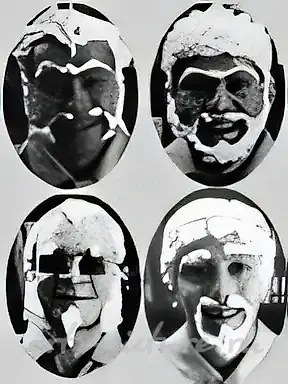
FENSO
COMPOSITION:
Anton Smirnsky, Vasily Smirnov, Denis Salautin, Anton Chernyak (until 1994), Dmitry Fain (since 1994)
The group was formed in the winter of 1993.
The last project within the FENSO group was carried out by the members in 1997.
Works in collections
Penza Art Gallery, Penza
European Trading Bank, Moscow
Ministry of Culture of the Russian Federation, Moscow
Gallery Philippe Briet, New York, USA
Exhibitions and auctions
SOLO EXHIBITIONS
1993 - 'Fenso Lights'. Gallery 1.0, Gallery School, Moscow
'Fenso Lights'. Philippe Briet Gallery, New York, USA
1994 - 'Festive Mood'. L Gallery, Moscow
1995 - 'Bazak'. XL Gallery, Moscow
1996 - 'Rama Washed Rama'. XL Gallery, Moscow
GROUP EXHIBITIONS
1993 - 'Remove the Dog!'. 'Exchange'. Dutch-Russian project. CCI, Moscow
ART MYTH 3. Gallery 1.0. Manezh, Moscow
1994 - 'Brazen, Insensitive...'. Regina Gallery, Moscow
'Border Zones of Art'. Contemporary Art Festival. Art Museum, Sochi
'Artist Instead of Artwork, or Leap into the Void'. CHA, Moscow
'NewMediaTopia'. CHA, Moscow
'Exchange II/Datsja'. Almere, Flevoland, Netherlands
Art Cologne. Regina Gallery. Cologne, Germany
'Several Images Created with IBM'. M. Gelman Gallery. IBM Office, Moscow
'Christmas Exhibition'. Regina Gallery, Moscow
'Video Fest ’94'. Erfurt, Germany
1995 - 'Kyiv Art Meeting'. XL Gallery. Ukrainian House Center, Kyiv, Ukraine
'Clean Homeland'. ISI, Moscow
'Werkstatt Moskau' (Contemporary Russian Photographic Art). Akademie der Künste im Marstall, Berlin, Germany
1996 - 'Back to Photography' (annual exhibition of Soros Center for Contemporary Art, Moscow) as part of the Moscow Forum of Artistic Initiatives. Small Manezh, Moscow
International Art Fair ART-MOSCOW, XL Gallery. CHA, Moscow
1997 - Moscow Forum of Artistic Initiatives ('I'm Walking in Moscow', Aidan Gallery). Small Manezh, Moscow
International Art Fair ART-MOSCOW, XL Gallery. CHA, Moscow
'It’s a Better World'. Secession Museum, Vienna, Austria; Art Forum Gallery, Merano, Italy
'Moscow Today'. Museum of Contemporary Art, Ghent, Belgium
'Personal Cinema'. 'Kodak-Kinomir', Moscow
1998 - 'Euroremont'. Exhibition hall at the Cultural and Historical Center 'Slavyansky'
International Art Fair ART-MOSCOW, XL Gallery. Small Manezh, Moscow
Author about himself
Dmitry:
- Yes. The individual aspect in art is always very speculative and thus not very interesting. It's more of a therapy focused on oneself. But dialogue is an attempt at schizoid objectification of the process. When a person works individually, he proposes a project, tries to analyze and evaluate it himself, then implements it himself. Group creativity complicates the task, there’s an intersection of various discourses, different perspectives on the same issue. The object is transformed in one way or another. The more complex process is, the more interesting it is. More brains are engaged...
Denis: - Any problem can be considered more thoroughly.
... - Which other contemporary creative unions are close to you?
Dmitry: - Well, probably today in domestic visual art, the most striking are exactly the groups. It's hard not to mention 'Collective Actions', 'Medical Hermeneutics', or... Well, that’s enough. CA and MH are very important to us, interesting, one could say, as a cultural heritage.
- And what is valuable to you in that tradition?
Dmitry: - It's hard to say... The idea of the void canon, in the terminology of Pepperstein. The empty core.
Denis: - Holes in cheese...
Dynamic Pairs. Interview by Vyacheslav Kuritsyn.
Critic
... The group outlined the basic points of a new eclectic mythology—computers, psychedelics, video, fantasy.
...If the orientation towards advanced technological trends can be seen as a sign of the times and a specter of the computer revolution sweeping over native mental fields, then the fascination with unscientific mythological fantasy and computer games points to a new wave of infantilist psychedelia associated with the younger generation of Moscow conceptualists—the 'Medical Hermeneutics' group. But while the latter operated with psychopathological reflections of the infantile substratum of Soviet civilization, with all sorts of rotten Pinocchios and orthodox cottages, FENSO LIGHTS chooses the healthy idiocy of a post-historic West regressed into childhood. By the way, FENSO LIGHTS means nothing special in any language—it's an attempt to model the process of creating a new style of life and swagger by making completely meaningless gestures and advertising campaigns that mimic games with mass consciousness in information societies.
... Anton Smirnsky and his team appeal to a vague and harmless noise on the semantic fringes of computer pastures...
A. Kovalev
Frankly, it is quite difficult to write about FENSO; their 'childish' clumsiness constrains both attempts at serious analysis and the desire to 'join the game.' Both become heavy caricatures.
At the same time, FENSO attracts, intrigues, and provokes, if only to attempt a tentative description of the phenomenon, at least in the context of the 'Bazak' project.
Probably the origins of the group should be sought in the space outlined by 'Medical Hermeneutics', perhaps compared with the emerging Ptyuch-culture, muse on psychedelia and 'side vision'.
But I do not want to dwell on the obvious.
For some reason, Leibniz's monadology comes to mind. According to him, 'a monad, as known, has no windows, does not communicate with other monads or the world. Yet, it carries and conceals the entire world beyond it: it reflects it with varying degrees of clarity and distinctness... the being of a monad consists only in reflecting the being of the world, in being a reflection.' 'Bazak', like FENSO, in my opinion, has a distinct monadological nature through the prefix 'as if.'
They as if haven't read Balzac, as if saw and played out a vague episode as if a legend, as if through the eyes of a child, which, however, is consistent, for side knowledge exists in the monadic 'windowless interior' as reflection, a vague vision without beginning or end, to varying degrees of clarity and distinctness...
XL is interested in FENSO, but now without any prefixes because 'reflection', built on allusive-side intersections, is installed strictly and masterfully, which is, in turn, absolutely monadic on today's Moscow scene.
Elena Selina
Works 14
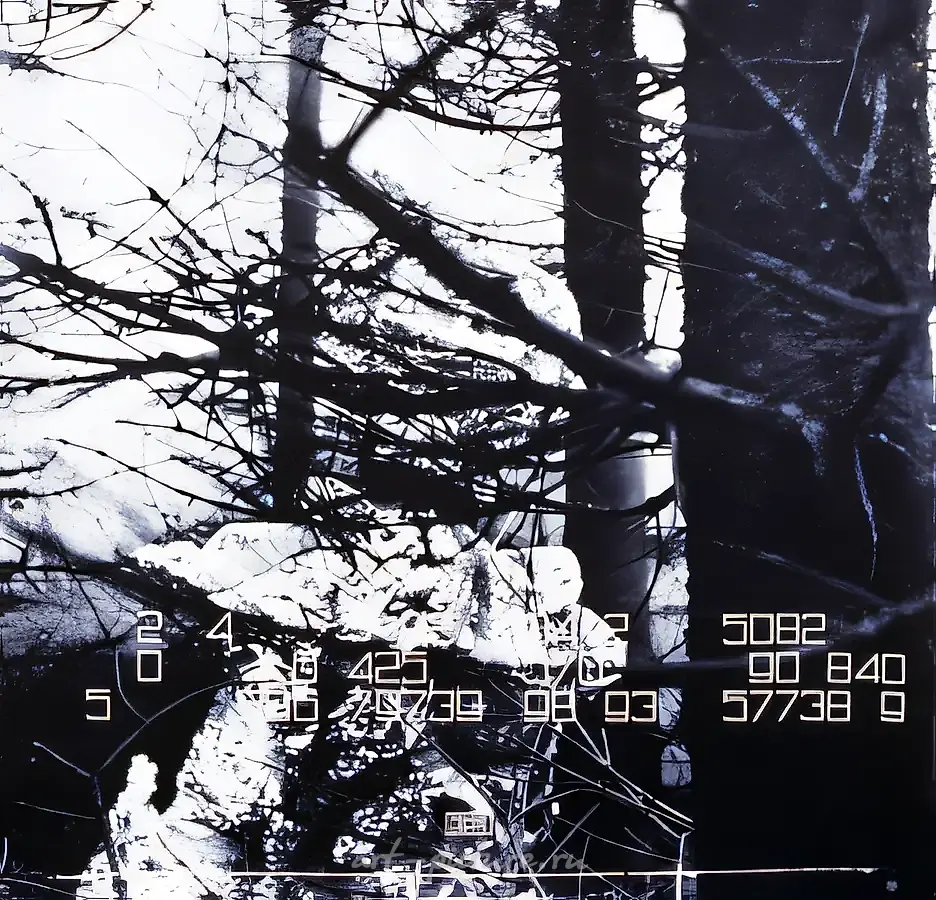
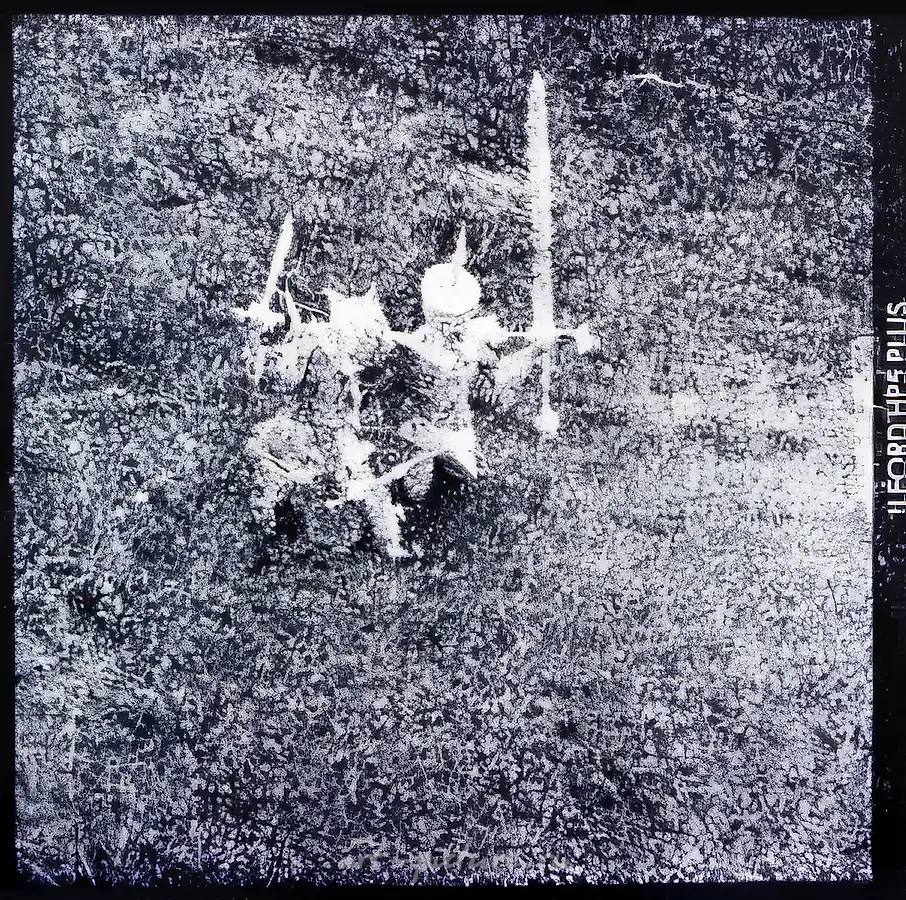
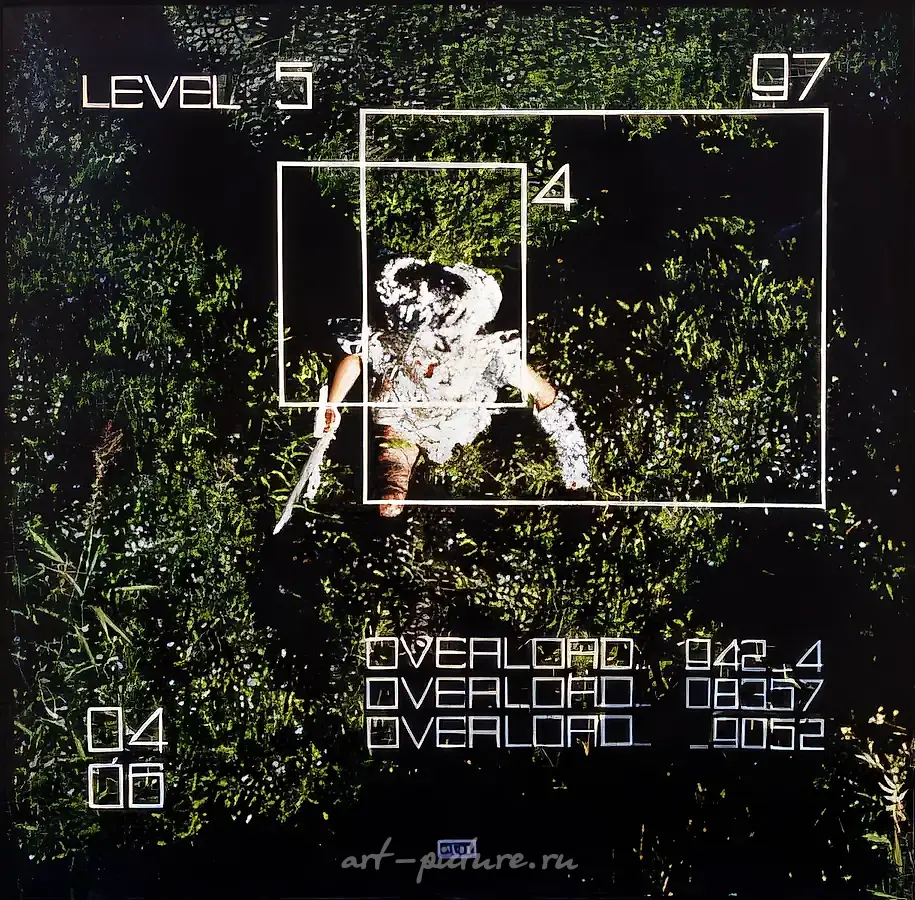
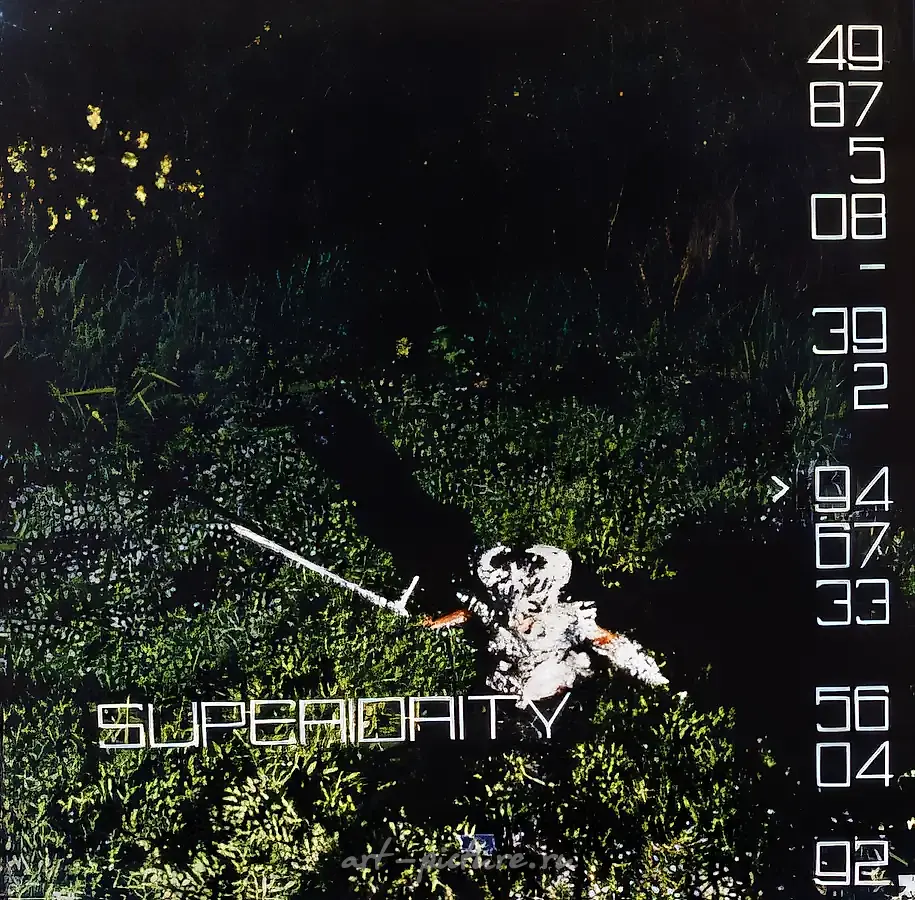
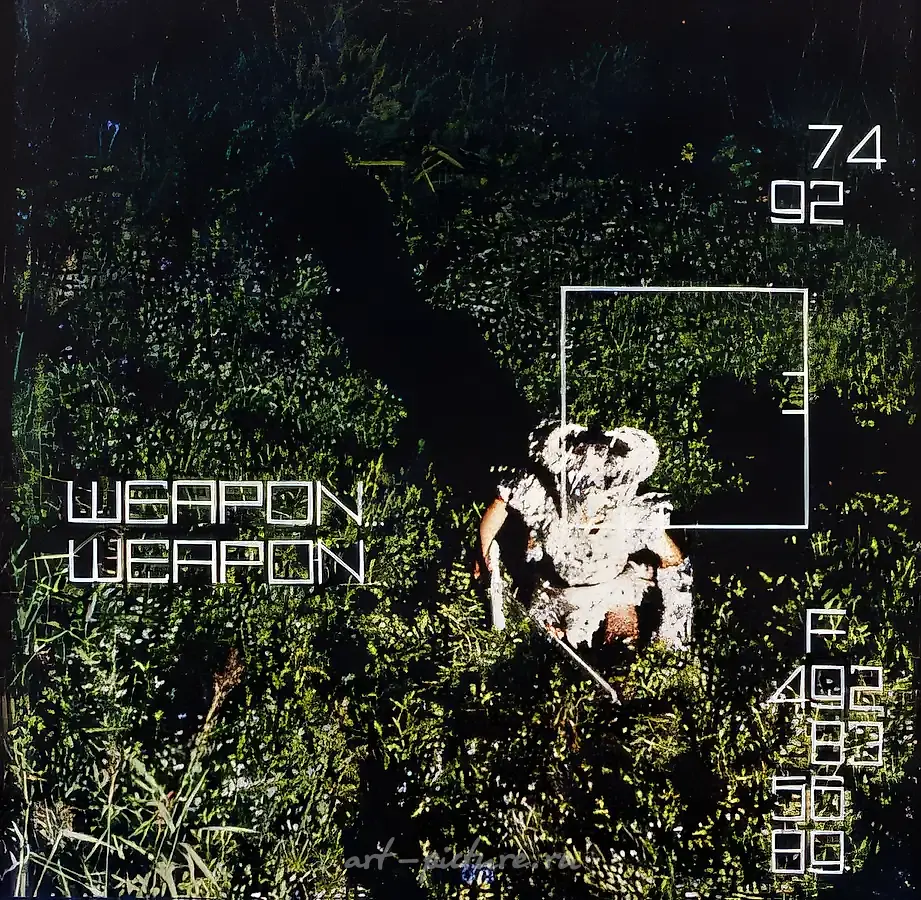
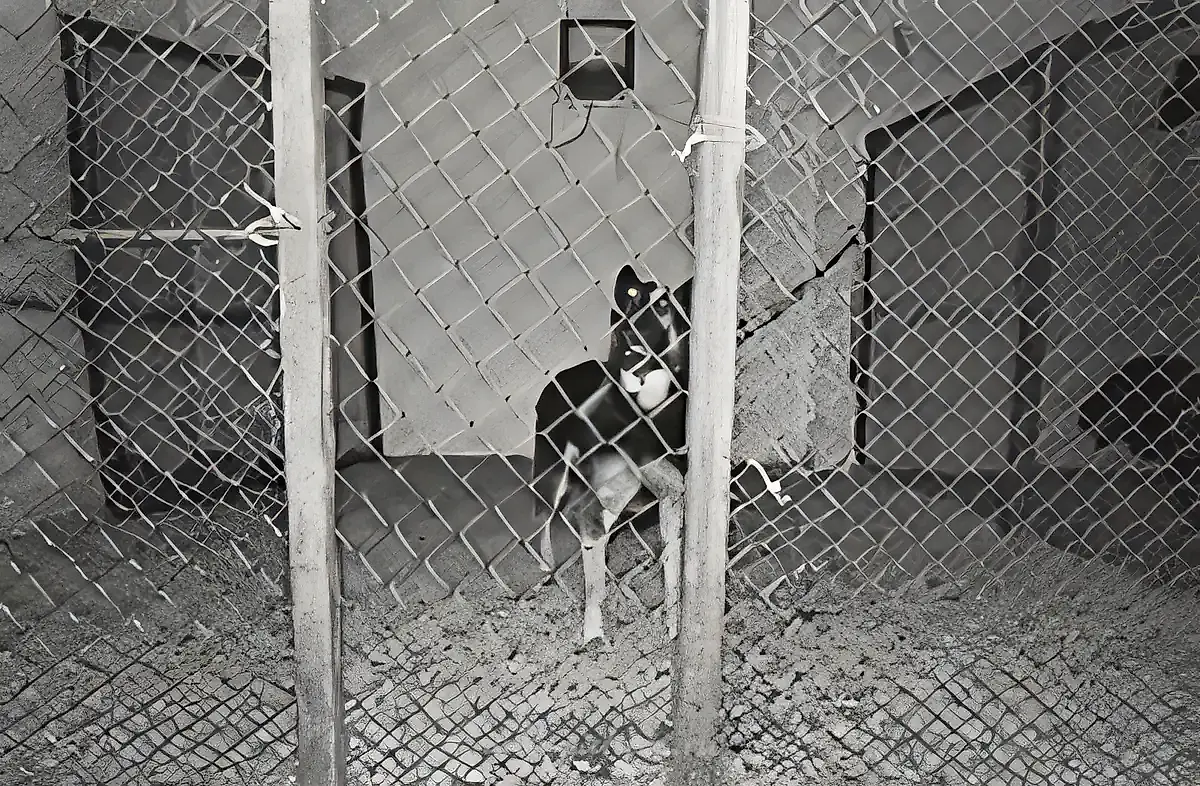
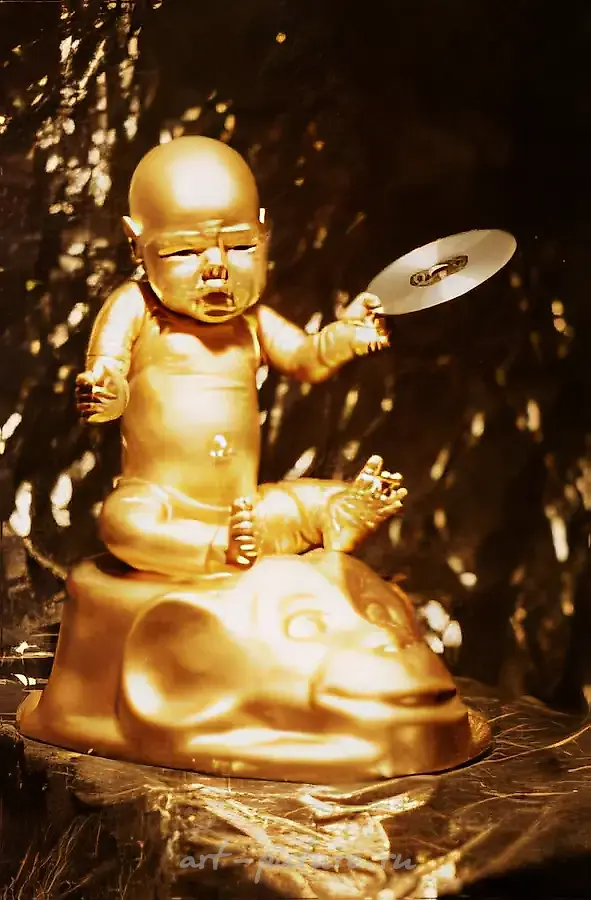
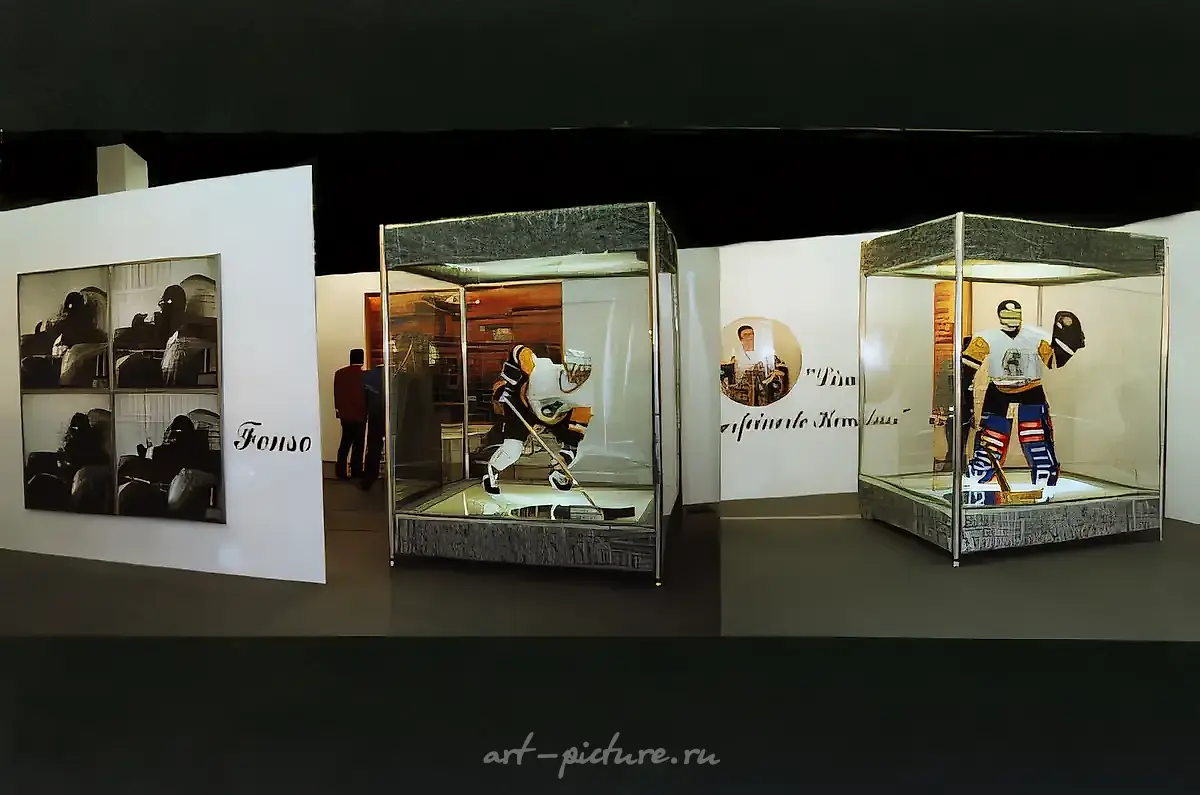
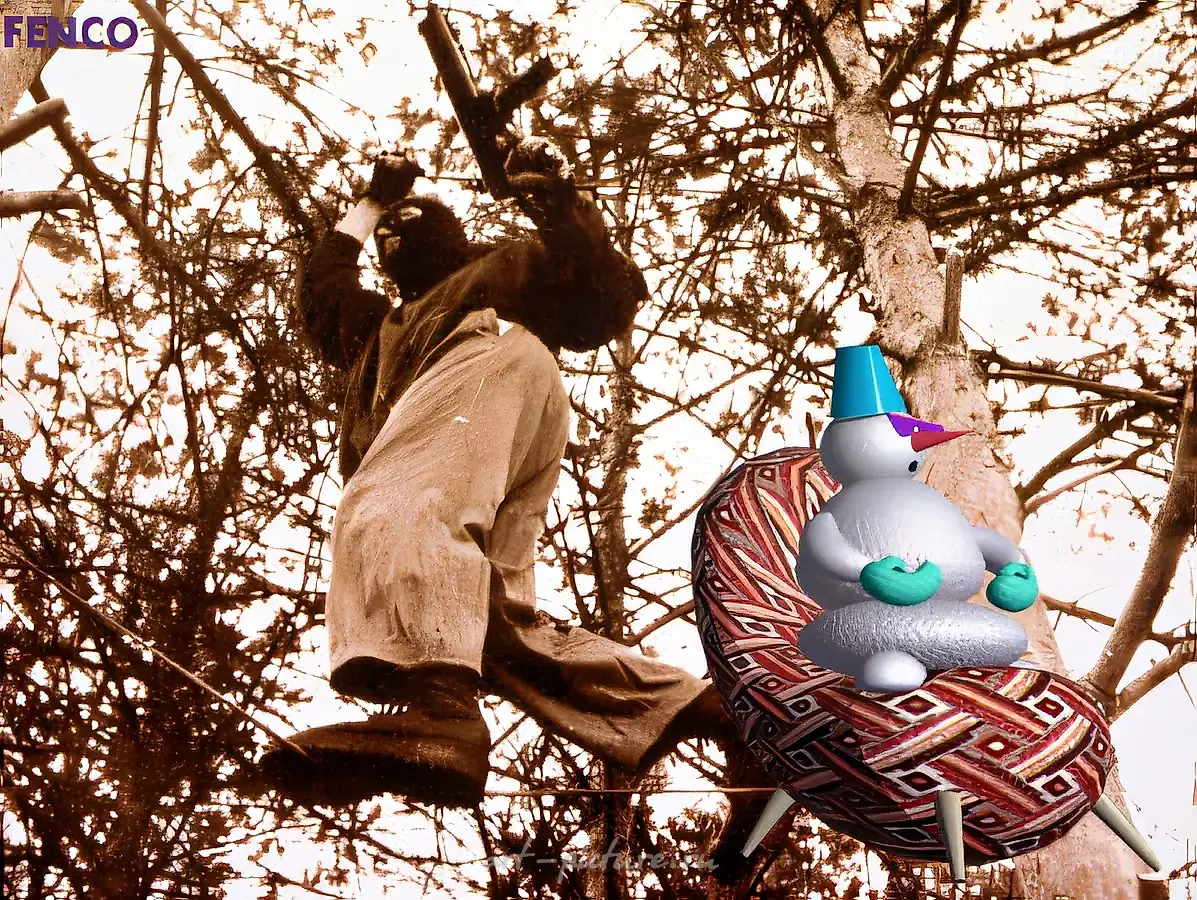
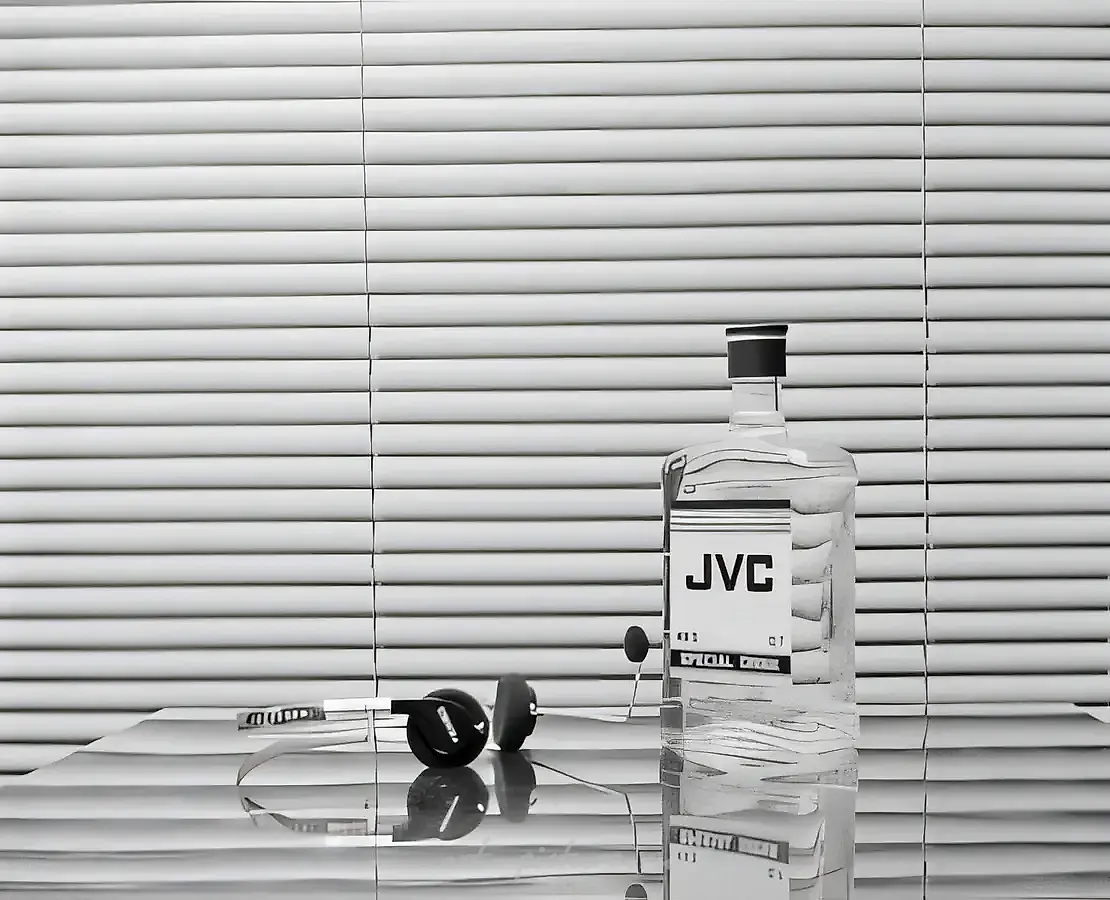
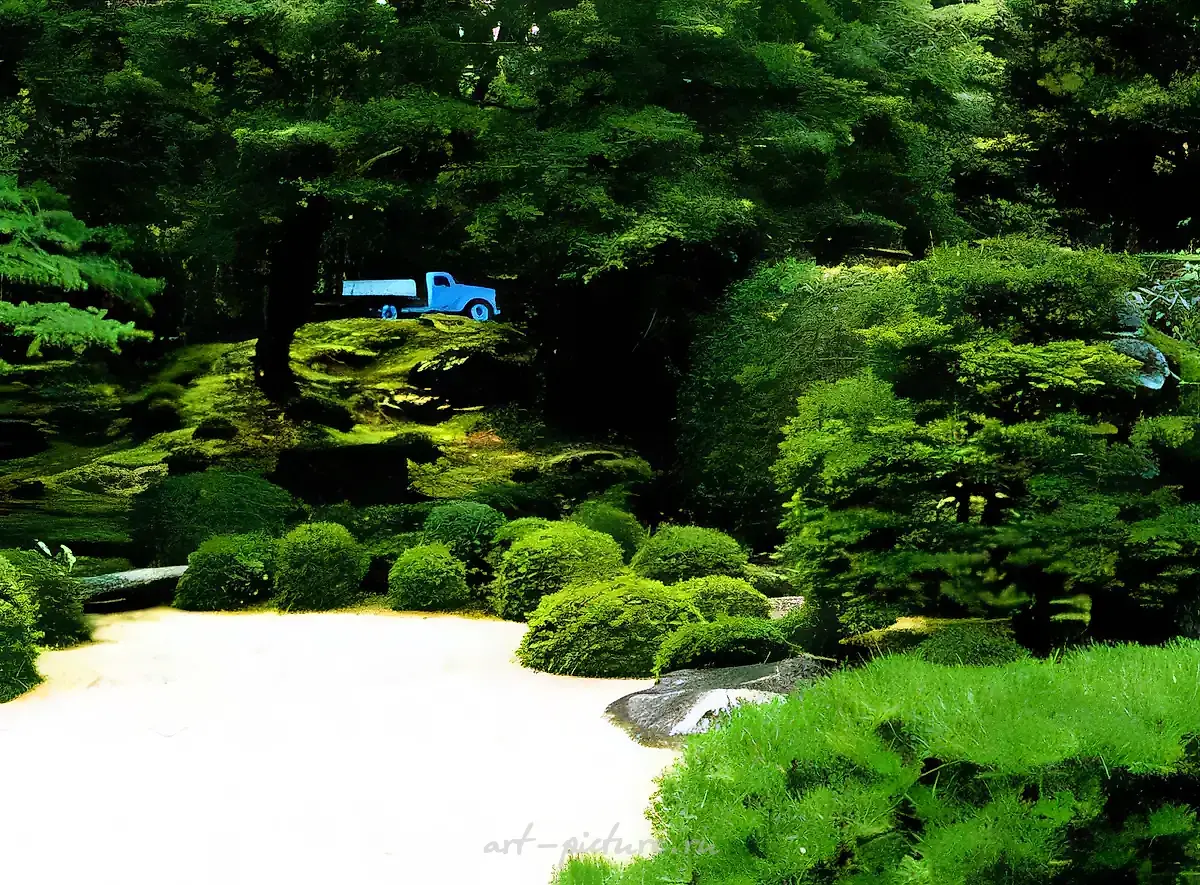
for zen 1, 1996, , 30 x 42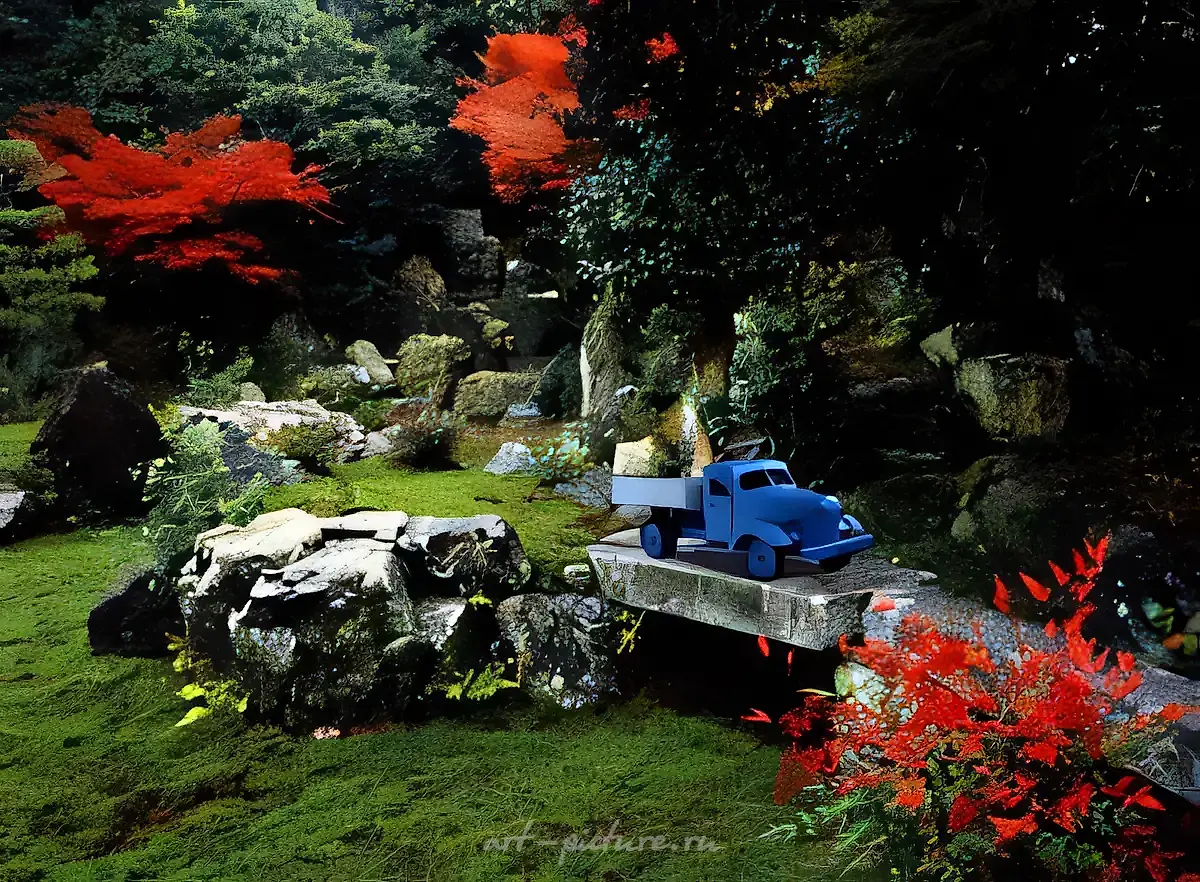
For zen 2, 1996, , 30 x 42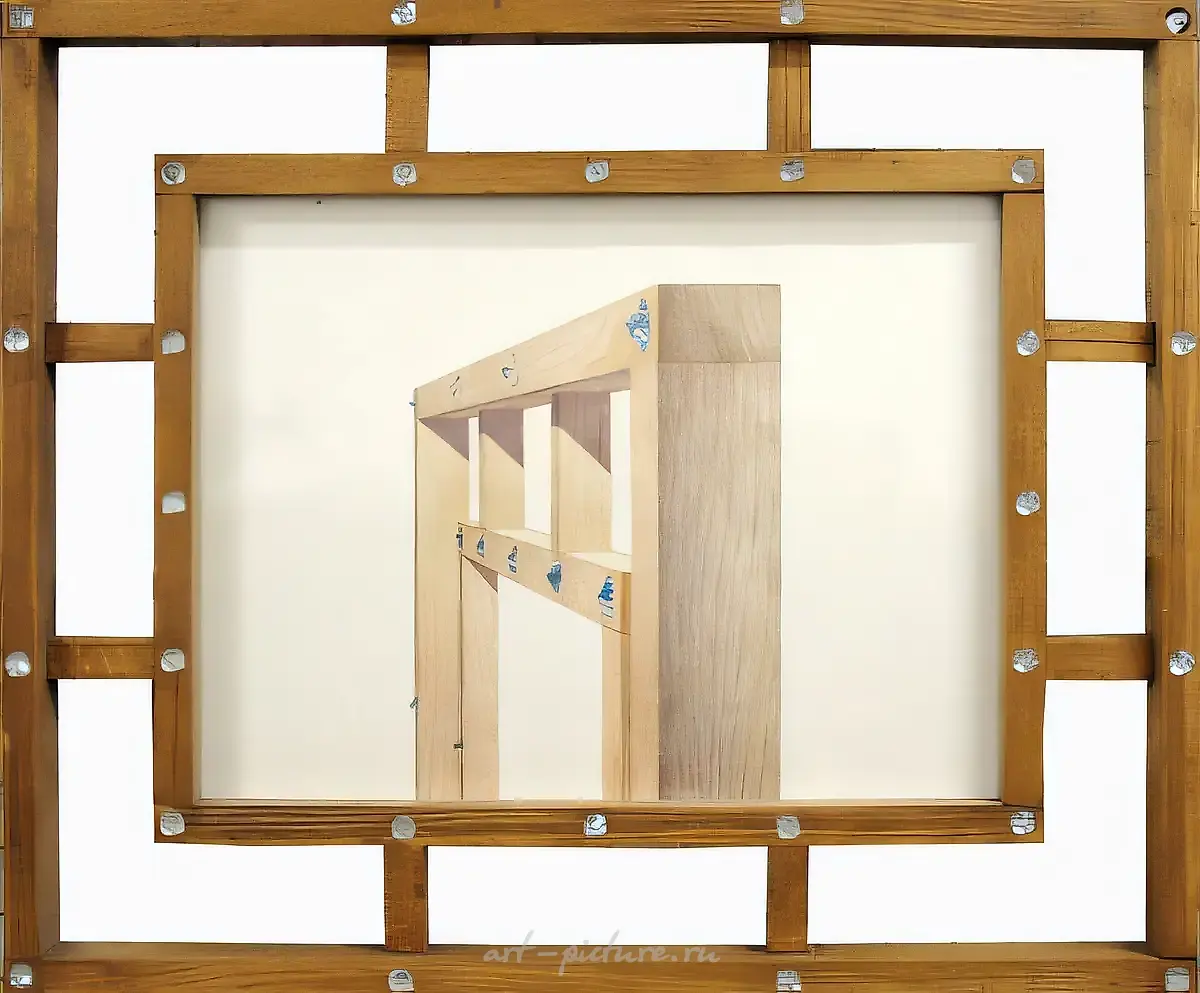
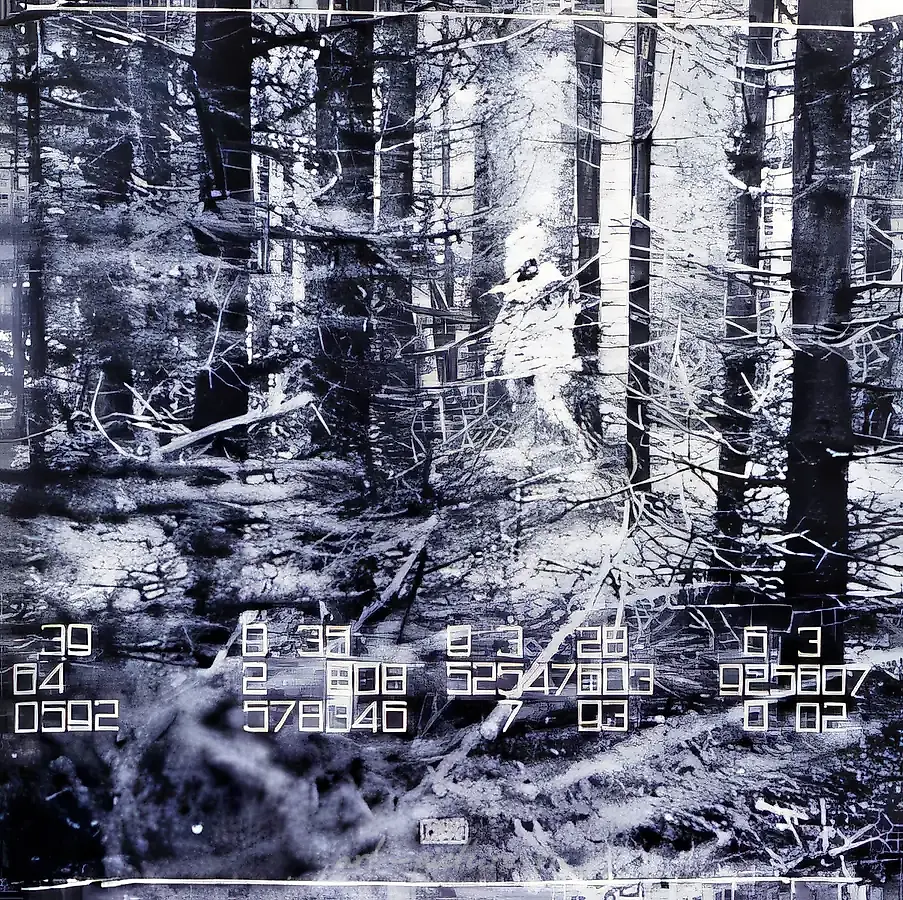
Rama washed frame, 1996, ,