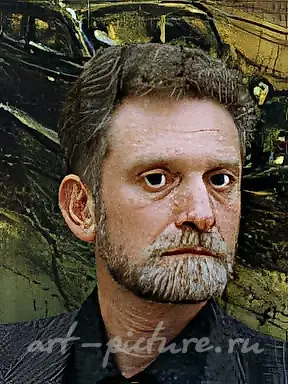
Vladimir Efimovich Brainin
1951 born in Moscow
1968 graduated from the Children's Art School of the Krasnopresnensky District, Moscow
1968-70 worked as an artist-decorator at the Vl. Mayakovsky Theater
1968-73 studied painting in the studio of E.A. Dodonov
1971-76 studied at the Moscow Polygraphic Institute (Art and Graphics Faculty)
Since 1976, member of the Association of Young Artists and Art Historians of the Moscow Union of Artists (MOSK RSFSR)
Since 1983, member of the Union of Artists of the USSR
Works in collections
State Tretyakov Gallery, Moscow
Bank 'Moskovia', Moscow
Bank 'Stolichny', Moscow
Incombank, Moscow
Rato-Bank, Moscow
M'ARS Gallery, Moscow
State Russian Museum, St. Petersburg
Yekaterinburg Museum of Fine Arts, Yekaterinburg
Kaliningrad Art Gallery, Kaliningrad
Museum of Fine Arts, Nizhny Tagil
Nikolaev Art Museum, Nikolaev
Omsk Regional Museum of Fine Arts, Omsk
Tula Museum of Fine Arts, Tula
Kurgan Regional Art Museum, Kurgan
Yaroslavl Art Museum, Yaroslavl
Kherson Art Museum named after Shovkunenko, Kherson
Ludwig Museum, Cologne, Germany
Dresden Picture Gallery, Dresden, Germany
Bureau of Contemporary Art, Warsaw, Poland
City Hall of Ermoupolis, Greece
V. Fadeeva, S. Jafarova, L. Baranov, S. Sherstyuk, D. Kantorov, D. Bisti, Moscow
A. Kostaki, Athens, Greece
Aboni, Toronto, Canada
Schnapke, Germany
Kronek, Tel Aviv, Israel
Burrius, Paris, France
Exhibitions and auctions
SOLO EXHIBITIONS
1978 One-day exhibition. House of Artists on Kuznetsky Most, Moscow
1984 Joint with Georgy Kichigin. Exhibition hall of MOSK on Zholtovsky St., Moscow
1988 Joint with Leonid Baranov. Sculptor's House, Moscow
1991 Exhibition hall of the Artists' Union of the USSR, Tverskaya 25, Moscow
White Hall of the Moscow City Council, Moscow
1992 Program 'Duets' (with V. Koshlyakov). 'Dominus'. MARHI, Moscow
1995 Exhibition - presentation of the book 'Vladimir Brainin - Vladimir Brainin'. 'Union' Gallery, Moscow
Central House of Artists, Moscow
'Union' Gallery, Moscow
1996 'Neskuchny Sad' Gallery, Moscow
1997 Gallery of the 'Russian Cultural Initiative' Foundation, Geneva, Switzerland
GROUP EXHIBITIONS
1977-86 Youth exhibitions of the Union of Artists, Moscow
1980 All-Union Youth Exhibition. Exhibition Hall of the Union of Artists, Tashkent
1982 'Painting and Graphics of Young Soviet Artists'. Palace of Arts, Sofia
'Youth of the country'. House of Artists on Kuznetsky Most, Moscow
1983 'Art Basel'. Basel, Switzerland
'Contemporary Soviet art from the collection of Peter Ludwig'. Ludwig Museum, Cologne; Central House of Artists, Moscow
1984 'My Contemporary: USSR-CSSR'. Central House of Artists, Moscow
1985 International Fair. Poznan, Poland
1986 XVII Youth Exhibition. House of Artists on Kuznetsky Most, Moscow
1987 XVIII Youth Exhibition. Manezh, Moscow
Biennale of Baltic Countries. Kunsthalle, Rostock, Germany
'Private view'. 369 Gallery, Edinburgh, UK
1988 'Contemporary Moscow Art'. Kostaki Gallery, Athens, Greece
'Five Soviet Painters: A. Sundukov, Yu. Vais, F. Kirke, G. Kichigin, V. Brainin'. Hamburger Hof, Hamburg, Germany
1990 'Six Peintres Soviétiques d’aujourd’hui'. Foundation Mona Bismarck, Paris, France
'Contemporary Russian Art'. Moscow Gallery, Toronto, Canada
'ART MIF 1'. Central House of Artists, Moscow
'Young artists and the contemporary world'. Beijing-Shanghai, China
'Russian Art: Treasures and Traditions'. National Gallery, Washington, USA
1991 'ART MIF 2'. 'Names'. Manezh, Moscow
1992 'New Figurative Art from Moscow: V. Brainin, A. Kolkutin, D. Krymov'. House of Artists, Jerusalem, Israel
Exhibition in honor of Alfred Schnittke. Moscow State Conservatory, Moscow
'Tre Stati d’Anima'. Galeria Spazio Tempo, Florence, Italy
1993 'Sleep reveals the nature of things'. State Tretyakov Gallery, Moscow
'Contemporary art from the collection of Bank "Moskovia"'. State Museum of Russian Art, Kyiv; State Art Gallery, Lviv; Art Museum, Odessa; Art Museum, Sochi
'Landscape and Still Life'. Central House of Artists, Moscow
'Pleiades'. Central House of Artists, Moscow
'ART MIF 3'. Manezh, Moscow
'Pairs'. MARHI, Moscow
1994 'Contemporary art from the collection of Incombank'. Regional Art Museum, Ulyanovsk; Art Museum, Samara; Art Gallery, Magnitogorsk; Exhibition Hall of the Union of Artists, Chelyabinsk; Art Museum, Yekaterinburg; Museum of Arts, Omsk
1995 'Charity auction for the benefit of Burn Center of Children's Hospital No. 9. Contemporary Russian painting and graphics'. Sotheby's, ART MIF. Metropol Hotel, Moscow
'La terra ritrovata'. Villa Ormond, San Remo, Italy
'Apocalypse'. Russian State Humanitarian University, Moscow
1996 International Art Fair ART-MOSCOW, "Neskuchny Sad" gallery. CHA, Moscow
Charity auction for 'Operation Smile', Sotheby's. Moscow
'Silky Webs of Art'. Kaluga Art Museum, Ryazan Regional Art Museum; Corcoran Museum, Washington, USA
'Silkscreen from Russia'. Mimi Ferzt Gallery, New York, USA
'History of Historicisms' (with Aidan Salakhova, O. Bulgakova, I. Golitsyn, K. Danelia, E. Kornilova, I. Korsakova, V. Koshlyakov, O. Kulik, I. Makarevich, S. Maksyutin, A. Medvedev, B. Mikhailov, T. Novikov, B. Orlov, A. Sitnikov, A. Slepychev, N. Smirnov, Z. Tsereteli, E. Yashin). AMOG, Moscow
Author about himself
Except for Dodonov, Utrillo, and Modigliani—even earlier, I was raised by my parents: firstly, there was some 'general cultural upbringing' with visits to exhibitions and theaters, endless excursions during summer trips; and secondly, I couldn't sit idle when I saw my father working from dawn till dusk.
A special educational moment seemed to be my awareness of being uninvolved in the realities of socio-political life. I struggled with this for a long time: as a young artist with decadent inclinations, steeped in poetry, I only knew one thing: Stalin was bad, Lenin was good. And how, at sixteen, I could stand by a fence and nod my head, listening to the neighbors, when everyone said, those Czechs have gotten spoiled, and we were right to send in the tanks. Then, at eighteen, I couldn't understand why I could not understand.
Another strong influence was endless romantic failures. I pursued them—I wanted to be unhappy. Because what sort of decadent walks around with rosy cheeks, well-fed and content? So I pedantically ruined many of my own romantic successes. I could invent suicides, attribute uncharacteristic traits to the young ladies... Then I would suddenly switch and imagine myself as an incredibly manly character—and, apparently, poorly treated the girls I did not love. All this taught me something.
Later, I came to the conclusion that making art and interacting with women were one and the same.
(Now it seems I no longer think so.)
But paintings are, it seems, ideal love. The purely sensual and erotic stage is connected to that period of artistic maturation when you struggle with the material. In this state, it (the art), or they (the paintings), allow themselves to love you, because you are making them better.
But then you’ve learned to do everything by hand, you create and accomplish. This surface sensuality wears out, and a breakdown may occur. There is nothing left but this simple skill. Or a new, ideal situation is born—the painting begins to support you. In such cases, one says that work heals and ennobles. But it’s not "work", but love itself.
The erotic state one can sense in paintings is probably the very essence of life, its pulse, its movement. Even if the painting is about death, how else to understand that something flows, vibrates, and promises? So, the difference between paintings and life is that in painting, I have far more power—I do what I want.
Prolonged observation, inhabiting layer after layer, animates the visible and reveals the unknown.
Critic
Brainin is a prominent figure in Moscow's artistic life since the mid-70s. At the same time, he is a unique product of the stagnation period in Russian history. And so it is always with this artist—he is both 'black' and 'white', both bad and good, both naive and sophisticated...
The same goes for Brainin's art—regardless of the point of view, the opponent's mood, season, or political situation—it is always 'this' and 'other' at the same time.
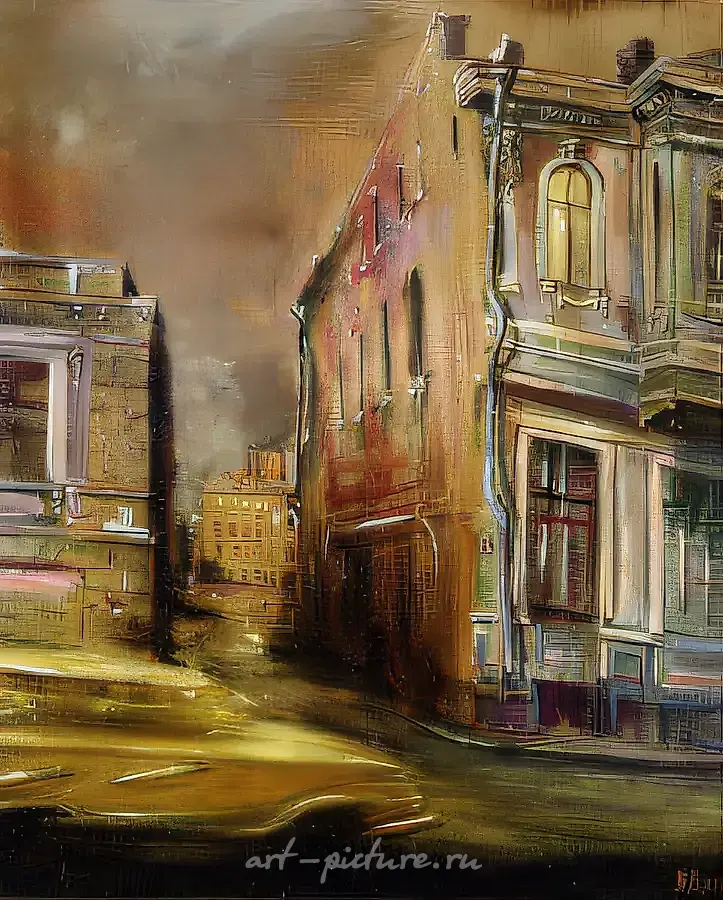
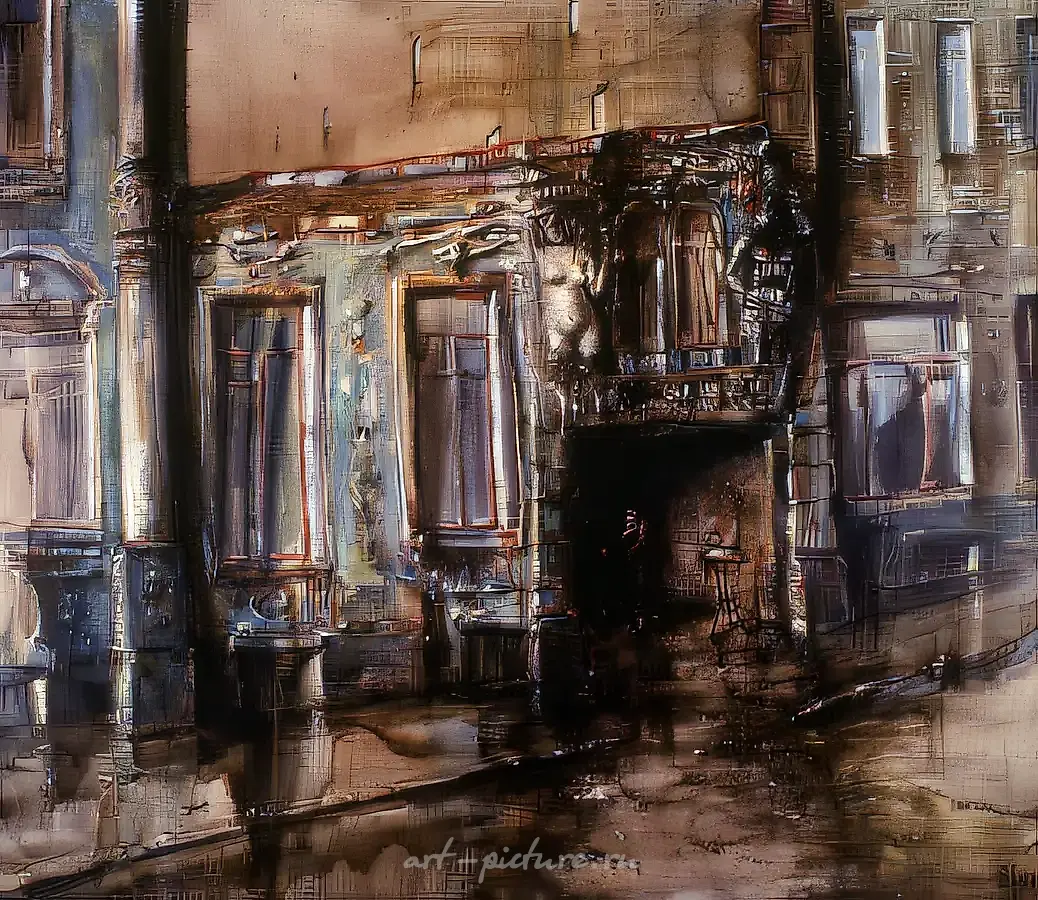
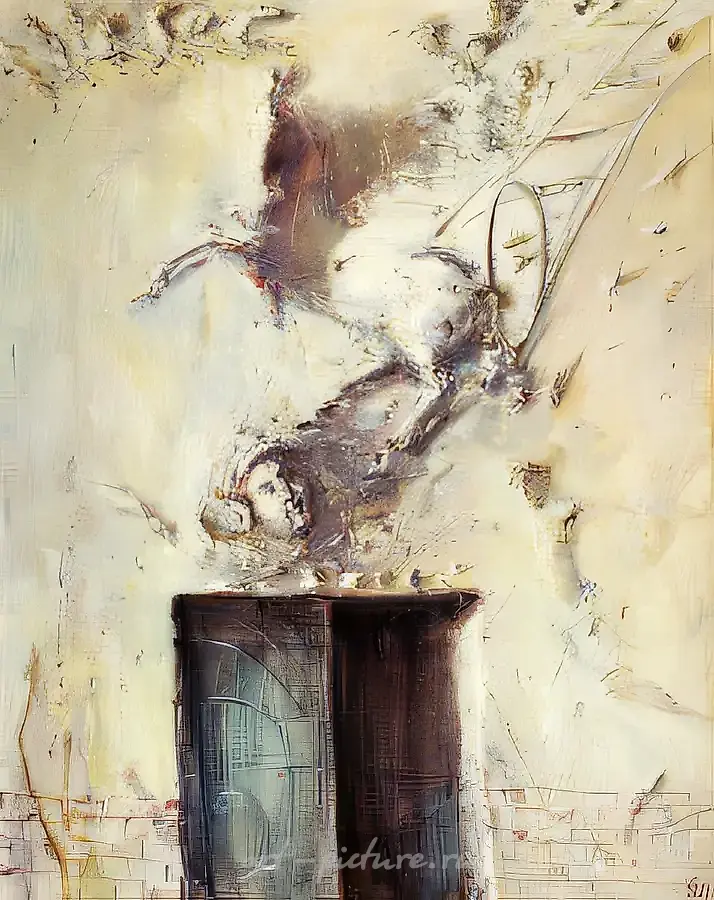
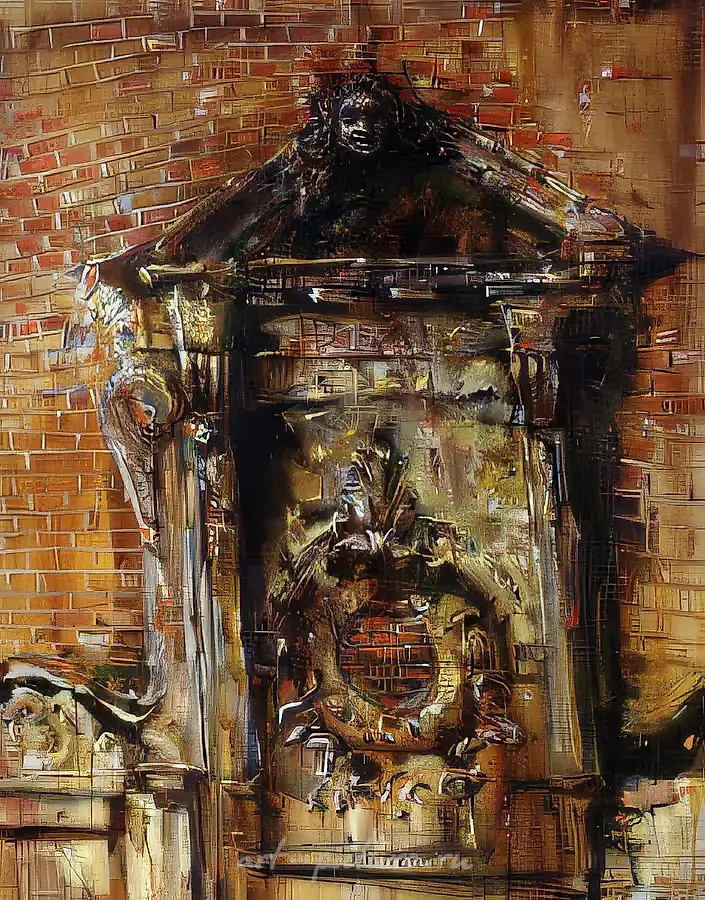
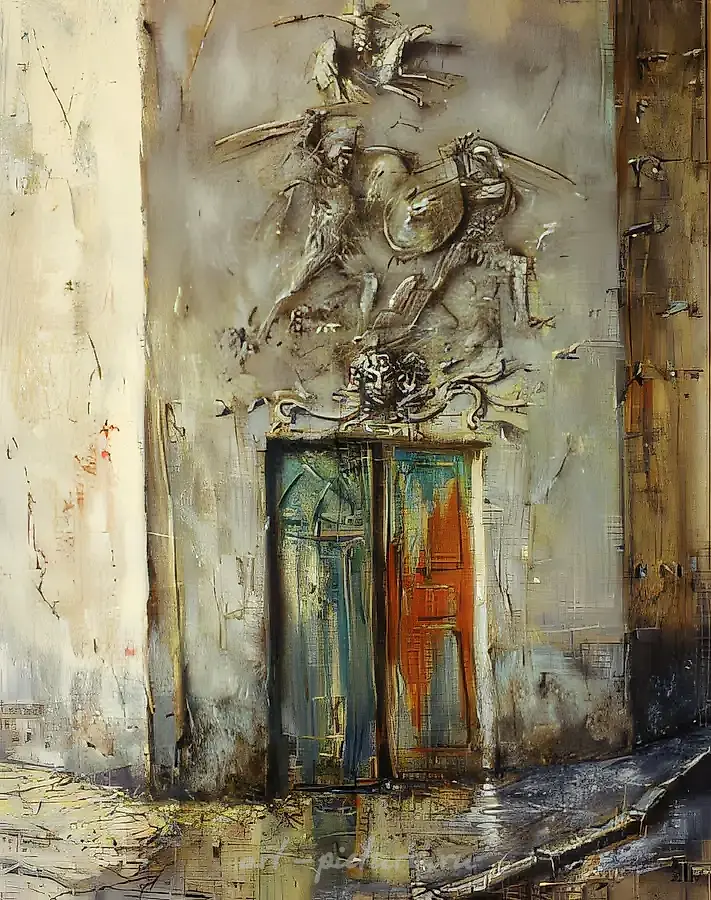
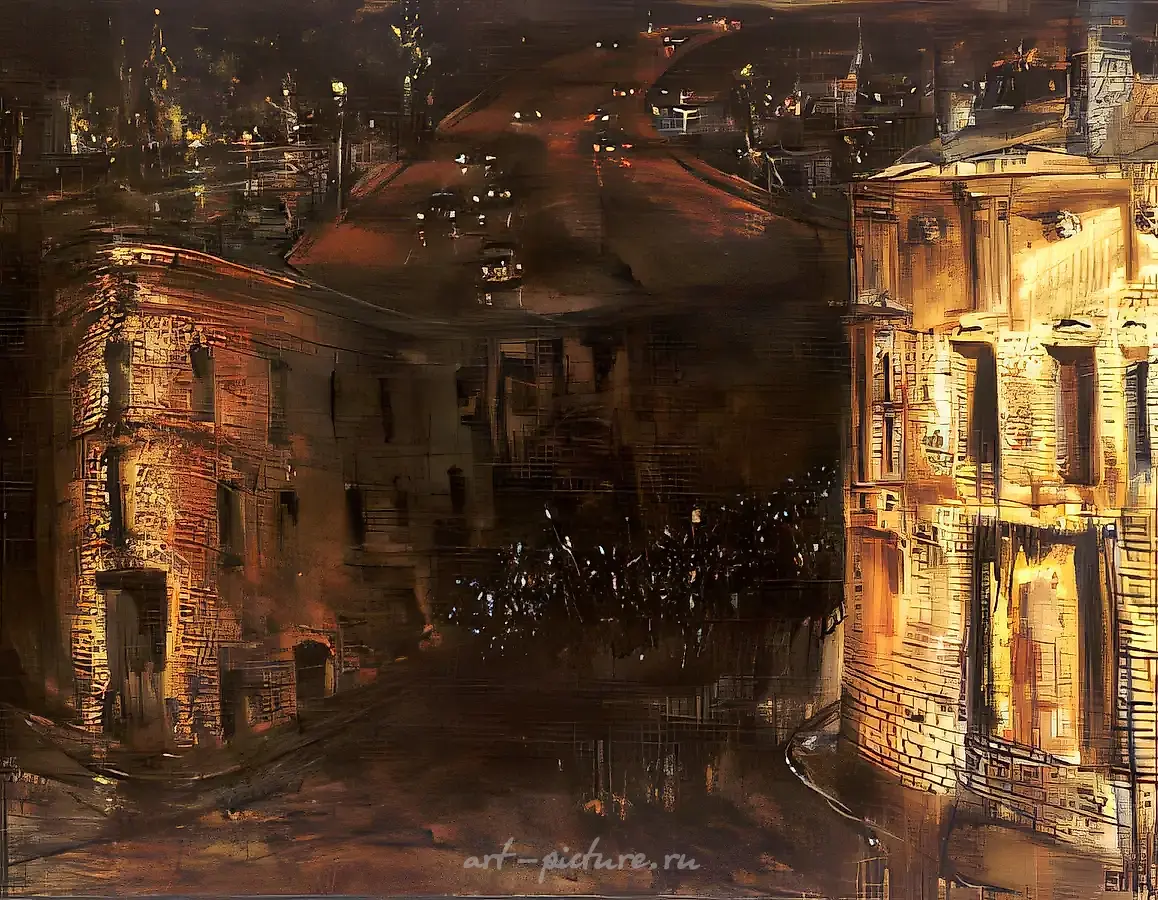
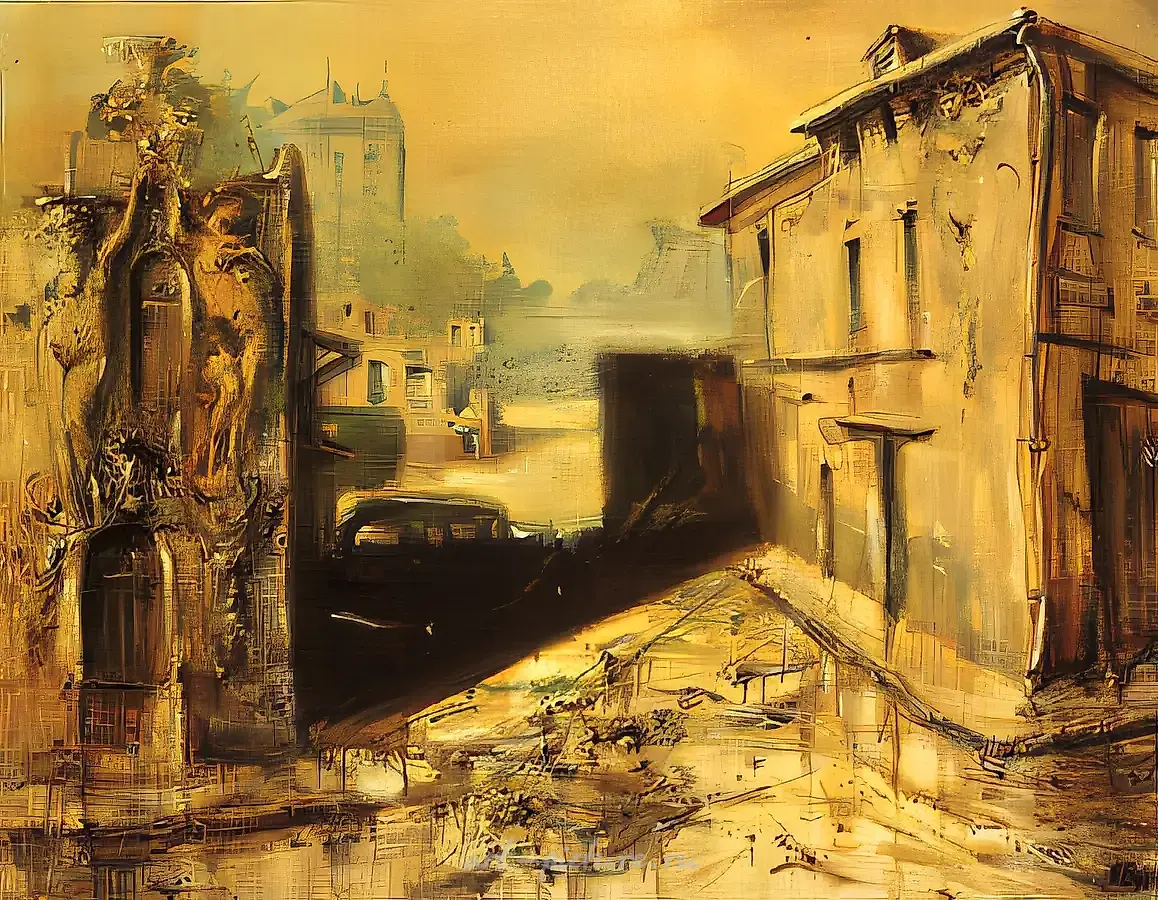
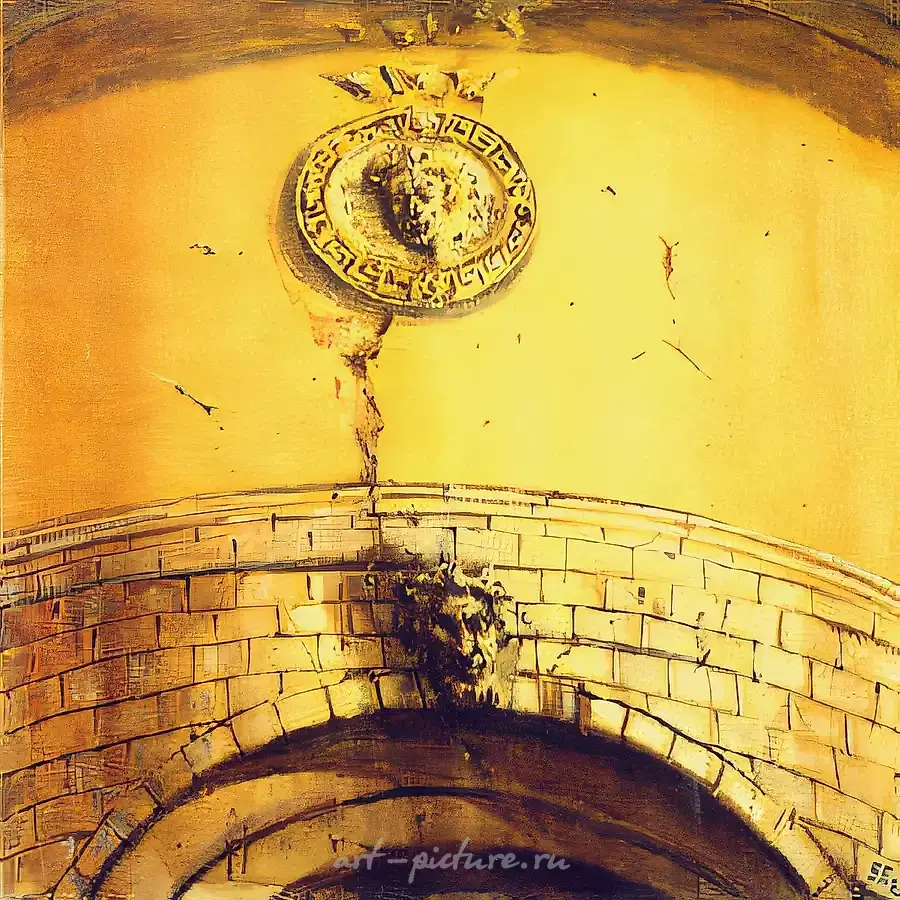
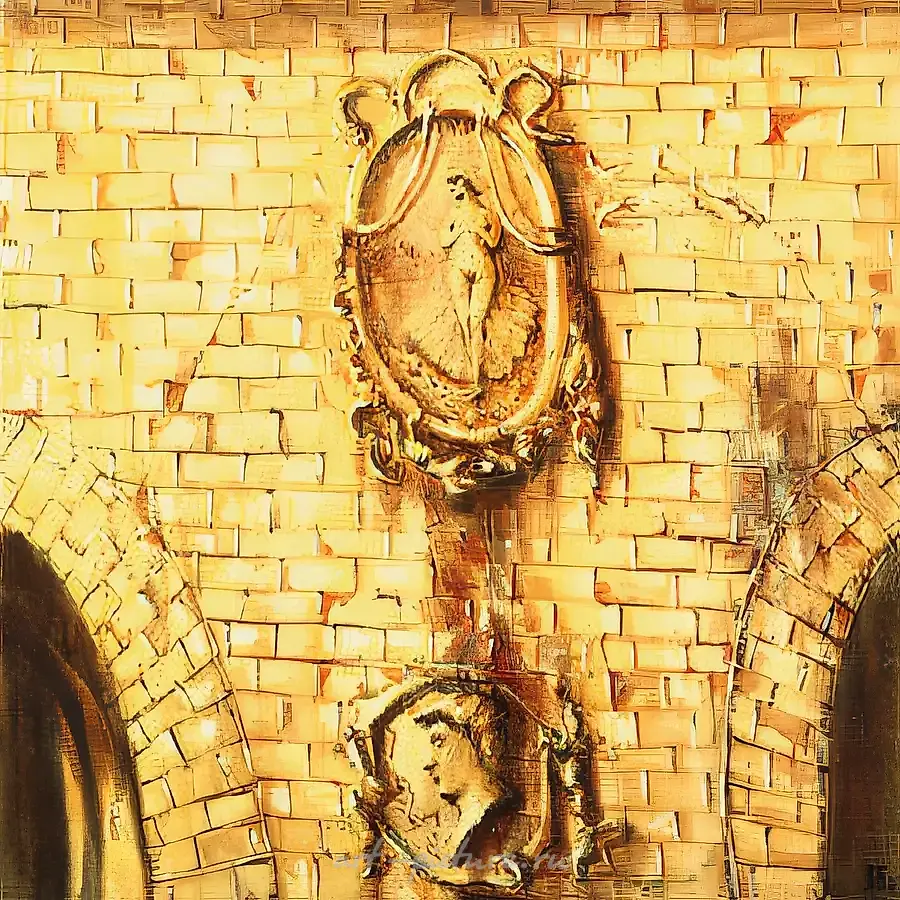
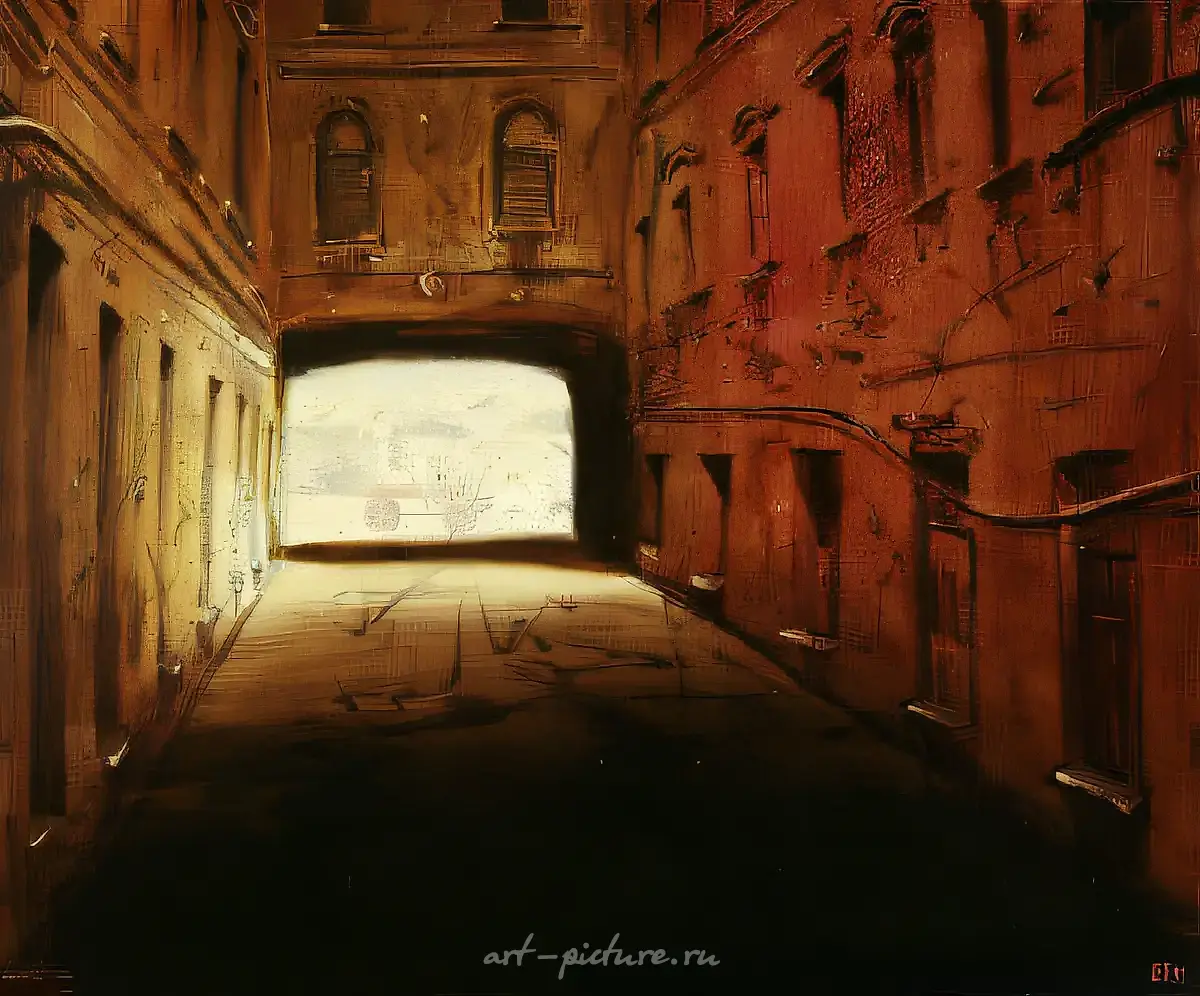
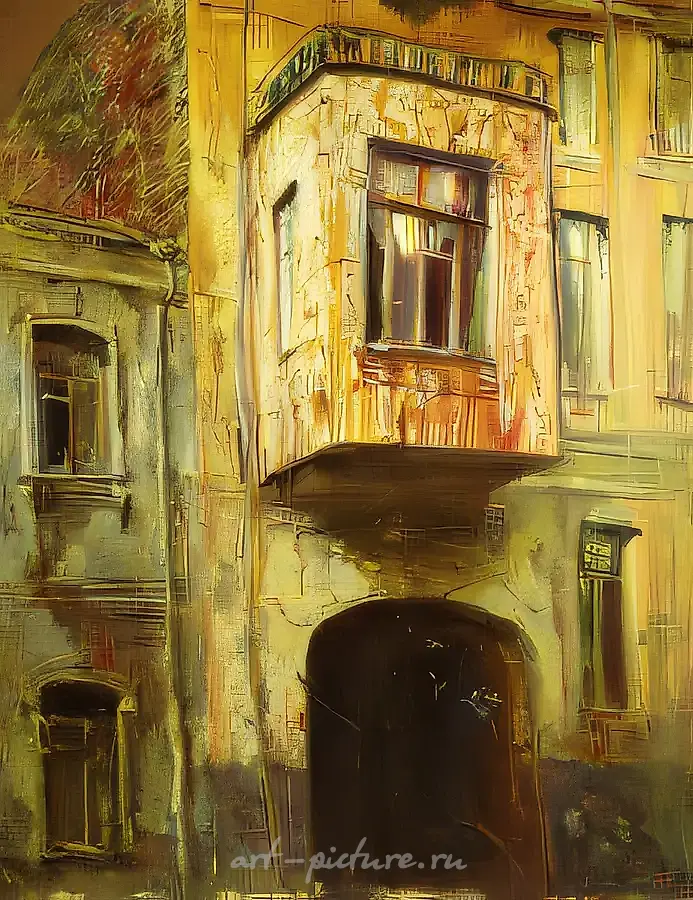
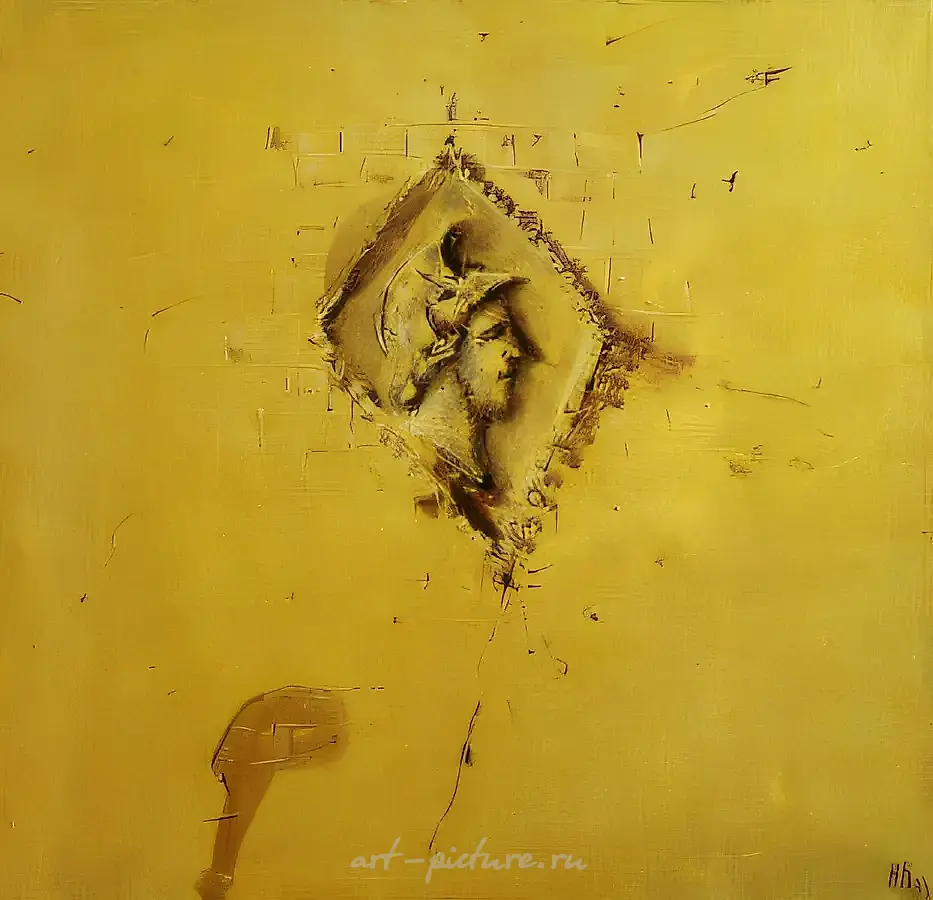
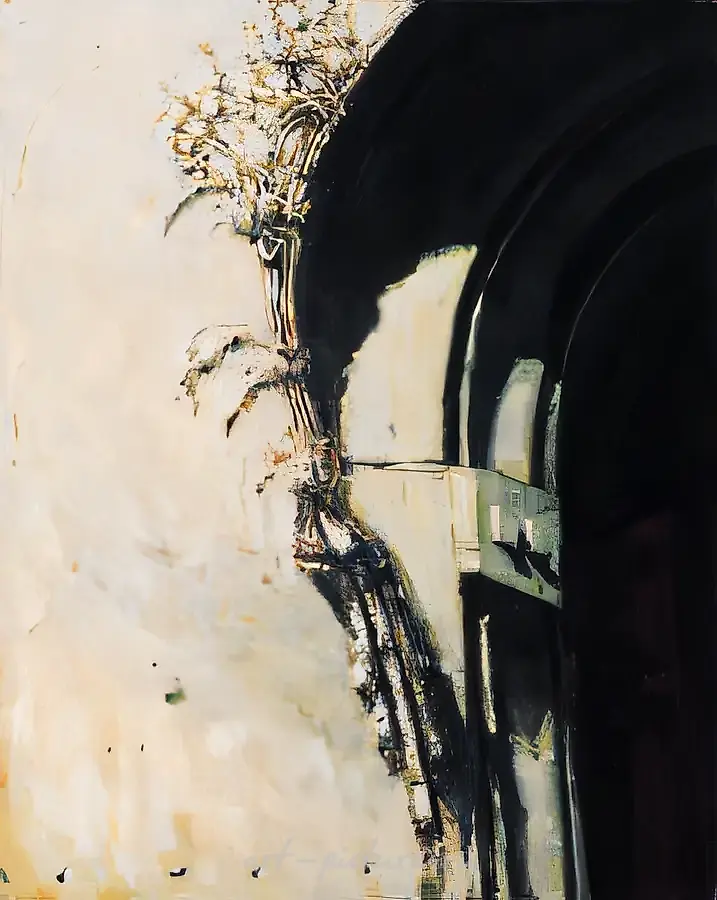
Brainin's paintings possess a strange quality—the space in the image contains the physically tangible substance of another space. A boulevard may lead the viewer kilometers deep from the surface of the canvas; a wall with a bas-relief and a door prevents the viewer from going further than a step behind the paint layer... And at the same time: the boulevard turns into a plan of itself (and also, for some reason, a plan and a cross-section of archaeological excavations felt and heard through the dark shadows of trees and the reflection of lanterns in puddles); and one can enter the wall, dissolving into it (no door needed), and moving forward takes one back decades.
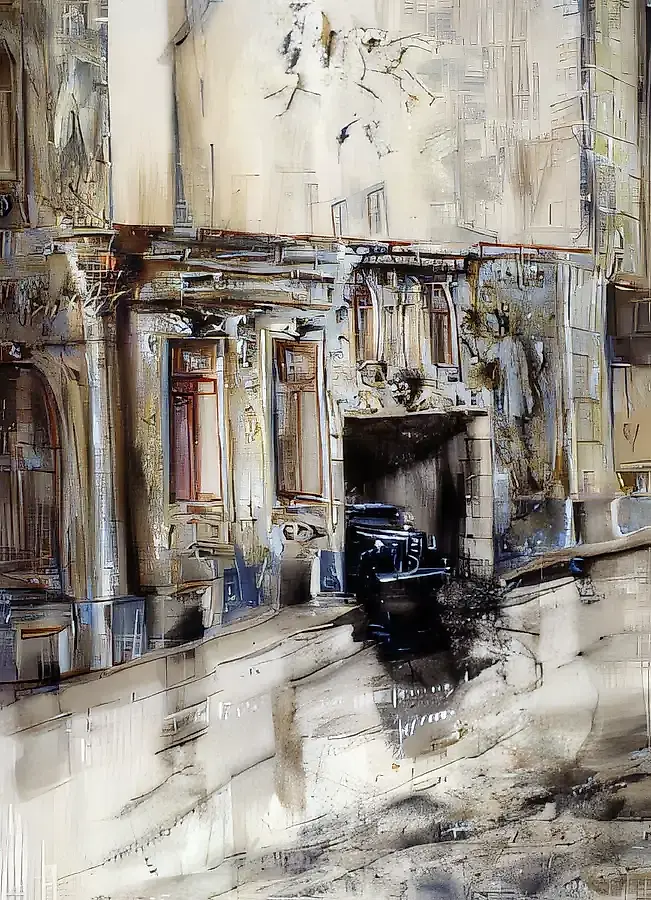
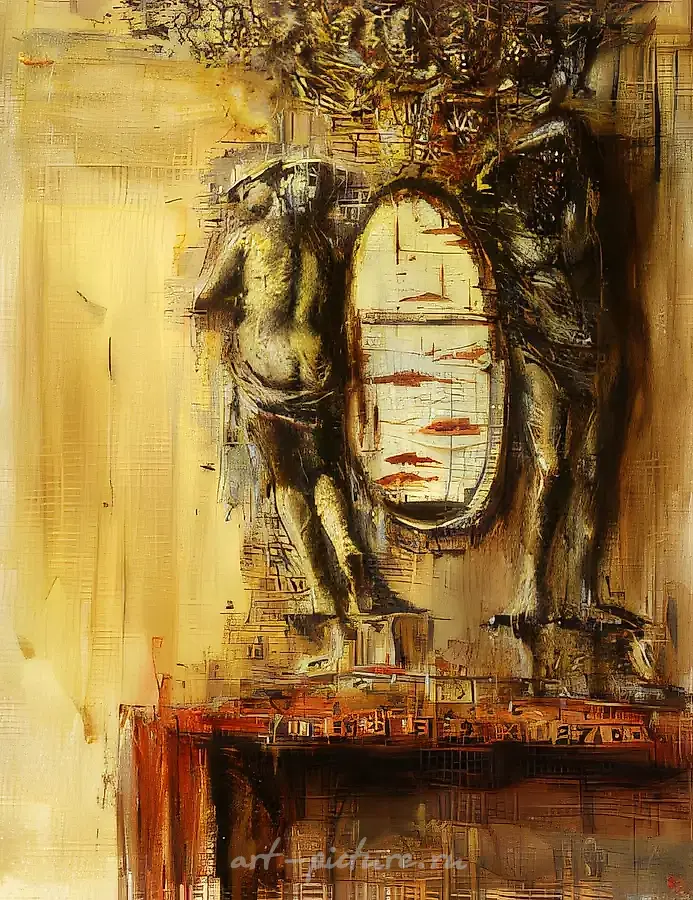
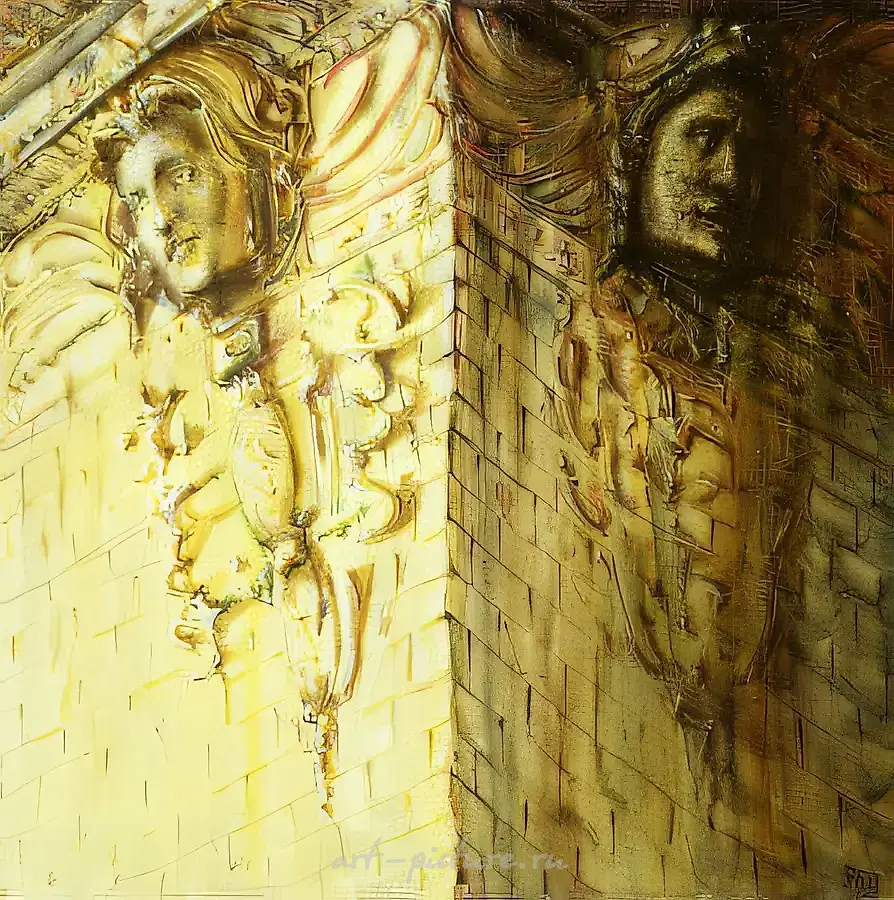
In the 1970s and early 80s, critics and viewers noted the precise experiment conducted by the artist: the familiar outlines of the Kremlin or Trubnaya Square, by the very degree of their recognizability, became equal to semi-imagined houses and alleyways—the City was recognized. Thus, the definition 'master of Moscow landscape' appeared. But at the Belorussky Railway Square, a medieval knight meets a policeman, caryatids almost come to life and, having acquired the likeness of living people, bring us word of their new experiences through fates and walls. The houses break free from topographic context, becoming symbols of the era or specific historical conflicts—deep shadows, cracks in walls, the silent departure of a car from an arch, all date: 1910, 1937, 1953, 1961...
The depth of Brainin's images is the artist's constant combining of assumptions about life, fate, and death in the current field of vision, with his multi-layered virtuoso painting, where glazes physically extend space, reflecting both the artist’s thought and the artistic precision of brushwork: I am an artist.
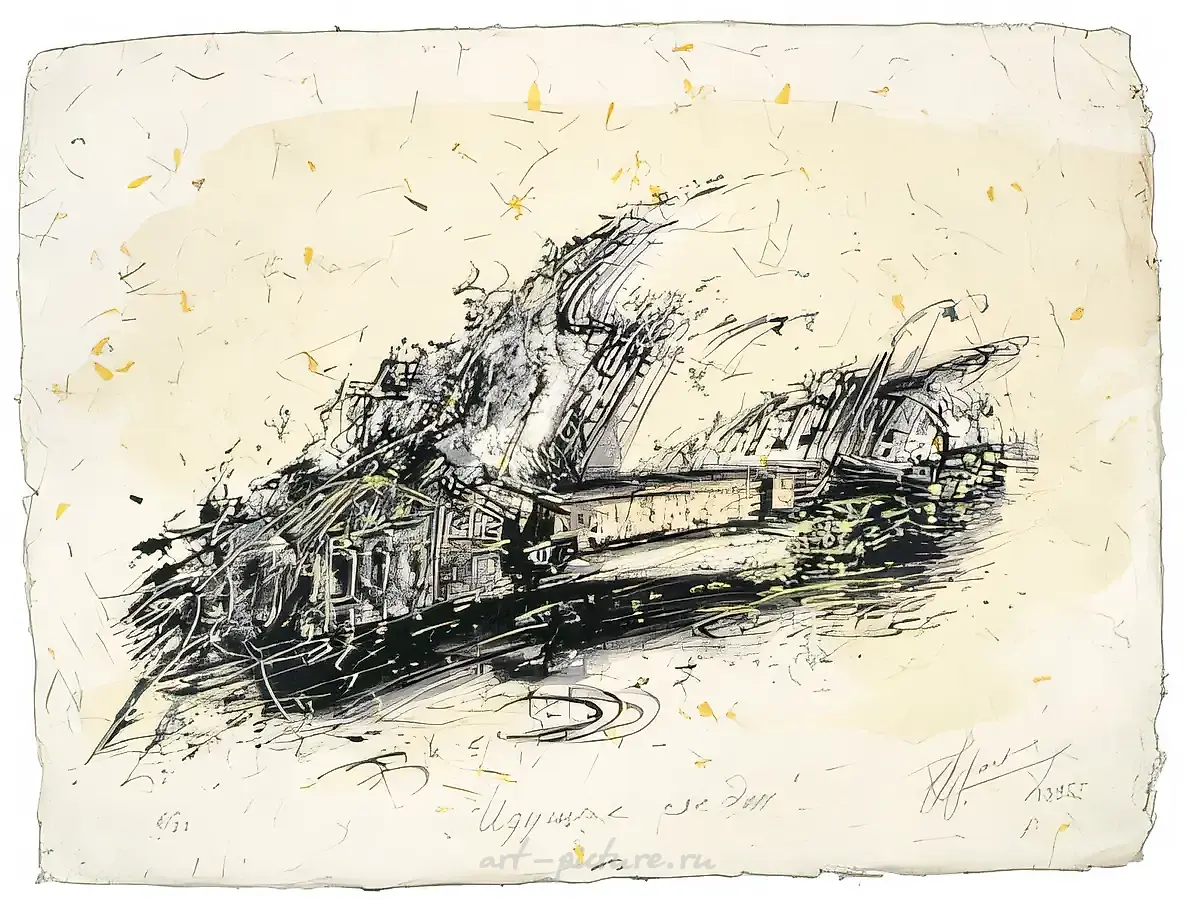
At first, Brainin was noted as a traditional painter. Soon after, he was designated as a model aesthete. Yet, within landscape genre, it became clear that he obviously gravitated toward classical values—from Guardi and Canaletto to Utrillo. So Brainin’s image as a retrospective and traditionalist, an archaic, museum-like artist, was woven. But over time, it became clear that Brainin was not concerned with lyrical topography, but with expressing the city's history, destruction, and the tragedies of those who lived and who have gone.
The aesthetic 'retrospective' fabric of his paintings began to swirl with baroque forms, becoming the language of postmodern half-surrealist reflections.
G. Nikich. Vladimir Brainin. Vladimir Brainin. Ganymed Publishers, Moscow, 1995
Bibliography
V. Meiland, 'Exhibition of V. Brainin and G. Kichigin,' Sovetskaya Zhivopis (Soviet Painting), No. 8, 1986, Moscow;
E. Degot, 'Vladimir Brainin,' Sovetskaya Zhivopis (Soviet Painting), No. 9, 1987, Moscow;
G. Nikich, 'Vladimir Brainin: I was born in 1951,' 1991, Moscow.
Works 17