Anatoly Zhuravlev
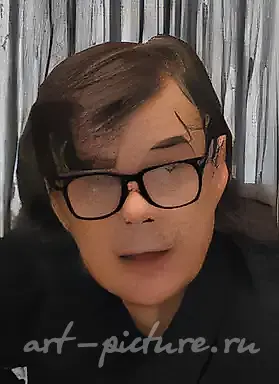
Born in 1963 in Moscow. Lives and works in Berlin and Moscow.
Works in collections
Collection of Contemporary Art of the Tsaritsyno State Museum-Reserve, Moscow; The State Russian Museum, Saint Petersburg; Bank ‘Moskovia’, Moscow; Bank ‘Stolichny’, Moscow; R. Steiner, Erlach, Switzerland; C.Merian Foundation, Basel, Switzerland; M.Muller, Bern, Switzerland; W.Wittrock, Dusseldorf, Germany; P.Sprovieri, Rome, Italy; Duke University Museum of Art, Durham, USA.
Exhibitions and auctions
SOLO EXHIBITIONS: 2008 Black Holes. Urs Meile Gallery, Beijing-Lucerne, Lucerne, Switzerland Unnamed. GMG Gallery, Moscow 2007 China Connection. Urs Meile Gallery, Beijing-Lucerne, Beijing, China 2006 Anatoly Zhuravlev. Charim Gallery, Vienna, Austria 2005 Infra-Thin. 1st Moscow Biennale of Contemporary Art, "Contemporary City" Foundation, Moscow Anatoly Zhuravlev. Urs Meile Gallery, Lucerne, Switzerland 2004 Retrospective. Moscow House of Photography, Moscow 2003 Anatoly Zhuravlev. Aidan Gallery, Moscow 2002 Anatoly Zhuravlev. Charim Gallery, Vienna, Austria; Urs Meile Gallery, Lucerne, Switzerland; Aidan Gallery, Moscow 2001 Schnittbogen (Templates). Gary Tatinsian Gallery, New York, USA Anatoly Zhuravlev. Otto Schweins Gallery, Cologne, Germany 2000 Anatoly Zhuravlev. Urs Meile Gallery, Lucerne, Switzerland 1999 Anatoly Zhuravlev. Aidan Gallery, Moscow 1998 Geschichte. Labor Pixel Grain, Berlin, Germany Handarbeit. Otto Schweins Gallery, Cologne, Germany 1997 Schnittbogen. Urs Meile Gallery, Lucerne, Switzerland Flowers for Moscow. Aidan Gallery, Moscow 1995 Anatoly Zhuravlev. La Base, Centre d'Art Contemporain, Levallois, Paris, France; Show Room Specks Hof, Leipzig, Germany; Otto Schweins Gallery, Cologne, Germany 1994 Anatoly Zhuravlev. Sammlung Rene Steiner, Erlach, Switzerland Ab Realibus ad Realiora. Kunstwerke, Berlin, Germany; The State Russian Museum, Saint Petersburg Anatoly Zhuravlev. New Academy of Fine Arts, Saint Petersburg 1993 Attempt To See. Galerie im Literaturforum Brecht-Ilaus, Berlin, Germany 1992 Anatoly Zhuravlev. Arbeitstraumen des Senators fur Kulturelle Angelegenheiten, Kunstlerhaus Bethanien, Berlin, Germany; Galleria Giorgio Persano, Turin, Italy 1990 Maria Serebriakova and Anatoly Zhuravlev. Inter-Art Gallery, Berlin, Germany
GROUP EXHIBITIONS: 2009 Open House. Mansion - Gymnasium - Clinic - Museum, Moscow Museum of Modern Art, Moscow, Russia Garbage, AFTERGALLERY, projectroom, Moscow, Russia Self-portrait, Moscow Museum of Modern Art, Moscow, Russia Victory over the Future, Russian Pavilion at the 53rd Venice Biennale of Contemporary Art, Venice Excuse me, are you famous? Selected works 1990–2005. Invaliden1, Berlin ... [and so on, list continues with details as in original].
Author about himself
No information available.
Critic
Anatoly Zhuravlev emerged as a prominent figure in the vibrant Moscow art scene of the late 1980s with his famous performance in which he voluntarily confined himself with a television in an air-filled plastic tube. Thus, already in 1988, Zhuravlev defined the main vectors of his aesthetic: an interest in the world of mass communications and the study of issues of reception of reality, given to us not in direct experience, but in the endless variety of mediated forms: from a transparent film separating the subject of perception and reality, to antique photographs whose perception depends primarily on layers of cultural memory. In the early 1990s, Zhuravlev created a series of photo portraits of ancient heroes, produced by superimposing slides with portraits of various characters. The resulting image appeared as a new hyperreality, corresponding more to our perception of history, distanced not only by the physical factor of time but also by those cultural, historical and social myths through which we perceive history.
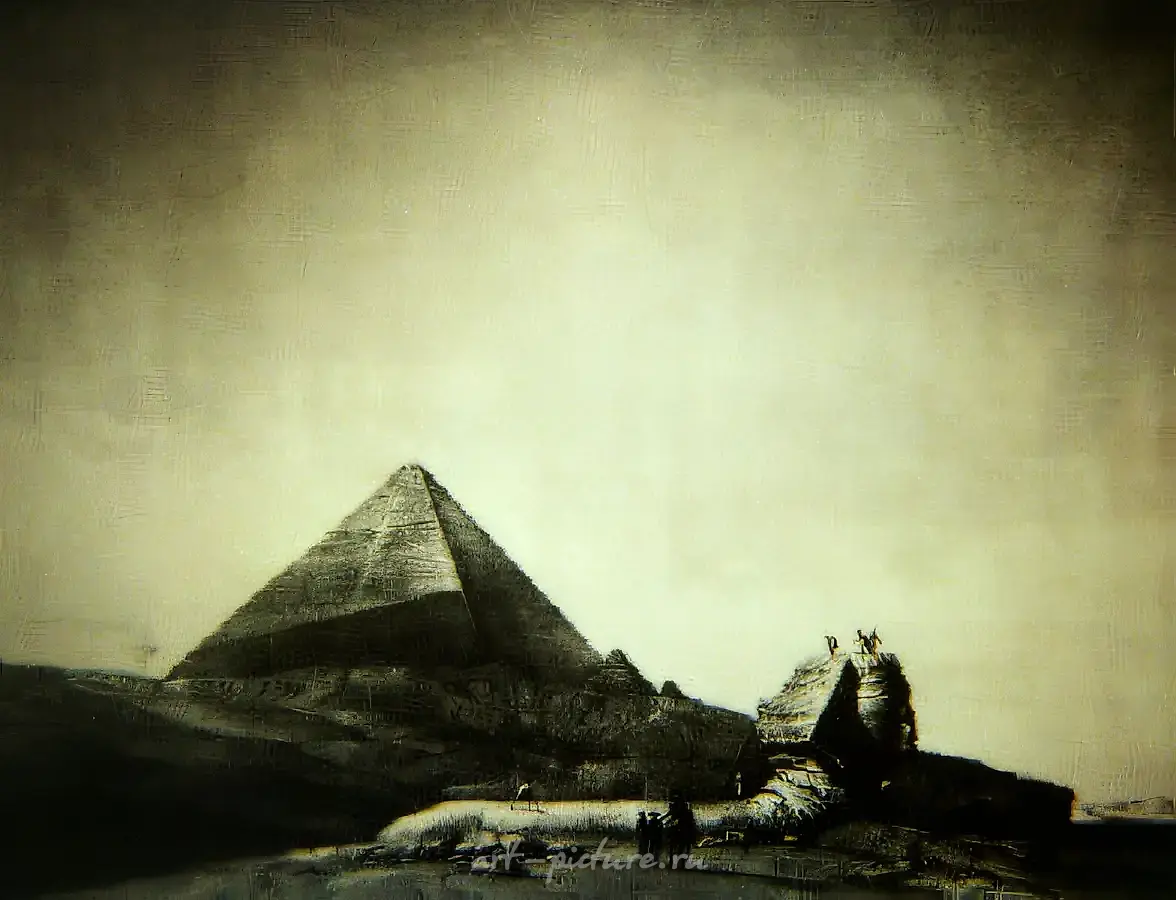
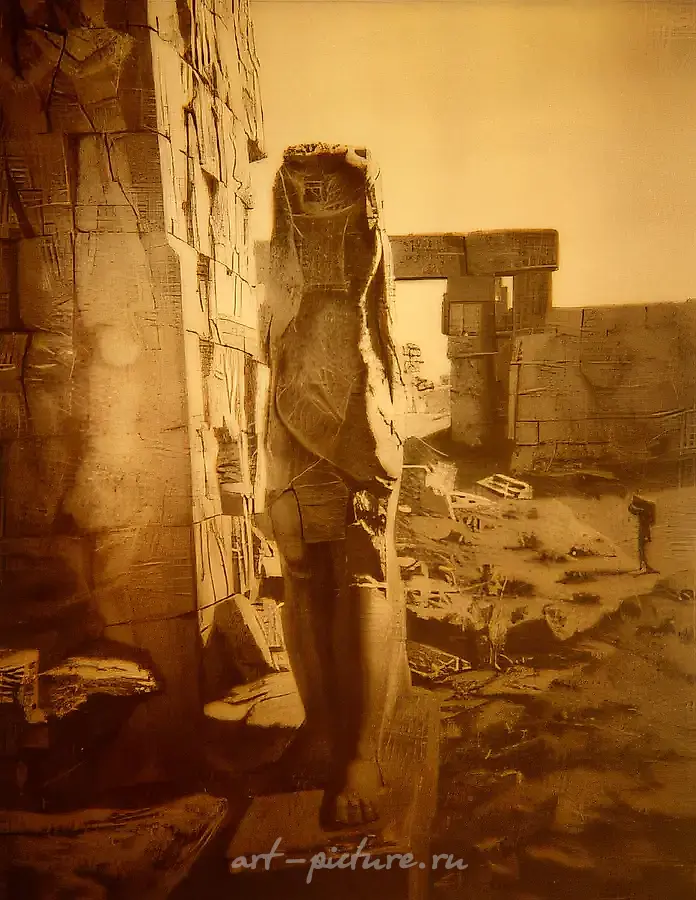
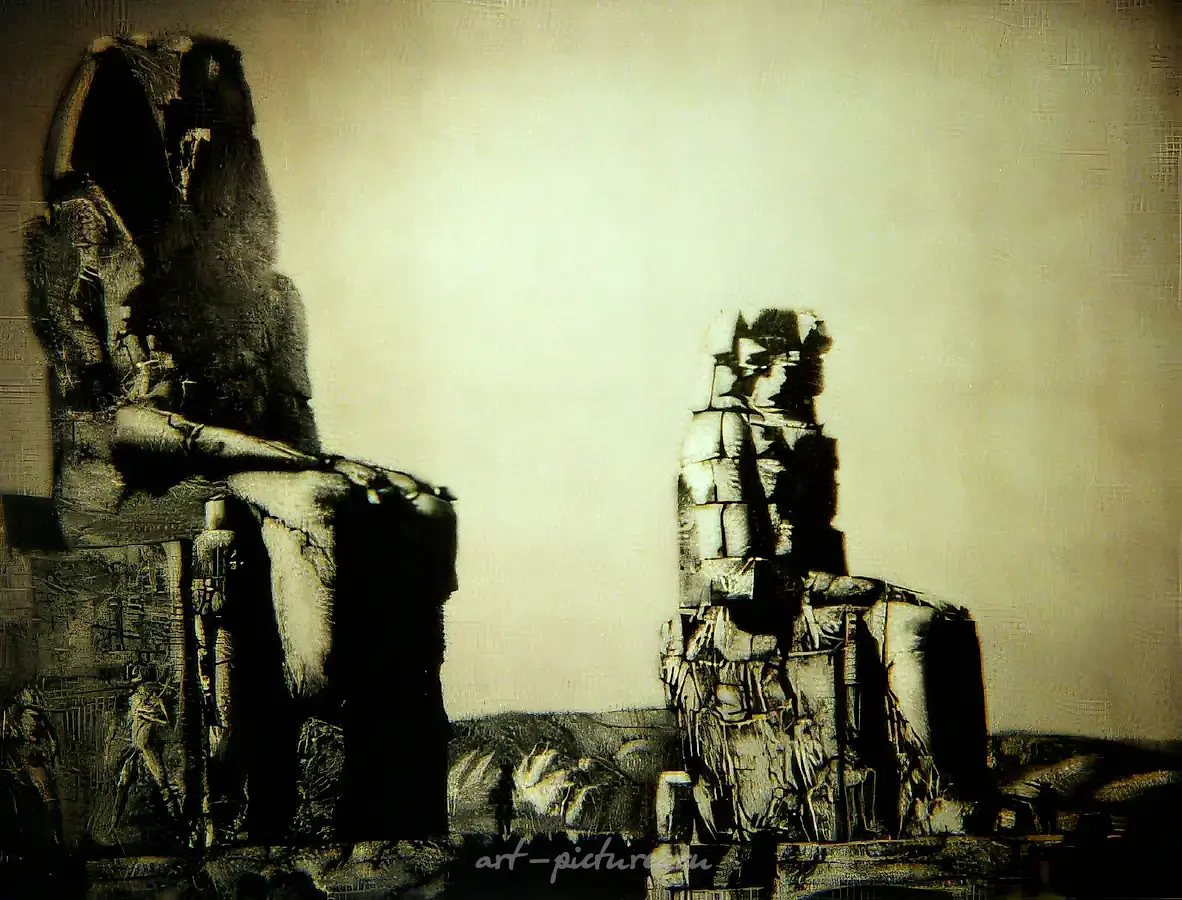
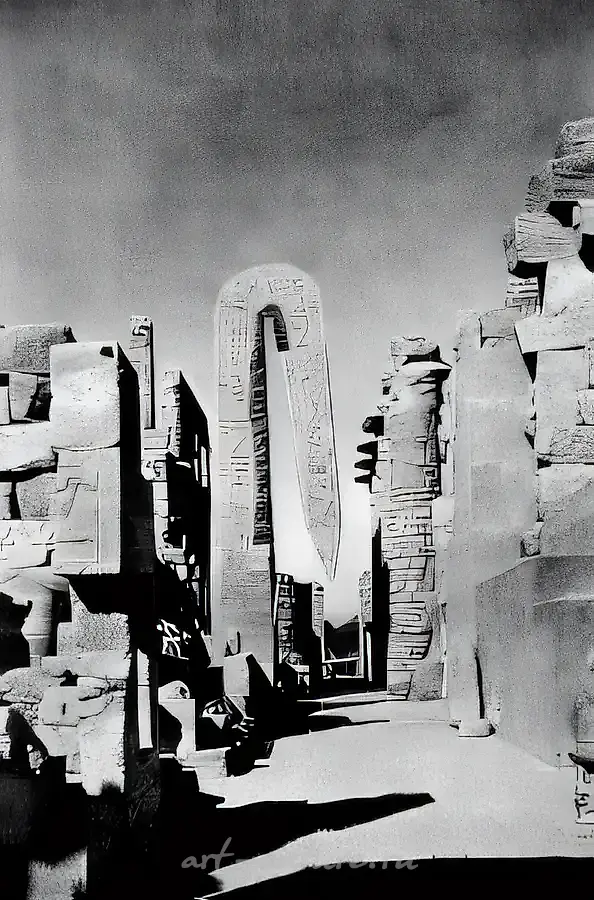
“The one who is born last will write history” – this line from Alexei Parshchikov's poem 'Poltava' could serve as an epigraph to Zhuravlev's series 'Impossible Photographs': ‘Egypt at the end of the 18th century, photograph from 1992’, ‘Rome during the time of Emperor Constantine, photograph from 1996’, ‘Brazil at the beginning of the 19th century, photograph from 1995’. These works are based on old engravings made in an era when photography did not yet exist. Through various reshooting techniques and fine-tuned computer processing, the artist achieves the effect of photodocumentarity, questioning the very notion of 'objective testimony'.
He uses a similar technique in his 'Apostles' series, creating photographic portraits based on medieval wooden sculptures. In this series, as in 'Impossible Photographs', Zhuravlev continues to demystify the idea of photography as documentary evidence. Later, using photography, the artist explores and desacralizes our notion of the existence, meaning, and purpose of painting itself. Having demonstrated the conditionality of our ideas about the history of art—including painting and photography—Zhuravlev in recent years has analyzed the transformation of our perceptions of reality in the era of mass communications. The conceptual articulation of Zhuravlev's works, combined with the elegance and sophistication of his pieces, allows us to see his art as a significant phenomenon in the development of contemporary Russian and European art.
Olga Sviblova
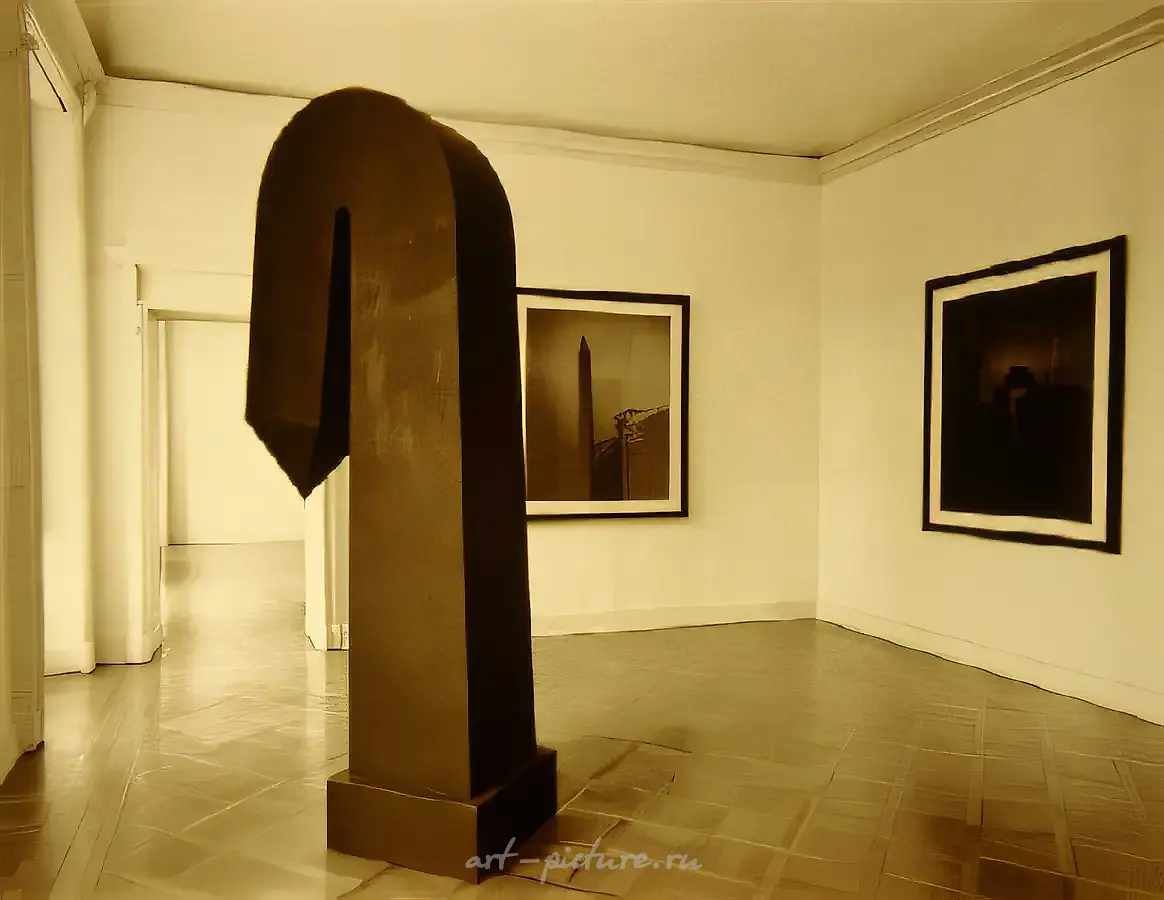
We can call Anatoly Zhuravlev a long-distance runner. He has been visible on the contemporary art scene since the mid-1980s and for almost 20 years has moved between Berlin and his native Moscow. In the beginning, Anatoly was interested in the semiotic analysis of words and text. In his early paintings, objects and installations, he explored the question of 'truth', representation, certainty and definition. Then, at the beginning of the 1990s, a major shift occurred—Anatoly began to work with photography, exploring the perception of the image through technical means. For example, he photographed 19th-century engravings created by Western ethnographers during their expeditions around historical sites in Egypt or the rainforests of Brazil. The artist's phototechnical processing made the engravings disappear into a diffuse 'photographic' representation of these places at a time when, technically speaking, photography did not exist ('Impossible Photograph'). At the same time, the artist is confident in the ideological meaning of the impressions obtained by foreign researchers during their expeditions. In this sense, the images they produced function as a portrait of 'the other'.
Anatoly continued to investigate these aspects of 'the politics of representation' in many other photography-based projects. Miniature c-prints measuring 10 by 8 mm or 10 mm in diameter became his hallmark in this process. The small prints were mounted on plastic cubes and installed on walls in large numbers and various formations. Usually, the prints depicted images the artist photographed with an analog camera from magazines, television, films, and the Internet. Whatever one could see and recognize in these miniature photos was left to conjecture. Even though we could identify certain celebrities, landscapes, objects, and even parts of human bodies, it was virtually impossible to reach accurate conclusions about the photographic details. The perception of the miniature photo project was indistinguishable from the process of watching television and imitated channel surfing, where we perceive the image as a whole without lingering on details. In an abstract sense, this specific way of perceiving an artwork or the mediated world can be compared to our perception of the world as a whole.
In the 'Black Holes' project, Anatoly continues with the same subject, transforming the aspect of perception of the world into a confrontation between photography and painting. The work represents a total installation in a space whose walls are covered with formalist streaks of black paint reminiscent of painting of the 1950s. From a distance, the wall painting appears as an abstract structure—a kind of world since it surrounds us on all four sides. On closer inspection, in the center of every black paint spot are tiny round photographs, 10 mm in diameter, depicting a multitude of historical figures from Gandhi to Einstein and from Madonna to Obama, all those strange people who changed the world. As the distance increases, the spots of black paint begin to function as cosmic black holes, absorbing the photographs with their energy. In this sense, Zhuravlev creates a world that is no longer whole but appears only through details—a world that has the qualities of not a universal cosmos but a fragmented universe.
Kathrin Becker on Anatoly Zhuravlev’s 'Black Holes'
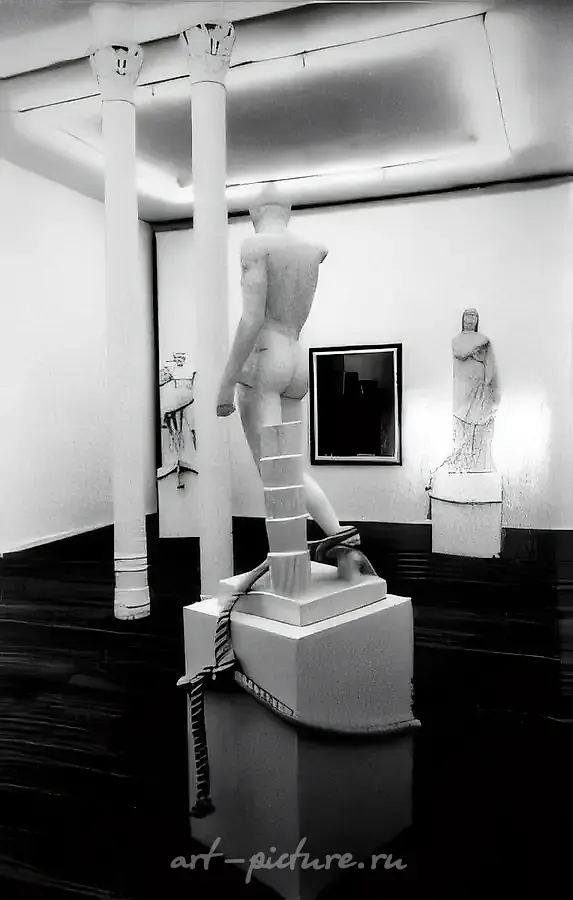
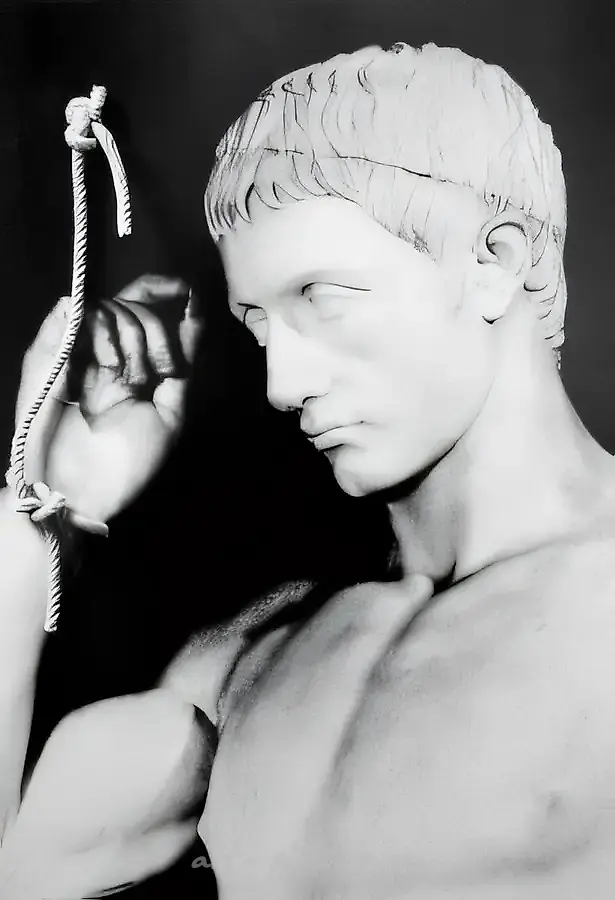
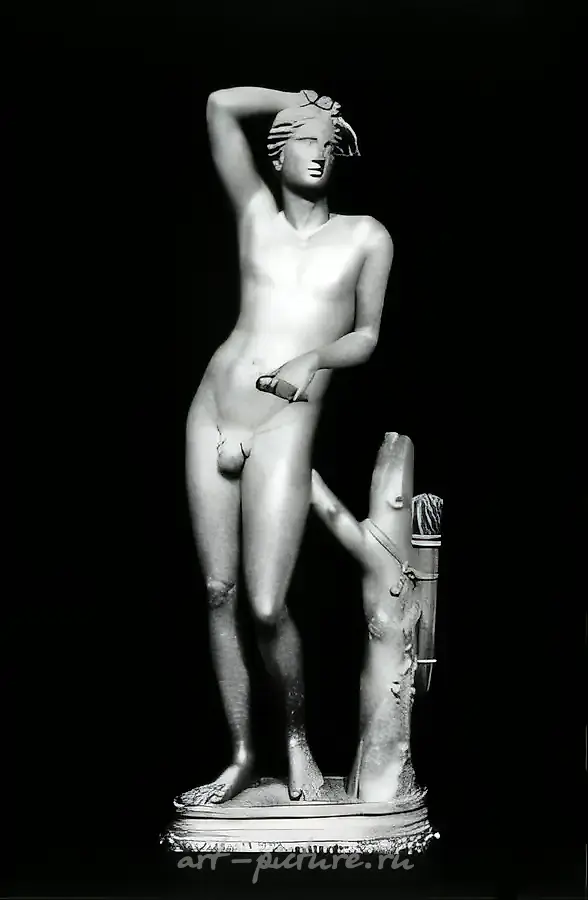
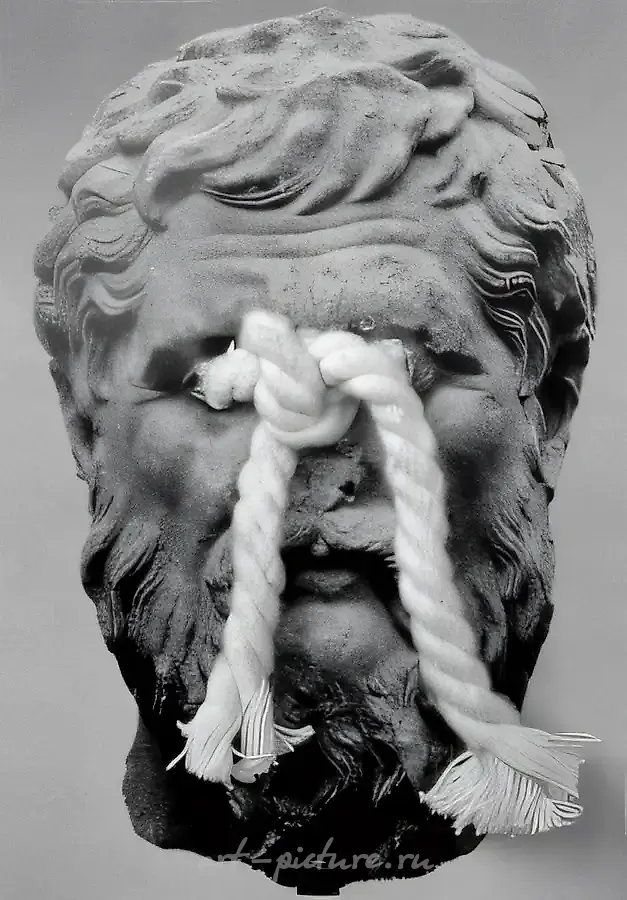
Anatoly Zhuravlev's c-print series entitled 'Ab realibus ad realiora' ('From the Real to the More Real') is a collection of images of antique statues in a classical ochre palette, but with blurred contours, as if the sculptures emerge from the haze or dissolve into it. The artist brings the indistinctness of the image to the point where the object itself—the statue—becomes difficult to discern. The photograph seems to capture not the sculpture itself but the shadow that has replaced it, the atmospheric boundary of the marble body. In the European tradition, the shadow is an attribute of a living being; its loss equals the loss of individuality, that is, of life. A shadow separated from its owner/body becomes a ghost, affecting the senses but elusive. The networks and laws of this world cannot capture the mysterious, elusive nature of the shadow, and therefore it is endowed with the magical power to cross physical boundaries and, with its strange lifeless vitality, to confound our notions of the real, visible and existent, which are inherent to common sense.
The discourse on shadows, going back to antiquity, is always associated in European culture with crossing the boundary, the fateful line separating the real from the more real. Crossing the boundary is an act of embodiment or loss of the flesh—a process of transformation of the spirit, which is not yet—or is no longer—endowed with the body, not provided with plastic articulation. Art serves as a mediator at this boundary, which is almost directly registered in Zhuravlev's photographs. The theme of crossing the boundary is important, as seen in the title 'From the Real to the More Real,' that is, from the developed and rooted tradition of description and knowledge of the real to unconscious and extrasensory experiences.
E. Andreeva. Excerpt from article in the catalog ‘Anatoly Zhuravlev’ exhibition 'Ab Realibus ad Realiora', Kunstwerke, Berlin, Germany; State Russian Museum, Saint Petersburg, 1994
Works 9