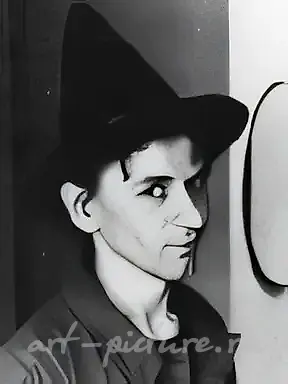
Konstantin Viktorovich Zvezdochetov
1958 Born in Moscow
1976 - 1981 Studied at the Moscow Art Theatre School-Studio (Stage Design Faculty)
1978 Member of the group 'Doubling-2'
1978 - 1984 Co-founder and member of the group 'Mukhomor'
1982 One of the organizers of APTART
1986 - 1988 Together with G. Abramishvili initiated the creation of the 'World Champions' group
1986 Founding member of the Avant-Garde Club (KLAVA)
Since 1993 Member of the Moscow Union of Artists
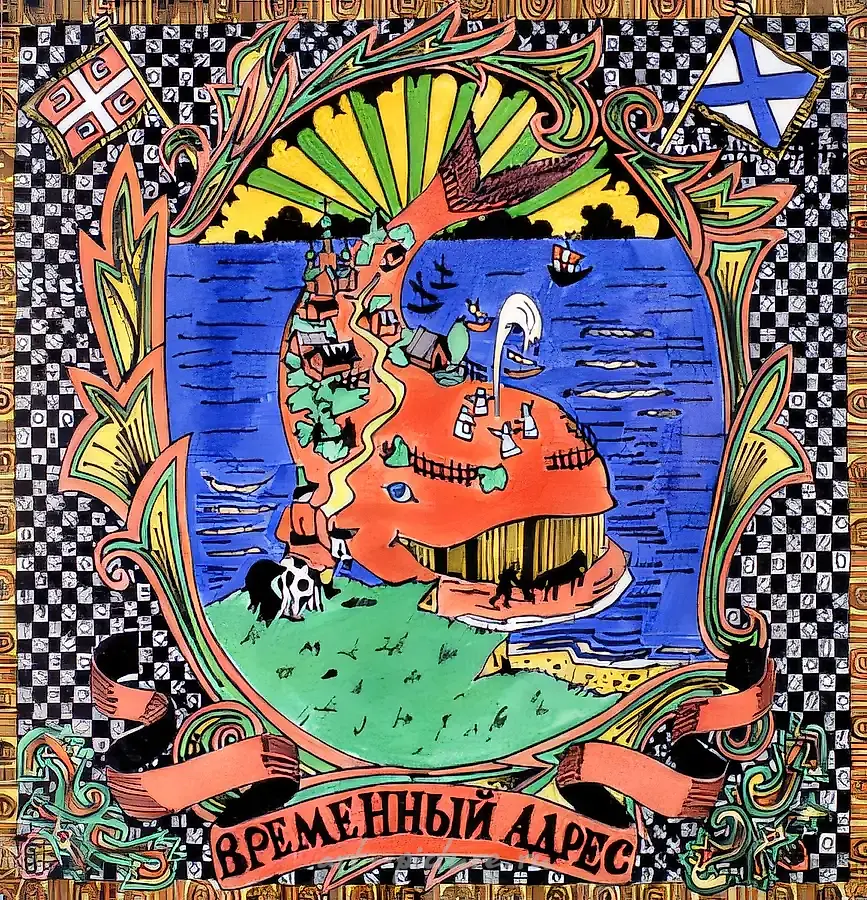
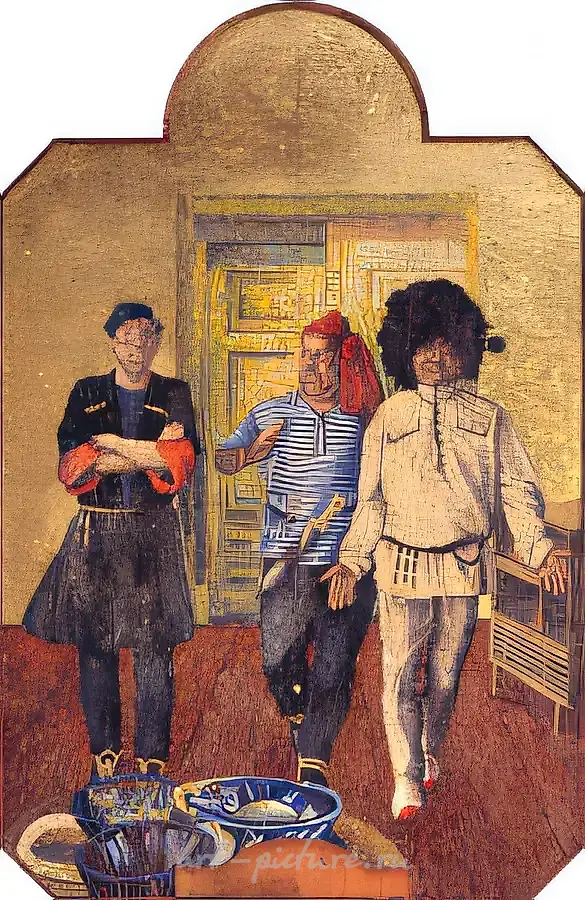
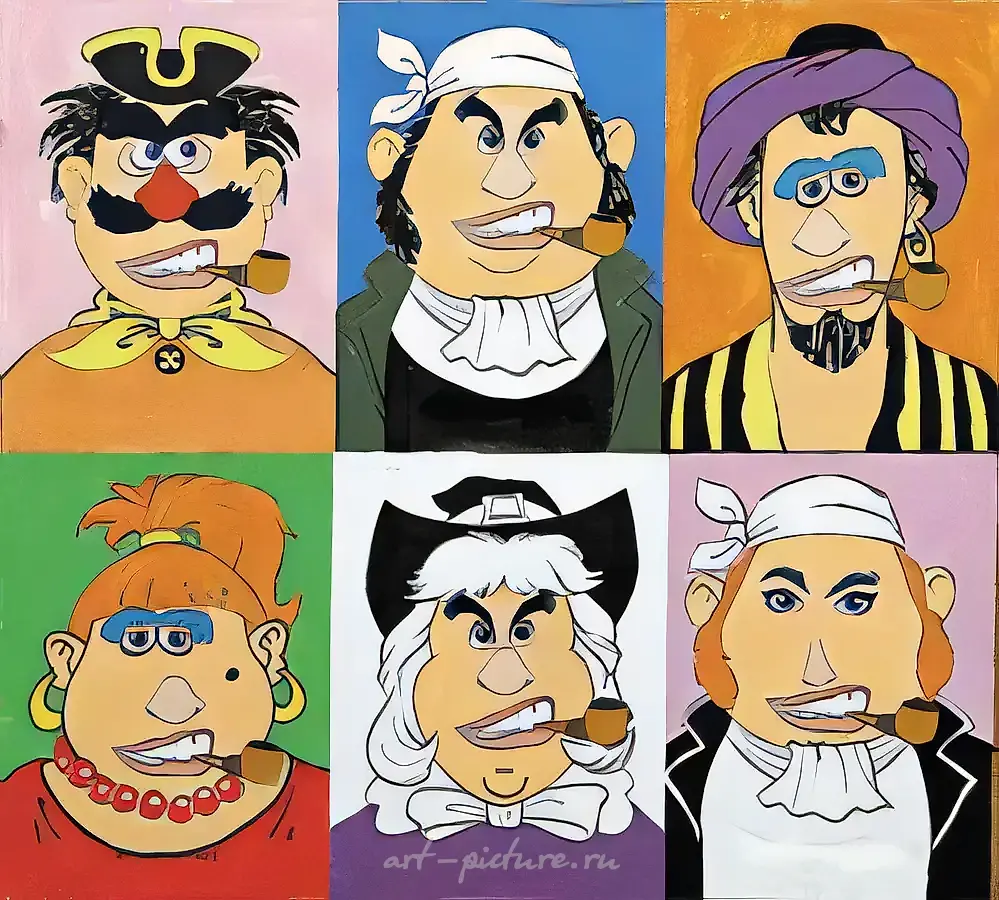
1994 Participant in the group 'Sea of Sailors'
Publisher of the literary-artistic almanac 'Night Life'
Lives and works in Moscow
Works in collections
Collection of Contemporary Art, State Tsaritsyno Museum-Reserve, Moscow
Luigi Pecci Museum, Prato, Italy
Mucsarnok Museum, Budapest, Hungary
Norton and Nancy Dodge Collection, Zimmerli Art Museum, Rutgers University, New Brunswick, USA
Duke University Museum of Art, Durham, USA
L. Talochkin, Moscow
D. Gori, Santo Mato, Italy
Regina Gallery, Moscow
P. Halonen, Helsinki, Finland
E. Golovleva, Moscow
Private collection, Riga, Latvia
P.-G. Carini, Florence, Italy
Art4.ru Museum
Exhibitions and auctions
SOLO EXHIBITIONS:
2009 Normal Civilization, XL Gallery, Moscow
2007 Hello, Dear Boltansky, or Lamps and Faces. Paperworks Gallery, Moscow
2006 Hello, Dear Boltansky! D137 Gallery, St. Petersburg
2005 Losses. XL Gallery, Moscow
Woman and Hell. Art-Strelka Cultural Center, Moscow
2004 At Work. XL Gallery, Moscow
Konstantin Zvezdochetov. Vitrina Gallery, Moscow
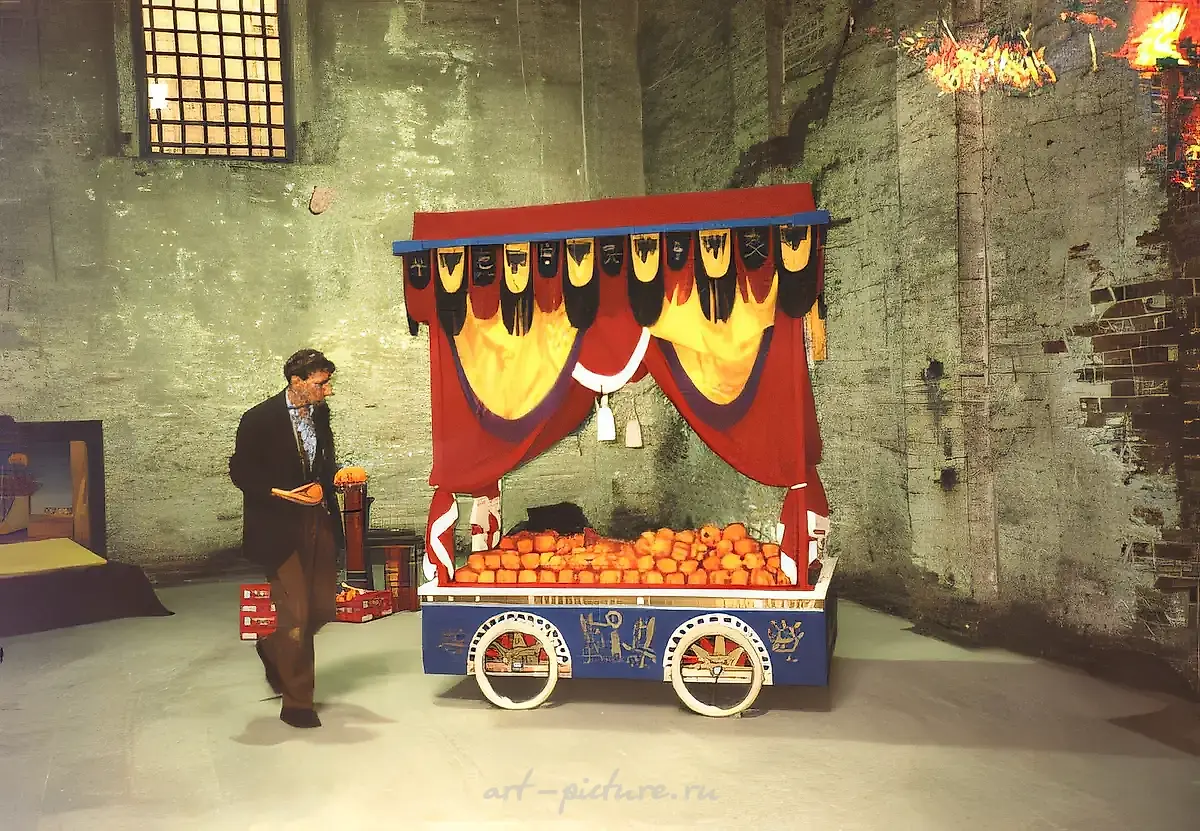
2003 Returning of the Artist (with Alexander Vinogradov, Vladimir Dubossarsky, Valery Koshlyakov, and Sergey Bratkov). 50th Venice Biennale, Russian Pavilion, Venice, Italy
2002 Palinton-2/Critical Opera. XL Gallery, Moscow
The Infernal Pain of Monsters, or The Years of Your Time. W.A.M. Gallery, Moscow
2001 Bite. Central House of Artists, Moscow
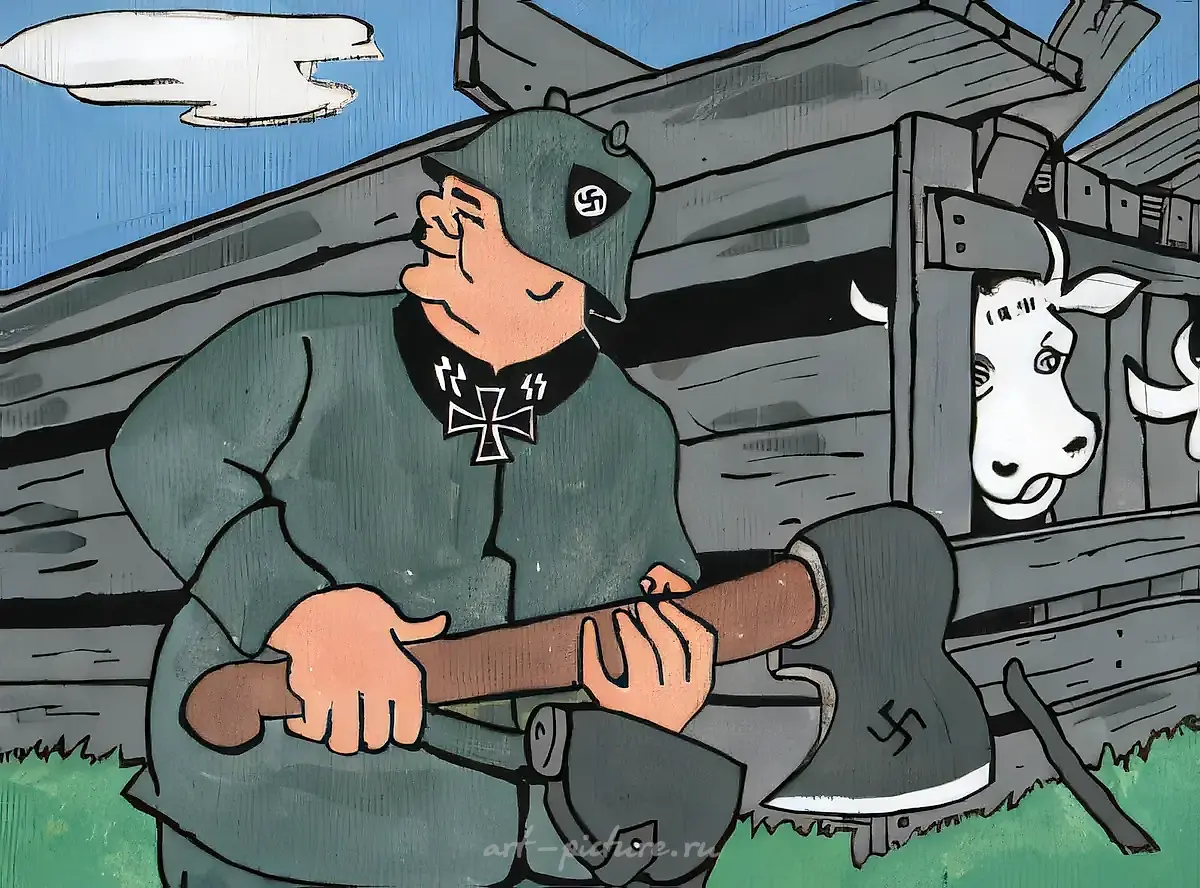
2000 Gestapo Collective Farm. XL Gallery, Moscow
1998 One - Potato, Two - Potato... XL Gallery, Moscow
Nutrition Institute or Zoo Garden. Moscow Fine Art Gallery, Moscow
1997 Erotica Destroys Consciousness (with L. Borisova). XL Gallery, Moscow
You Are What You Eat. Marat Gelman's Gallery, Moscow
1996 Night Beuys or Non-Russian Boys (with S. Epikhin). XL Gallery, Moscow
Babtsy Fakosy. XL Gallery, Moscow
Diligence (with Georgy Litichevsky). Spider & Mouse Gallery, Moscow
Unforgettable (with Yuri Shabelnikov and A. Aronov). Exhibition Hall on Solyanka, Moscow
1995 For Those Who Chose Pepsi. XL Gallery, Moscow
1994 Artists to the Subway Builders (with Y. Neprintsev). Regina Gallery, Moscow
1992 Le vieil écho (with Larisa Rezun-Zvezdochetova). Musée d`Art Moderne et Contemporain, Geneva, Switzerland
Dharmendra. L-gallery, Moscow
1991 Sangria di artista. Carini Gallery, Florence, Italy
Knowledge Day (with the E.T.I. movement). Regina Gallery, Moscow
1982 Painting Exhibition. APTART Gallery (N. Alekseev's Apartment), Moscow
1983 Decorator and Life. APTART Gallery (N. Alekseev's Apartment), Moscow
1984 For the Soul and the Body (with N. Alekseev). APTART Gallery (N. Alekseev's Apartment), Moscow
GROUP EXHIBITIONS:
Extensive participation in prominent Moscow and international exhibitions from the late 1970s to 2008, including Central House of Artists, Tretyakov Gallery, Moscow Museum of Modern Art, Venice Biennale, La Maison Rouge (Paris), Moderna galerija Ljubljana (Slovenia), Hamburg Kunsthalle, Centre d'art contemporain Geneva, Museum van Hedendaagse Kunst Antwerp, and participation in a range of influential collaborative projects.
Author about himself
Please consider that I am much better than my works and only bear partial responsibility for them. Therefore, I beg you! Please understand and forgive me! I promise that henceforth, through honest and diligent work (in the cause of strengthening national culture), I will completely atone for my guilt.
Sincerely yours, K. Zvezdochetov. March 27, 1996
Critic
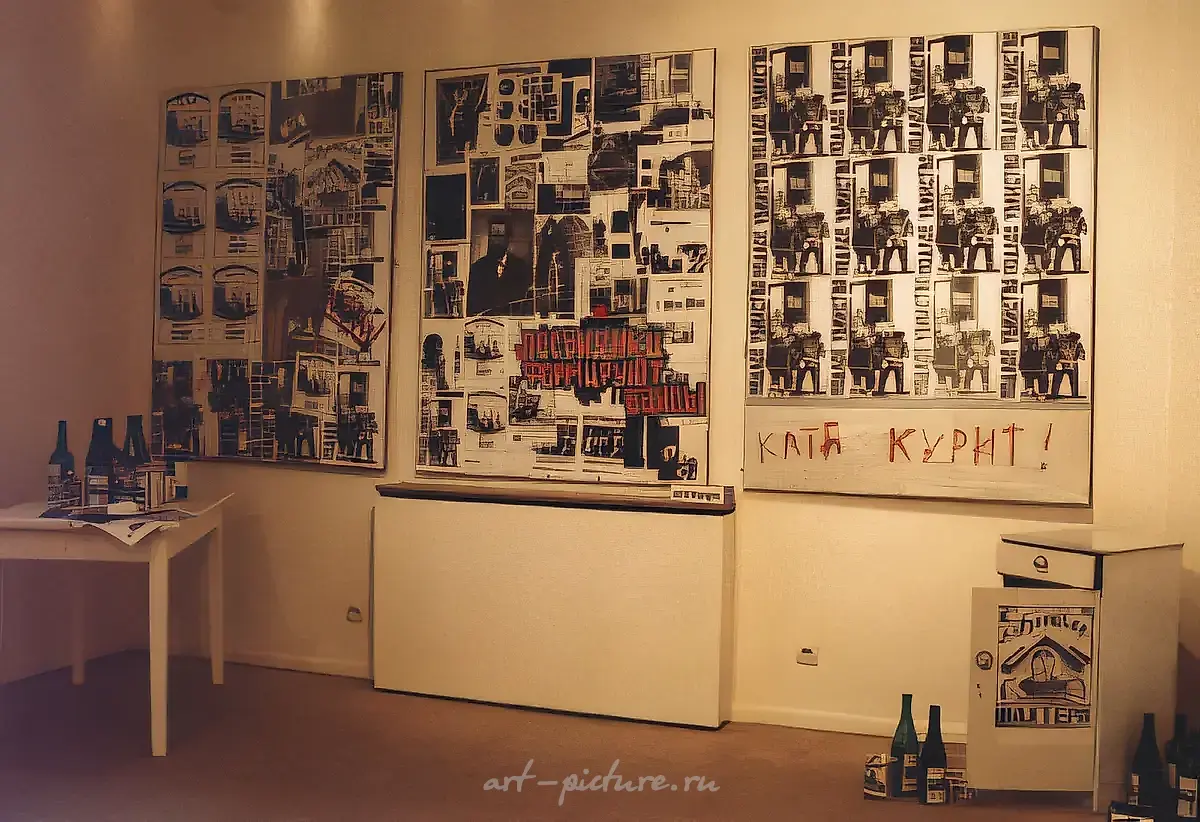
In the semi-serious hierarchy of Moscow unofficial art, Konstantin Zvezdochetov holds the rank of a general. Despite such a high rank in the military camp of Moscow conceptualism, the very idea of discipline is alien to him. He has many positive qualities—for example, his universally understandable and appealing reluctance to work. He does not keep files with newspaper clippings and photos (though it is necessary and professional). I remember how Eric Franck from Geneva persuaded Kostya to show something, anything. With difficulty, behind a wardrobe, a canvas was found, folded as tightly as a handkerchief. The proud author unfolded it on his knee and showed it to the guest. Suffice it to say, he was immediately invited to do an exhibition at galerie Eric Franck.
He willingly participates in every possible exhibition, successful or not. He enjoys working in company and is indisputably involved in the creation of several artists' groups—for example, 'World Champions'. (As often happens, the 'champions' stubbornly refuse to recognize him as their father, but what's done is done.)
At any exhibition, Zvezdochetov screens off his own space, if not physically then mentally, trying to maintain that ever-present sense of conspiracy in contemporary Soviet art. Even now, when this activity ceases to be underground, the circle of participants is limited and the messages are not addressed to everyone. Recall the splendid and untranslatable slogan that adorned his installation at the museum in Prato: 'Those who understand Russian are asked not to translate', which, I hope, remains a mystery to visitors.
His surname, absolutely unpronounceable for Westerners (Zvezdochotov), is so artificial that it has often been mistaken for a poorly chosen pseudonym.
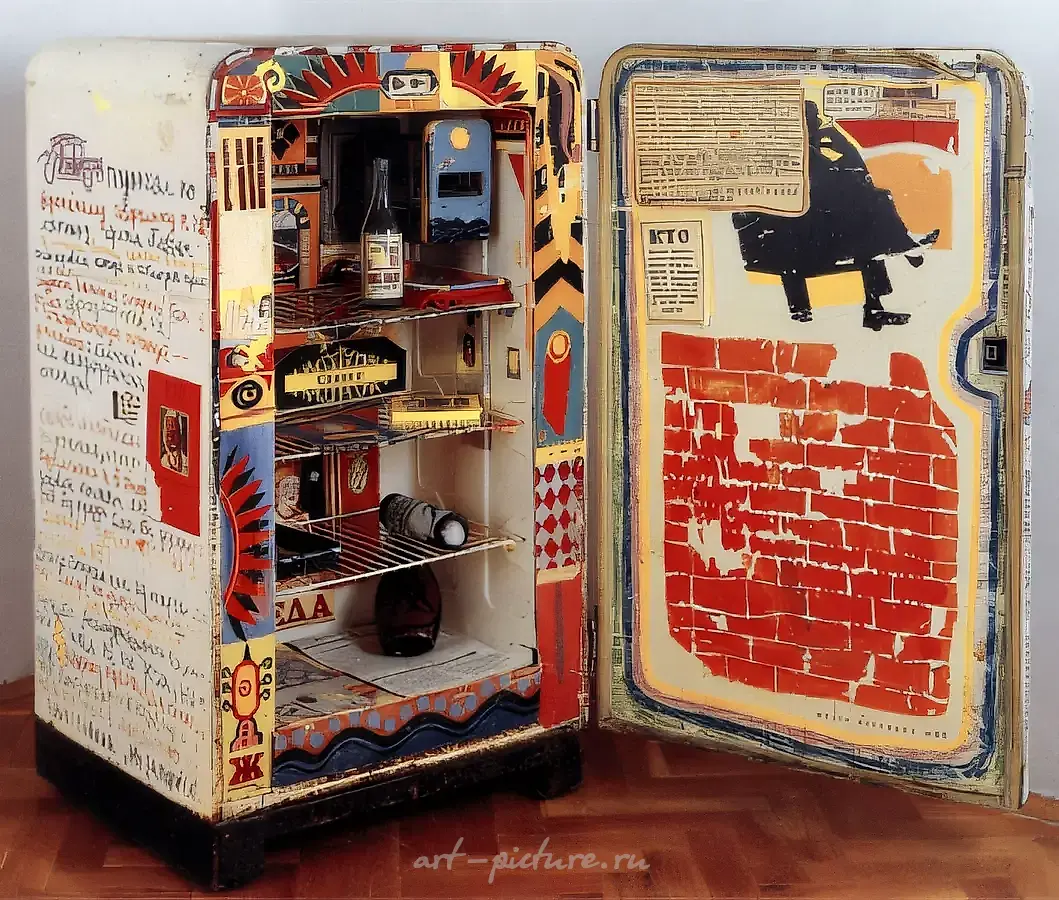
He is beloved by everyone, even if not everyone knows exactly why. His exhibitions have the power to stump even the bravest and coolest critics. The public firmly doesn’t understand what is happening, whether they are being mocked or if the artist is mocking himself with his wildly and absurdly decorated objects. Literary narratives, written or oral, accompanying the works do not clarify, but only further confuse. Conversation with the author is all the more in vain. Kostya talks about his work willingly, with a seriousness typical only of scientists or clowns, but by the end of the lecture, the interlocutor usually complains that the artist 'slips away'.
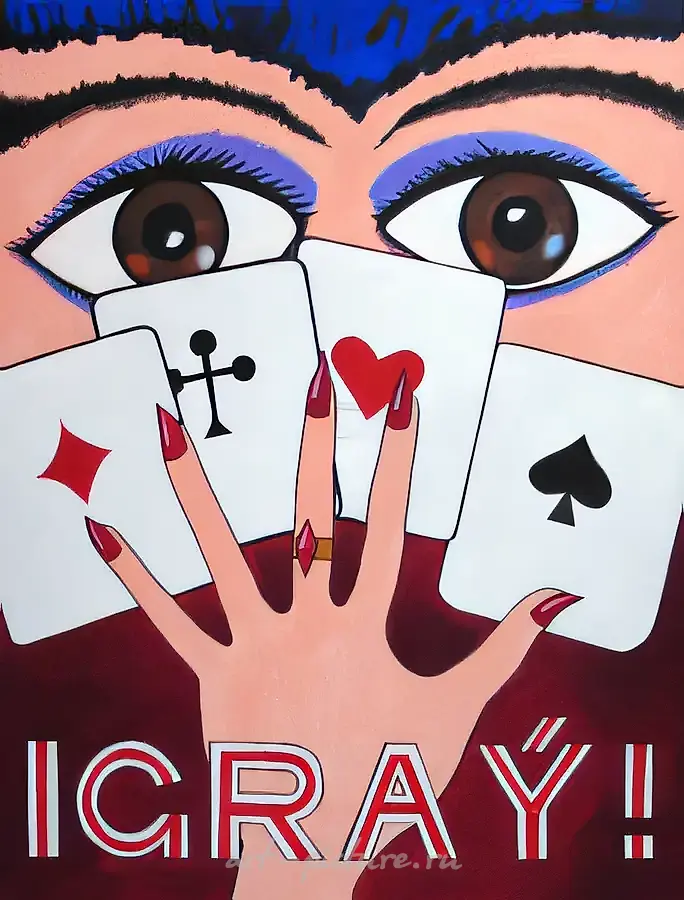
When at last he is pressed to explain who he is and to clearly define his credo, the interviewer receives about the following response: 'The time has come to lay my cards on the table... I was sent to the artists as a secret agent, tasked with influencing these people and their views... All my previous works were made for the sake of conspiracy—they are mere imitation of art... Similarly, my previous artistic credo was formulated to cover my tracks and was thus false... My works are examples of the morality and aesthetics of smuggling...' And so on.
The true story is much more interesting. If he were a bit less cunning, I would suspect him of almost diabolical thoroughness with which he has constructed his biography—the very one needed by a Russian artist abroad.
For a friendly article about his works in the Paris art journal 'A-YA' he paid with eighteen months spent far east of Siberia. In 1984, on his 26th birthday, he was arrested, quickly drafted into the army, and sent to Kamchatka. There a major from the army KGB told him weekly that his so-called art was being manipulated by Western intelligence services for their dirty purposes. (Noting some skepticism Konstantin feels toward the West, I am inclined to attribute it to the success of our army counterintelligence, which in the early eighties foresaw the Russian wave on the art markets.)
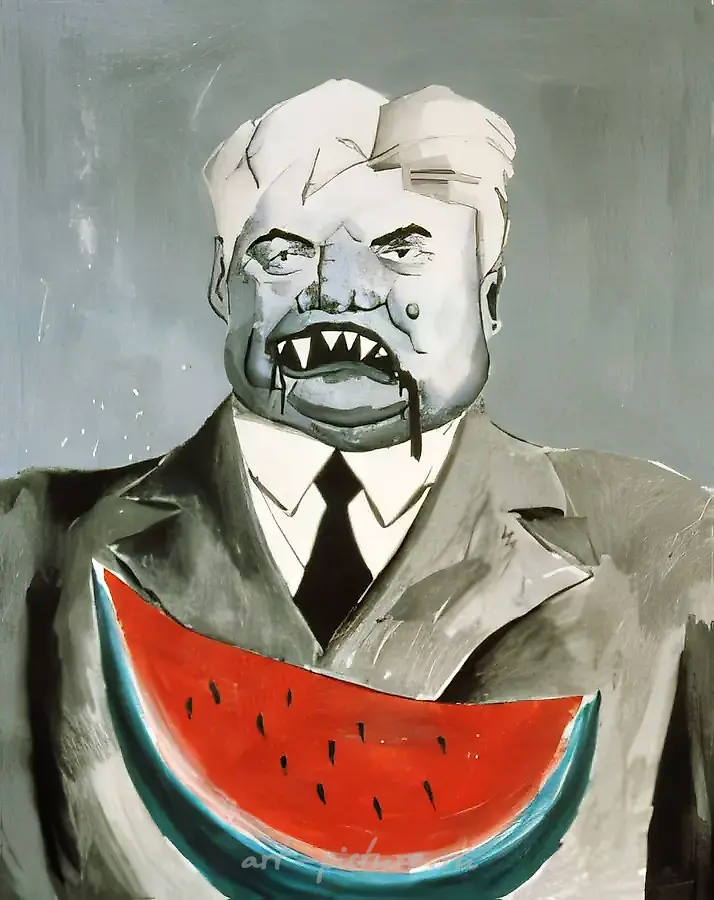
The hero of his early series was Malchish-Kibalchish, who rode across the desert on a strange three-wheeled machine, fought an anaconda in the jungle, and taught a mindful Japanese girl to draw. Then came the story of Perdo, 'a strange tribe that keeps in its memory an ancient event: a monstrous vampire stole the Sweetest Sacred Watermelon, the incarnation of femininity. The hero defeats the vampire and returns the watermelon to the people but dies at the hands of the ungrateful.' This endless installation was never displayed in its entirety, but its parts are now scattered across various countries and collections as proof of the mythical land of Perdo.
Living in a space of false epic, he invented no less false but no less grandiose stories. They contained, as was mandatory in those years, layers of indirect Soviet associations, not to mention the main vampire bore the sacred patronymic 'Ilyich'.
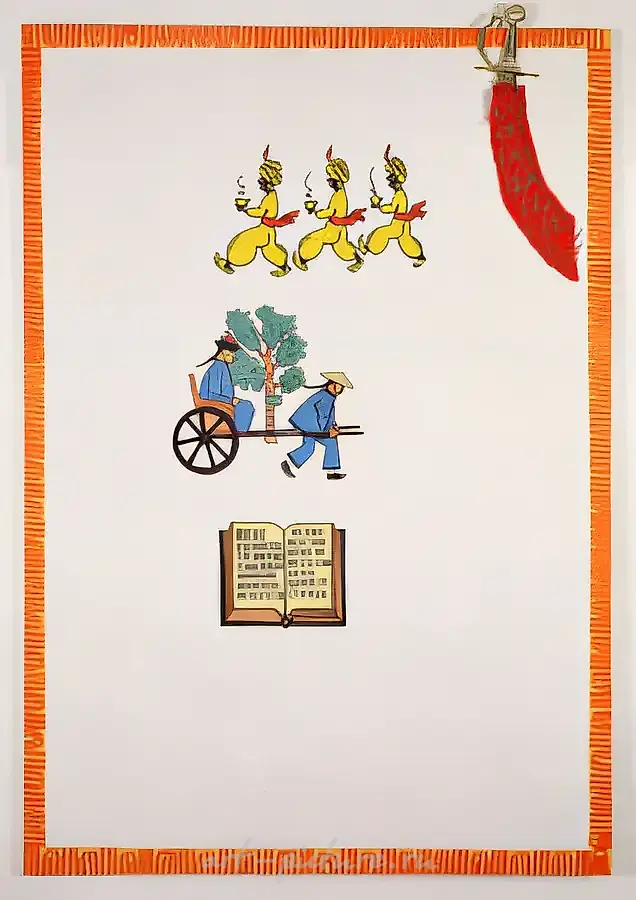
At an exhibition in Geneva, which Kostya did together with Larisa Zvezdochetova, there were several scenes from an imaginary ballet 'The Old Echo'. Kostya's libretto told of yet another failure of Satan, who, disguised as the demon Krishna, was trying to steal the sacred book. Painted and draped mannequins acted out strange scenes next to amusing objects—a throne with a cage for a parrot. Nearby, the kneeling, feminine Satan in the image of Krishna with a dark purple body, the color of a thundercloud. This is how the demon, simultaneously destroyer and protector, with the name Krishna (or Kristna) believed to resemble the future name of Christ, has always been depicted. However, the transition from Satan to Christ was not the only possible interpretation of the exhibition.
At DOCUMENTA in Kassel (where only three artists were invited to represent Russia—Ilia Kabakov, Kostya Zvezdochetov, and Masha Serebryakova), he exhibited a huge classical mosaic with Nikulin, Vitsin, and Morgunov on a golden background. I cannot imagine what the poor Germans thought of it, or why the mosaic was such a success.
He does not care about being understood. He offers everything on faith. Because the works are not the most important thing. The individual myth of the artist—that’s the main concept of contemporary art. To make art, you first have to make yourself. Konstantin Zvezdochetov began his artistic career with its greatest achievement: the creation of his own image. This image is irrepressibly amusing and is worth the money spent on his works—perhaps secretly suspected as a participant in a global conspiracy of Eastern artists against a trusting West.
A. Tarkhanov. 'Konstantin Zvezdochetov as an Agent of Influence.' – Stolitsa, 1993, №1.
Works 24