Francisco Infante Arana
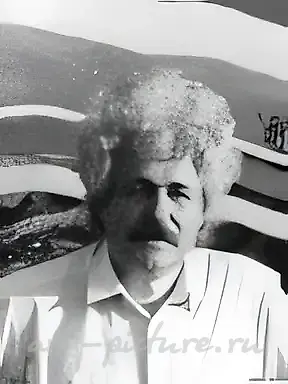
Born in 1943 in the village of Vasilievka, Saratov region.Studied at the Moscow Secondary Art School (1956–62). Studied at the Moscow Higher Art and Industrial School (1962–65). Since 1962, a member of the fellowship of artists that, in 1964, took the name "Movement" group. In 1970, organized the group of artists and engineers "Argo." Since 1973, member of the City Committee of Graphic Artists and a member of the Moscow Artists’ Union (MOSKh).
Works in collections
State Tretyakov Gallery, Moscow
State Pushkin Museum of Fine Arts, Moscow
Contemporary Art Collection of the Tsaritsyno State Museum-Reserve, Moscow
State Russian Museum, St. Petersburg
Art Museum, Lodz, Poland
Brooklyn Museum, New York, USA
Wilhelm-Hack Museum, Ludwigshafen, Germany
Kunstmuseum, Bern, Switzerland
Columbus Museum of Art, Columbus, USA
Museum of Contemporary Art, Seoul, Korea
Museum Art Gallery, Peterborough, UK
Cremona Foundation, Maryland, USA
L. Talochkin, Moscow
L. Schonberg, Munich, Germany
A. Kostaki, Athens, Greece
J.E.Bowlt, Los Angeles, USA
Exhibitions and auctions
SOLO EXHIBITIONS
1974 "Francisco Infante and the 'Argo' group." Center for Spanish Community, Moscow
1978 Exhibition at the Palace of Culture of the Moscow Institute of Transport Engineers, Moscow
1979 "Art - Nature - Technology." Palace of Culture named after Lensovet, Leningrad
1981 "Artificial Objects and Natural Environment." Center for Technical Aesthetics VNIITE, Moscow
"Presence." M. Gruzinskaya 28, Moscow
"Artefacts." House of Scientists, USSR Academy of Sciences, Chernogolovka, Moscow Region
1982 "Dedication to the Artefact." R&D Center for the Theory and History of Architecture, Moscow
Exhibition at the Polytechnic Institute, Moscow
"Artefacts" (one-day). House of Artists at Kuznetsky Most, Moscow
1984 "Artefacts in the Planetarium." Moscow Planetarium, Moscow
"Artefacts." Republican House of Knowledge, Riga, Latvia
"Artefacts." Museum of Photography, Siauliai, Lithuania
1984–87 "Artefacts" (one-day exhibitions). House of Artists at Kuznetsky Most, Central House of Art Workers, House of Scientists, House of Cinema, Interunion House of Amateur Art Creativity, Moscow
1987 "Francisco Infante. Artefakty a kresby (Artefacts and Drawings)." Galeria Lounech; Dom umeni mesta, Brno, Czechoslovakia
1988 "Artefacts." House of Cinema, Moscow
"Artefacts." Palace of Culture of Odessa State University, Odessa
1989 "Francisco Infante from Moscow." International Images Ltd. Gallery, Sewickley, USA
"Artefacte Francisco Infante." Wilhelm Hack Museum, Ludwigshafen, Germany
"Francisco Infante - Watercolour and Sibachrome Artefacts." Gallery Rosa Esman, New York, USA
1990 "Artefakte Francisco Infante." Galerie Alex Lachman, Cologne, Germany
1991 "Francisco Infante Artefactos." Galeria Fernando Duran, Madrid, Spain
"Francisco Infante - Drawings, Objects, Artefacts." Scholler Gallery, Dusseldorf, Germany
"Installation on the River." Hoffmann Gallery, Friedberg, Germany
"Machine in the Forest." Regina Gallery, Moscow
1992 "Artefacts by Francisco Infante." State Tretyakov Gallery, Moscow
1993 "Prodolgenia." Exhibition of star sky reconstruction projects (1965–67) "La Base," Centre d'art contemporain, Levallois, France
"Francisco Infante, Los Artefactos-92." Galeria Emilio Navarro, Madrid, Spain
1994 "Francisco Infante - Francisco Infante." Hillside Gallery, Art Front Gallery, Tokyo, Japan
"Minus square, minus circle, minus triangle, plus rectangle." State Museum-Reserve "Tsaritsyno," Moscow
1995 "Artefacts by Francisco Infante." Exhibition Hall Rekalde, Bilbao, Spain
1996 Creative Evening with Francisco Infante and Vsevolod Nekrasov. Literary and Musical Salon "Classics of the XXI Century," Moscow
"Gesprach aus zwei Raumen." Galerie Zollgasse 7, Dornbirn, Austria
"Inside." Kino Gallery, Moscow
"Artefacts Francisco Infante." Galerie "Karenina," Vienna, Austria
1997 Creative evening with Francisco Infante. Art Forum Gallery, Tokyo, Japan
International Art Fair ART-MOSCOW, Kino Gallery. Central House of Artists, Moscow
Creative evening with Francisco Infante and Nonna Goryunova. Insnituto Universitario Orientale "Invito all` Artefatto," Naples, Italy
Creative evening with Francisco Infante and Nonna Goryunova. Art Studio, Bodoni St, 83, Rome, Italy
Solo exhibition by Francisco Infante. Art Museum, Kurgan
GROUP EXHIBITIONS
(For the sake of brevity, the extensive group exhibition history is omitted, but available upon request.)
Author about himself
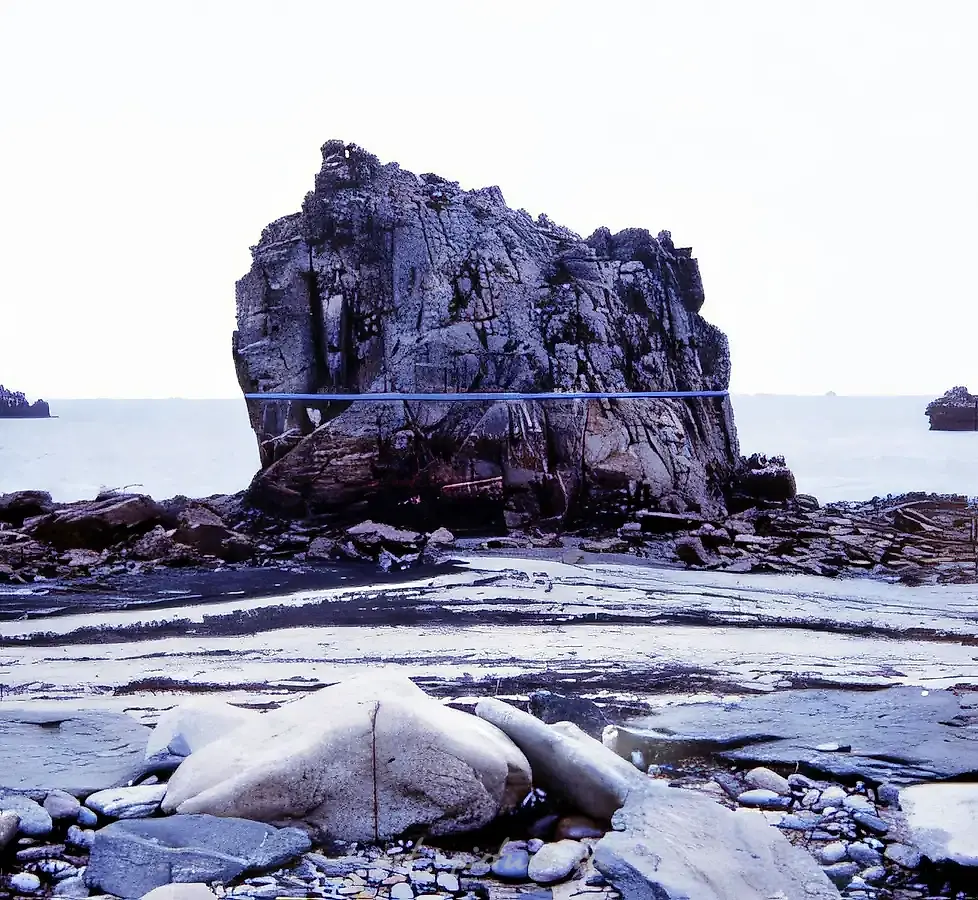
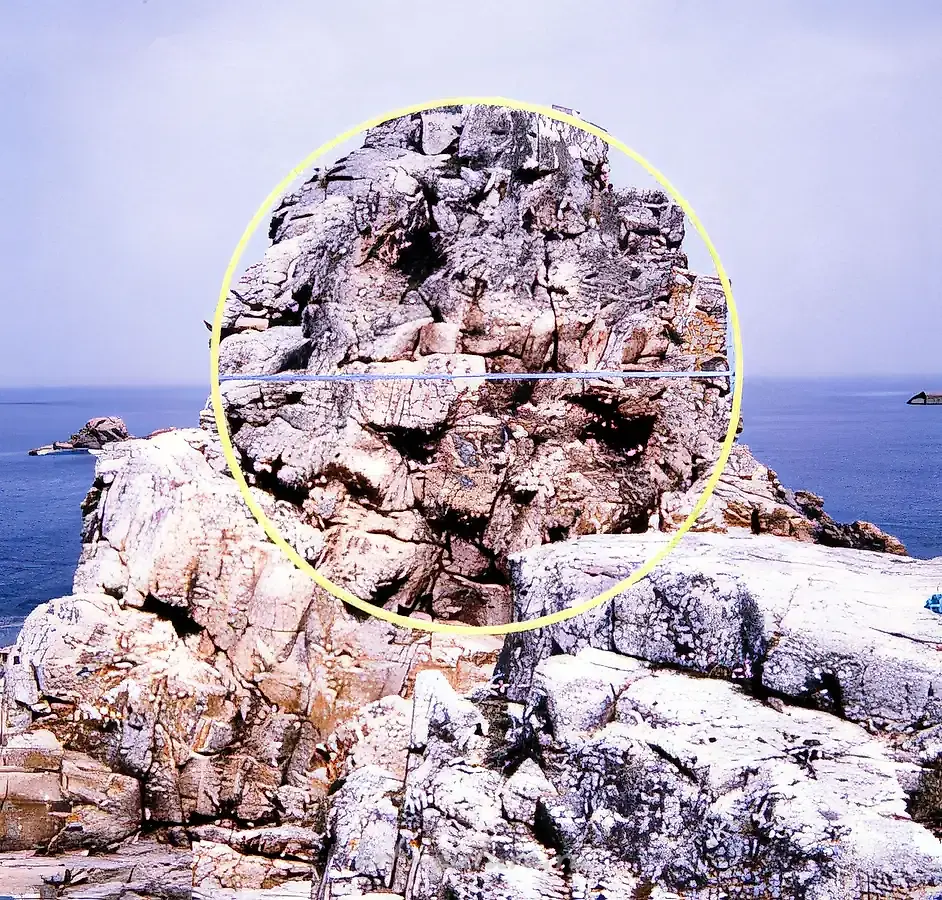
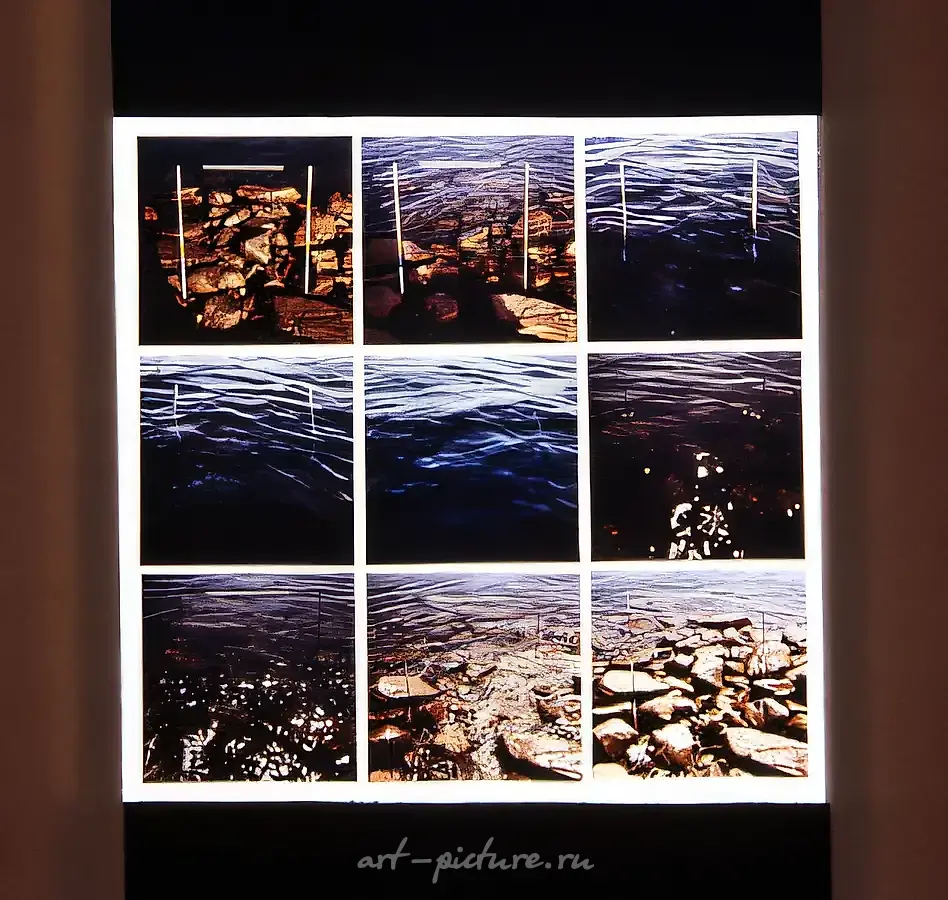
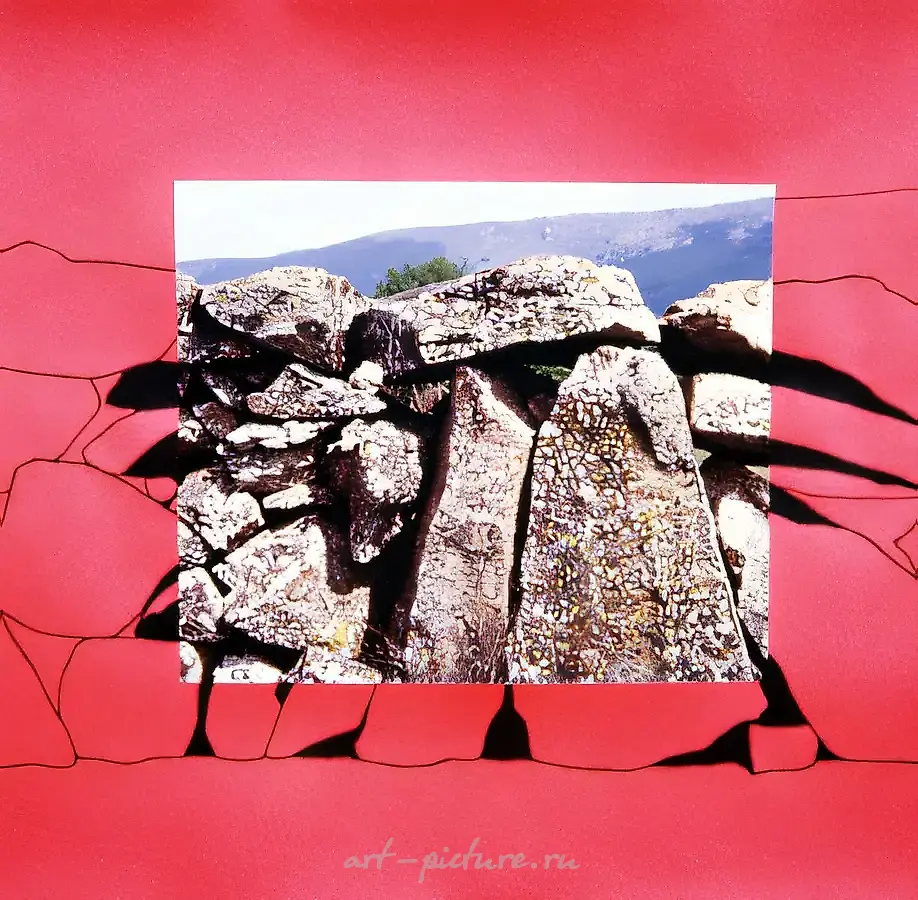
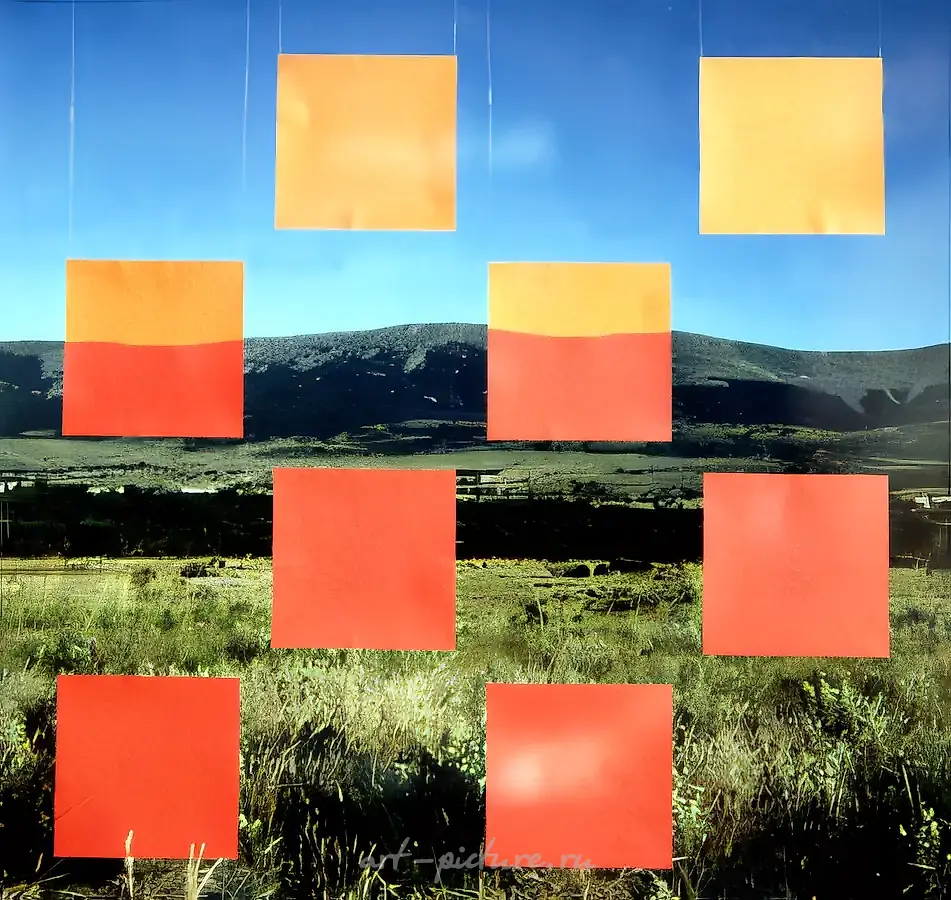
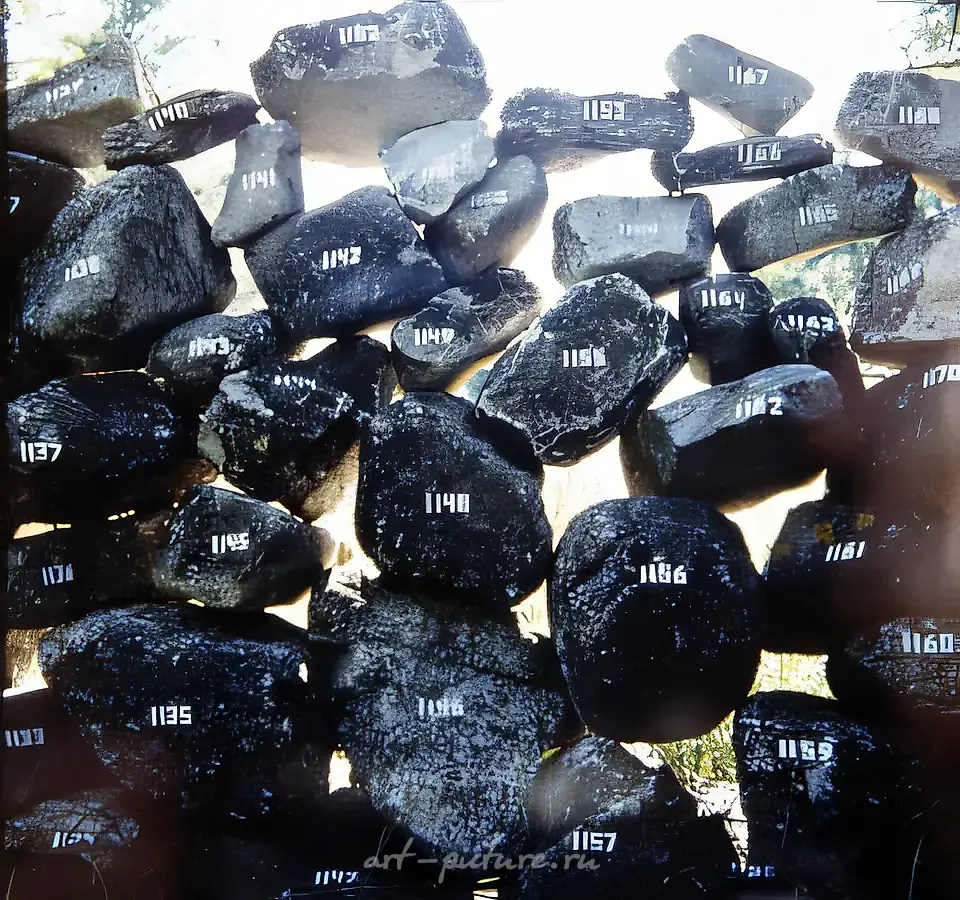
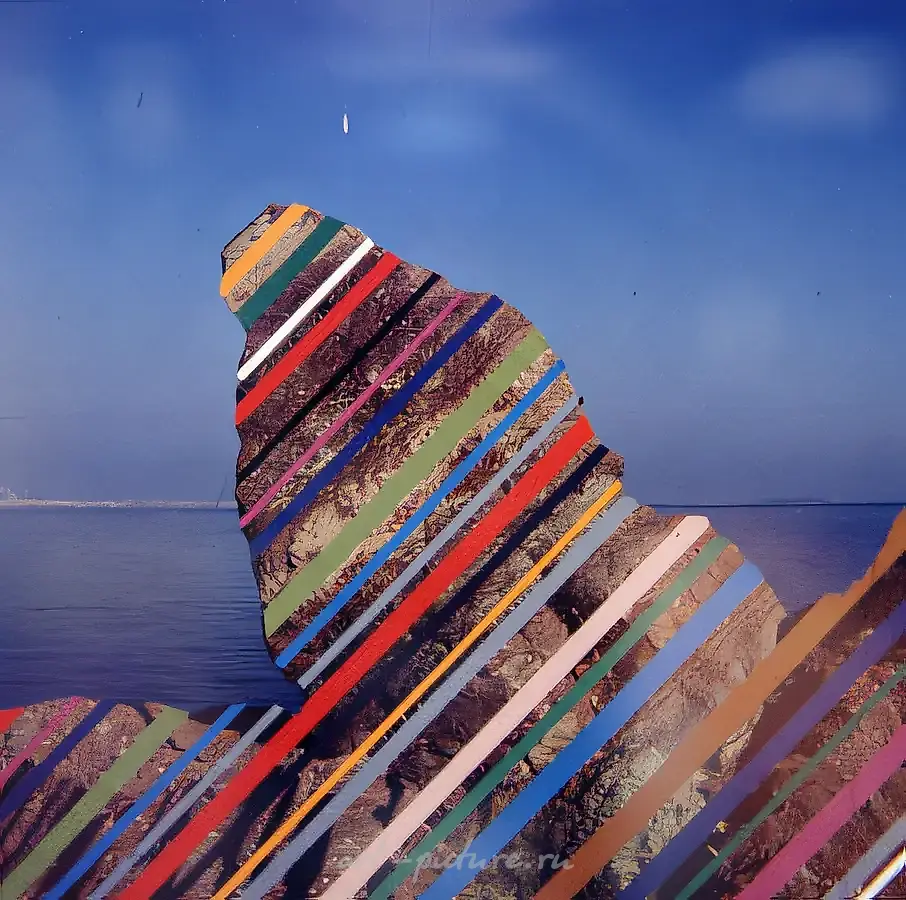
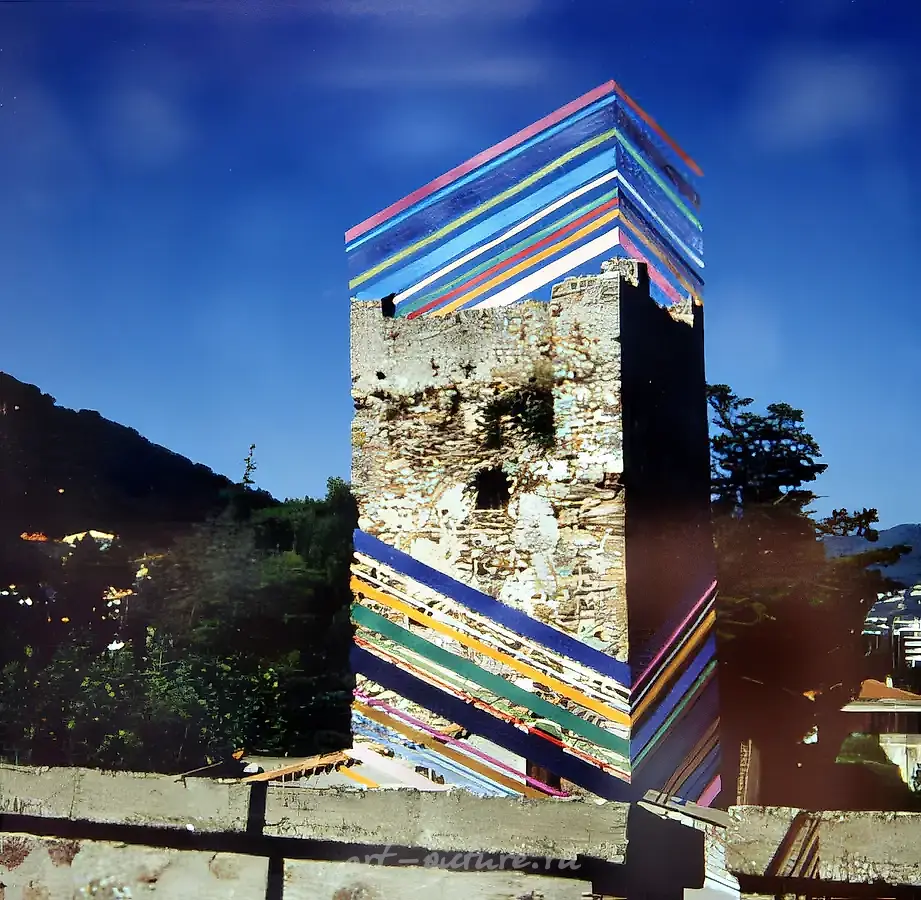
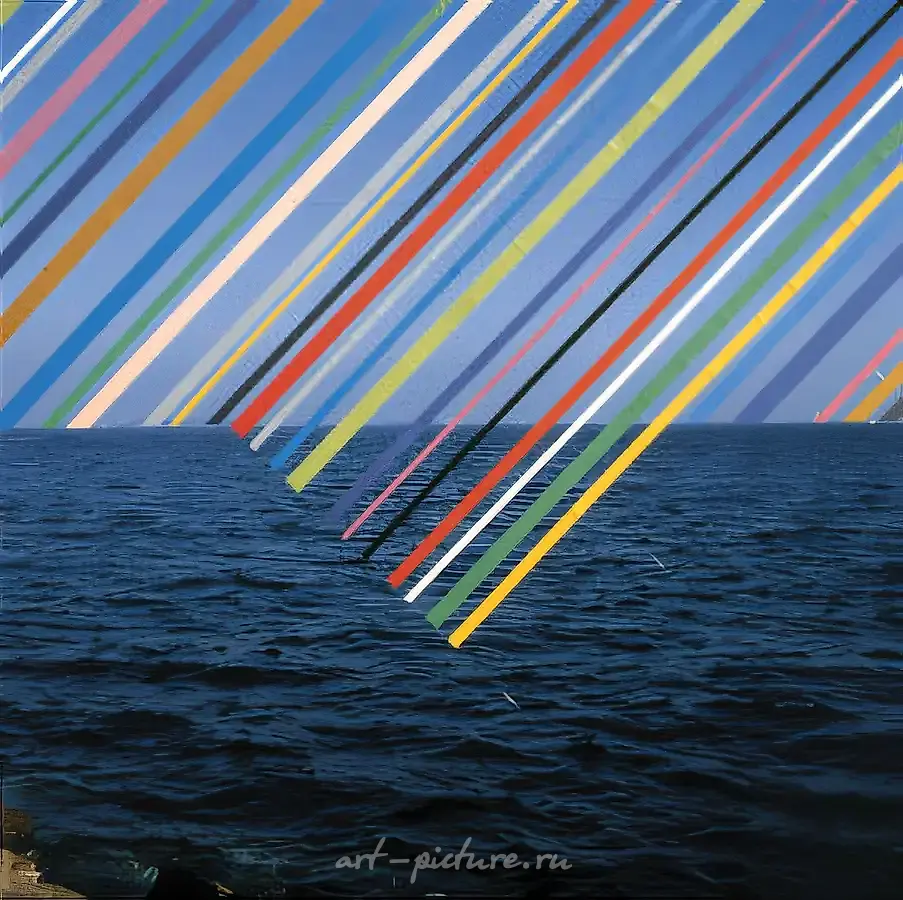
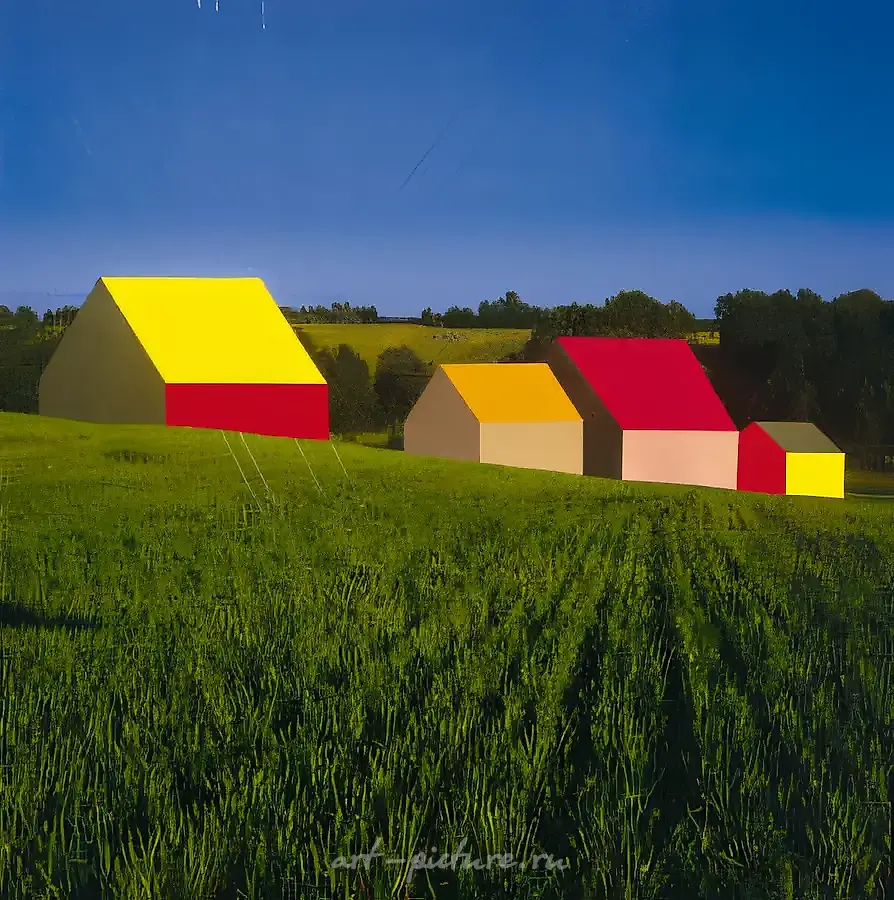
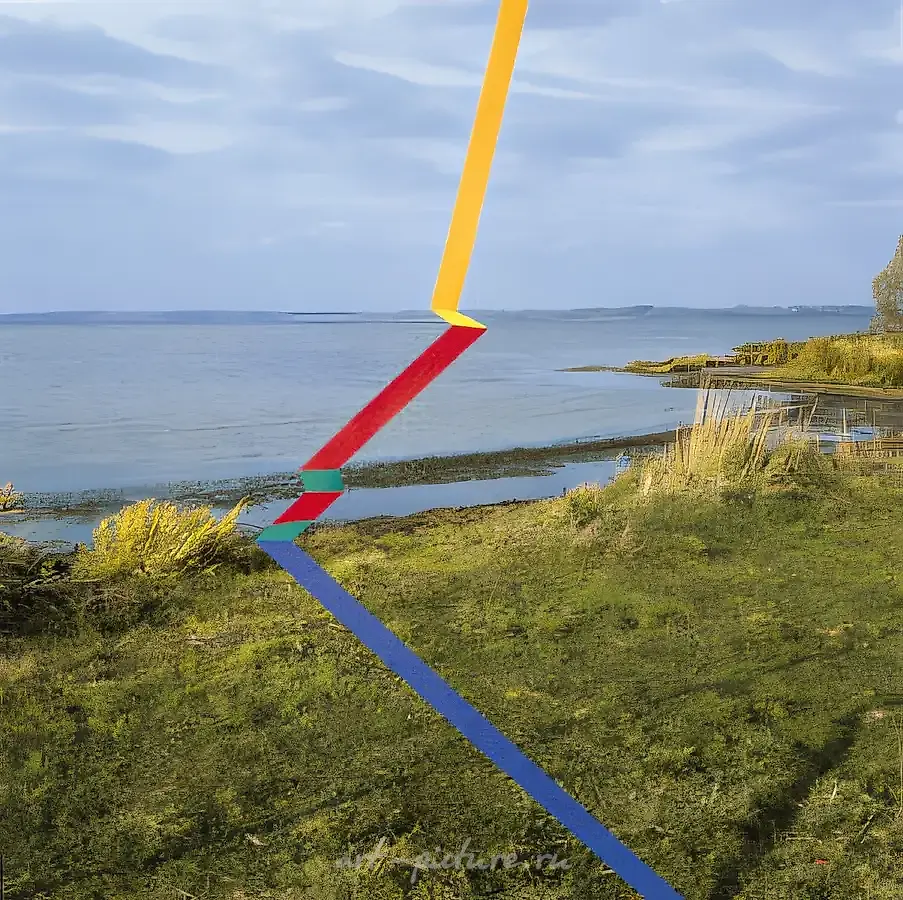
The modern world is technical. Technology appears to me as a new space emerging in the evolutionary path of humanity, which it must traverse. Since 1962, I have been mastering certain forms in art with obvious technical pathos—geometric art, kinetic art, the artistic realm of futurological projects, and finally, since 1976, the form that I call "Artefacts".The latter is defined by my interest in artistic synthesis, seen thanks to a constructed playful interaction between an artificial object and nature.
Trying to understand the sense of Mystery that possessed my consciousness for many years, I suddenly discovered for myself the inexplicable depth of the word "Artefact". Before that, I had of course used this word along with many others, but apparently, not merging with the infinity of its meaning. When the word revealed itself—it became mine, filled with a meaning that matured in my ideas. I then tried to rationally interpret this newfound meaning and saw that the word "artefact" can have several interpretations. Here, I will touch upon those related to the artistic system I am mastering.
The word "artefact" denotes a thing of the second nature, i.e., a thing made by man, and therefore autonomous in relation to nature. And although the autonomy of an artefact should be trusted with caution, since its creator—a human—is also a part of nature, the moment of singling out the artefact as an artificial object, additional to nature, is symbolically important. Such autonomy is vital for revealing new artistic links between the artificial object and nature. Another reading considers artefact as an "Art-fact," requiring the artist’s full creative presence.
Yet another meaning of artefact is connected with tradition and culture. Here, it appears as an eternal symbolic datum, as something that cannot be but somehow mystically occurs. In archaic cultures, the artefact is a symbol of mystery. In ancient Persia—a black stele-parallelepiped. In the Amirat-Bada culture—also a stele, but with its opposing bases twisted 90 degrees relative to each other.
Artefacts demonstrate the infinity of the world, the connection of all existence with the mystery that truly fills this world.
Critic
Francisco Infante is an artist of paradox. Not only do chance and play form the core of his artistic worldview, but like many others in the geometric or constructivist tradition, he persistently chooses the difficult path between logic and illogic, aesthetic ritual and the rejection thereof. While he pays homage to the traits of mathematical order, economy of material, and the efficiencies of modern technology, Infante returns again and again to the idea of "chance"—that "suddenness" of fairy tale magic which, as critic Abram Efros said in 1918, is a hallmark of primitive or childlike art.
At first glance, equating Infante’s art with a kind of childlike wonderland might seem to diminish its worth, but, in truth, this ability to err, circumvent, and cast established visual norms and conventions in a new, unexpected light has always been a key driving force for original art. In Infante’s case, the element of chance and absurdity is especially intriguing because of the striking external organization, structural order, and calculated precision that pervade his work—his constructions, photographs, and utilitarian projects. He acts like an aerodynamics engineer who considers all possible variations and accidents but always grounds his projects in a strict set of mathematical coefficients.
Such an analogy would likely appeal to Infante himself—an artist ever optimistic and enthusiastic about the potential of science and technology, from video cameras to intergalactic travel. This reverence is born of a deep belief, shared by both engineers and artists, that the essence of life is process, not result; multiplicity, not unity. This is also why it is important to approach Infante’s photographs not as static "artworks" but as documents, recording his artefacts, which themselves are just moments in a continuum. After all, Infante began his career with the "Movement" group in Moscow in 1962 precisely as a kinetic artist.
If all around us is process, movement, and series, how can an artist "stop the world and step aside"? In the 1970s and 1980s, Infante sought to address this problem with his concept of the artefact—a "geometric object brought into the natural environment".
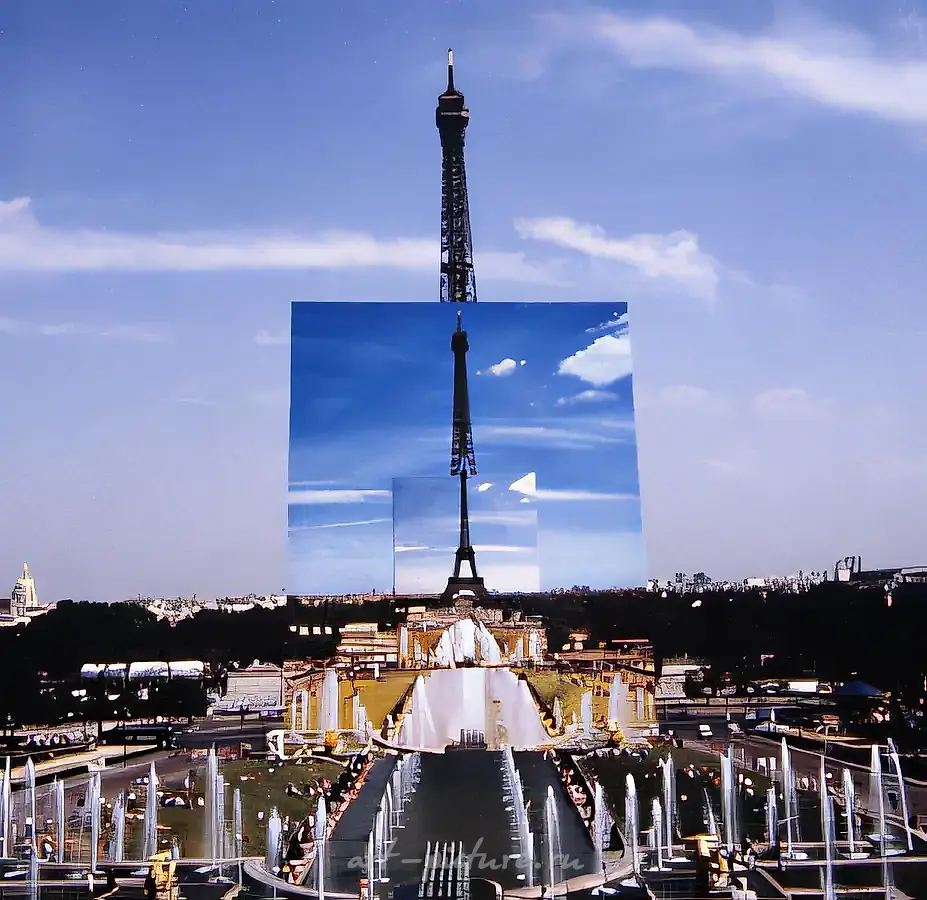
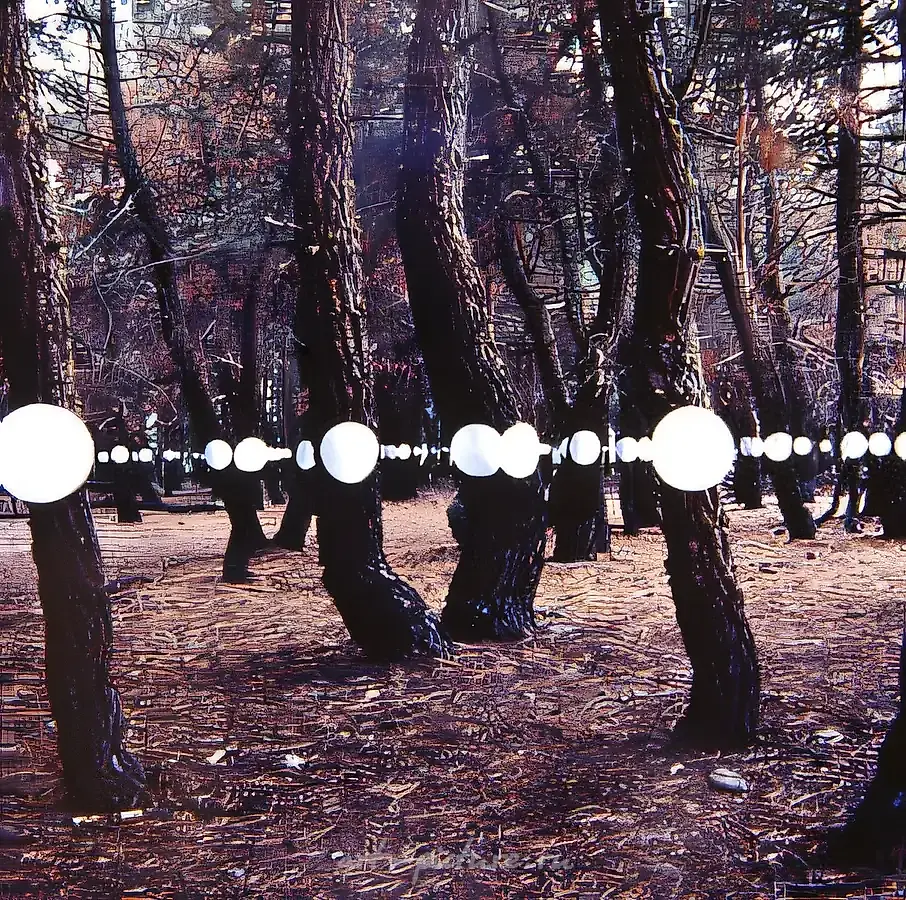
In this method, the artist sets up mirrors of various sizes at different angles in the natural landscape (earth, sand, snow, water, foliage, etc.) so as to create optical ambiguity. The airiness of the mirrors, their reflectivity, makes these objects appear as if they are organic elements of their environment—that they are nature’s own creations, not man’s; yet the distorted images they generate indicate the opposite—they are foreign. This allows Infante to establish a series of interactions among nature, the artist, and the viewer, addressing the critical dichotomy of "natural" vs "artificial." He then documents key moments or "units" of this visual experience in photographs, which he often mixes, creating new cycles (such as the photo album "Presence"). Again, Infante solves this problem with a paradox, casting the artist as a mediator between the "natural" and the "un-natural."
This was most vivid in his snow performances, held with his wife Nonna Goryunova in the 1970s, featuring strange theatrical beings performing hieratic dances in the snow; in the merging of urban and rural images, such as a procession of cellophane bags from earth to water (1977); and in his game with trees and foil in the 1980s, attaching strips of foil at intervals on tree trunks and branches while maintaining the impression of as-if frontality and equilibrium.
The sophisticated discourse of these artefacts provokes us to question the very notions of "here" and "there," "near" and "far," "symmetry" and "asymmetry."
These themes—process, play, the artist as mediator—link Infante’s work to traditions of the Russian avant-garde, particularly the works of Malevich, Gabo, Aleksandr Rodchenko, and Vladimir Tatlin.
J.E. Bowlt. From the catalogue of the exhibition "Francisco Infante from Moscow," International Images Ltd, Sewickley, USA, 1989.
Works 15