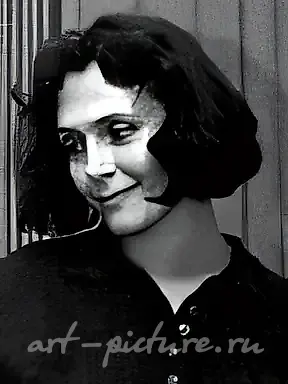
Kotel Nina Davidovna
Born 1949 in Kyiv.
1973 – Graduated from Kyiv State Art Institute (Department of Graphics)
1980 – Moved to Moscow
Since 1987 – Member of the Union of Artists of the USSR
Works in collections
"Moscow Palette", Moscow
Center for Contemporary Art, Moscow
Collection of the Grand Duchess of Luxembourg, Luxembourg
Exhibitions and auctions
SOLO EXHIBITIONS
1991 Gallery "Studio 20", Moscow
1993 "In Reverse Order". Velta Gallery, Moscow
"Security". Gallery "Studio 20", Moscow
1994 "Journeys". Gallery "Studio 20", Moscow
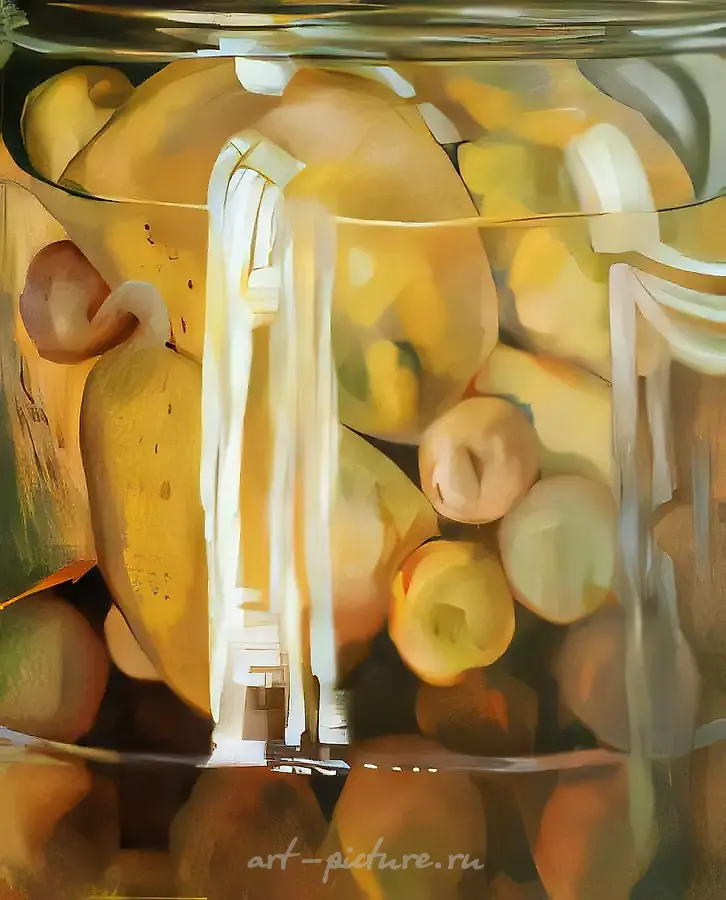
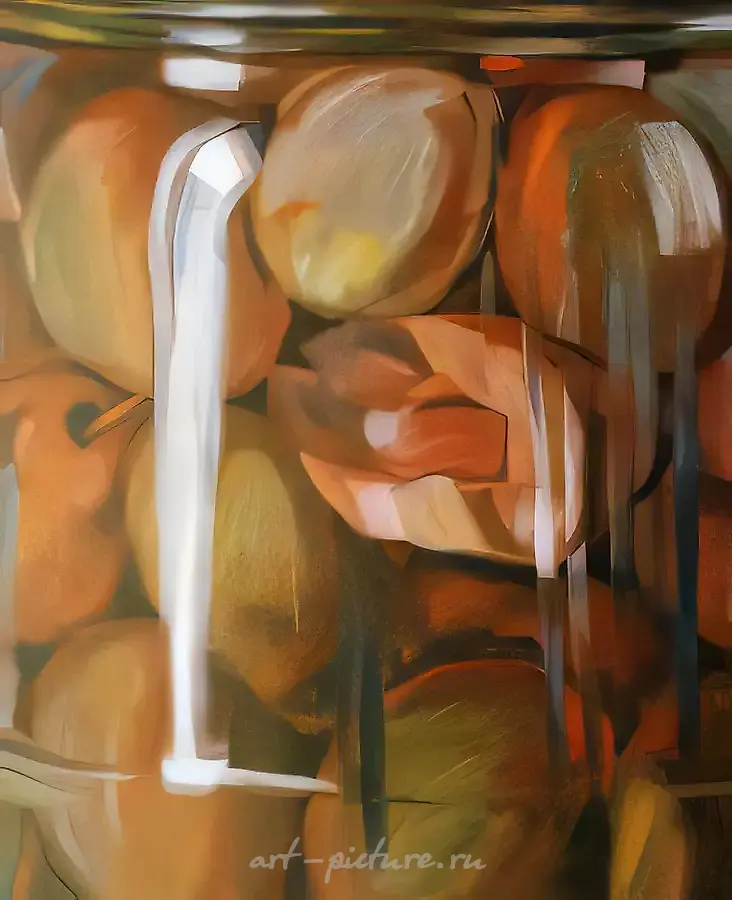
"Russian Delicacy". Gallery "Studio 20", Moscow
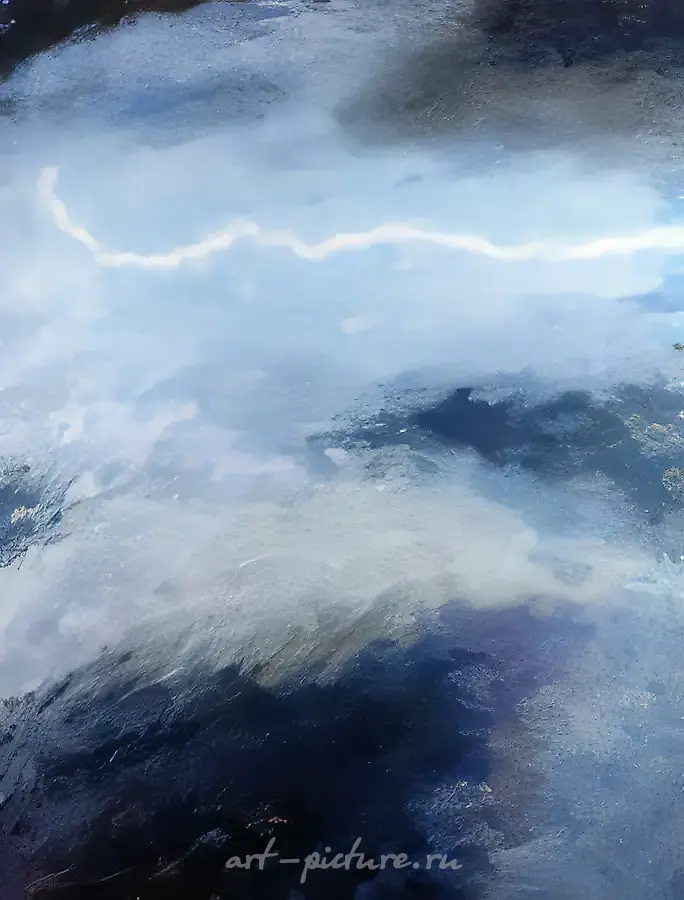
1995 "Scraps of the Sky". Gallery "Studio 20", Moscow
"Toxic Emissions Beautify the Landscape". Gallery "Studio 20", Moscow
"Toxic Emissions Beautify the Landscape" (with K. Gadayev). TV Gallery, Moscow
GROUP EXHIBITIONS
1987 Moscow artists' exhibition. Union of Artists of the USSR, Moscow
1988 Troitsk, Moscow region
1989 Graphics. Center of Artistic Culture. Central House of Artists, Moscow
"Form and Image". Sumy, Ukraine
1990 "Soviet Artistic Avant-garde. 1920-1980s". "Moscow Palette" Gallery. Minsk
1990-91 "The Pyramid Show". "Moscow Palette" Gallery. Sydney, Adelaide, Australia
1991 "Paths of Creativity". Malevich Center. Konotop Museum, Konotop, Ukraine
"Contemporary Artists – To Malevich". State Tretyakov Gallery, Moscow
"ART MYTH 2". ("Names"). Manege, Moscow
1992 "In the Center of the World". Tomsk Regional Art Museum, Tomsk
"KKKK". Central House of Artists, Moscow
"Do You Know These Names?" Raissa Galerie, Erfurt; Frankfurt am Main, Germany
"Still Life of the End of the 20th Century". "Moscow Palette" Gallery. Moscow Architectural Institute, Moscow
1993 "Monumental Propaganda". ICA, Financial World Center, New York, USA
"National Traditions and Postmodernism". State Tretyakov Gallery, Moscow
"Indorossiya" (with V. Salnikov). Laboratory of the Center for Contemporary Art, Moscow
1994 "Die Sonderkinderstube, Toxic Money, Yasenovitsa" (with V. Salnikov). Visual Anthropology Workshop. Center for Contemporary Art, Moscow
"Moscow Pool" (exhibition-action). Moscow Pool, Moscow
"Drawings from Russia". "Moscow Palette" Gallery, Moscow
"Das ewig Weibliche". Raissa Galerie, Erfurt, Germany
1995 "Apple Day". Gallery "Dar", Moscow
Arts Festival "KUK-ART". TV Gallery. Tsarskoe Selo
1996 "Galleries in a Gallery". State Tretyakov Gallery, Moscow
"Art Library", National Center for Contemporary Arts. Central House of Artists, Moscow
"New Berlin Art Association", Goethe German Cultural Center. Central House of Artists, Moscow
"Kaliningrad – Königsberg", 4th International Biennial of Easel Graphics. Kaliningrad
1997 "Credo" (curator L. Kashuk). Russian Cultural Foundation, Moscow
"Metamorphoses of "Quiet Life" and Dead Nature. Object Environment. End of the 20th Century" (curator L. Kashuk). Russian Cultural Foundation, Moscow
"Spaces Rescued by Us Are Subject to Will and Sensation" (curator N. Zaretskaya). TV Gallery, Moscow
"Collapssphere", TV Gallery. Center for Contemporary Art, Moscow
"Reconstruction of the Last Project of Artist Andrei Blagov" (action; author M. Perchikhina, curator N. Palazhchenko). "Spider & Mouse" Gallery, Moscow
"Second Point". Phoenix Cultural Center, Moscow
International Art Fair "Art-Manege", TV Gallery, National Center for Contemporary Arts. Manege, Moscow (catalogue)
"Amusing Battle" (curator M. Vinogradova), "Navicula Artis" gallery. Nikolaevsky Palace (Palace of Labor), Saint Petersburg
1998 "From the Sketches of the First Russian Colonists on the Moon". "Union" Gallery, Moscow
Author about himself
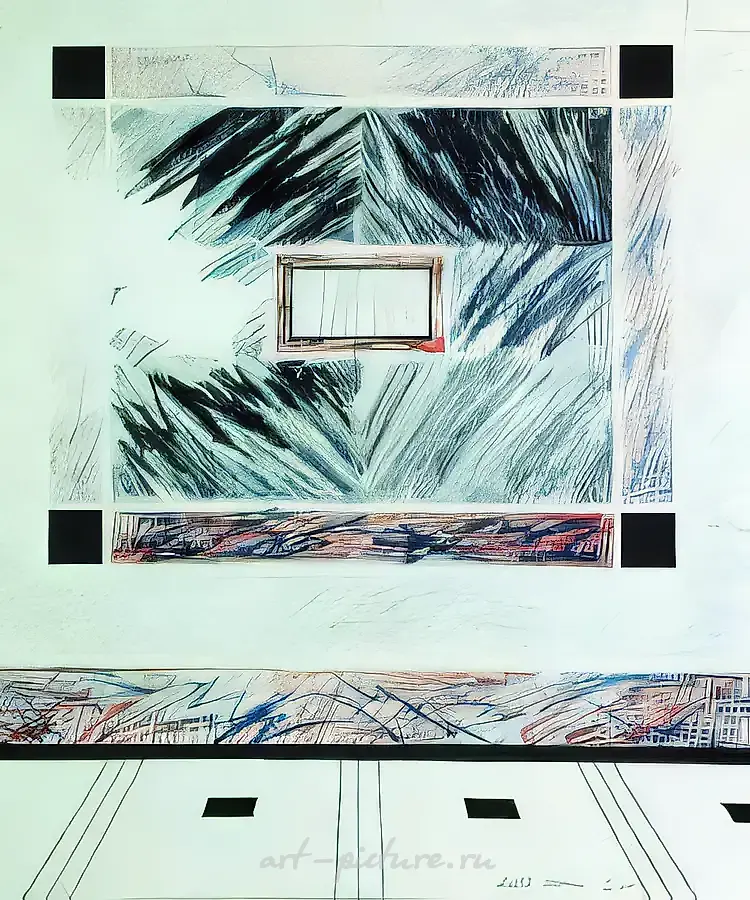
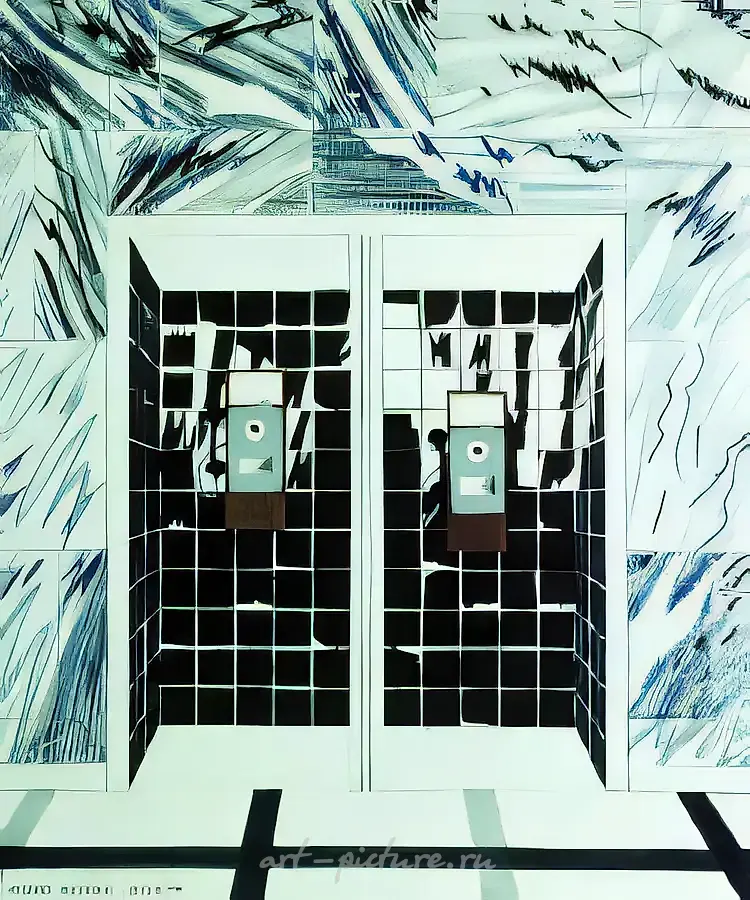
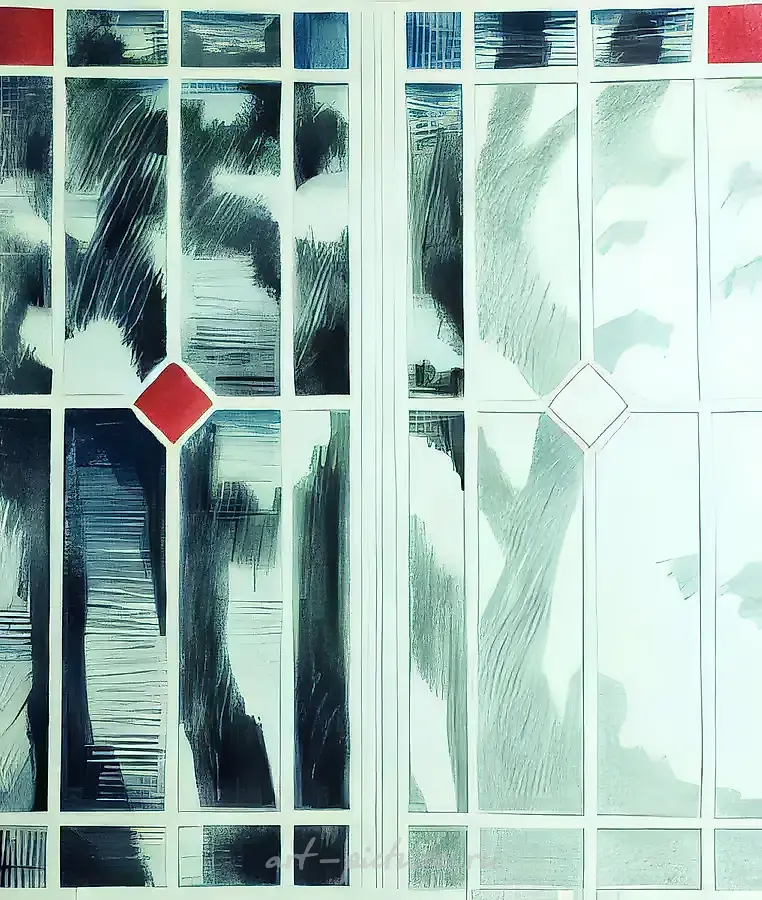
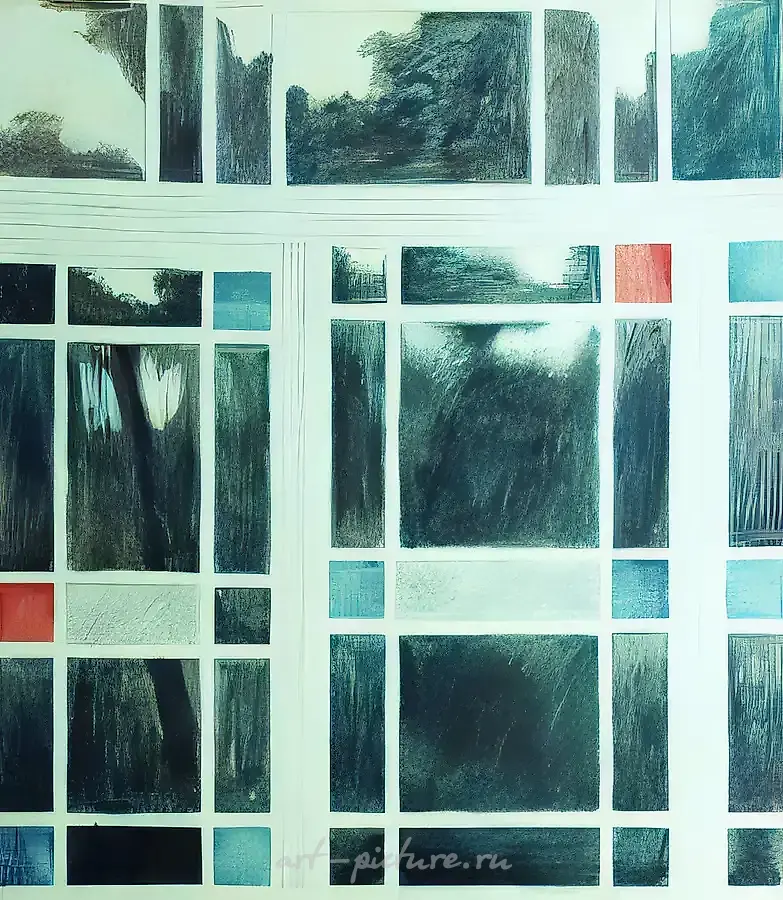
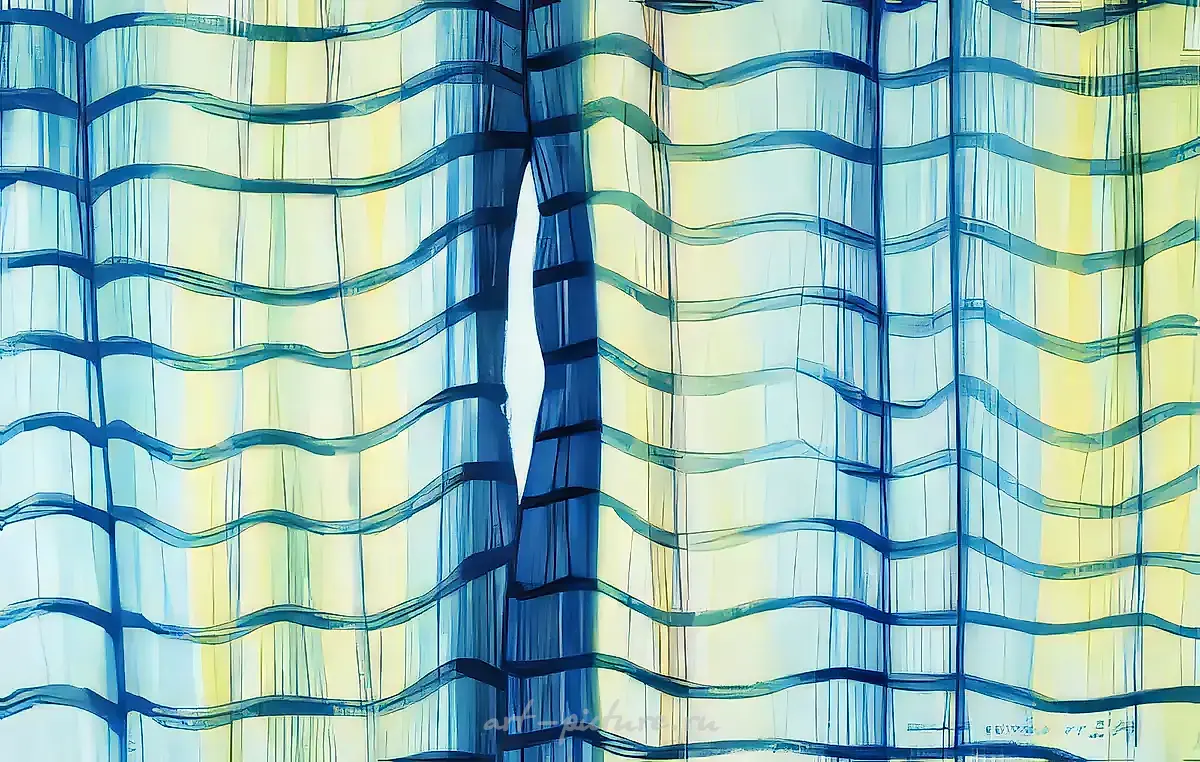
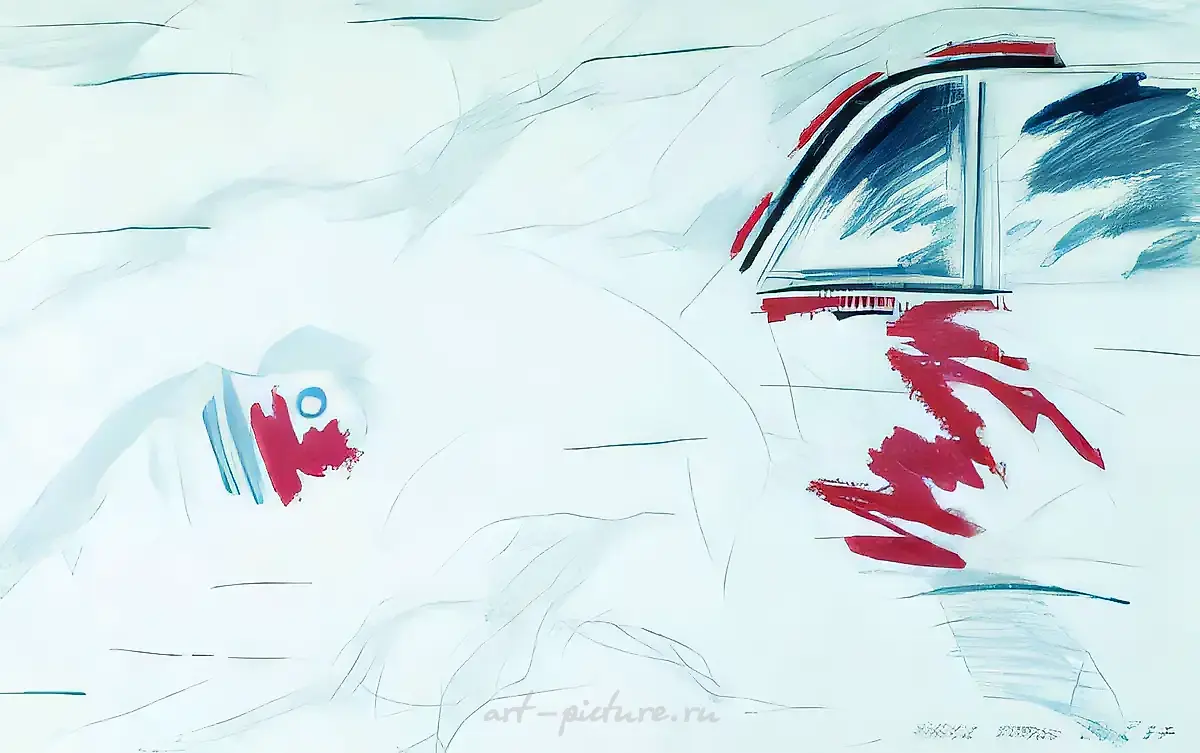
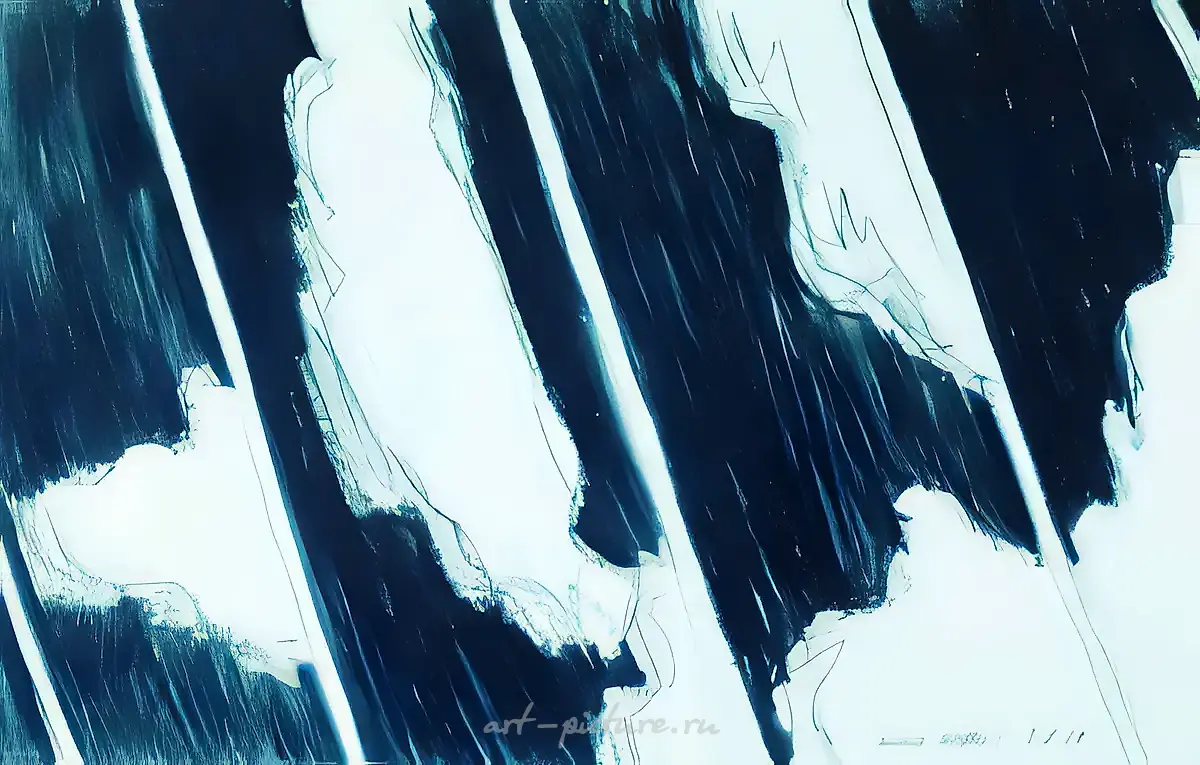
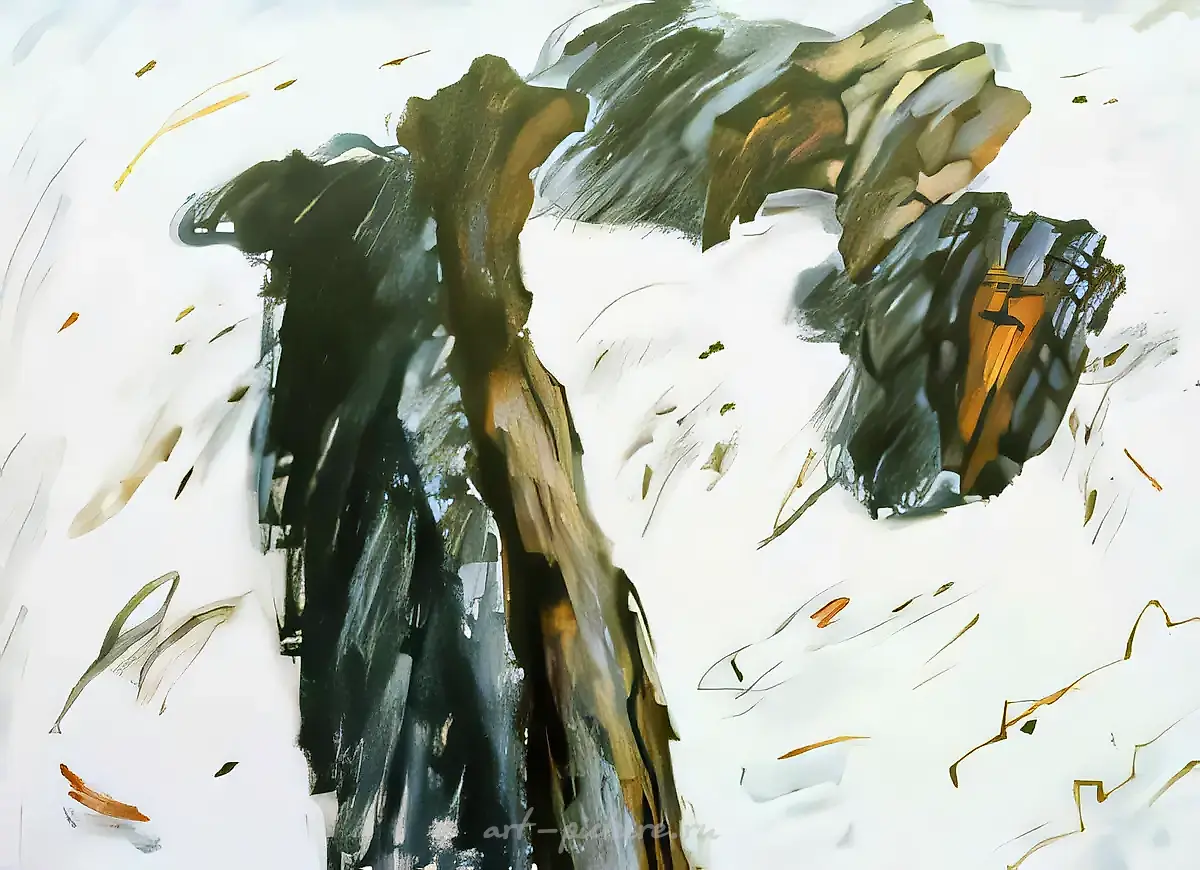
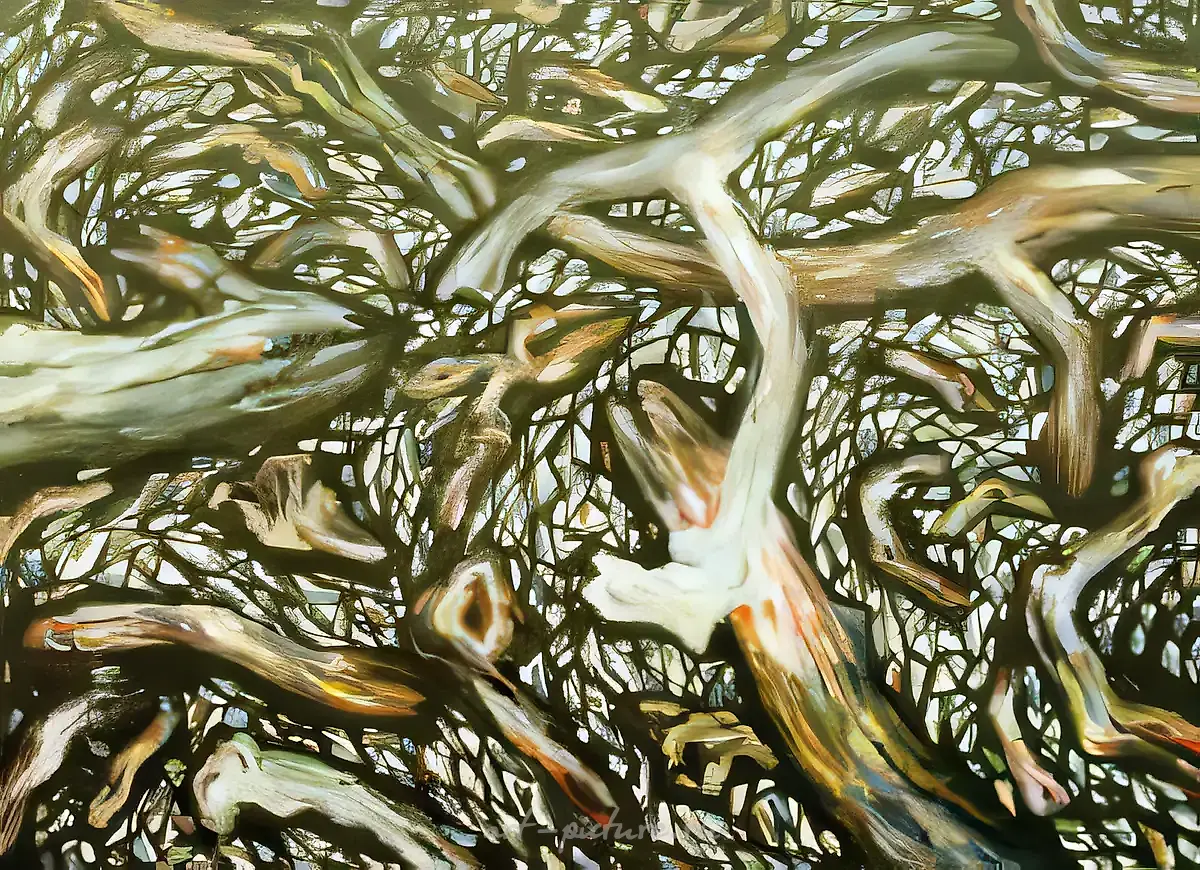
I was a happy child. A wonderful Soviet childhood. I studied at an elite art school in Kyiv, Republican; the population of Ukraine is like France, but the territory is three times bigger. Fifteen students per class compared to thirty in an ordinary one. Early professional self-awareness: I am an artist. The biographies of the greats were role models for me and my classmates, especially Van Gogh. His "Letters". Irving Stone’s "Lust for Life". The main regulators of behavior were high ideals. That’s probably why I am forever an ascetic: to this day, all my life is in them. I love depicting unfamiliar or never-drawn things, and therefore strange things. It seems I’m afraid of them, but by drawing I tame them. I like watching how my viewers are surprised when I show them what they always pass by without noticing. Now I draw changing objects: clouds, smoke, waterfalls. You can watch them for hours. Also fire and water. People watch TV like that, often for no particular reason, not because there’s something interesting on. You can shoot them with a fixed camera on a tripod in the manner of Warhol. Then their indistinct movements, the metamorphosis of shape (flame, smoke, stream, wave or cloud), the changing lighting become visible. A piece of time in its real duration. From which the usual dynamics of our body, our eye, are removed. As if both the body and our gaze were captured and then fixed in one pose, on one thing, at one point. And all this—even the polluting emissions of industrial enterprises—become objects of contemplation, enjoyment, and reflection. Aestheticized, artistic objects, like those we see in the works of German Romantics and Levitan. Besides, this is still the only thing you can do with industrial waste in Russia. That’s why I called my exhibition "Toxic Emissions Beautify the Landscape".
Critic
When we talk about painting, we always risk falling into either conjectures about the author’s intent or a forced interpretation of the message that the painting carries. Between these two poles remains an almost elusive space of visuality. It is very easily lost when we lapse into 'talk of painting', but it may actually be painting itself. Nina Kotel is an artist highly sensitive precisely to this space, in which the laws of sight are foremost, and words become superfluous. Here another language is formed, a language of sight, based on sensations that, in their intensity, are inferior to the semantic aggression of words. Nina Kotel is very consistent in her desire to show the thing as visible, not as known, familiar, usable. She chooses very simple objects for her series: broken saucers, apples, dumbbells, glasses, knives, ballet slippers, curtains... These objects are so well known that they have essentially lost their visual appearance for us, merged with their name and function. Nina Kotel can so attune her eye that the object she depicts loses, for a moment, those ties to the world that once seemed entirely natural. Looking at these pictures, we must, at some instant, recognize a thing that we have forgotten how to recognize. It is precisely at this moment that the language of the visual takes precedence; this is when Nina Kotel’s painting exists.
To achieve such an effect, much must be rejected. Thus, a ban is introduced on depicting not only the human face and body but any possible relation of the depicted objects to the human sphere. The apparent simplicity and even unobtrusiveness of much of Nina Kotel’s work lies in the fact that she follows the visible, imposing an implicit ban on imagination, fantasy, on any meaningfulness of the depiction. Each time, she introduces a whole complex of deformations of the object (usually enlargement, compositional shifts in series, incursions of empty space, deliberate incompleteness, sketchiness), all meant to disorient the eye, deprive the viewer of a point of view on the object. Such drawing is preceded by a meticulous tuning of the artist’s optics, seeking the state in which the thing reveals itself in its visibility. And when we encounter minimization of pictorial means, rejection of the detailing that inevitably draws the thing towards examination, here the strength of negation is manifest, opening to us some pure graphic essence of the thing, when the hand of the artist is led only by one guide—the eye.
But what does it mean: to follow the eye? In augmenting its pictorial effects, painting has lost the boundaries of the visible. The visible, the imaginable, and the depicted have ceased to be distinguished. Such expansion of sight has led to a relentless search for the unpainted—which is to say, the unseen. But there have always been artists who sensed that visibility is dictated not by the eye, but the thing. The eye is so intimately bound with human cognitive abilities that it overthinks, reads into, imagines too much. When Paul Valéry wrote that in their attempts to see the visible, artists forget the main thing—not to see the invisible—he was in fact calling to suspend the activity of the eye, so that the world could appear without those reading rules which the eye has so mastered as to stop noticing them. Nina Kotel introduces vision into her works precisely as a means to discover the incompatibility of the visible and the conceivable; and the artist’s tuning of optics is just a search for that moment of rest for the eye, when things begin to live by a different law, when one succeeds in depicting them in such a way that they, by their very appearance, deny the established connections into which humans have incorporated them. The thing is left alone with itself, and the viewer proves unable to endure such self-removal. He quickly restores his visual apparatus, but there remains the sensation that the thing for a moment was irreducible, entire, and meaningless—like a letter that has not yet entered any word, any alphabet.
O. Aronson
Works 12