Valery Koshlyakov
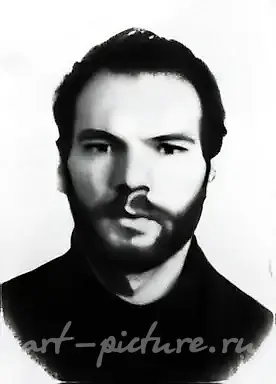
Born in 1962 in Salsk, Rostov Region. Studied at Grekov Art College in Rostov-on-Don in 1979, and from 1983-88. From 1986-89, worked as an artist at the Musical Comedy Theatre in Rostov-on-Don. Member of the association 'Art or Death' since 1987. Since 1989, resides and works in Moscow. From 1991 to 1993, worked at the 'Na Trekhprudnom' studios. Since the late 1990s, lives and works in Germany and France. Currently lives and works in Moscow and Berlin.
Works in collections
State Tretyakov Gallery, Moscow; State Russian Museum, St. Petersburg; Ministry of Culture, Moscow; State Center for Contemporary Art, Moscow; Shchusev Architecture Museum, Moscow; Ekaterina Foundation, Moscow; Museum of Contemporary Art, Moscow; Museum of Contemporary Art art4.ru, Moscow; Contemporary Art Collection of the State Tsaritsyno Museum-Reserve, Moscow; Rostov Art Museum, Rostov-on-Don; Ivanovo Art Museum, Ivanovo; Samara Art Museum, Samara; Art Museum, Nizhny Tagil; Rostov Regional Museum of Fine Arts, Rostov-on-Don; Odessa Museum of Contemporary Art, Odessa; Centre Pompidou, Paris; Museum of Contemporary Art, Rome; Museum of Contemporary Art, Avignon; Davis Museum and Cultural Center at Wellesley College, Boston, USA; Kizi Collection, Oklahoma, USA; Villa Haiss Museum, Zell am Hammersbach, Germany; Paolo Spravieri Collection, Rome; Alberto Sandretti Collection, Milan; Nomas Foundation Collection, Rome; Museum of Contemporary Art, Avignon, France; P. Sprovieri, Rome, Italy; Idigov-Produkt Company, Moscow; Bank "Moskovia", Moscow; Incombank, Moscow; Stolichny Bank, Moscow; Rinako Bank, Moscow.
Exhibitions and auctions
SOLO EXHIBITIONS: 2009 - "Towers", Fondazzione Volume, Rome. 2008 - "Sarcophagus", Lenin Museum, Krasnoyarsk. 2007 - "Graphics of Completions", Fabrika Bolshaya Ivanovskaya Manufactory, Ivanovo. "Ideal Landscape", Nina Lumer Gallery, Milan. "Golden Age", Kunstverein, Baden-Baden. 2006 - "Golden Age. Retrospective", Ludwig Museum, Oberhausen. "Golden Age", Krinzinger Gallery, Vienna. "Sarcophagus", PROJECT_FACTORY, Moscow. "Exhibition dedicated to the Age of Enlightenment. The Effect of Detachment", Orel Art Gallery, Paris. 2005 - "Relics. Made in USSR", Gelman Gallery, Moscow. "Iconuses, Dress of Space", State Russian Museum, St. Petersburg. (And many more as per original list.) GROUP EXHIBITIONS: 2009 - "Art or Death", Part of the Third Moscow Biennale of Contemporary Art, Moscow Museum of Contemporary Art, Moscow. "The Future Depends on You. New Rules", Moscow Museum of Contemporary Art, Moscow. (And many more as per original list.)
Author about himself
I distance myself from contemporary art because I do not engage in it. My focus is on a pure and terrifying category inaccessible to man – the tragedy of dying, of fading away. What existed yesterday, does not today. Man bears this drama all his life, and this is what everything is dedicated to, be it Greek ruins or your own Soviet personal life, which turns to dust, your memory, health, everything. The eternal human theme. And the pictures are a metaphor for this idea. Like mourners. From an interview with A. Evangelia for the project "RUSSIAN POOR".
Critic
Valery Koshlyakov is an overlooked classic. He is present on the art scene, but at the same time absent, because he does not attend parties or appear on television. There are both external reasons—recent years spent living in Germany—and internal ones, arising from his character. In the late 1980s, after graduating from the Rostov art school, Koshlyakov worked at the regional musical comedy theater, living backstage. These were lean years, a time of vodka queues and ethical maximalism. Unsurprisingly, the Rostov brotherhood was called 'Art or Death.' Their main exhibition took place in a public toilet—a nod to Duchamp—and provoked a regional scandal. Moving to Moscow in the early 1990s, the group of artists settled in a small attic house lost in the labyrinth of Tverskoy lanes. Koshlyakov brought the underground spirit to the surface of cardboard.
Painting after painting
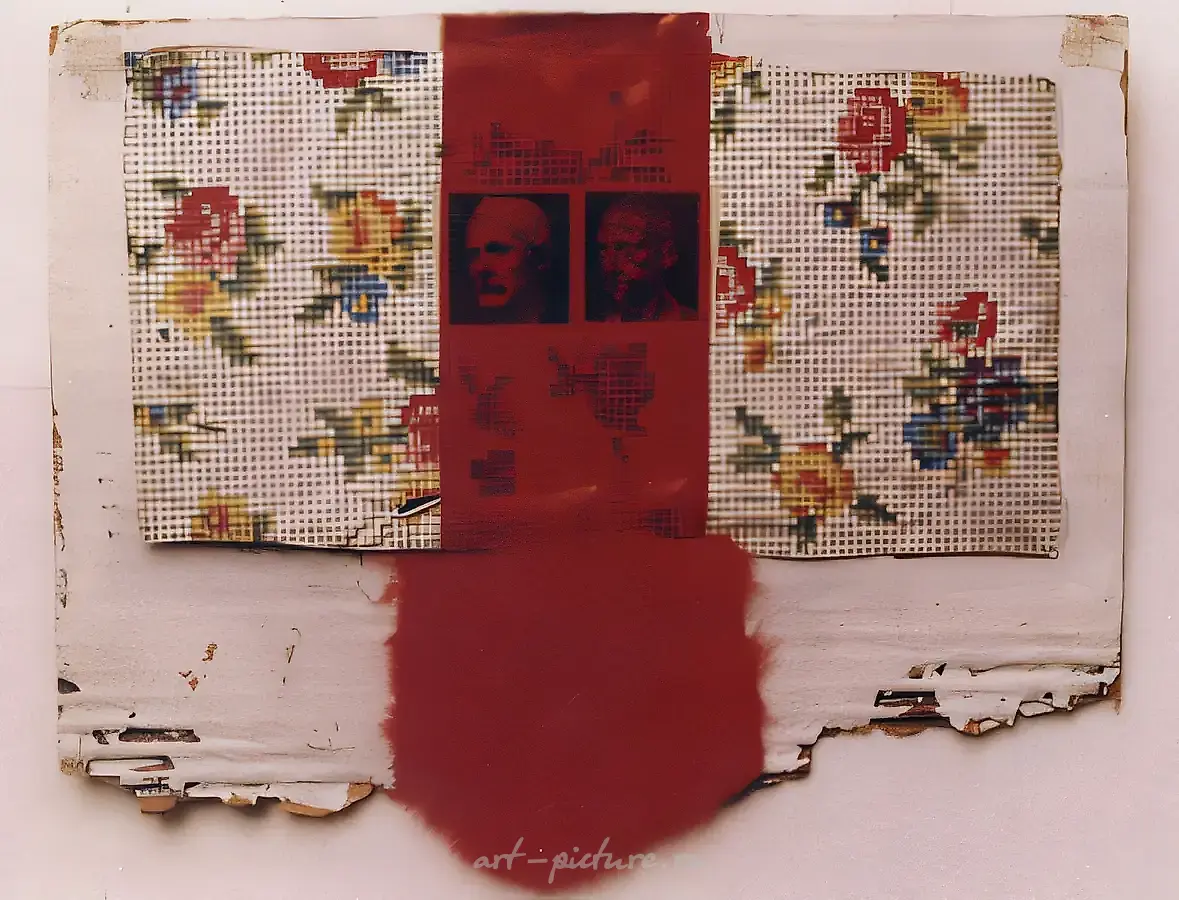
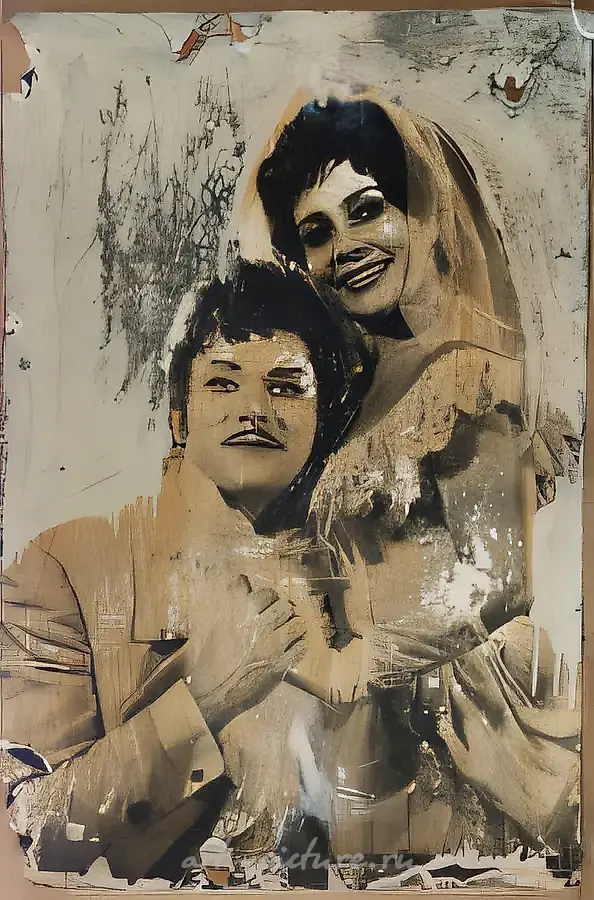
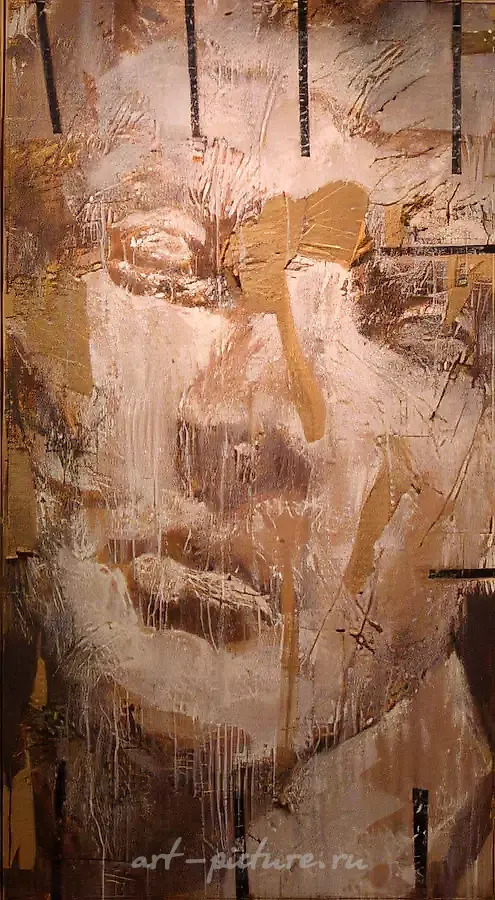
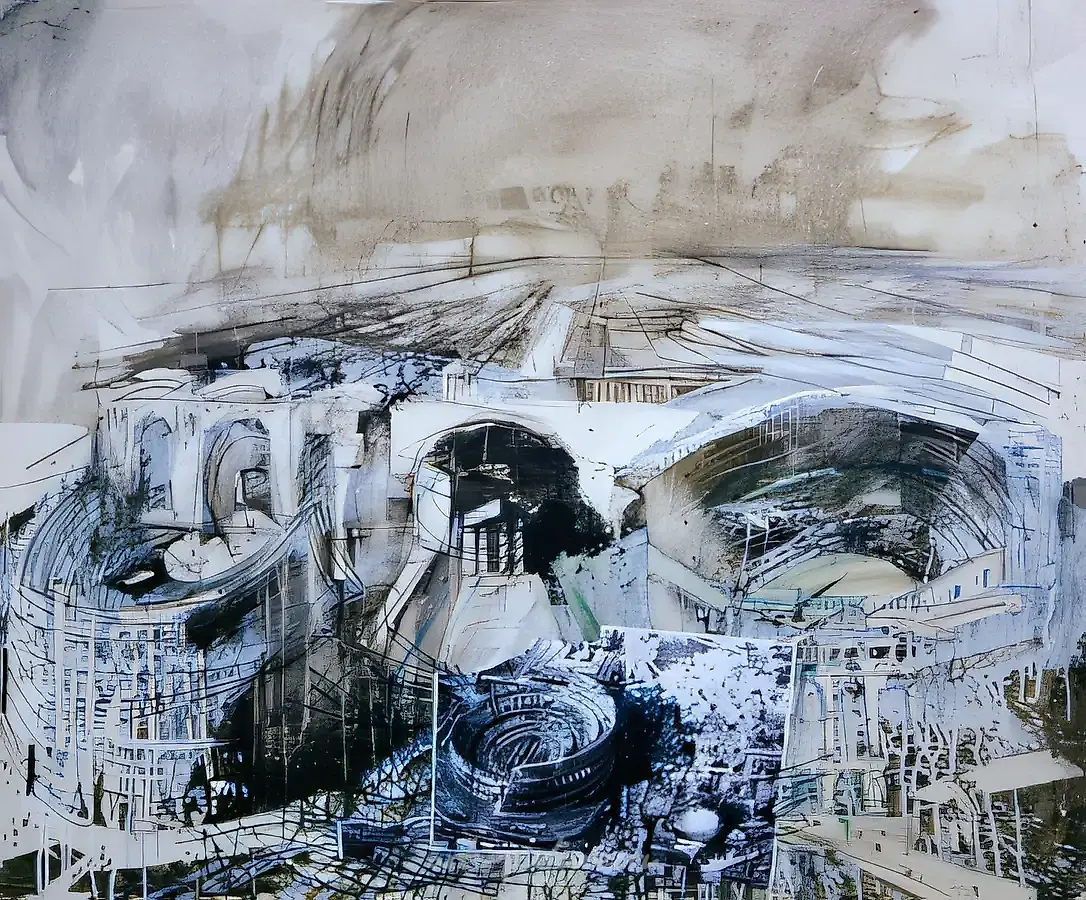
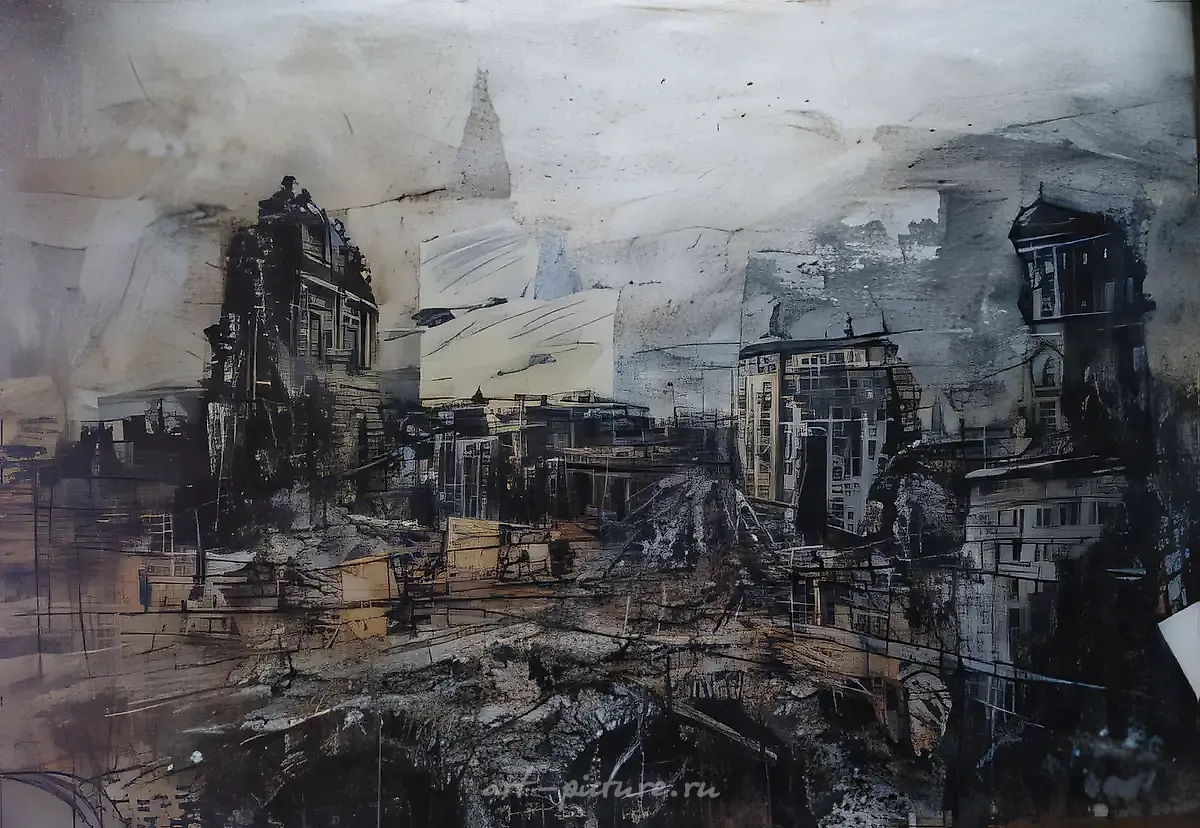
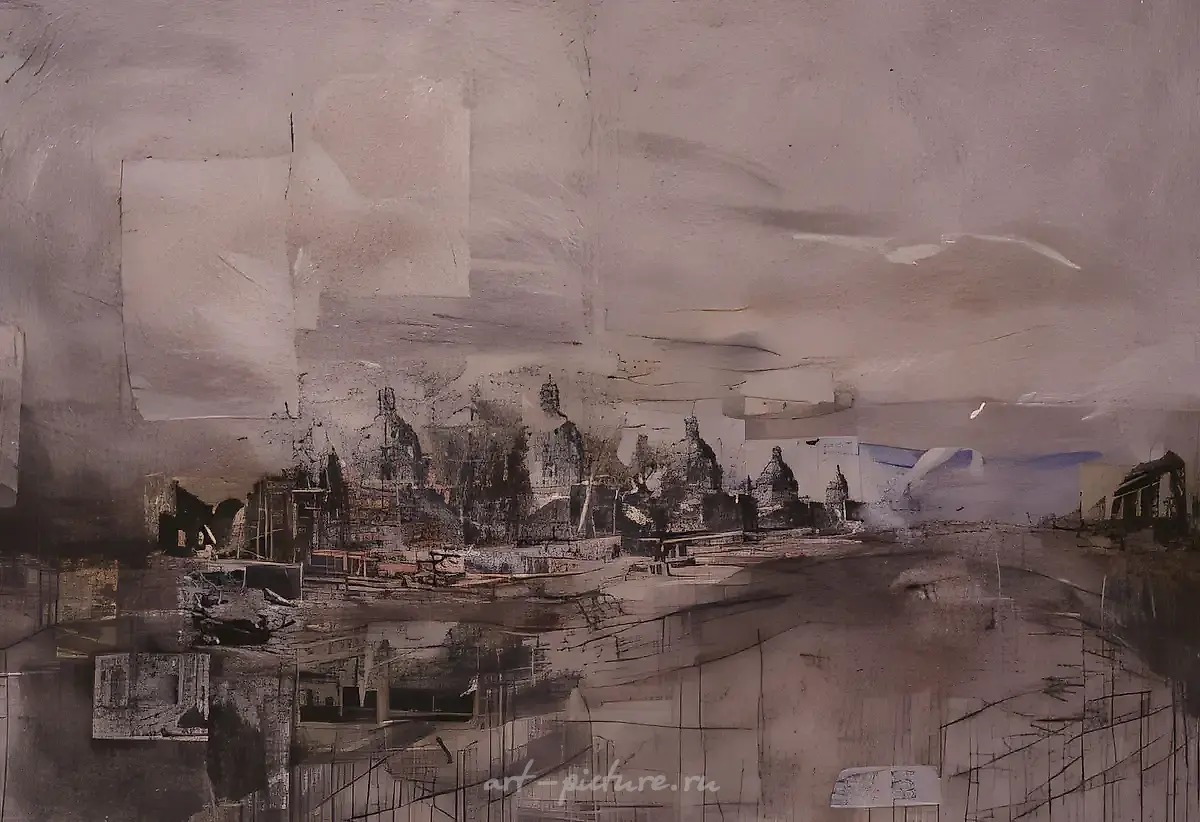
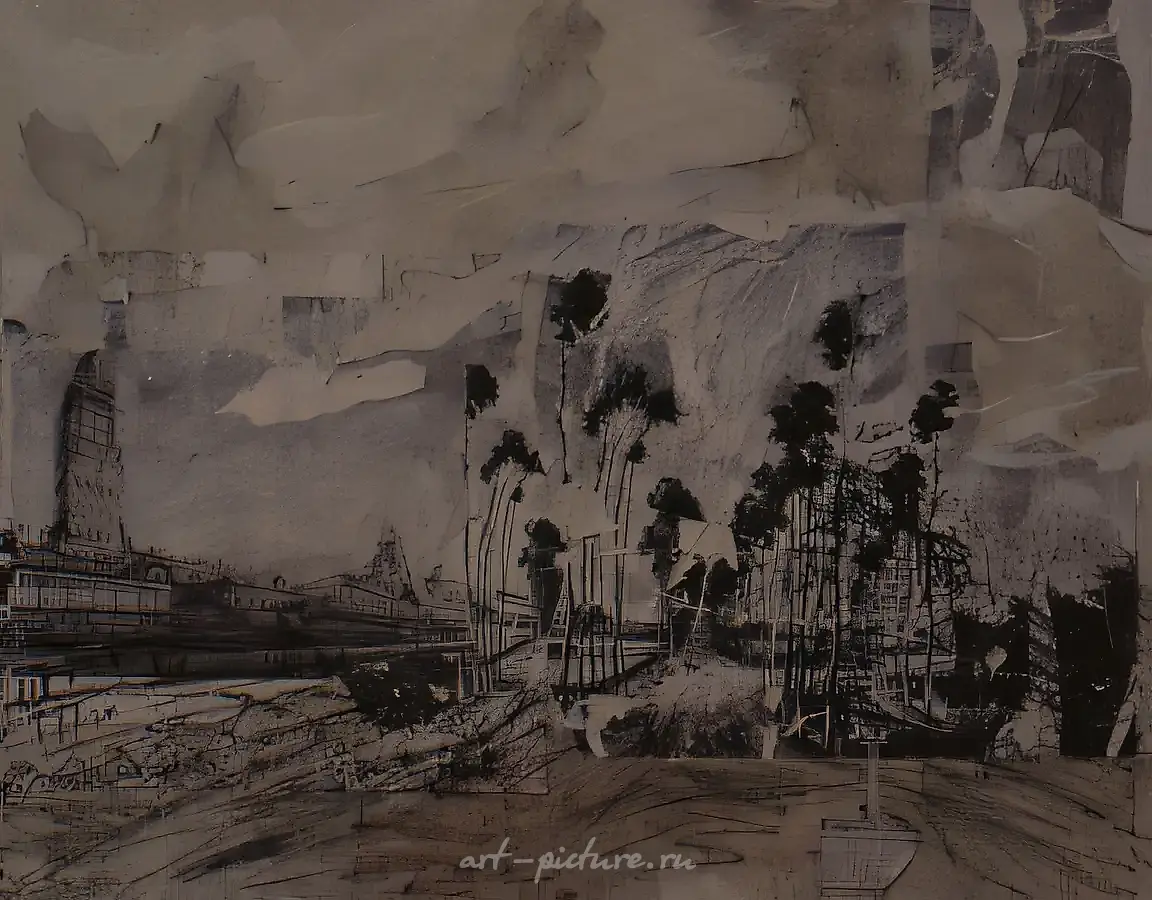
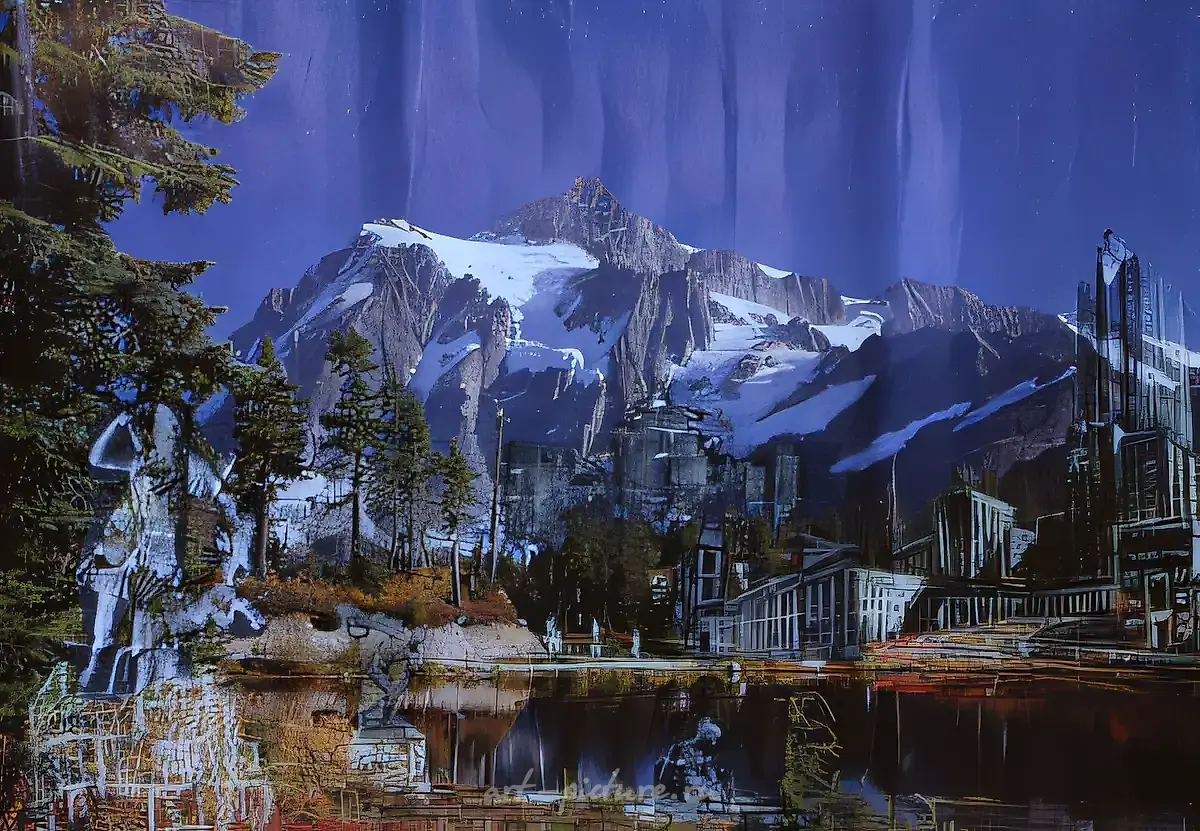
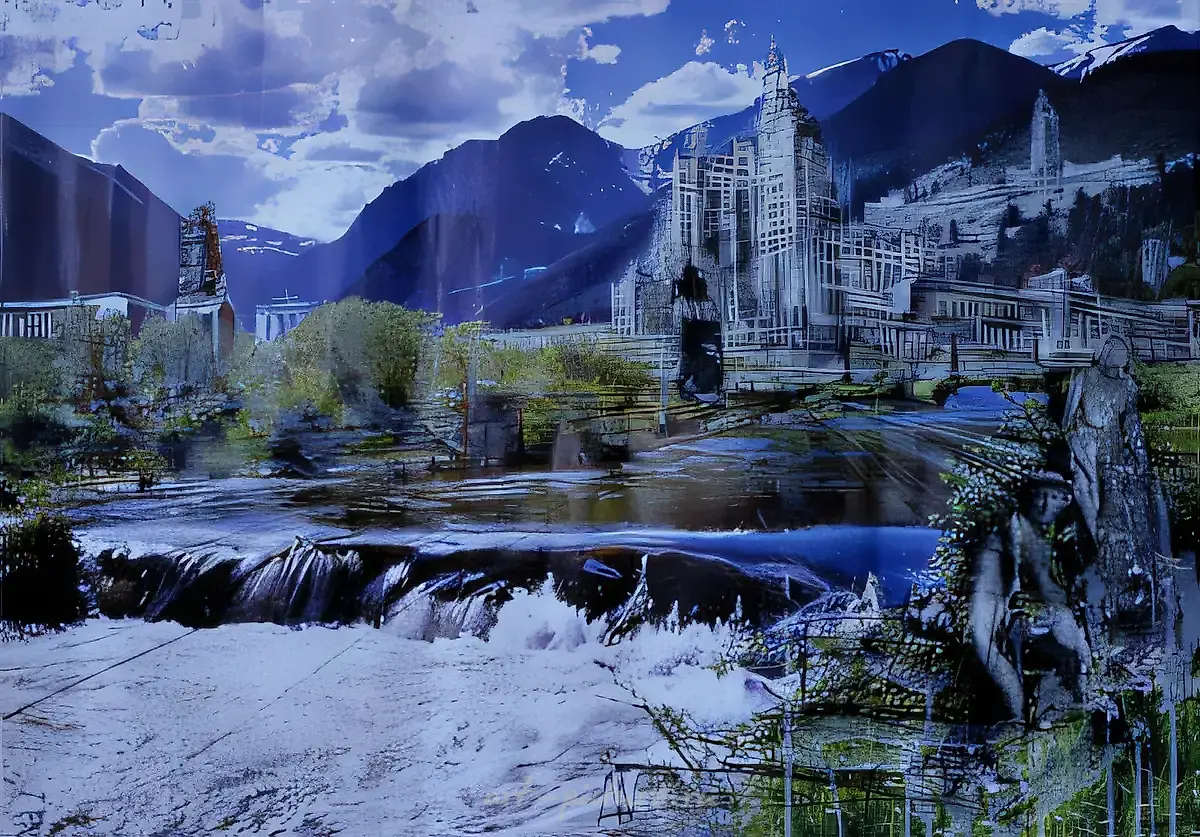
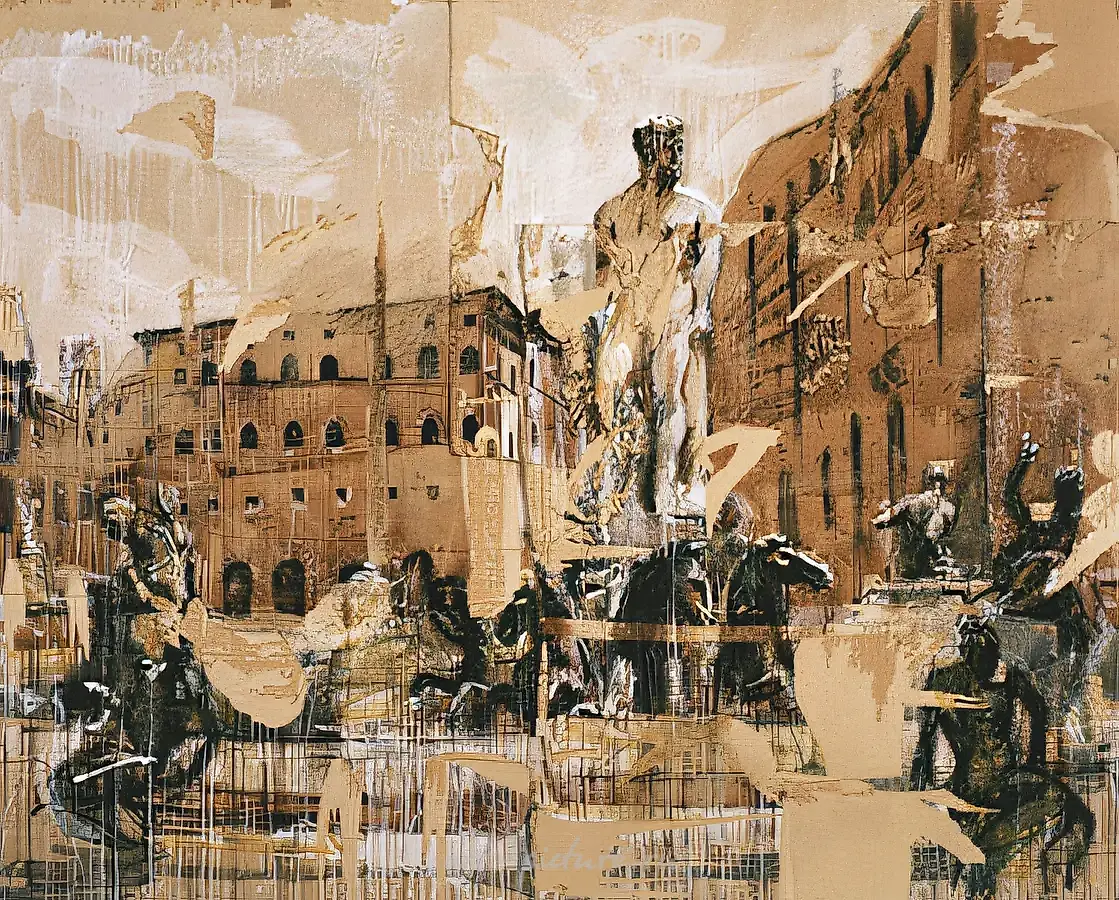
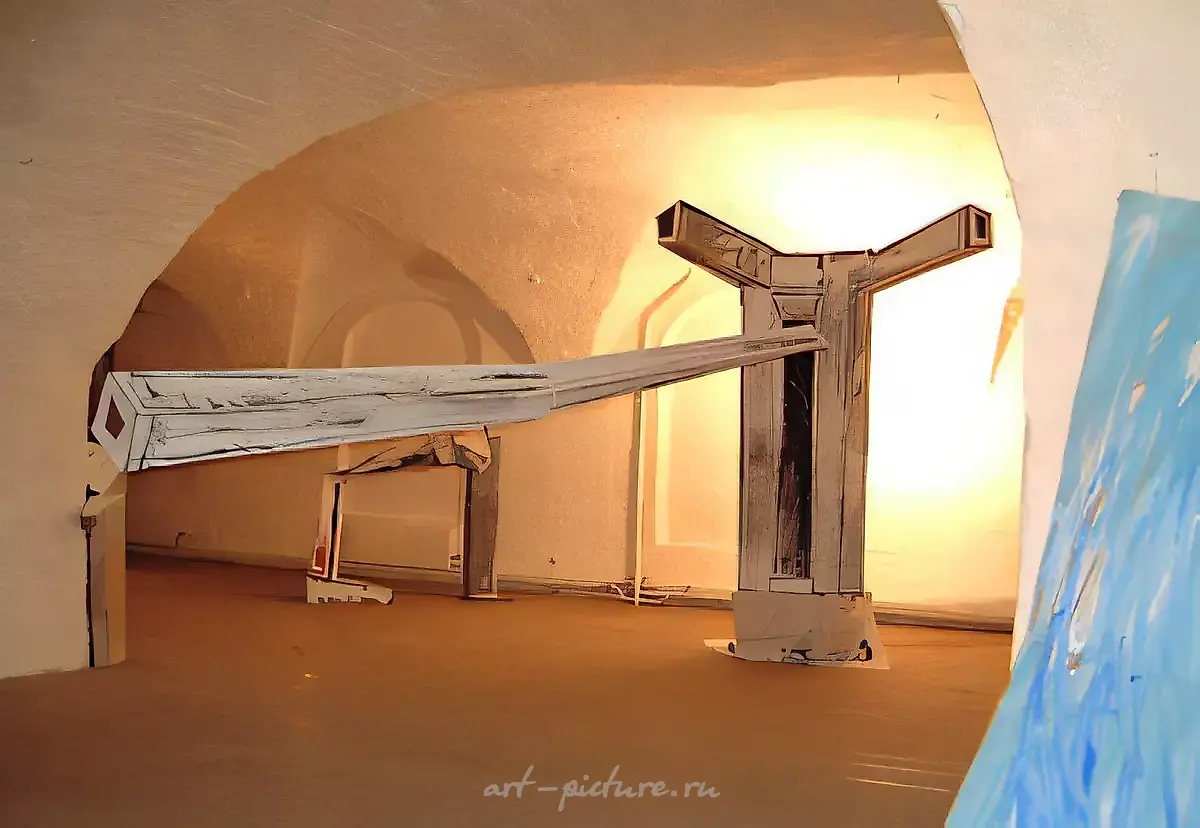
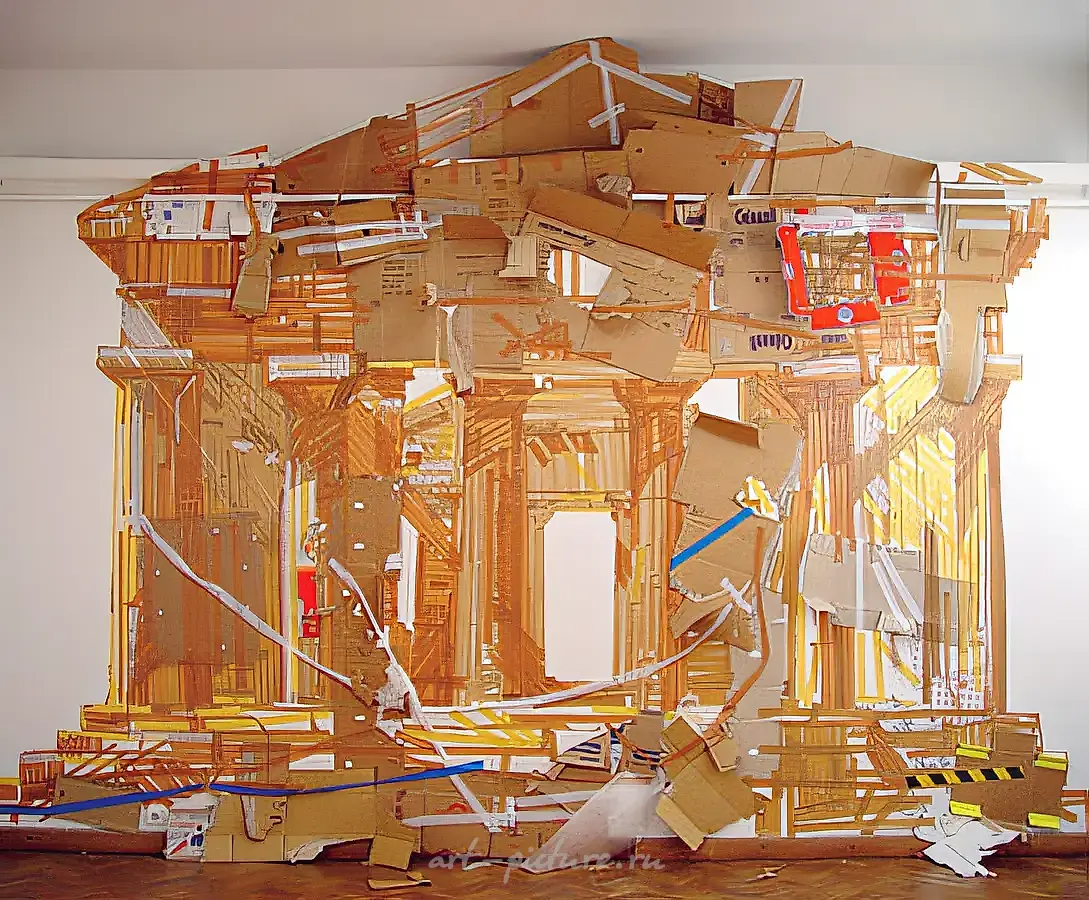
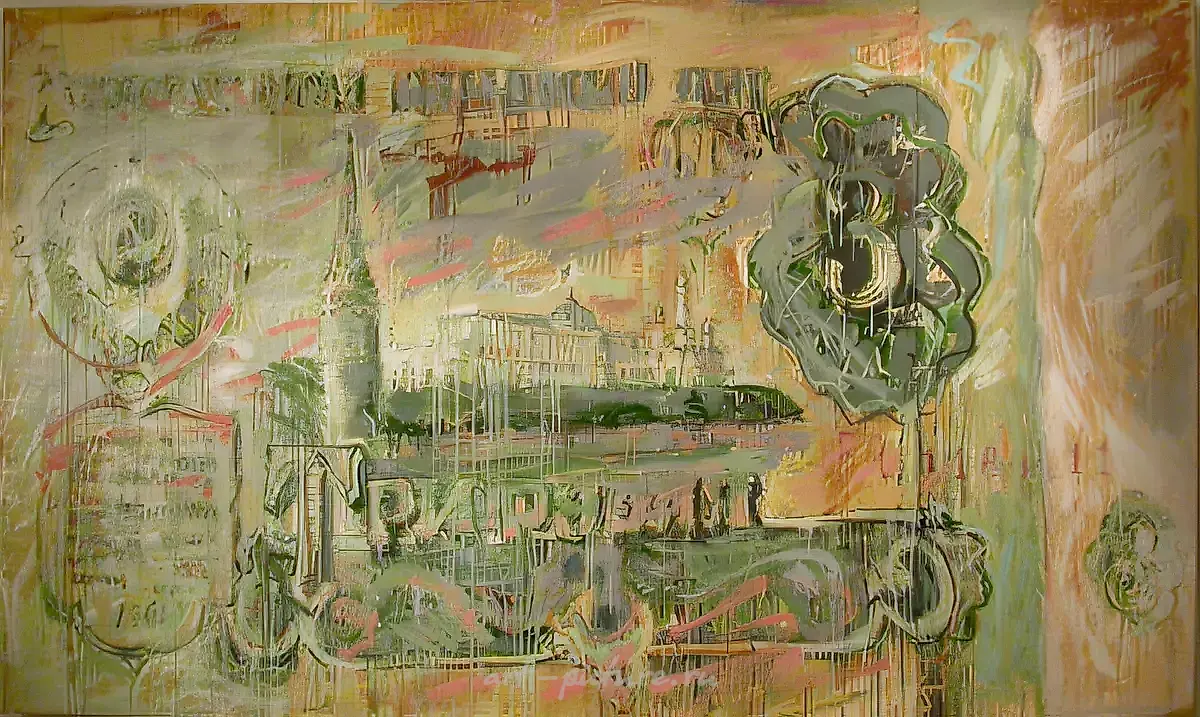
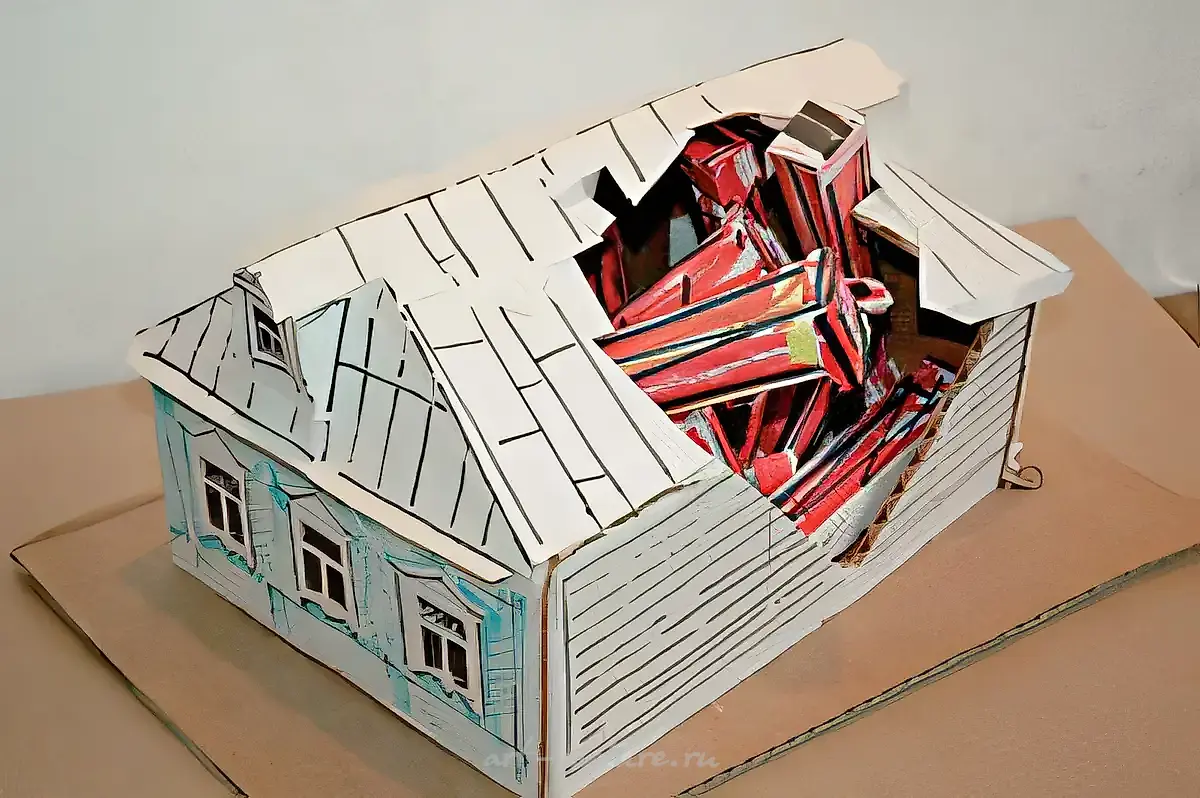
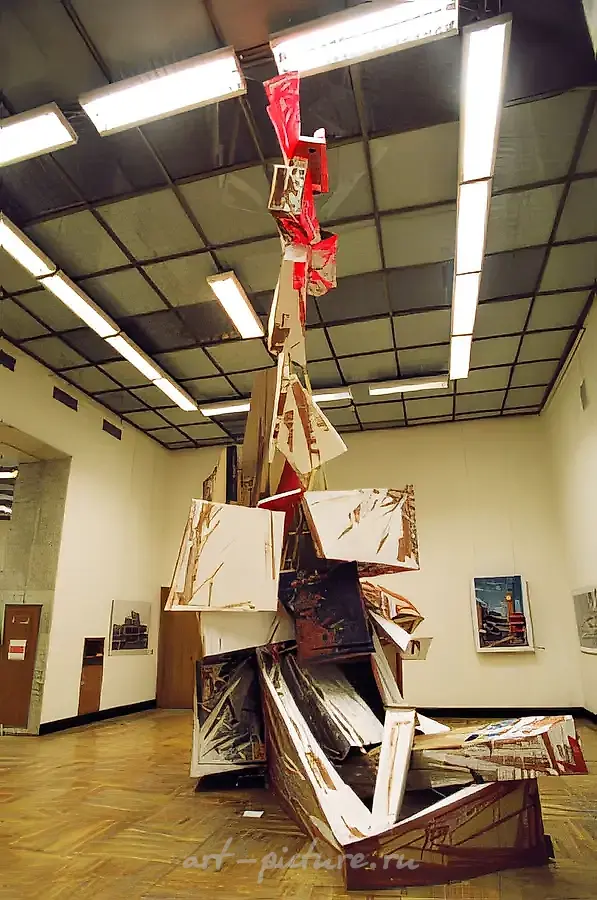
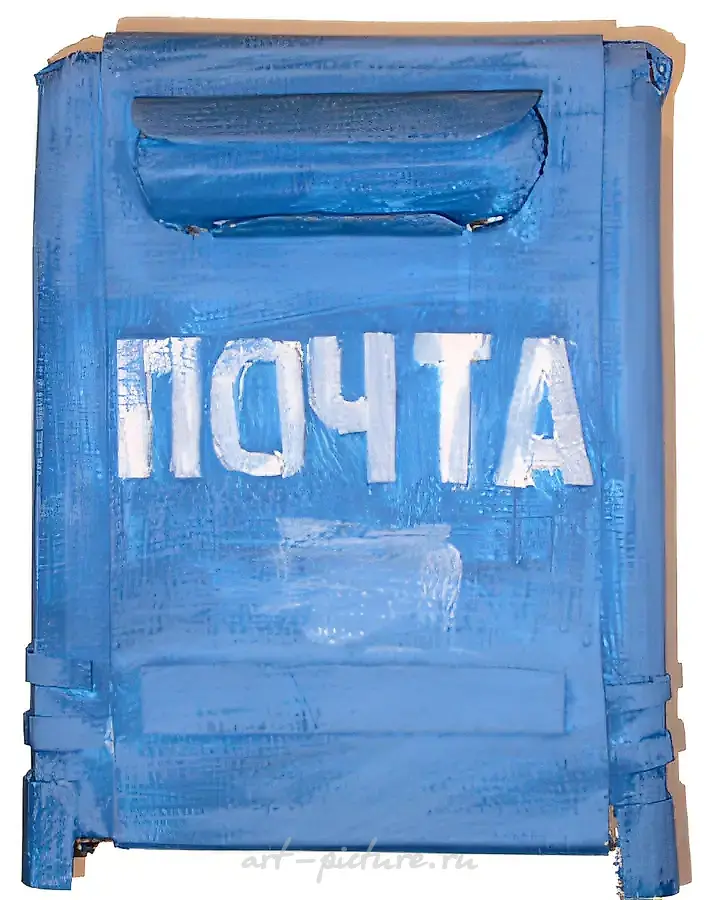
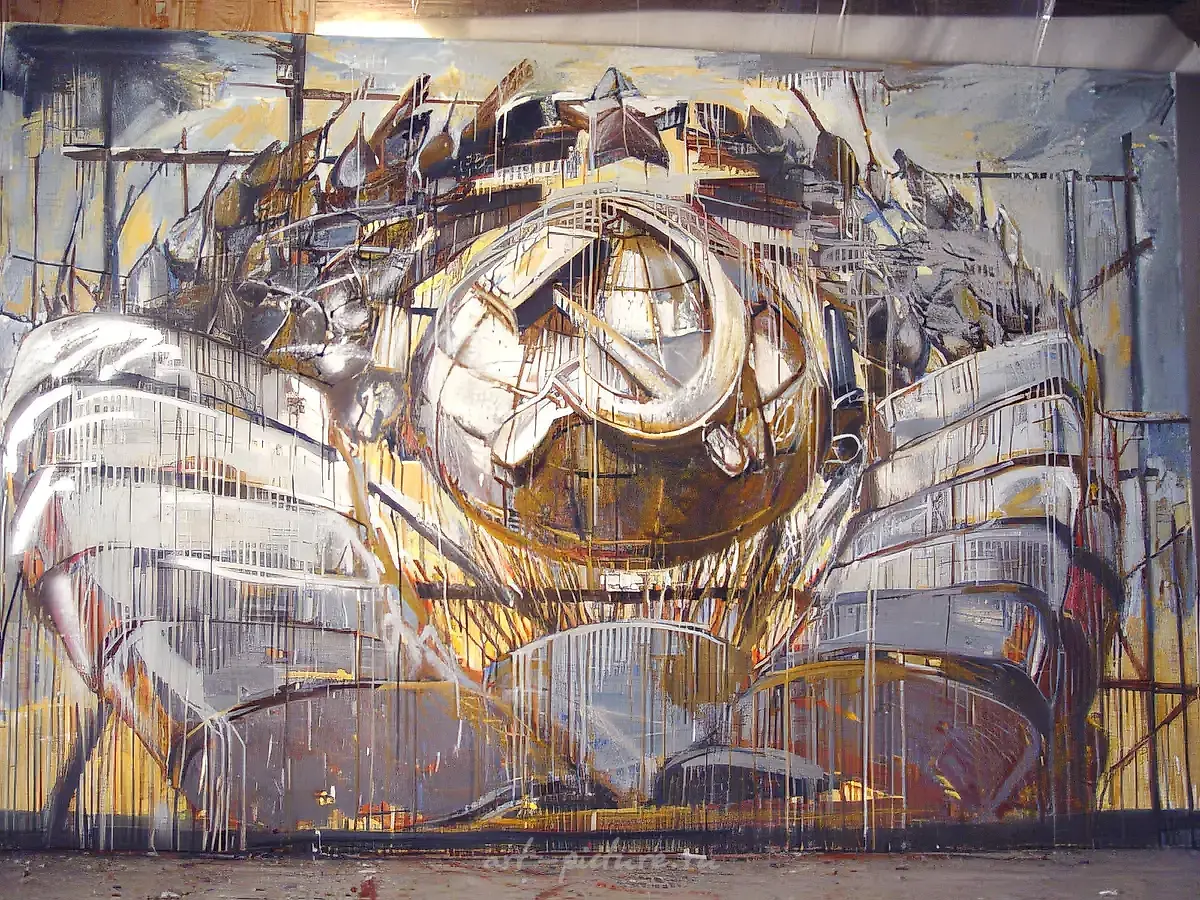
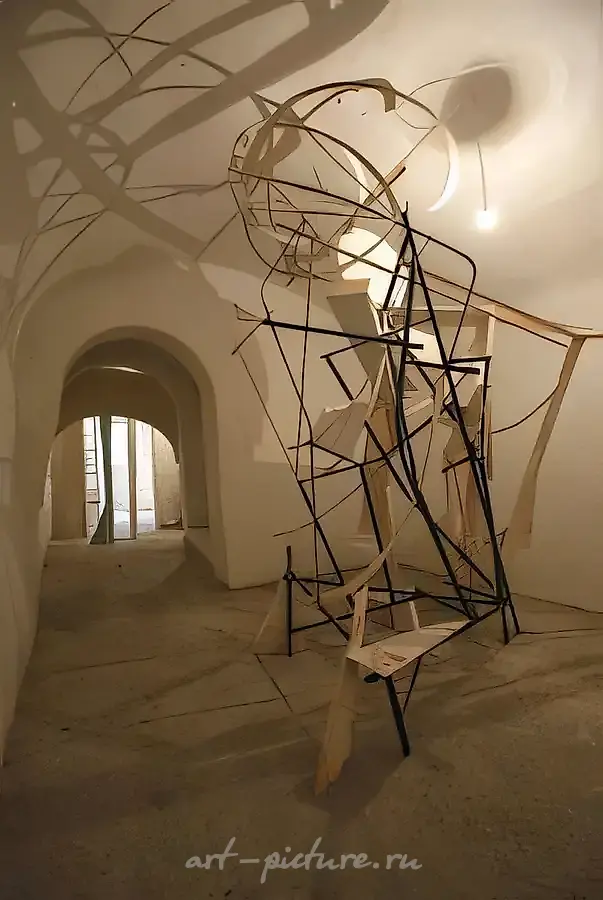
He became known in the 1990s as a painter, using and continuing to use painting on multilayered cardboard—corrugated, rough, 'unclean,' old, brownish-yellow, with uneven color and fiber inclusions. Koshlyakov treats the material familiarly: corners bent, surface warped, layers torn in scraps. Besides traditional painting, he uses pulp tearing, pushing the work into three dimensions, exposing the structure of cardboard. Sometimes painted details are missing, creating voids: the cardboard 'ribs' protrude, sometimes paint is applied directly on these ribs, existing as painting over a paper relief.
Such an approach to material is more typical of Italian Transavantgarde than Moscow conceptualism. Both strove to find out how to paint after painting’s 'death': Muscovites turned to discourse; Italians broke from the surface. Koshlyakov's teachers are in the West. His art is a living alternative to conceptualist methods still popular in Moscow.
Russian ruins
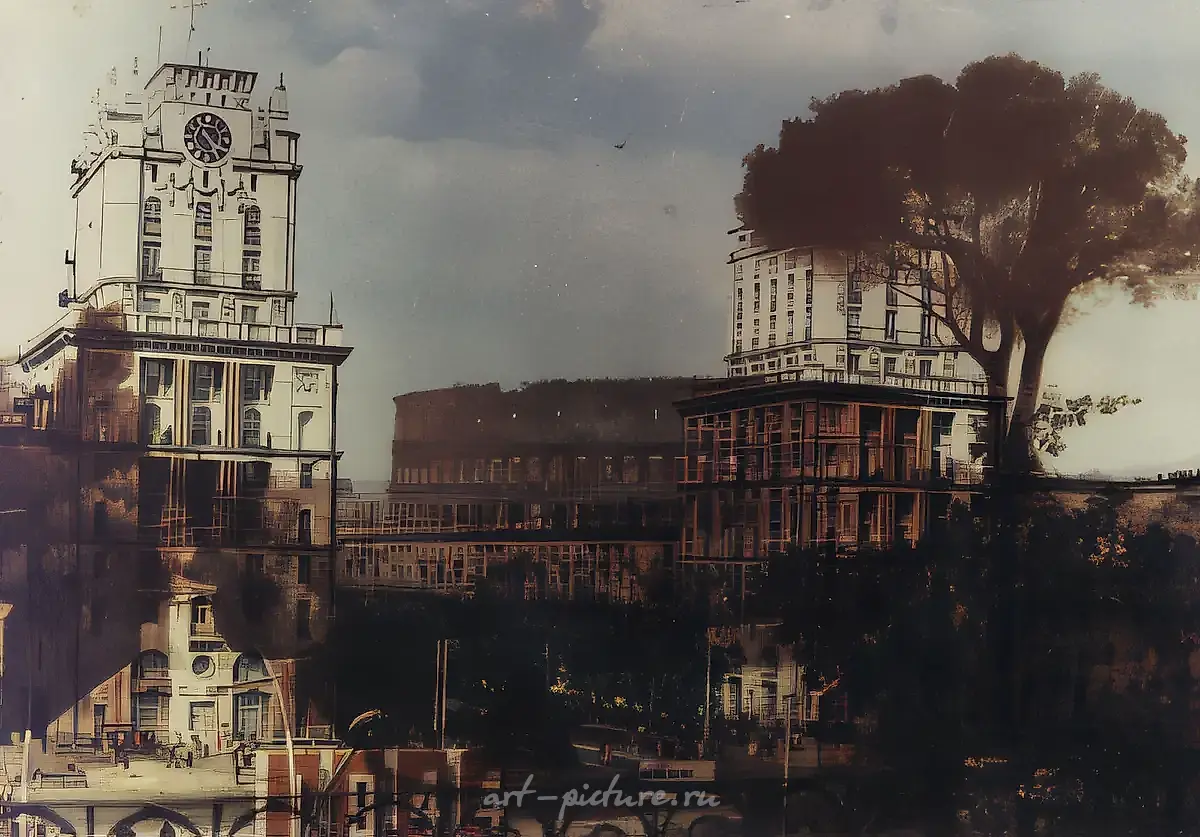
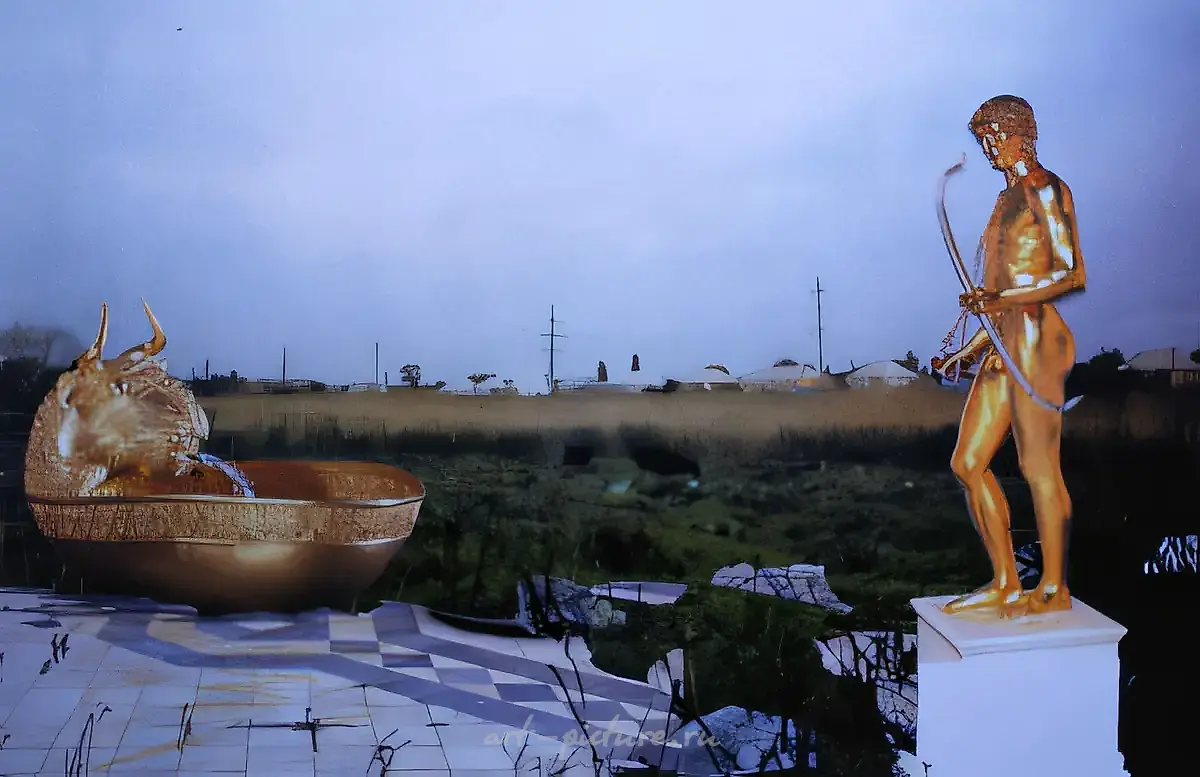
Ruins are Koshlyakov’s ancient theme. Fifteen years ago he began drawing classical ruins: Colosseum, Hadrian’s villa, Pompeian houses—not just as subject matter, but as a method: ruination of painted surfaces. Time distorts buildings; Koshlyakov ruins the picture plane. Form matches content. His new project is about postindustrial landscape, discovering beauty of ruins—now, Soviet ruins. From classical ruins, he turns to models of the Soviet collapse. (Much more follows in original list.)
Quotes from Mikhail Sidlin, Natalya Ulyanova and exhibition catalogues follow the main argument, developing Koshlyakov’s approach, media, themes, techniques and significance.
Bibliography
Erofeev A., Valery Koshlyakov (1962, Rostov-on-Don)... // Segodnya. – 1993. Kulik I., V. Koshlyakov, Yu. Shabelnikov... // Khudozhestvenny Zhurnal. – 1995. – N 9. – p. 126-127. Duets. Moscow: 1992. Great Magicians of Painting. Moscow: 1990. Kovalev A., Between the Utopias / New Russian Art during and after Perestroika (1985-1993). – London.: 1995. – pp. 86-89. New Russian Art / Painting from the Christian Keesee Collection. – USA. – Pasadena.: 1995. – pp. 62-65. Contemporary Art from Russia. – Germany. – Munich. – 1995. Braun A., Bauplatz mit Kunstanspruch // Stuftgarter Zeitung. – 1996. – June 20. – N 166. Brunnen der Erinnerung/Valerij Kosljakov in der Stuttgarter Galerie Bischoff // Stuftgarter Zeitung.- 1995. – May 16. Perhaps only in Russia could galleries emerge to stimulate the creation of what ought to exist // Art magazine. – 1992. – January. – pp. 52-53. Russische Visionen/Moskauer Kunstler in der Stuttgarter Galerie Bischoff // Stuftgarter Zeitung. – 1995. – April 10. Holffmann G., Phantasien auf Pappkarton // Kultur/Szene. – 1995. – May.
Works 21