Natalia Igorevna Nesterova
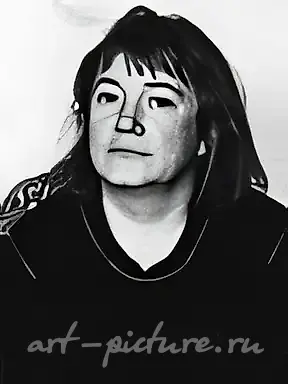
Natalia Igorevna Nesterova (April 23, 1944, Moscow – August 10, 2022, New York, New York) was a Soviet and Russian painter, educator, and professor. Honored Artist of the Russian Federation (1994). Recipient of the State Prize of the Russian Federation (1999). Full member of the Russian Academy of Arts (2001). Member of the Union of Artists of the USSR since 1969.
Biography
Natalia Nesterova was born on April 23, 1944, into a family of architects in Moscow. Her grandfather, Nikolai Ivanovich Nesterov, who graduated from the Moscow School of Painting in 1915, played a significant role in introducing her to art. He studied alongside such artists as Robert Falk and Sergey Gerasimov and was a student of Konstantin Korovin, Filipp Malinin, and Leonid Pasternak. Nesterova recalled that her first portrait was of her grandfather, drawn when she was three. "My grandfather was a wonderful artist. His works hung on our walls, inviting me to wander into them. He taught me to play and to feel." Her grandmother, Anna Petrovna, also nurtured her appreciation for the arts by reading aloud to her during childhood; she most vividly remembered Lermontov's 'Demon.' Despite traveling to many countries, living in America, and staying in France, Nesterova always cherished memories of her childhood home.
In 1962, she graduated from the Moscow Art School at the Surikov Institute. From 1962 to 1968, she studied at the Moscow State Academic Art Institute named after Surikov (studio of Prof. D. D. Zhilinsky). Her diploma work was "Geologists." Member of the Union of Artists of the USSR since 1969; professor at the Russian Academy of Theatre Arts since 1991.
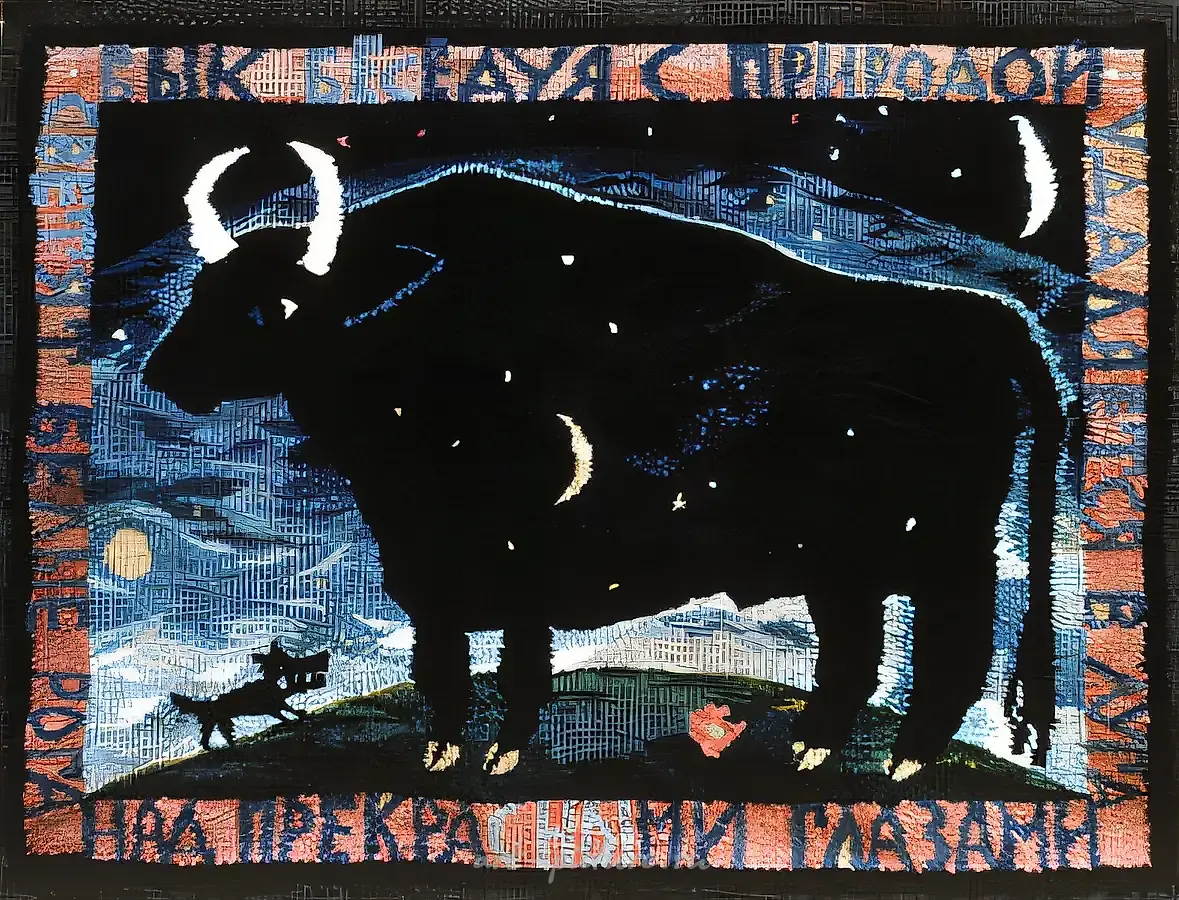
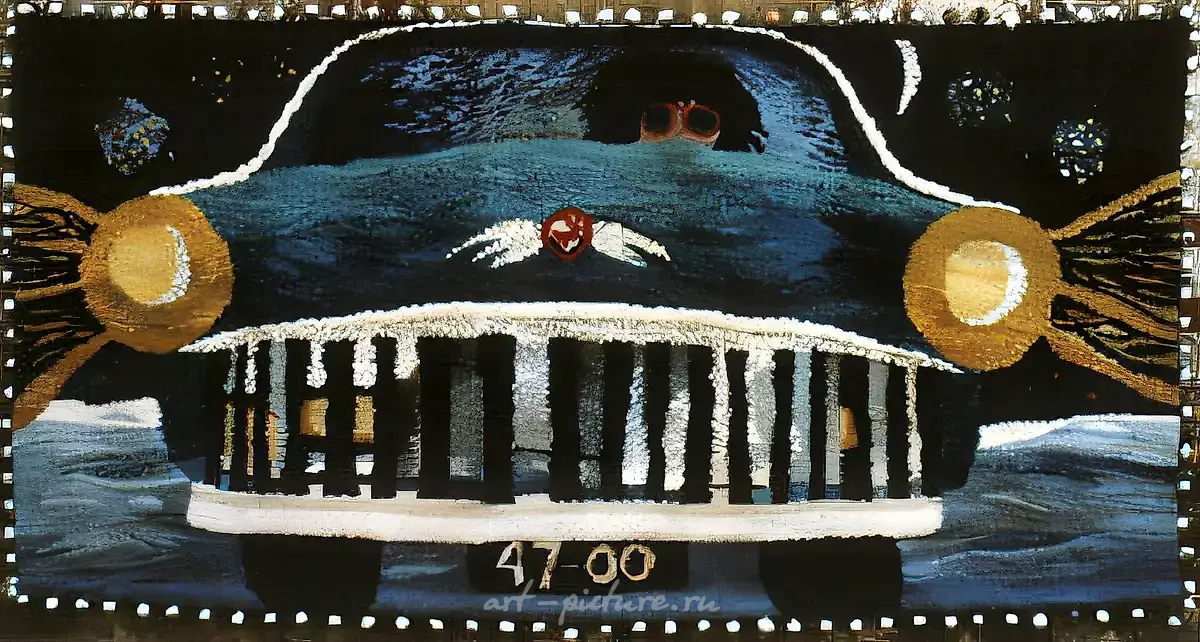
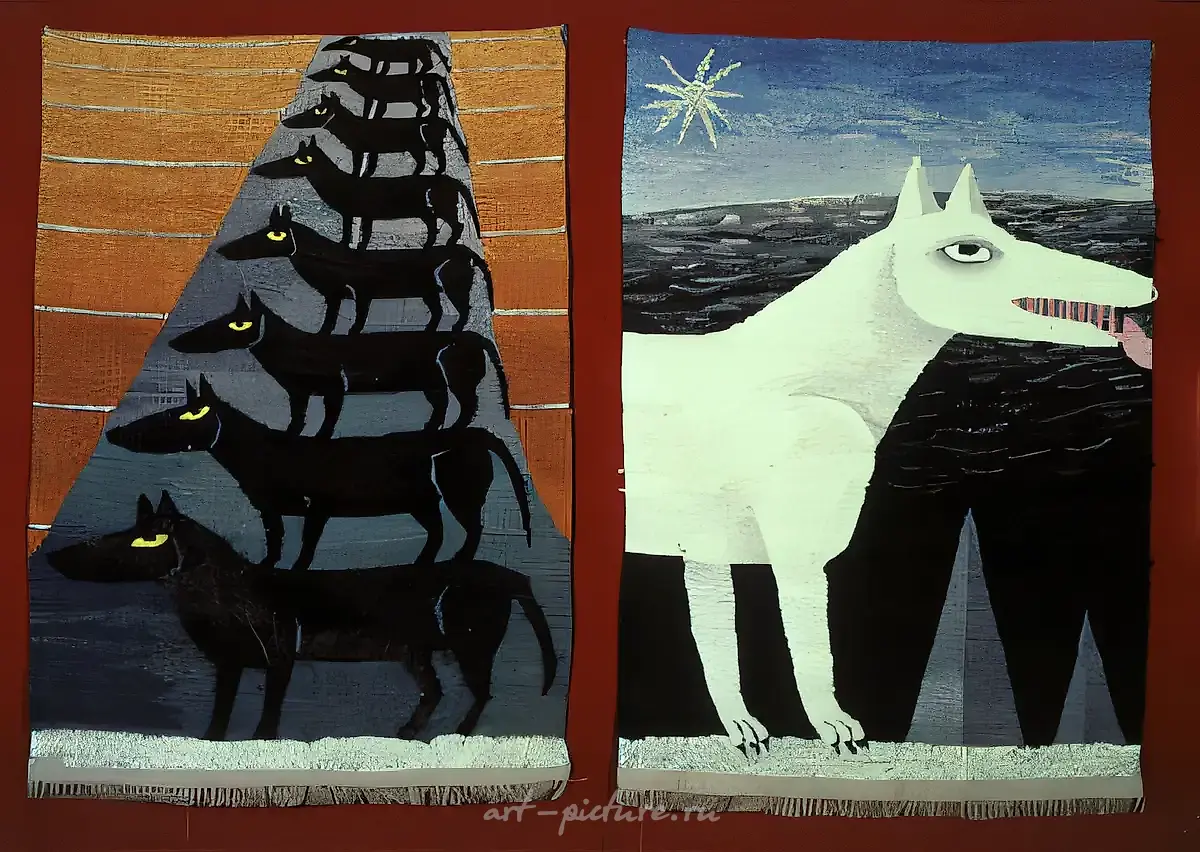
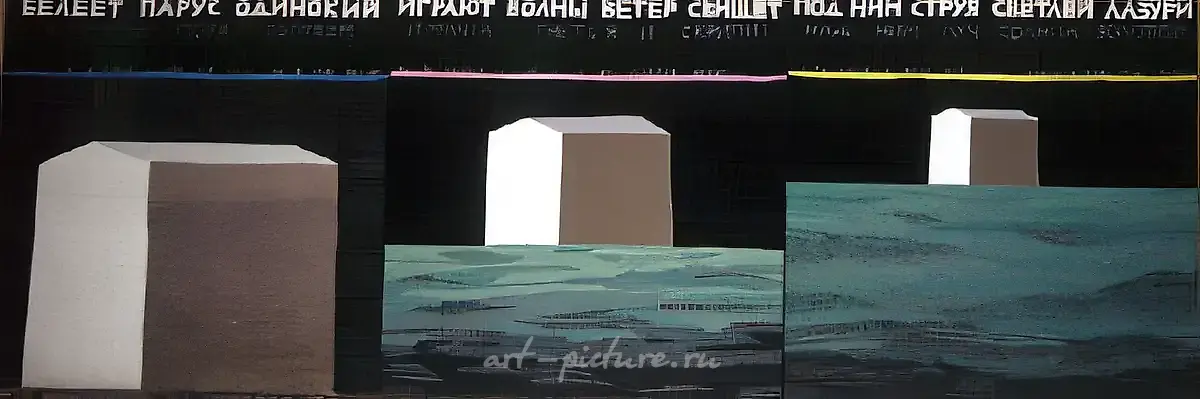
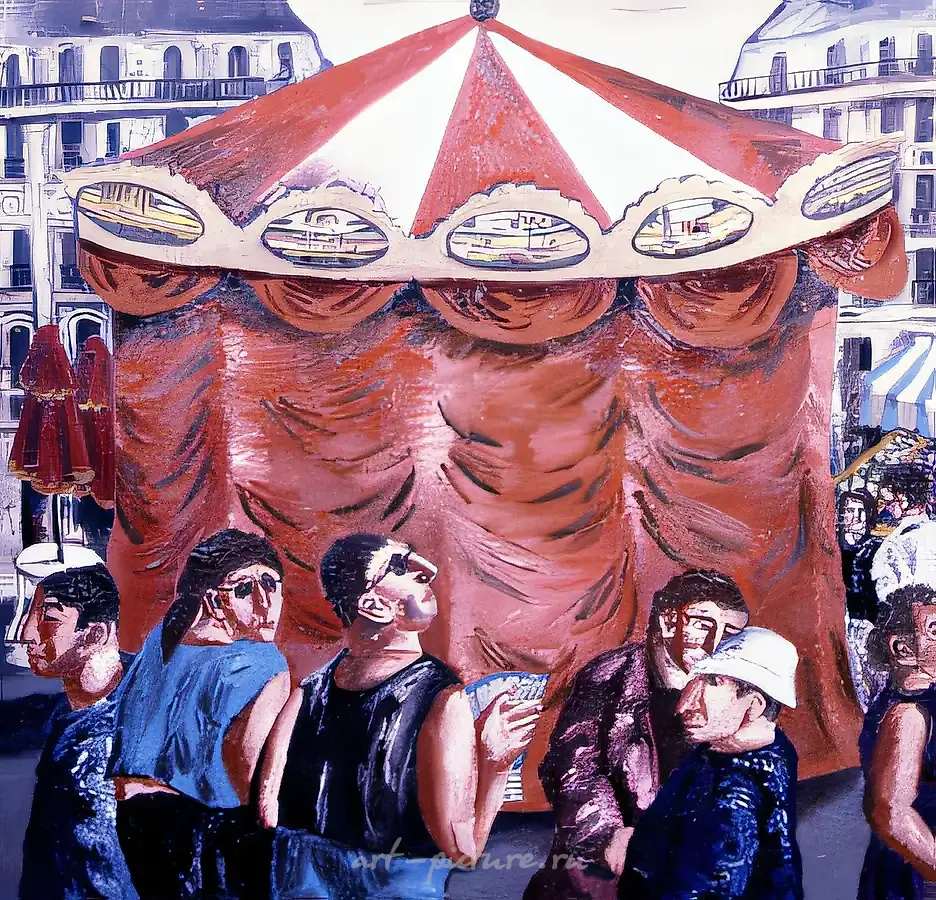
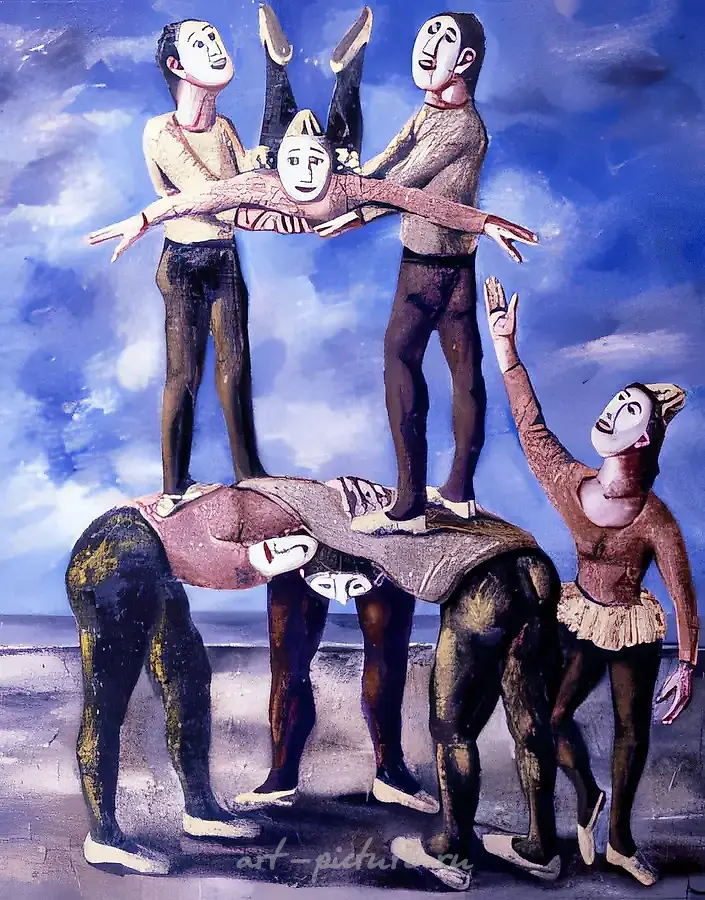
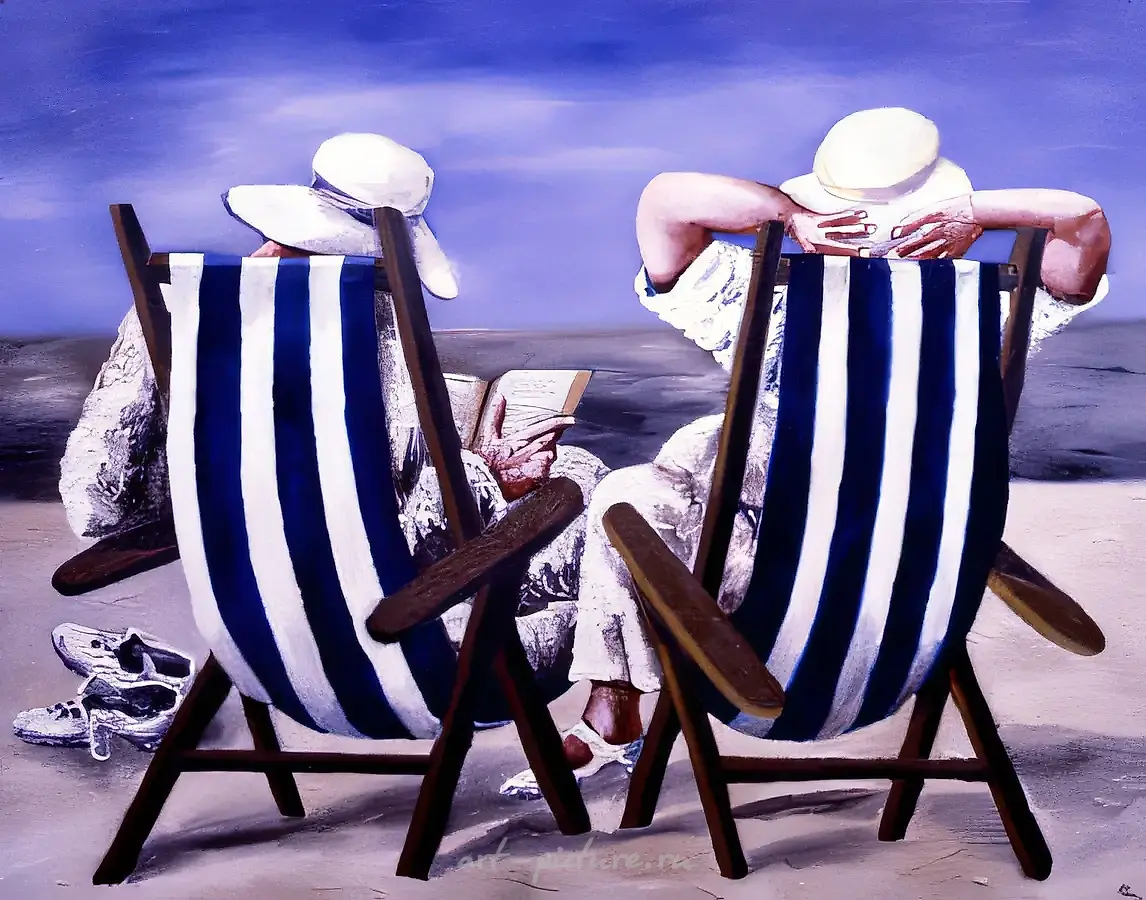
Later, Nesterova referred to Moscow as "gradually collapsing", a place with which she once had deep ties but no longer felt at home: "I always feel like an outsider—an observer, a watcher. As Moscow slowly falls apart, I find it more and more sad to contemplate." In 2012, she participated in the "Russian Amazons" exhibition at Alexandre Gertsman Contemporary Art Gallery, New York, alongside renowned artists Tatiana Nazarenko, Rimma Gerlovina, Maria Elkonina, and representatives of a new generation. Her works, now part of the canon of contemporary Russian art, are noted for their vivid colors and opposing themes—both poetic and grounded in everyday life. Her style, described as "juicy realism" by one article, also incorporates metaphysical elements.
She lived and worked in Moscow and the USA (since 1988).
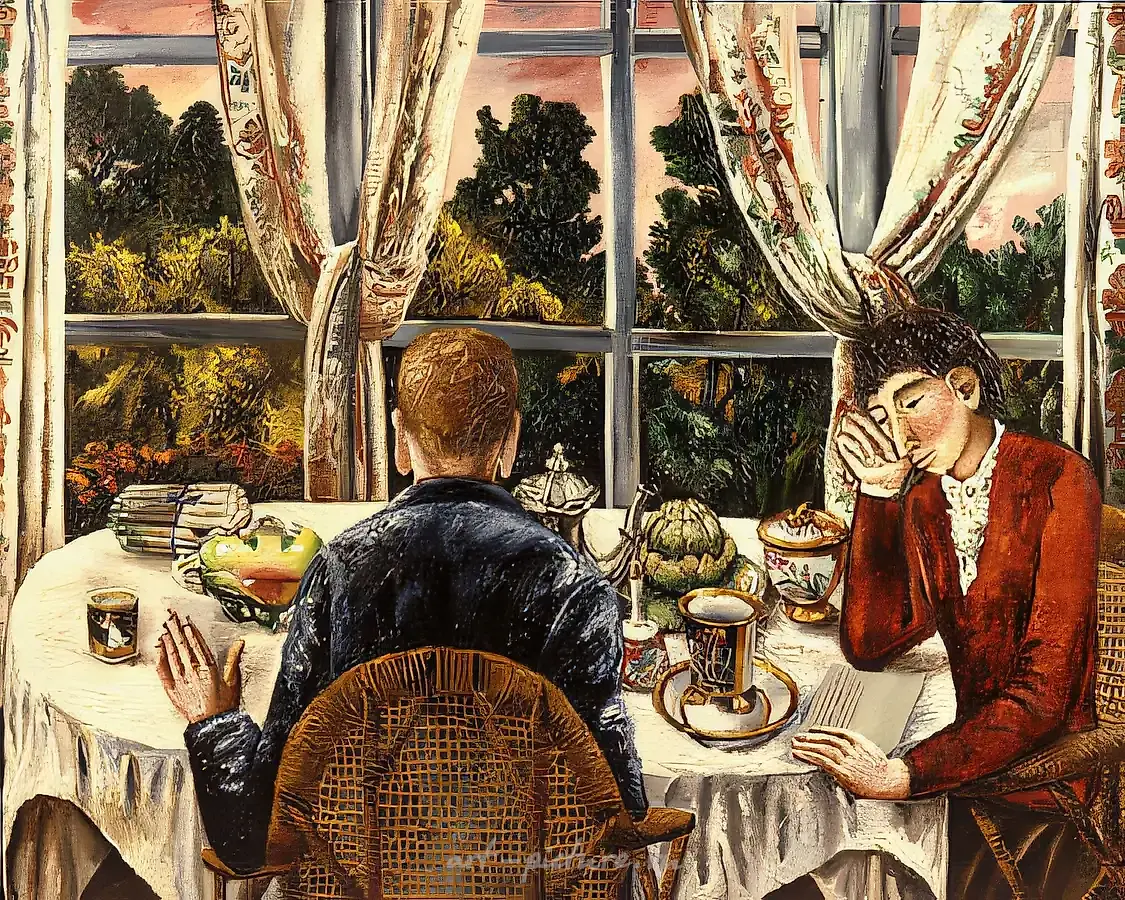
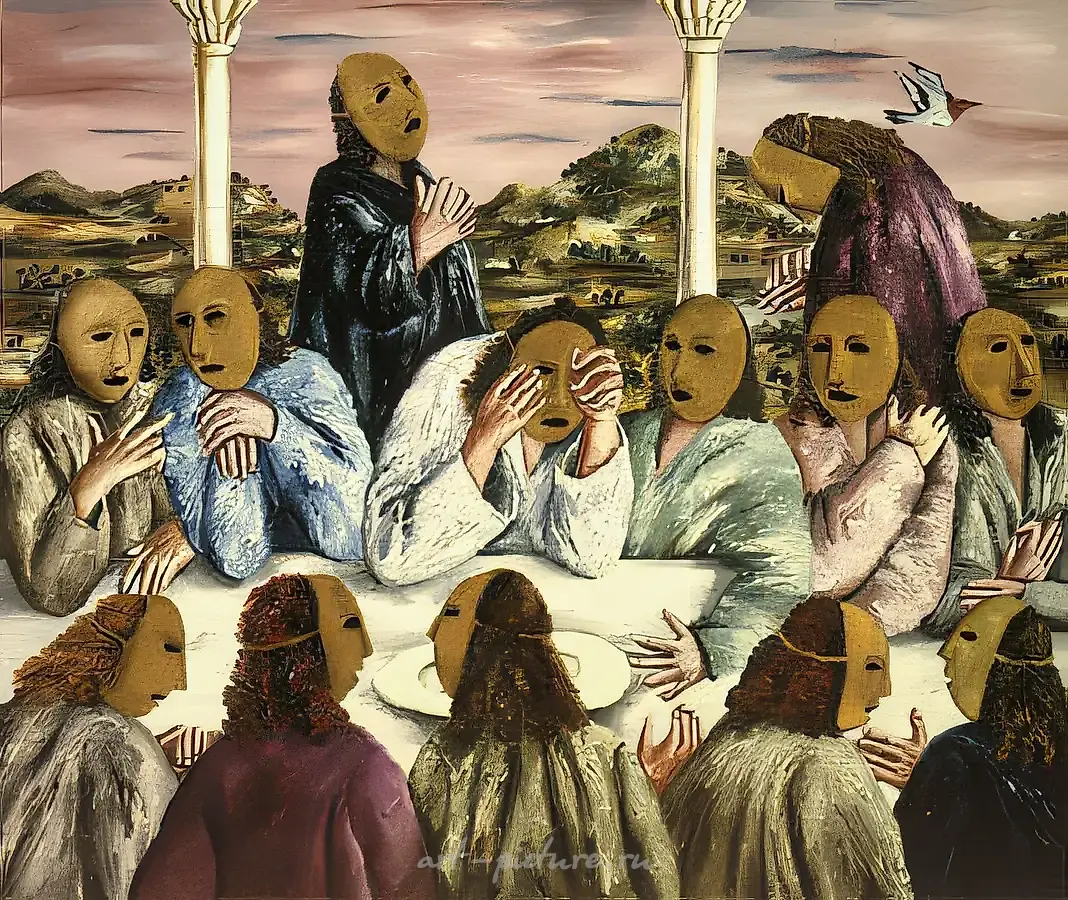
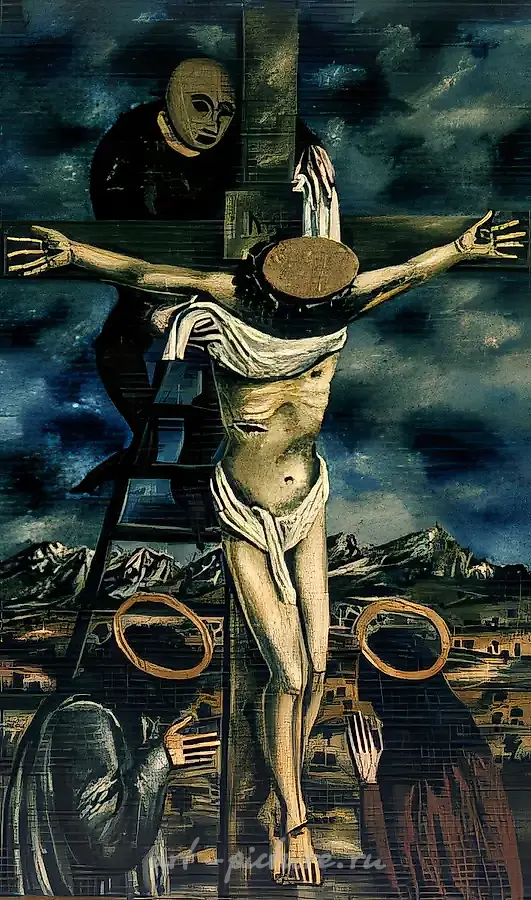
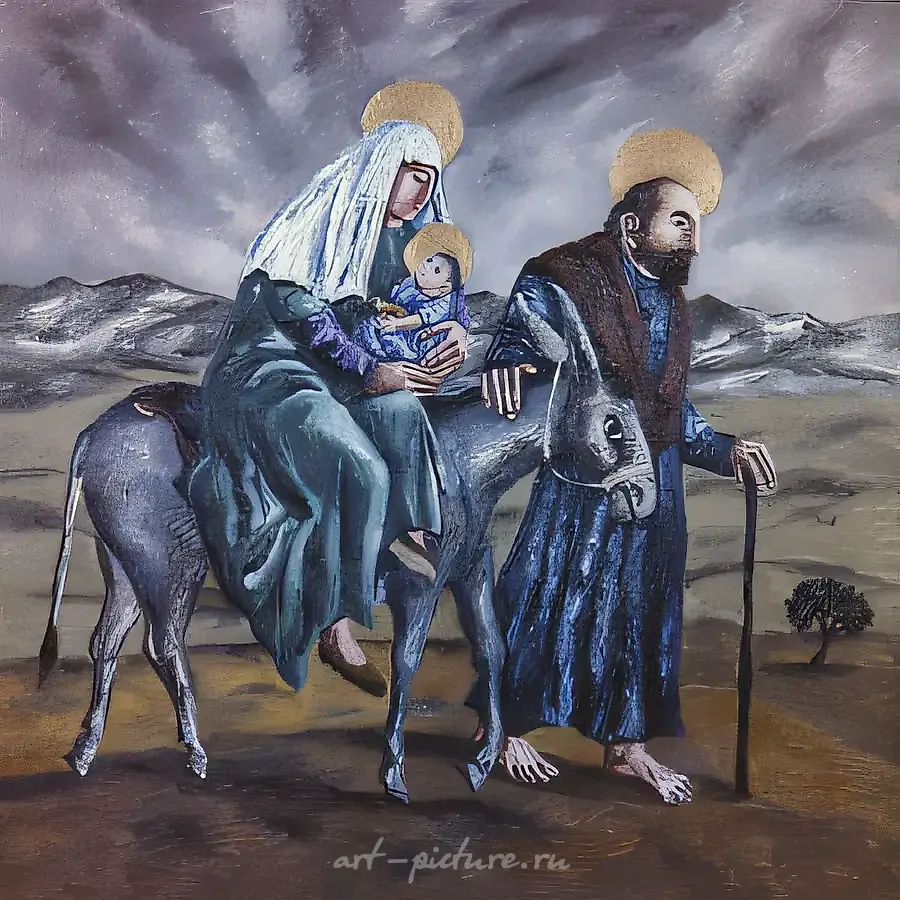
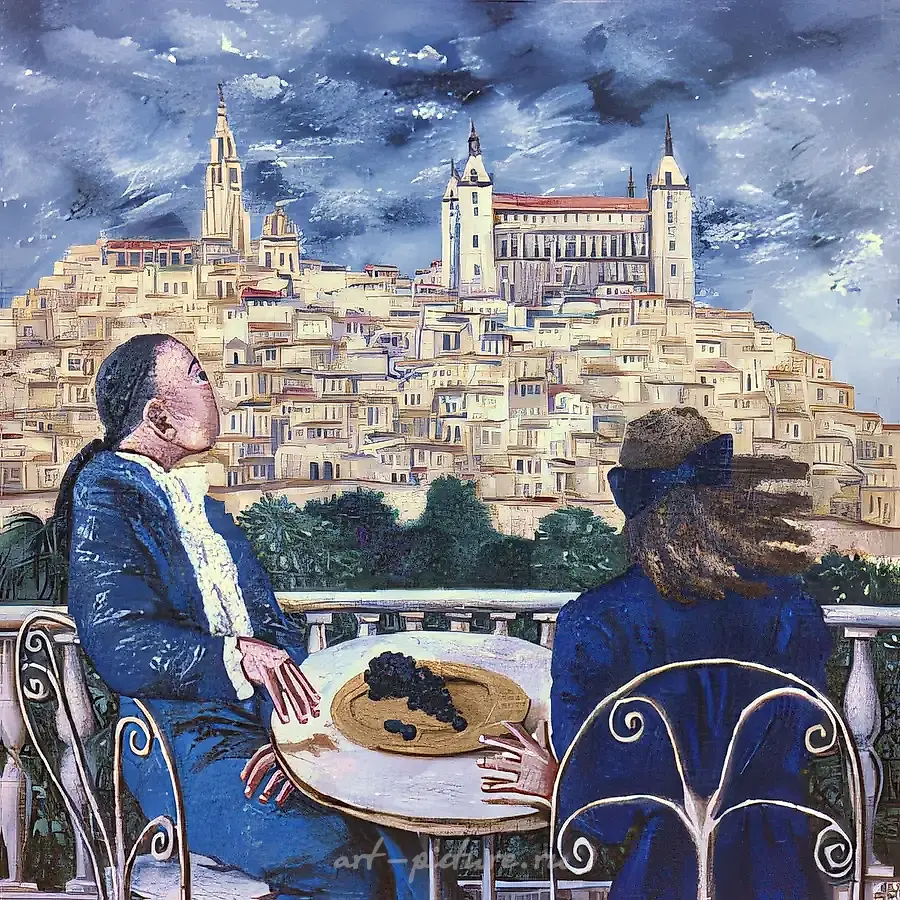
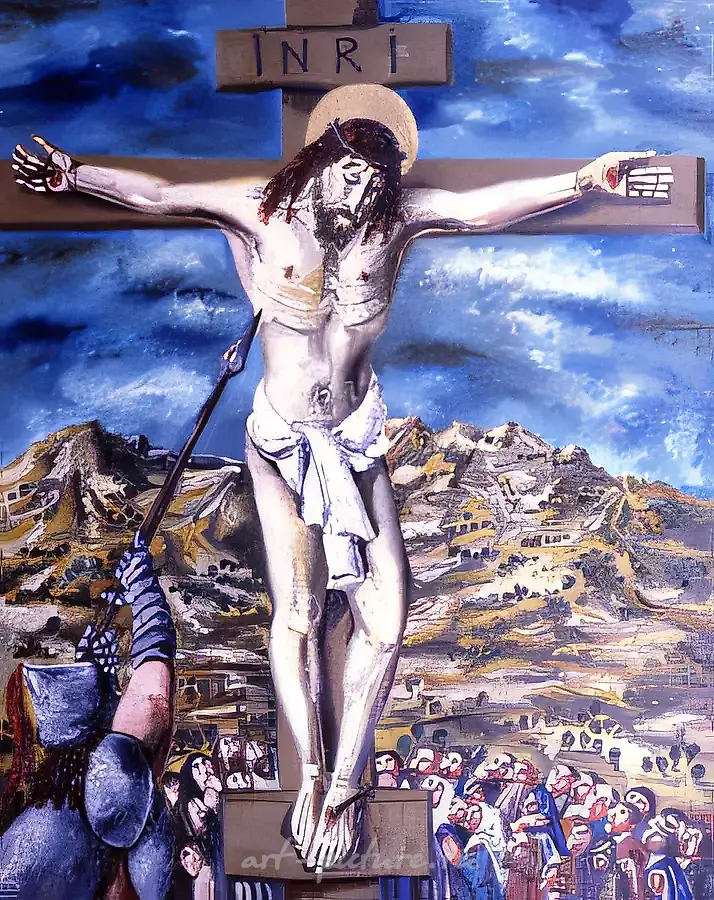
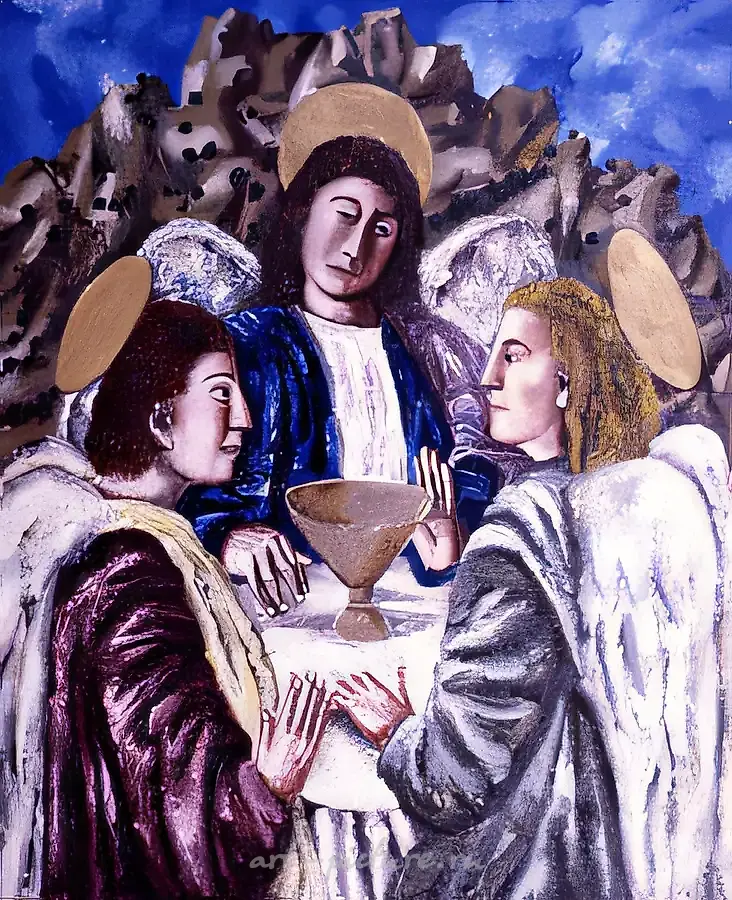
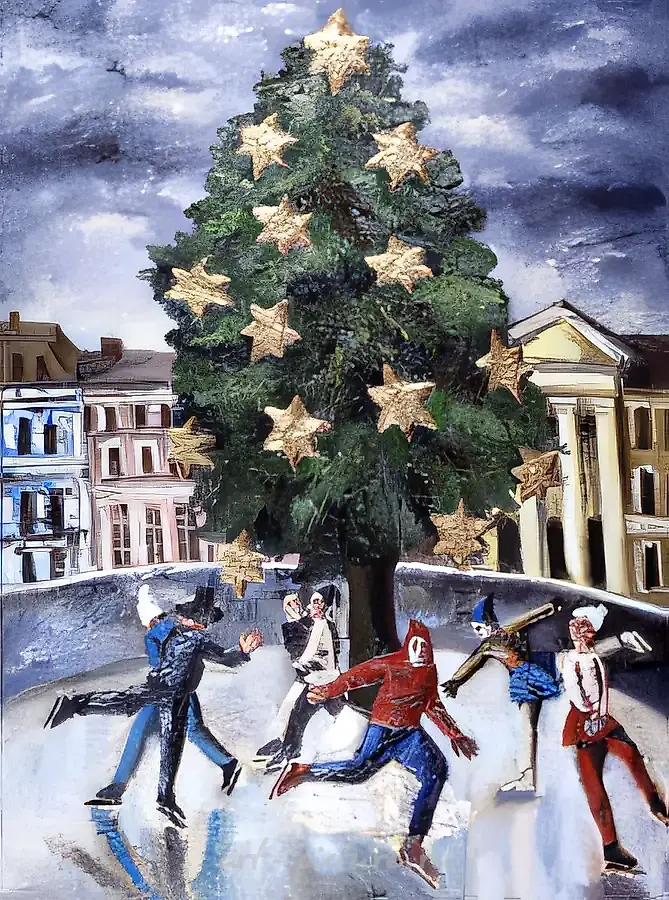
In the early 1970s, Nesterova gained fame for compositions that reinterpreted the canon of socialist realist figurative narrative paintings; idyllic scenes gave way to images of enchanted realms, frozen or submerged in absurd fuss. Crimean, Caucasian, and Baltic health resorts and creative houses were key images for her at that time. By the late 1970s, themes of old towns or parks became prominent. Over the years, religious motifs—distorted into enigmatic masquerades—grew increasingly important in her paintings, violating traditional iconographic templates.
Natalia Igorevna Nesterova died on August 10, 2022, in a clinic in New York City, USA. She was buried at the Pyatnitskoye Cemetery in Moscow.
Works in collections
State Tretyakov Gallery, Moscow
State Museum of Oriental Art, Moscow
Ministry of Culture of the Russian Federation, Moscow
State Russian Museum, St. Petersburg
Museum of Russian Art, Yerevan
"MARS" Gallery, Moscow
Art museums in Arkhangelsk, Almaty, Bishkek, Bryansk, Vologda, Ekaterinburg, Zaporizhzhia, Izhevsk, Ivanovo, Irkutsk, Kurgan, Kursk, Krasnoyarsk, Kemerovo, Kyiv, Magadan, New Jerusalem, Novosibirsk, Novokuznetsk, Nizhny Tagil, Omsk, Orenburg, Perm, Petrozavodsk, Rostov, Rostov-on-Don, Saratov, Syktyvkar, Tbilisi, Tomsk, Khabarovsk, Yakutsk
Museum of Contemporary Art, Seoul, Korea
The Montreal Museum of Fine Arts, Montreal, Canada
Museum Ludwig, Cologne, Germany
Neue Galerie - Sammlung Ludwig, Aachen, Germany
Slovak National Gallery, Bratislava, Slovakia
Private collections in Russia, Belgium, UK, Hungary, Germany, Finland, France, USA, Japan
Exhibitions and auctions
SOLO EXHIBITIONS
1974 One-day exhibition. Artists' House, Kuznetsky Most, Moscow
1988 "New Works from Moscow", HAL Bromm Gallery, New York
1989 "Natalia Nesterova and Lazar Gadaev", Central House of Artists, Moscow
1990-91 "Natalya Nesterova. Recent works from Moscow", HAL Bromm Gallery, New York
1991 "Natalia Nesterova: New Art", Maya Polsky Gallery, Chicago
"New Art. Natalia Nesterova" (from private collections), Charles Cowles Gallery, New York
1992 "Natalia Nesterova", The Montreal Museum of Fine Arts, Canada
With T. Nazarenko, Fernando Duran Gallery, Madrid, Spain
1993 Maya Polsky Gallery, Chicago
"Art Modern" Gallery (with sculptor L. Gadaev), Moscow
"Natalia Nesterova: 10 Paintings", Moskovskaya Palitra Gallery, Berlin, Germany
1994 HAL Bromm Gallery, New York
1995 Maya Polsky Gallery, Chicago
1996 Hal Bromm Gallery, New York
1997 "Natalia Nesterova", Central House of Artists, Moscow
"Natalia Nesterova. Painting", Russian Art Gallery, Tallinn, Estonia
GROUP EXHIBITIONS
1966-1980 participated in all-Union, Republican, Moscow youth exhibitions
1977 "Exhibition of Four Artists" (with L. Gadaev, I. Meshcheryakova, I. Starzhenetskaya), Moscow
1981 "Exhibition of 23", Central House of Artists, Moscow
ART-81 (exhibition from the TG collection), Rome, Italy; Basel, Switzerland
And many others...
Author about himself
I cannot imagine my life without my work. It consumes my imagination, feelings, and thoughts. I think about it constantly, wherever I am, whatever I do, whatever happens to me.
I was born into a family of architects. My grandfather, Nikolai Ivanovich Nesterov, was a wonderful artist. His works hung on the walls of our house, inviting me to travel through them in my imagination. He used to draw pictures for me as a child, taught me how to play and to feel. I remember going on imaginary journeys in a carriage made from an armchair, with a felt boot for the horse's head.
Then I started drawing myself, and from what I can remember, this activity has never disappointed or bored me; it remains as fascinating as in my childhood.
I always feel that I have achieved nothing yet; I keep learning and striving for something that eludes and hides from me. Thus, my life is like chasing an elusive thread. Perhaps, at some moment I may like what I do or feel that I have reached something. Then, I think, my work will end. But for now, I either chase, lag behind, or rush after my thoughts, trying to express or embody them on canvas. How well I succeed—you be the judge.
Critic
She is jokingly called a 'classic,' but it can be meant seriously, too. Critics long ago placed her atop the pedestal of success, noting, however, that she is always 'in process,' appreciating her technique, determining her worldview, and so on. Nesterova paints a lot. The ambivalence of quality and quantity gives her acceleration, albeit a small one, because the speed is so great. Her mastery precludes mistakes. If she appears incoherent somewhere, it means 'it is meant to be.'
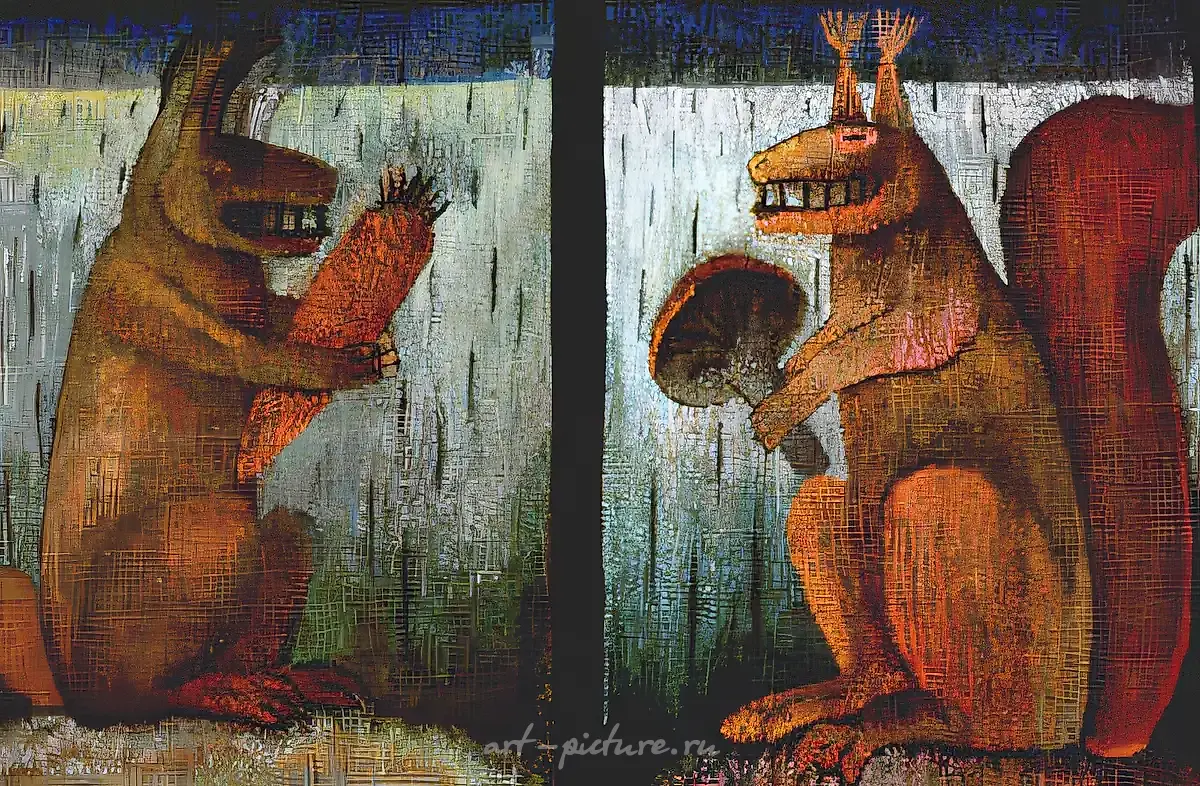
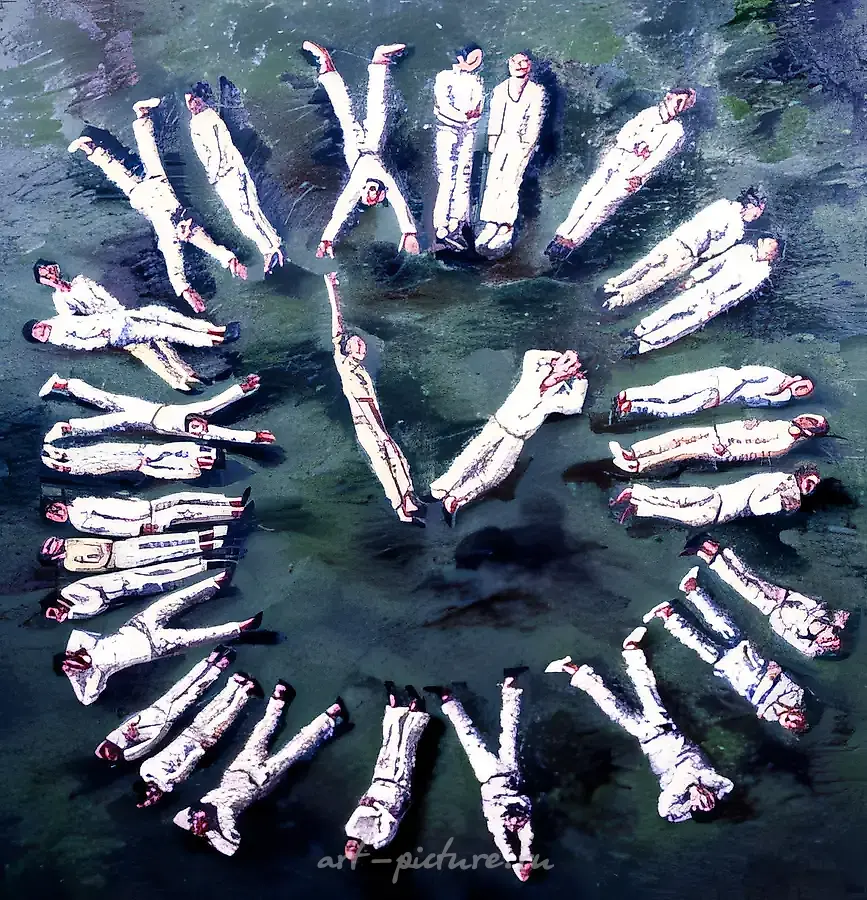
Nesterova's painting is polyphonic, like a novel written according to the laws of its genre: the texture is fat and generous, used as virtuoso wordplay; white color is full of meaning, tightly wound like a drawn-out sentence under the tension of commas and ellipses. Her compositions are centripetal, so her works are easily divided into diptychs and triptychs. Fragments of objects or bodies at the canvas edges tightly hold onto their invisible remnants, forming round dances on the surface and in space. Form and content in Nesterova's art can be understood in the old-fashioned way, following Leontiev’s formula that form is the despotism of the internal idea, not letting matter scatter.
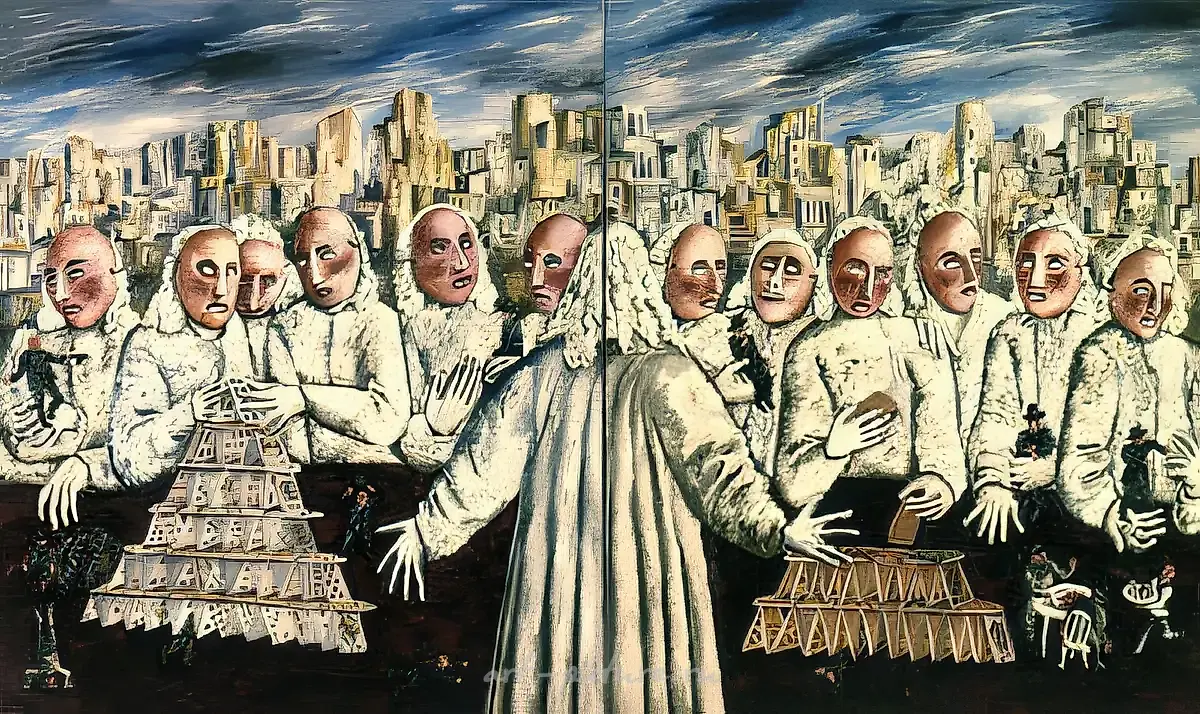
Nesterova's rigid mythological constructs are interesting and engaging to analyze, but that's a task for the future. Today, new symbols occasionally emerge as an attempt at another harmony and precisely find their places, as in the periodic table according to atomic weight. The most important of these symbols are cards; their theme is multilayered, and the meaning of the deck shifts like a value system with mystical and magical properties. Her characters do not play cards or read fortunes with them; rather, they are played or divined themselves. In the triptych "Tarot", Nesterova has her own scores to settle with ancient mythology. The Fates under golden, big-nosed masks don't spin the thread of life but lay it out on cards and discuss the combination dispassionately. What emotions are there?—it's a routine divine occupation.
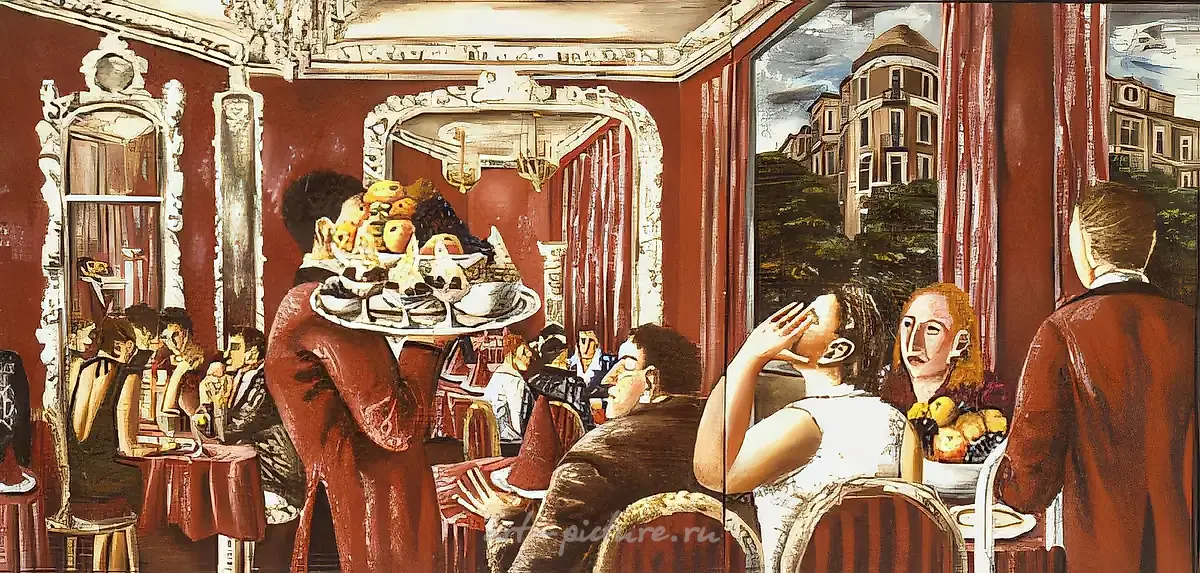
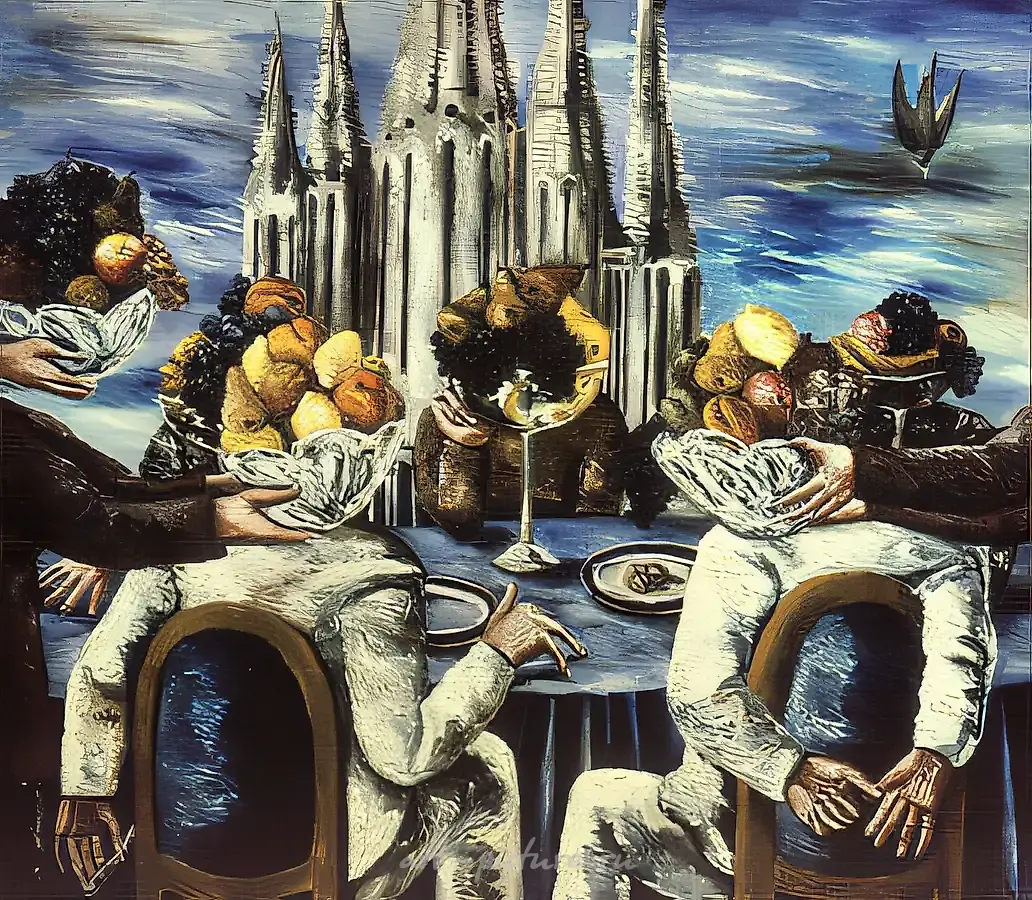
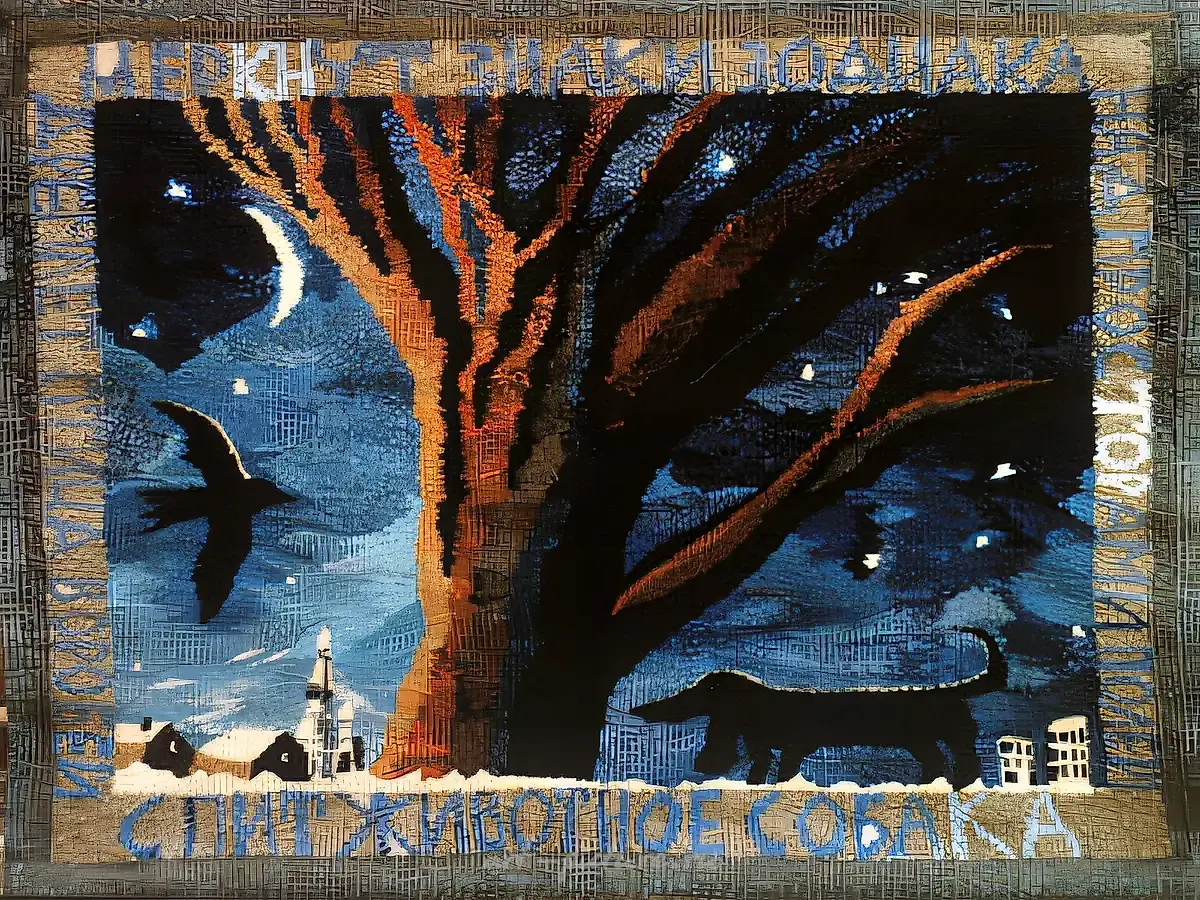
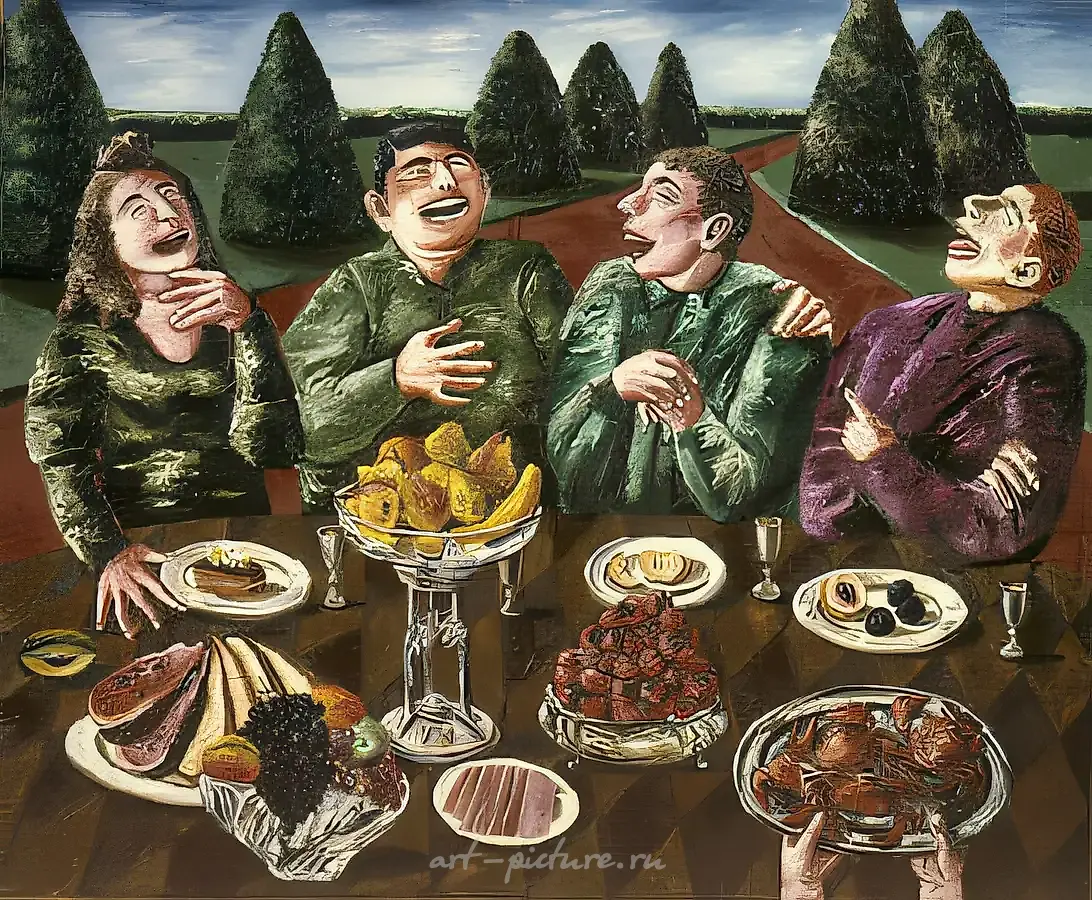
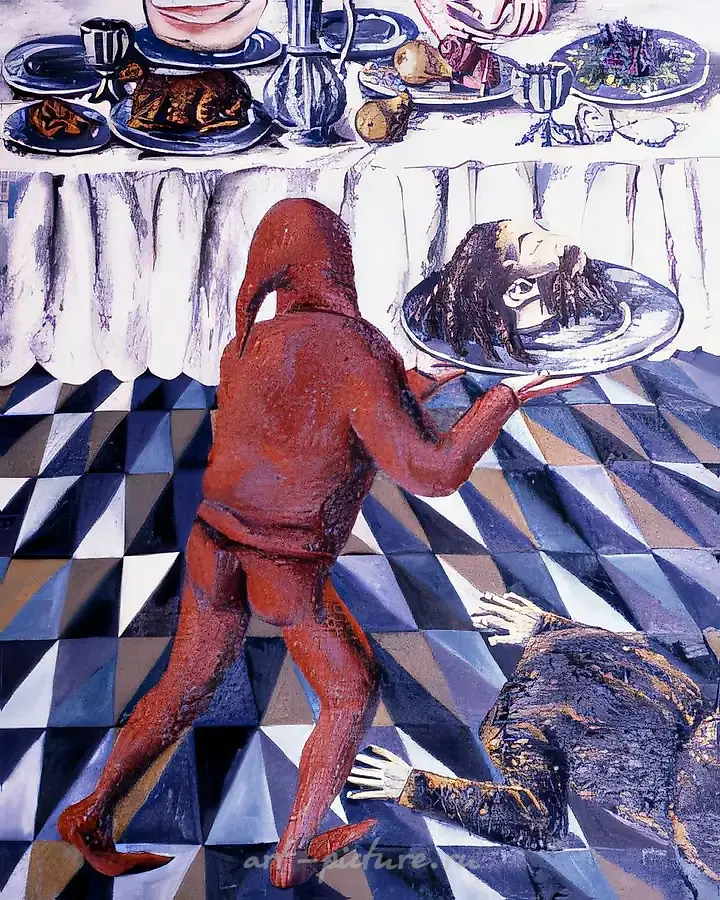
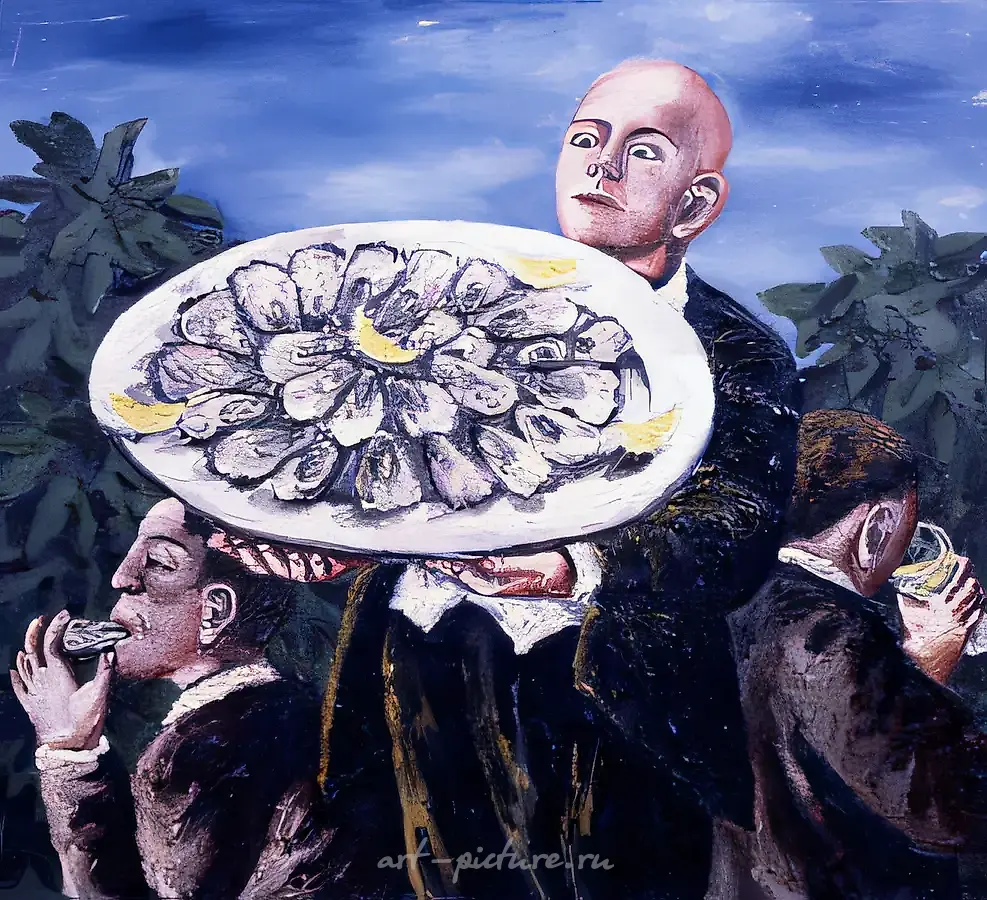
When cards themselves become painting characters as 'Fish,' 'Bird,' 'Dog,' it is clear that this series can be endlessly extended, combined, or layered, creating abstract constellations or extracting familiar images, as from a series of clouds—divided and indivisible. Her interpretation of Fortune’s celebration, bringing the cornucopia with divine fruits and flowers, turns into dark-haired waiters with trays. If their faces lack professional masks, their attached still lifes are nostalgically juicy and enticing, as on signs. Yet every waiter's situation is tense and pre-conflict. In 'Pyramid,' a luxurious pile of fruit is offered with an angry, hateful face, muttering through clenched teeth: 'Here, choke on it!' In 'Port,' under a thunderous sky, a ship is welcomed with "bread and salt" in the form of screaming or howling fish corpses with popping eyes. 'Falling Dish' is fright, fear, a feast during a plague with sagging buildings and dead window sockets. Two people at a restaurant table wait for drinks and talk, hidden by still-life masks ('Melon'). But in Nesterova's works, hands often speak more than faces—here, it is humility and impatience, a pantomime of sign-language dialogue, understood by those who want to 'listen.'
The hands constructing the "House of Cards" set the rhythmic pattern, based on balance and logic, thus more monumental than the buildings hidden behind ornate cardboard facades. But a smoothly flying card—a UFO—is the finishing detail, destroying the structure and speaking to the ephemerality of logic and calculation in an atmosphere of magic and mystery.
Nesterova's paintings are for museums, galleries, palaces, salons. They cannot coexist in an ordinary home. You can't read, sleep, or concentrate near them. In her studio, your head turns, your eye is drawn to the easel. Grotesque in Nesterova's work results from concentration of painting means and inner anxiety. In the painting 'Scream,' the physiological act is open to various interpretations: it might be metempsychosis, catharsis, or deliverance from sin, error, or pride. In any case, there is a powerful metaphorical charge in the painting.
Art is an unenclosed garden. Everyone tries to analyze it; anyone can participate. Today's art situation is like an unauthorized rally. There’s a crowd under banners on one side, conceptualists on the other, academic flag groups, and others bustling about.
Thank God, there are still individuals. Nesterova is among the few. She did not take a niche—she created it. And occupies this unique place serenely and simply.
— M. Yankilevich. From the catalog "Natalia Nesterova. 10 Paintings". Moskovskaya Palitra Gallery. Berlin, Germany. 1993
Bibliography
A. Degtyar, from the series "New Names," album "Natalia Nesterova," Sovetsky Khudozhnik, 1981, Moscow;
S. Polityko "Natalia Nesterova," Leningrad, Aurora Publishing, 1989, in 4 languages;
A. Degtyar "Natalia Nesterova," Moscow, Sovetsky Khudozhnik, 1989;
Catalog "Natalya Nesterova", The Montreal Museum of Fine Arts, 1992, Canada.
Works 28