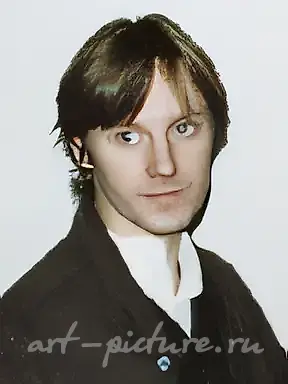
Ilya Vyacheslavovich Piganov
Ilya Vyacheslavovich Piganov (born May 12, 1962, Moscow) is a Russian photographer, designer, and artist.
Biography:
He was born in Moscow. He decided not to continue formal studies after school and independently started engaging in photography. He shot with the Soviet camera "KIEV" 6x6. He printed large-size photographs, in part emulating D.-P. Vitkin. In 1987, together with Alexey Shulgin, Sergey Leontyev, Vladislav Efimov, Igor Mukhin, Boris Mikhailov, Alexander Slyusarev, and others, he was part of the group "Immediate Photography". In 1989, along with advertising photographer Leonid Ogaryov, he organized and headed the photography department of the Free Academy (Moscow). Piganov became a notable figure in contemporary Russian photo art in the 1990s. His explorations in art photography were the subject of articles by art critics and photo shoots in the most fashionable magazines of the time—"Matador", "Ptuch", "OM".
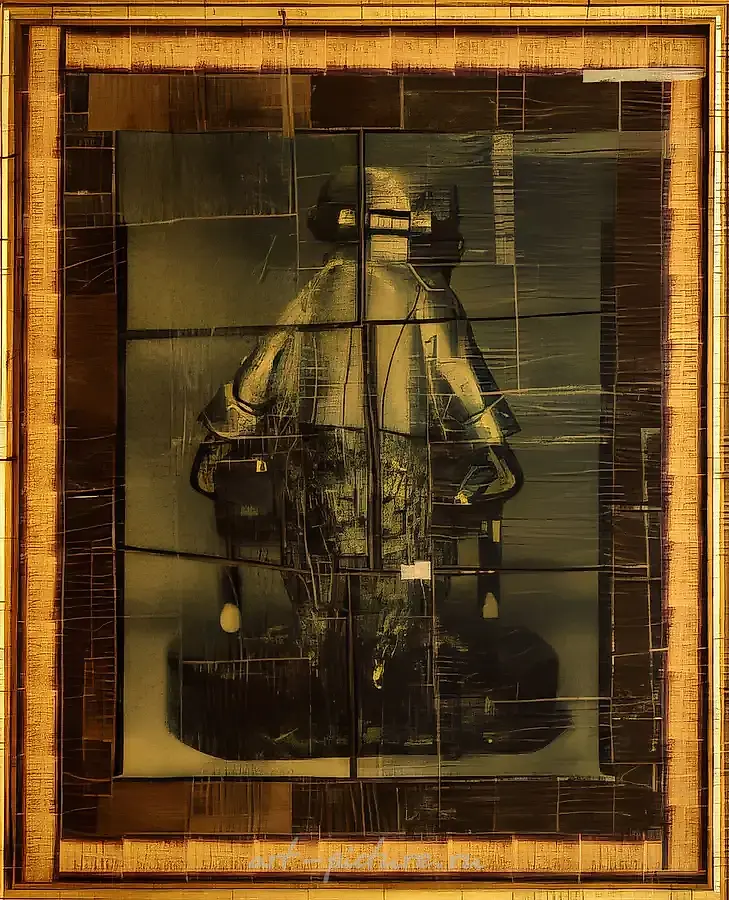
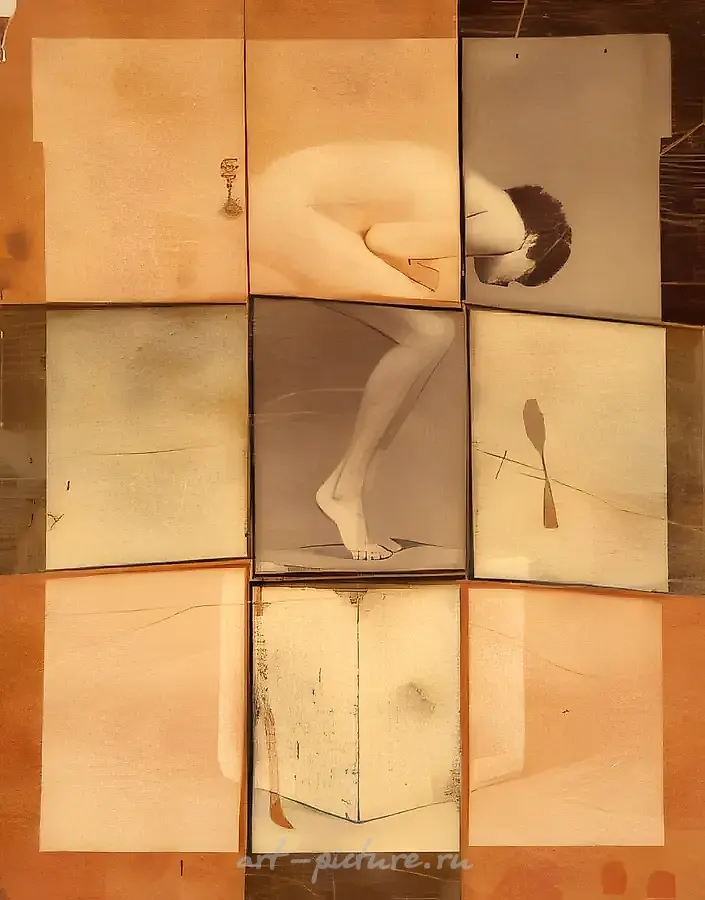
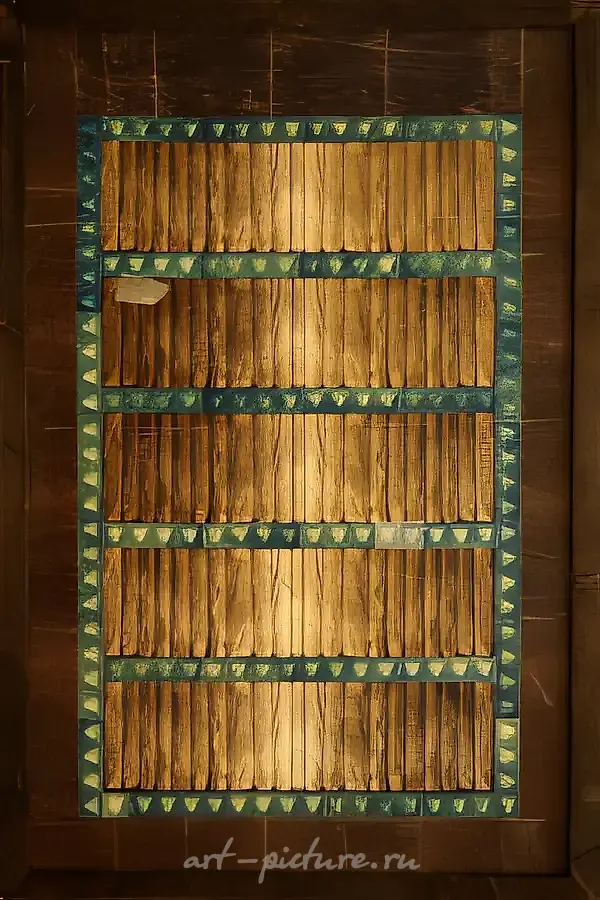
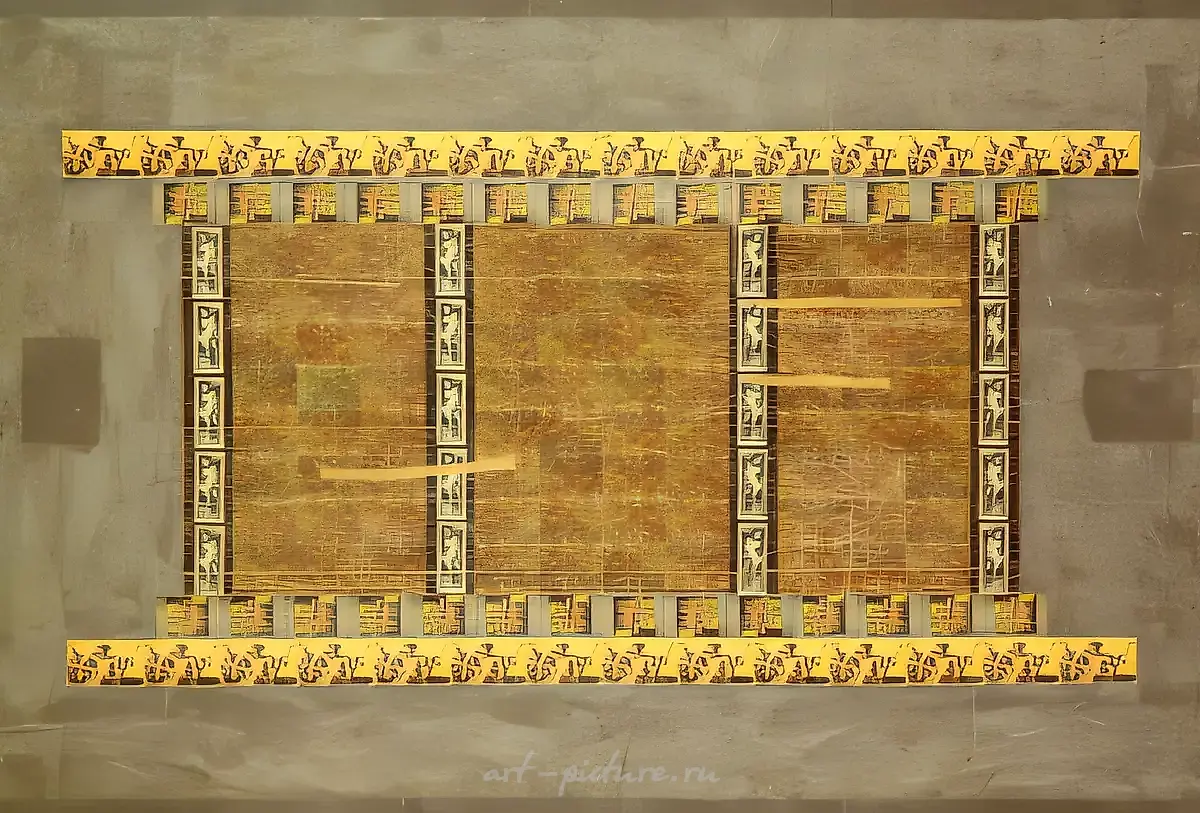
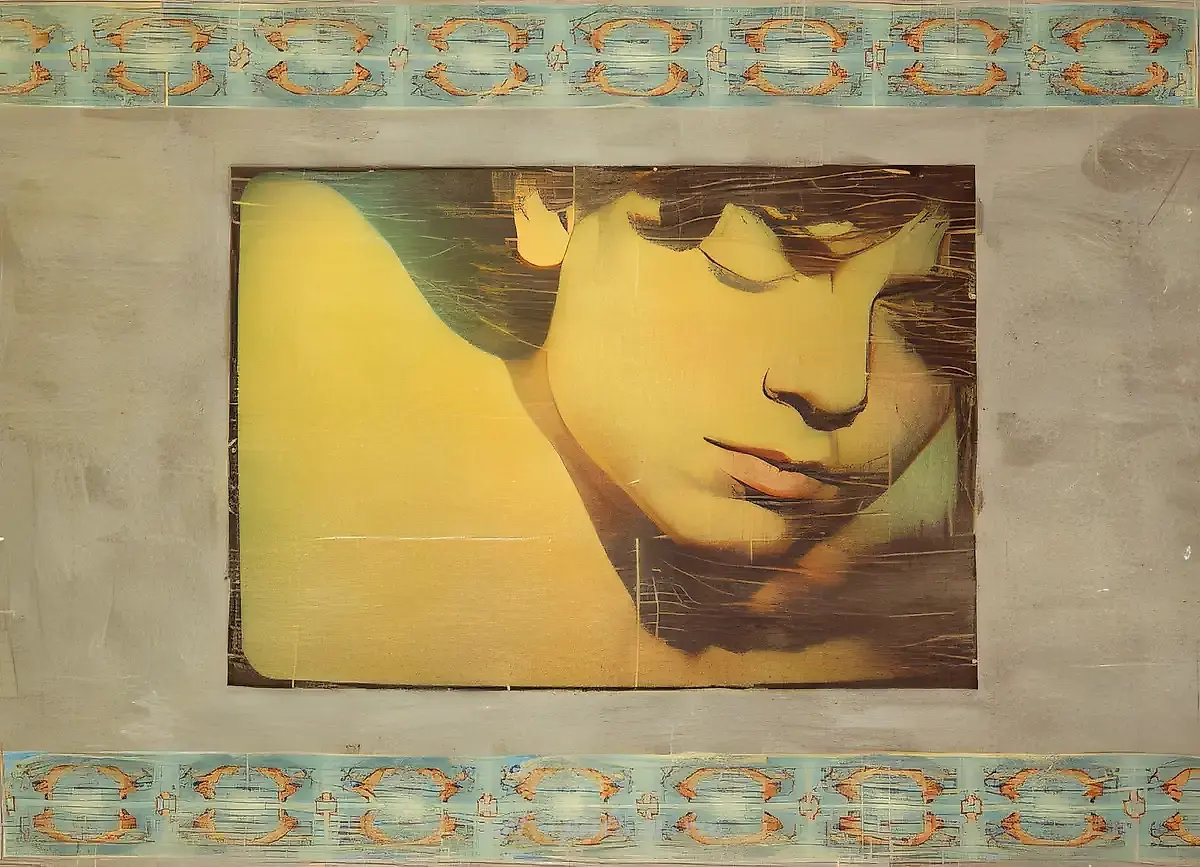
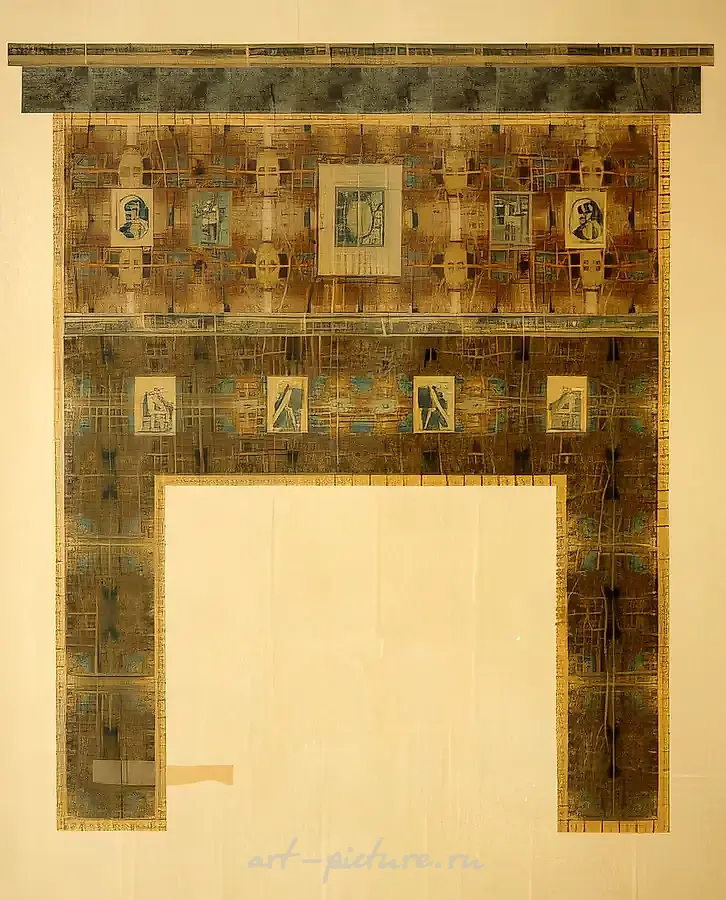
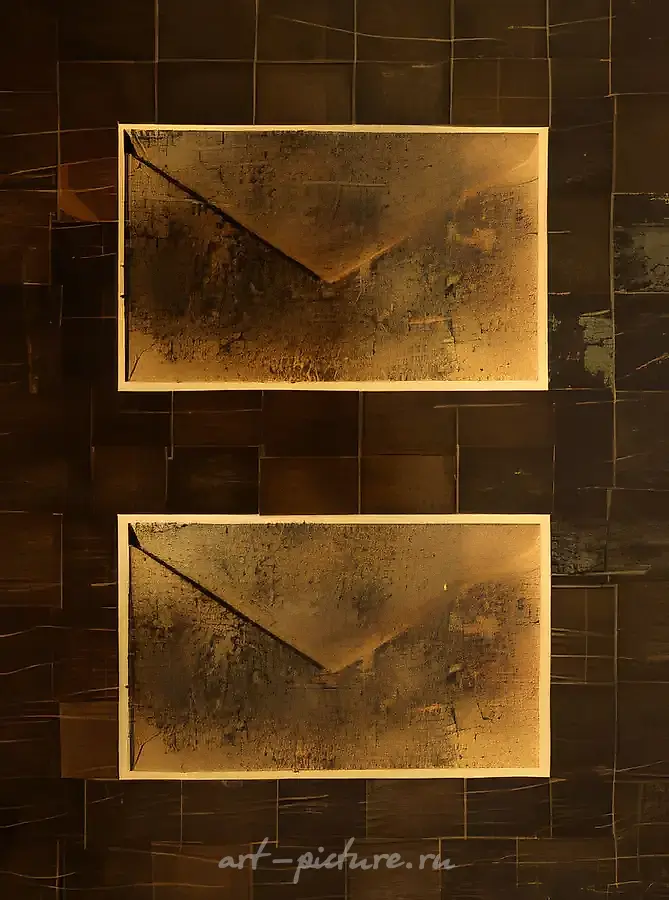
Later, Piganov started making large collage photo works comprised of many pieces. In the 1990s, he became known as a photographer (in collaboration with Tatyana Drubich) and a creator of exclusive furniture. As a designer, Piganov decorated the bar restaurant "Egoist", including with his own chess knight image. Piganov’s works have been auctioned at Sotheby's and displayed at more than 40 gallery and museum exhibitions in Russia and Europe, including the Russian Museum (St. Petersburg), Pont Neuf (Paris), etc. The works of Piganov are held in the collections of the Russian Museum, Moscow Museum of Modern Art, the State Center of Contemporary Art, corporate and private collections in Russia, the USA, and Western Europe.
His wife is Irina Piganova-Meglinskaya.
Works in collections
Ministry of Culture of the Russian Federation, Moscow; Contemporary Art Collection of the State Museum-Preserve Tsaritsyno, Moscow; Museum of the History and Reconstruction of Moscow, Moscow; Incombank, Moscow; Volgograd branch of Sberbank, Moscow; State Russian Museum, St. Petersburg.
Exhibitions and auctions
SOLO EXHIBITIONS
1986 Hermitage Garden, Moscow
1989 City Exhibition Hall, Nikolaev
"Finphoto Gallery", Helsinki, Finland
1992 Gallery "Studio 20", Center for Contemporary Art, Moscow
1993 "Pont Neuf", Paris, France
Gallery "Studio 20", Center for Contemporary Art, Moscow
1994 "Music for December", Griboedov Canal, St. Petersburg
1995 "Dar" Gallery, Moscow
"Volume I", Central House of Artists (CDH), Moscow
GROUP EXHIBITIONS
1987 "Representation", Hermitage, Profsoyuznaya St. 100, Moscow
"Photoexposition", Hermitage, Profsoyuznaya St. 100, Moscow
Autumn Photo Salon, Malaya Gruzinskaya 28, Moscow
Photo Exhibition, Malaya Gruzinskaya 28, Moscow
1988 Spring Photo Salon, Malaya Gruzinskaya 28, Moscow
1e Festival International de la Photographie de Mode, France
1988-89 "Smile, please!", Galerie Comptoir de la Photographie, Paris, France; Portfolio Gallery, London, UK; Cinema Center, Moscow
1989 "Photobridge", Club of Avantgardists, Moscow
"Alternative?", Glinka Museum of Musical Culture, Moscow
"Moscow - Vienna - New York", Messepalast, Vienna, Austria
"150 Years of Photography", Manezh, Moscow
1990 "Logic of Paradox", Youth Palace, Moscow
"Catalogue", Youth Palace, Moscow
"ART MYTH 1", CDH, Moscow
1990-91 "The Missing Picture: Kupreyanov, Mikhailov, Piganov, Serebryakova, Shulgin", MIT, Boston, USA
1991 "ART MYTH 2", Manezh, Moscow
1992 "Baroque of the End of the Century: The Circle of Rubens—the Circle of Greenaway", V. Mukhina Academy, St. Petersburg
1993 "ART Hamburg", Hamburg, Germany
"New Territories of Art", State Art Museum, Krasnoyarsk
Dar Gallery, Moscow
"ART MYTH 3", Manezh, Moscow
1994 "Border Zones of Art", Art Museum, Sochi;
"Autumn of Photography" ("Surface of Meaning. Layering of Covers"), CDH, Moscow;
"The Art of Contemporary Photography. Russia, Ukraine, Belarus", CDH, Moscow;
1994-95 "Neue Fotokunst aus Russland", Badischer Kunstverein, Karlsruhe; Galerie im Karmelitenkloster, Frankfurt an Main; Kunsthalle Faust, Hannover; Museum Volk und Wirtschaft, Düsseldorf; Neuer Berliner Kunstverein, Berlin; Hertener Fototage, Herten, Germany;
"Contemporary Art from the Incombank Collection", museums in Ulianovsk, Samara, Magnitogorsk, Chelyabinsk, Ekaterinburg, Omsk, Nizhny Novgorod, Rostov-on-Don;
1995 "Zeitgenossische Fotokunst aus Russland", Neue Galerie von Bildende Kunst, Berlin, Germany; "Apple Day", Dar Gallery, Moscow; "Animation", Kashirka, Moscow.
Author about himself
No information available.
Critic
Piganov is a charmer, an idle reveler, a showman, a maestro. Familiar to many artists, amateurs, businessmen, idlers, his usual environment includes his home on Begovoy, the fashionable "School" gallery, cinema, kitchen, and the celebration that always accompanies Piganov. There is his wife Ira, most beautiful and elegant, his son Vanya, who fully inherited the father's knack for fooling around, assistant Aleksandr Aleksandrov, the silent man in a white coat hidden in the photo lab, friend Ivan Dykhovichny, niece from Ryazan named Sveta Fishman. Above them always ring out Piganov’s cries, songs and dances, the sizzle of culinary rituals, the crash of music. "Past my mother-in-law’s house, I never pass without a joke,"—so any neighbor would say of Piganov. One night he might project pornographic slides on the wall of the neighbor’s house, another time he’s pulled up from the Moscow River by the whole neighborhood.
But only as the divine word touches a sensitive ear does the neighbor, mother-in-law, or any other art lover discover something different in Piganov. The mysticism of the man Piganov is not, to put it mildly, immediately apparent. Yet at the core of his art lies a mystical worldview running through stages as formally diverse as his early laconic monochrome still-lifes to the vast decorative collages of recent years; he maintains a meditative, contemplative approach that distinguishes him among contemporaries.
In his still-lifes, Piganov places everyday objects—the pair of worn shoes, a pyramid of children's blocks, three pins—at the center of the photographic sheet. These objects are stripped of context, resting in a blurred, neutral environment: lit by the night museum’s standby lamp, hidden in the darkness of the photo lab, in an ideal, timeless space. Mystery emerges in the creases of lived-in shoes, in the geometric clarity of the blocks that become cubes. An inner light of a hidden life seeps through their surfaces. These things are the focus of viewing, concentration, immersion. Piganov seeks this kind of attentive gaze from the viewer, sometimes in an almost anecdotal way—as in the "Crosses" series, about which he says:
"I always wanted to force people to examine works closely—usually, they just glance, understand everything, and start chatting while drinking from plastic cups. I glued crosses from pornographic cards, and at the opening there wasn’t a single person who didn't look at each work."
In his latest monochrome series, the object of the photo becomes a simply clean background—evocative of the wall of a Japanese garden viewed by a Zen patriarch. Here, even the focus object is gone; only a pure glow from nowhere remains, sometimes disrupted by dark, unconnected shapes (played by pen caps; if you don’t know, you wouldn’t guess).
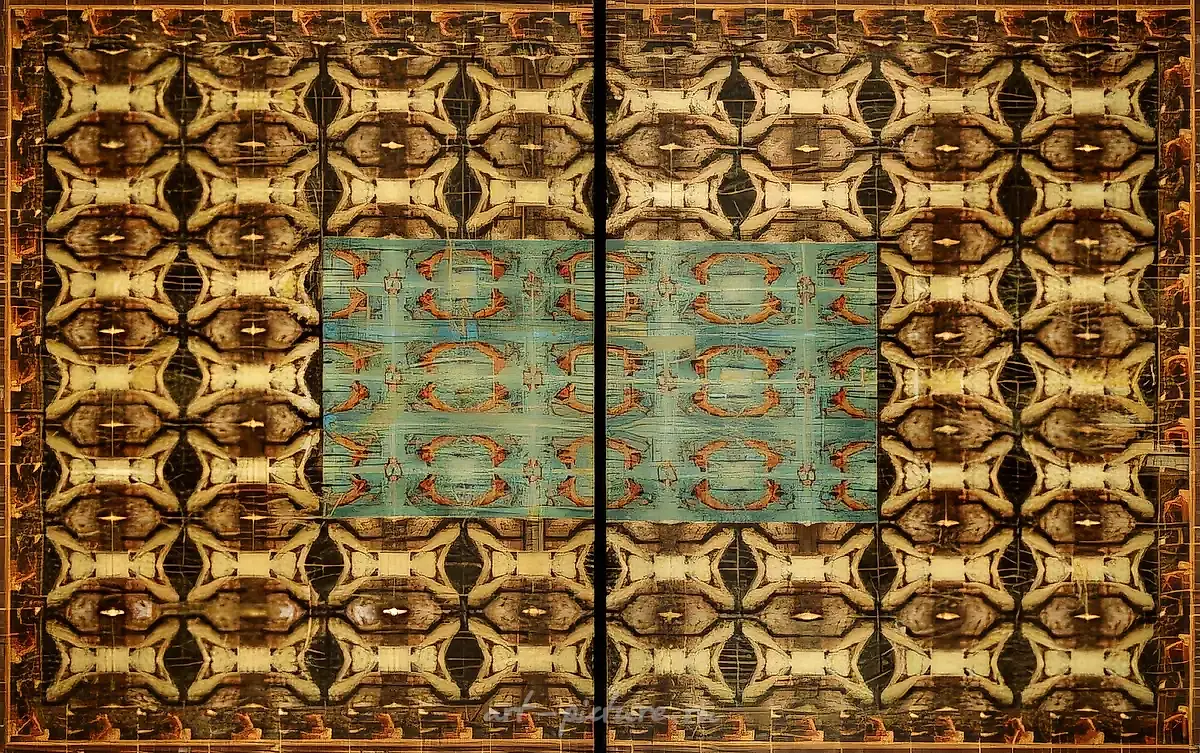
From intimate still-lifes, Piganov transitioned to architectural forms on a dark background, composed from dozens of repeated images. Each resembles, and sometimes literally repeats, the still-lifes: here are photographs by Piganov, reproductions of Raphael and Bruegel, fragments of Stalinist architectural décor, fish, wreaths, shells. But this isn’t just an eclectic vinaigrette in the spirit of the trans-avant-garde. Each image has a nearly exaggerated iconic character. The pictographic alphabet possesses an internal rigidity, turning ornament into a visual spell. The repetition of elements—one of the simplest methods for achieving a mystical trance, as prayer, mandala, or shamanic drum do. The decorative nature of Piganov’s collages is akin to the decorative aspects of an iconostasis, his ornaments a kind of "casing" for the central image.
However, one shouldn't think of Piganov as an adherent of any developed worldview system. His work is the result of intuition, seasoned with professional skill, apprehended on a sensual, immediate level. In his collages, there is no rational, "literary" connection between the architectural whole and the ornamental building blocks. They can be viewed from afar as an architecturally ornamental structure, or up close—a limitless unfolding of densely associative elements. The motiveless leap from close-up to whole is akin to a breakthrough to the true reality of mystical teaching. It’s the point, as Eisenstein put it, where contradictions are overcome, opposites are reconciled—illogically, irrationally.
Overcoming paradox, combining planar and spatial, material and illusory are also present in Piganov’s early works. In one of his best black-and-white series, the image is captioned below by linen tags with laundry numbers; in another, a mirrored signature. Thus, the illusory nature of photography, the unattainability of the depicted, is emphasized. Around this time, Piganov created a series of vinyl records pressed between glass, with black-and-white photos of a female pubis in place of the first side’s "apple". He often uses erotic motifs and the key erotic principle: partial concealment. Hence, the veiling of photos, patina added to collages, "restoration" patches of transparent paper.
Piganov is one of the few who works almost exclusively by commission, and he works a lot. Banks, museums, the state, and even private individuals buy his works. Even private ones—since living with contemporary Moscow art is hard, but with Piganov’s works, people manage. Part of his success may be due to his background in cinematography and photography: he considers himself, above all, a professional, someone working not only for himself or eternity, but for another person. Piganov often turns to the almost extinct genre of portrait: the other, as friend, takes his place in the picture—and in the picture of a mystically experienced world.
I. Tsentsiper. "Ilya Piganov—the Mysticism of the Hooligan". Matador, 1995, №1.
Works 8