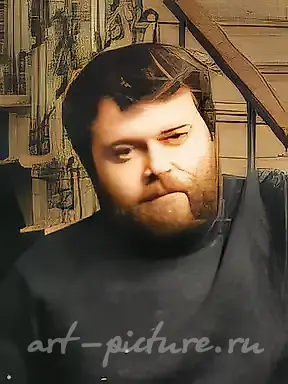
Levon Ilyich Tabenkin
1952 Born in Moscow
1975 Graduated from the Moscow Polygraphic Institute (Faculty of Art and Technical Design of Printed Materials)
Since 1978 Member of the Union of Artists of the USSR
Works in collections
State Tretyakov Gallery, Moscow
State Art Museum, Novosibirsk
Kemerovo Regional Museum of Fine Arts, Kemerovo
Ivanovo Art Museum, Ivanovo
Aleksey Deineka Picture Gallery, Kursk
Oryol Museum of Fine Arts, Oryol
Novokuznetsk Museum of Fine Arts, Novokuznetsk
State Art Museum, Sumy
Ludwig Museum, Cologne, Germany
Galerie Nannen, Emden, Germany
Ludwigsburg Museum, Ludwigsburg, Germany
Private collection, Paris, France
Exhibitions and auctions
SOLO EXHIBITIONS
1989 Julia Tocaier Gallery, Paris, France
Simon Dresdnere Gallery, Toronto, Canada
Kaj Forsblom Gallery, Helsinki, Finland
1992 Exhibition Hall on Solyanka, Moscow
1993 Buckham Gallery, Flint, USA
Janice Charach Epstein Museum/Gallery, Detroit, USA
1994 Maya Polsky Gallery, Chicago, USA
1995 Willy D'Huysser Gallery, Brussels, Belgium
1996 'Manezh' Gallery, Moscow
GROUP EXHIBITIONS
1974-88 Youth Exhibitions, Moscow
1987 'Images of Young Soviet Artists', Tokyo, Japan
'Painting and Modernism', 'Kashirka', Moscow
1987-88 'Glasnost', Kunsthalle Stiftung Henri Nannen, Emden, Germany
1988 'Contemporary Soviet Artists', Madrid, Spain
'Contemporary Soviet Artists', Studio Marconi, Milan, Italy
'SOTHEBY'S. Russian Avant-Garde and Soviet Contemporary Art', International Trade Center, Moscow
1989 'Festival of Baltic Sea Countries and Norway & Iceland', Rostock, Germany (gold medal)
1990 'Six Soviet Painters of Today', Foundation Mona Bismarck, Paris, France
1990-91 '5+1 Painters of Moscow', Museum of Contemporary Arts, Portugal
1991 'Exhibition of Russian Art', Sim Gallery, Hong Kong
1993 'Internationale Biennale Classic IV', Kortrijk, Belgium
1996 'ARCO-96', Madrid, Spain
'Moscow – Jerusalem', Central House of Artists, Moscow
1997 'ARCO-97', Madrid, Spain
1998 'Father and Son' (with Ilya Tabenkin), Moscow International Art Salon 'CHA-98', Central House of Artists, Moscow
Author about himself
Human beings intrinsically strive for freedom. All of civilization’s history is filled with people wanting to impose their idea of 'freedom for themselves' onto others. Woe to those who agree to live by someone else's freedom, freedom defined by another. What is 'conscious necessity'? Does the animal tearing itself out of a cage understand it as 'necessity'? Freedom is as simple as 'two plus two equals four.' Freedom for a person is the person of Christ, it is the right to choose and responsibility before God. It is the core of art.
My paintings, whether large or small, good or not, were born from this longing for freedom, because only in creativity am I truly happy, forgetting my ego, becoming a part of 'something.' These pictures originated from the life of my father, whom I loved endlessly, from his suffering, his labor camps and prisons, his longing for freedom. These works stemmed not from abundance, but from lack. Perhaps there were happier times in history.
I have worked since I was fifteen, but ultimately, my experience today is that of overcoming banality, voicelessness, imposed concepts.
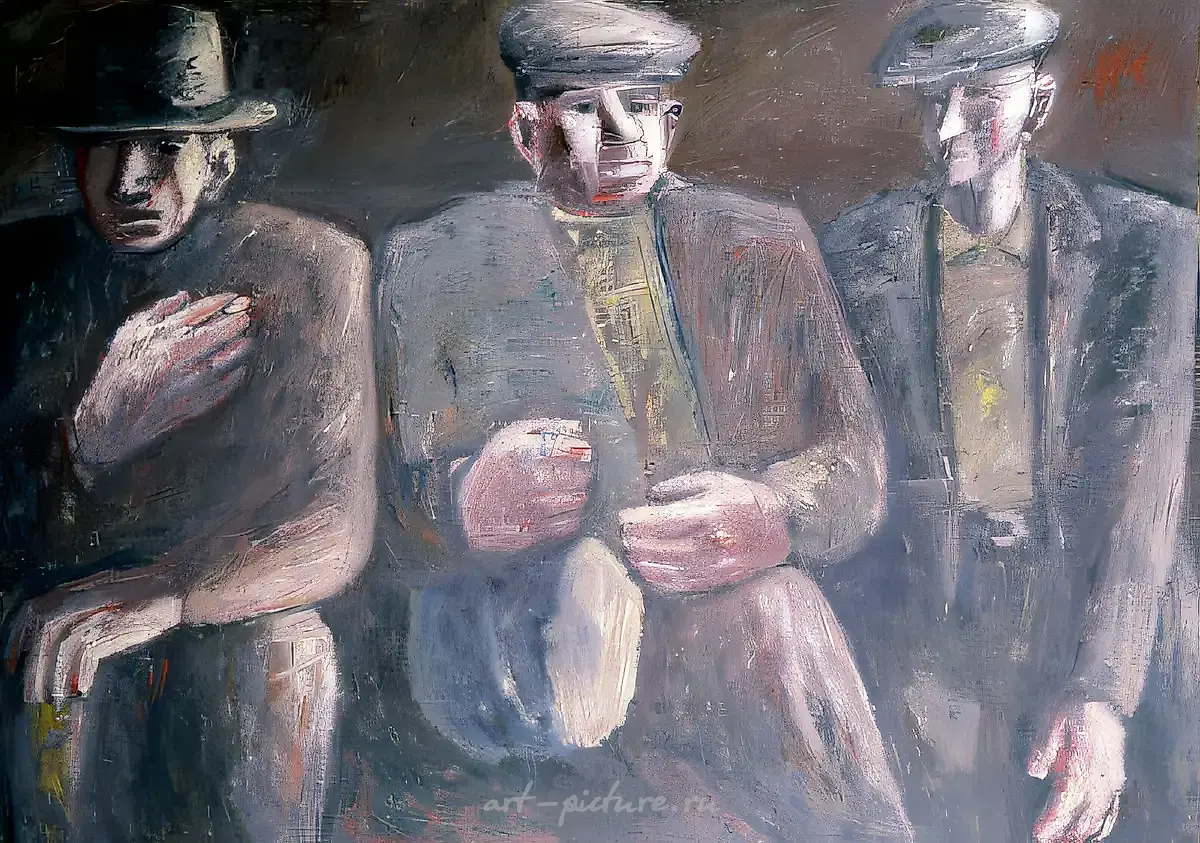
I painted people, markets, railway stations, pubs, trolleys, streets, and shops, trying to understand myself in the world, to state facts, and, relying on reality, to rise just a little bit higher. But I want to come to something greater, to transform raw energy into form, because that is the whole meaning of freedom—life in accordance with higher laws.
In recent years, after some opening of our country's "frontiers," the world has acquired a certain awareness of our visual arts. Sometimes it takes ethnographic forms. Yet the principles of art are universal. 'Art center' was in the soul of Henry Moore, just as it was in Hokusai. We live on a globe—everyone is equally distant from the center. Who knows, maybe our hardships and total pressure have given birth to a certain opposition, an inner discipline, perhaps a seed of something new.
Critic
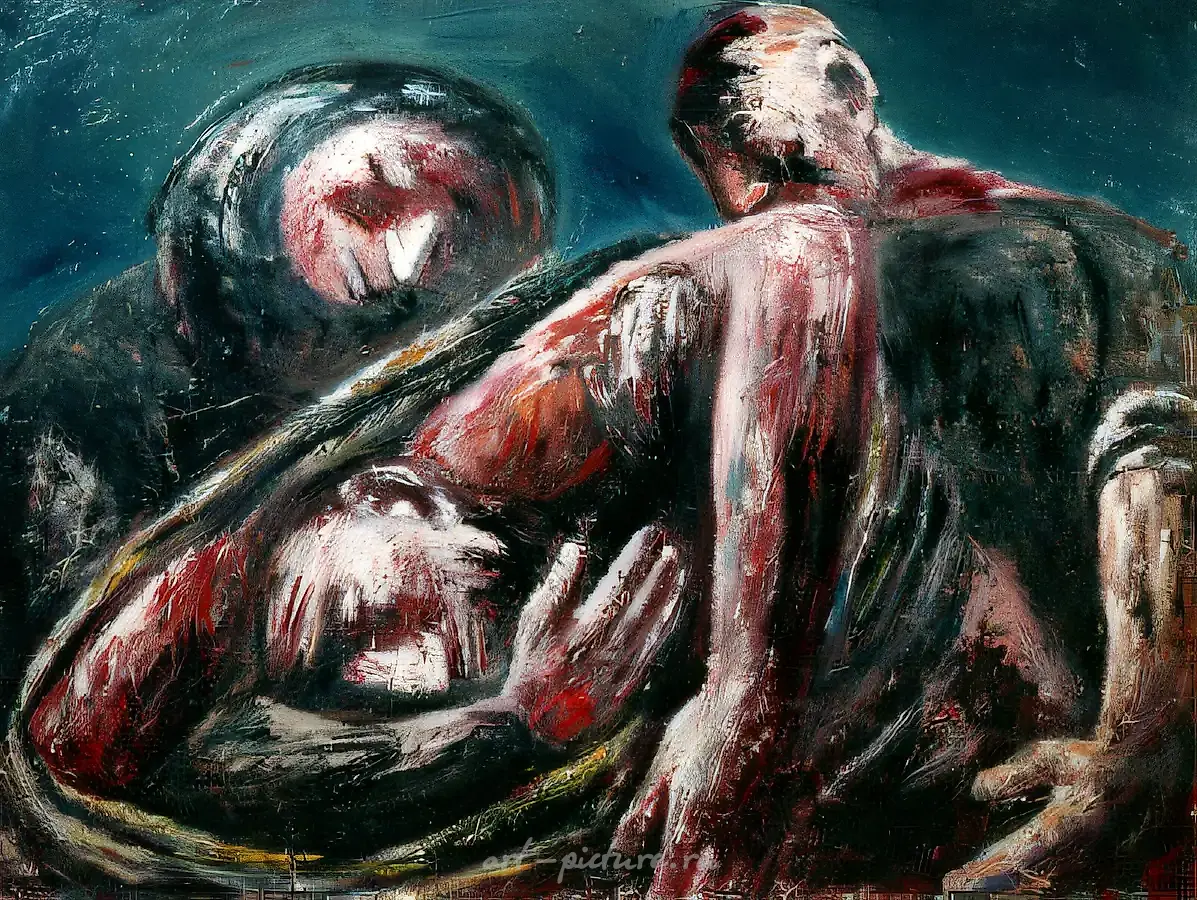
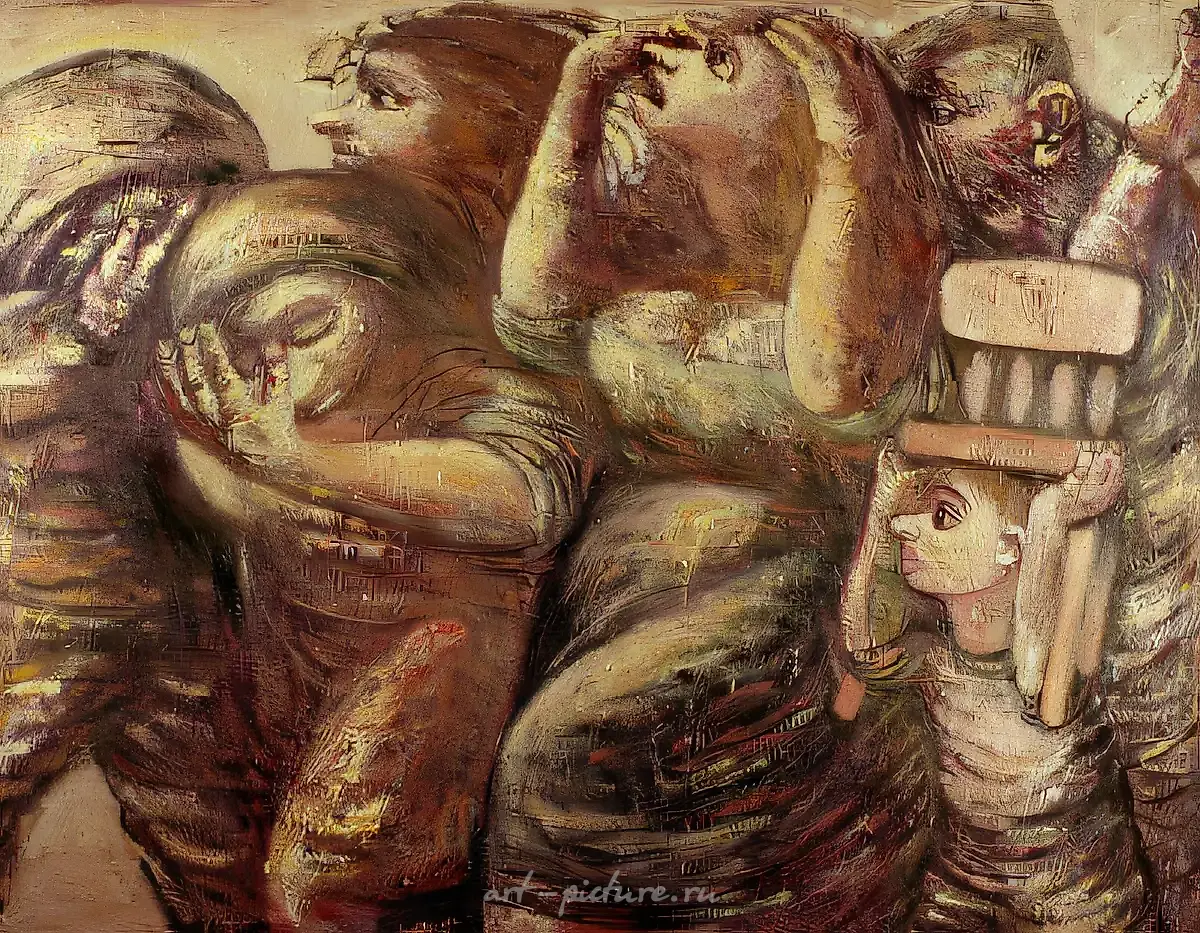
In the summer of 1987, Lev Tabenkin showed two new works at an exhibition in the Manezh. The smaller one possessed a frightening magnetism. 'Such power bursts forth... Where does such might come from? It's like Masaccio!' my companion exclaimed. I accidentally caught the title with my eye: 'Refugees.' What refugees? From where? To where?
In the summer of 1987, we had no refugees yet... I attributed the plot to a fabricated memory of war. Our whole postwar generation is rich in such half-fantasies, half-memories. In our childhood, we had war dreams—war nightmares. Tabenkin's composition seemed, at that time, like such a vivid dream. Now, the reality of being a refugee—with or without belongings, going to someone’s home or to homelessness—has become familiar. No, I do not consider Lev Tabenkin a prophet. He is simply endowed with the artist’s finest intuition, allowing him to feel and intuitively grasp the anxiety and pain of the world around him. Social anxiety, too.
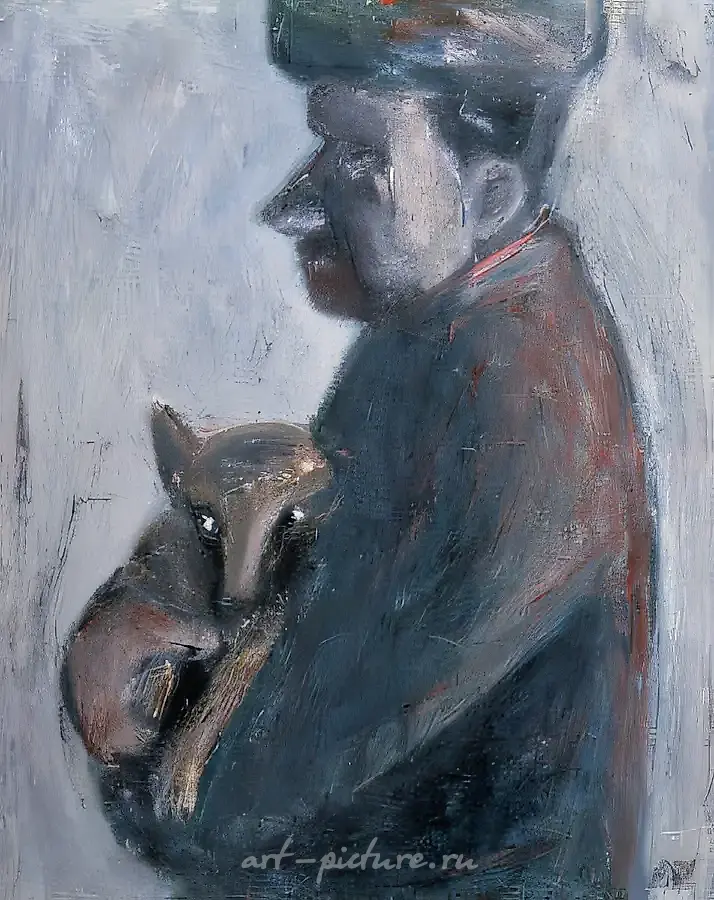
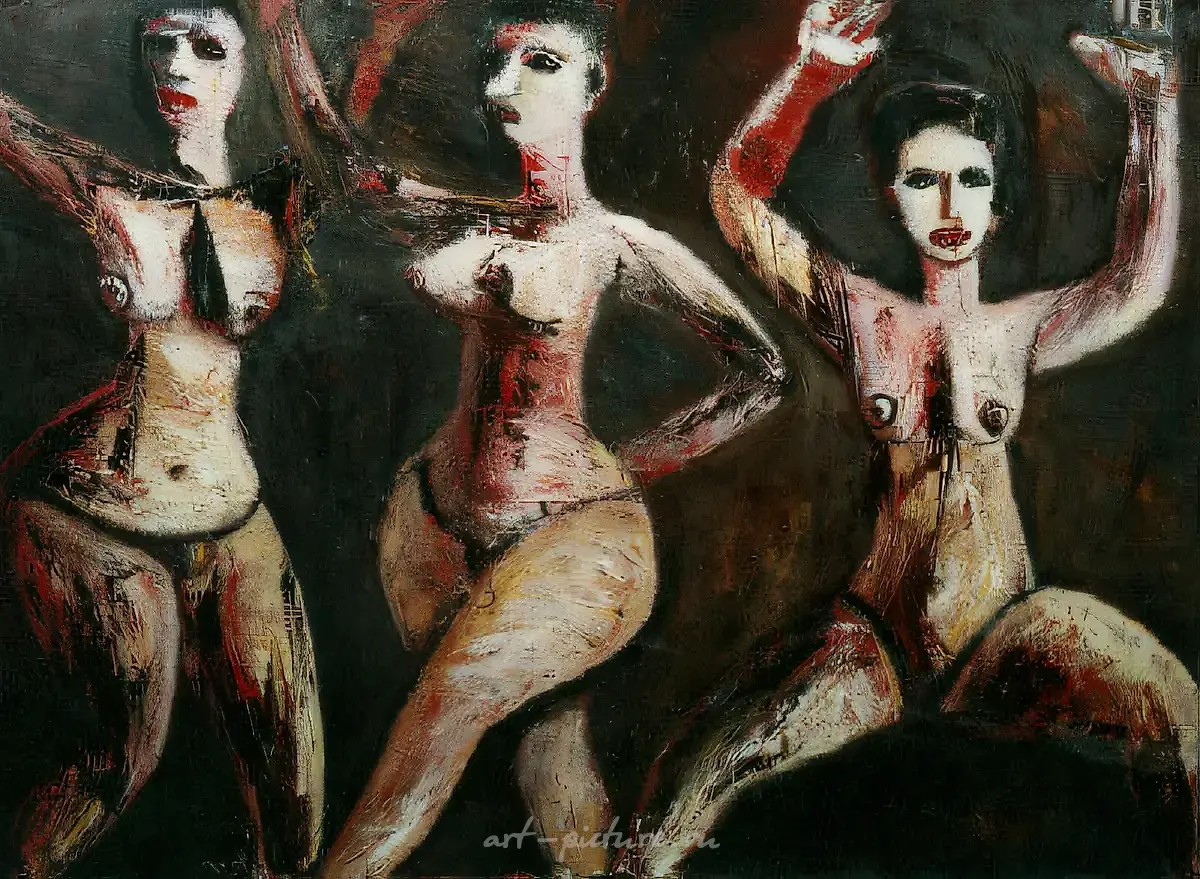
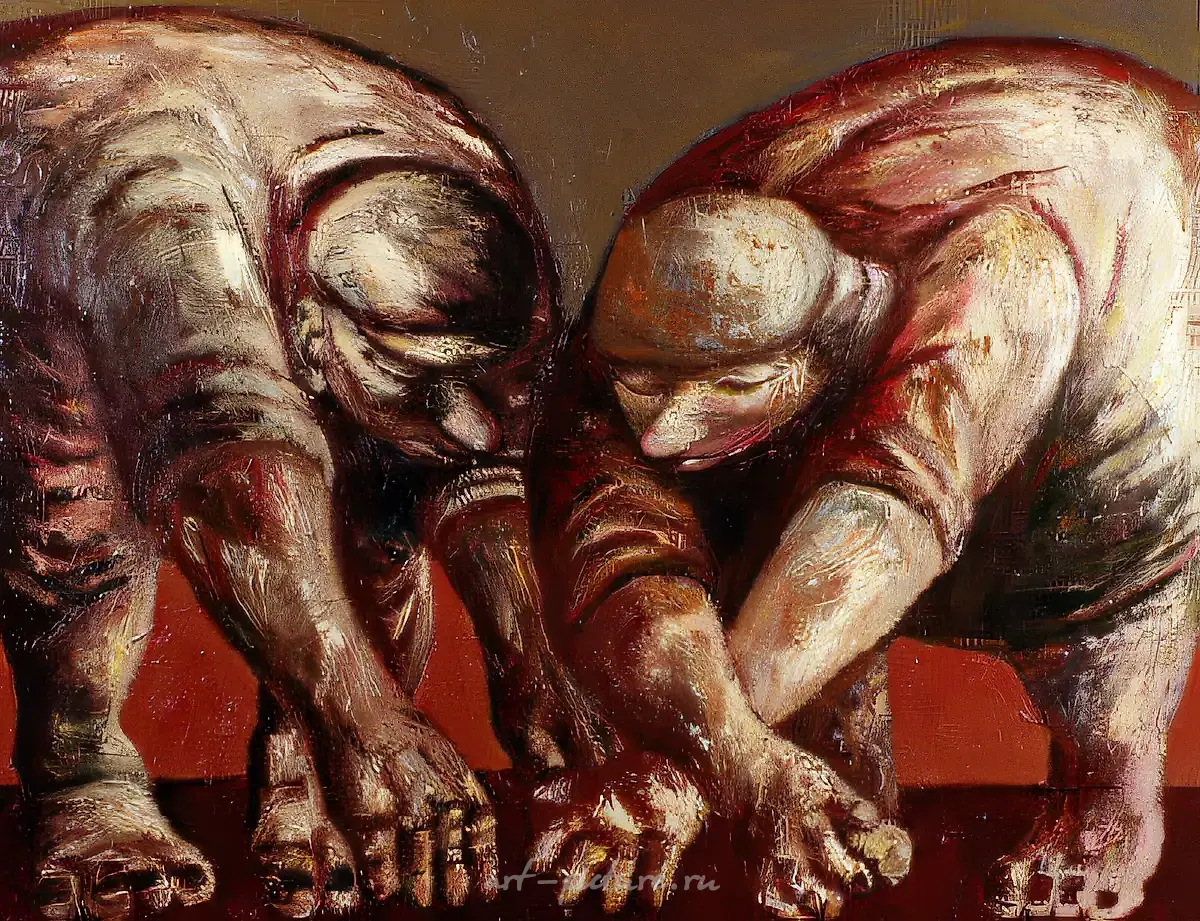
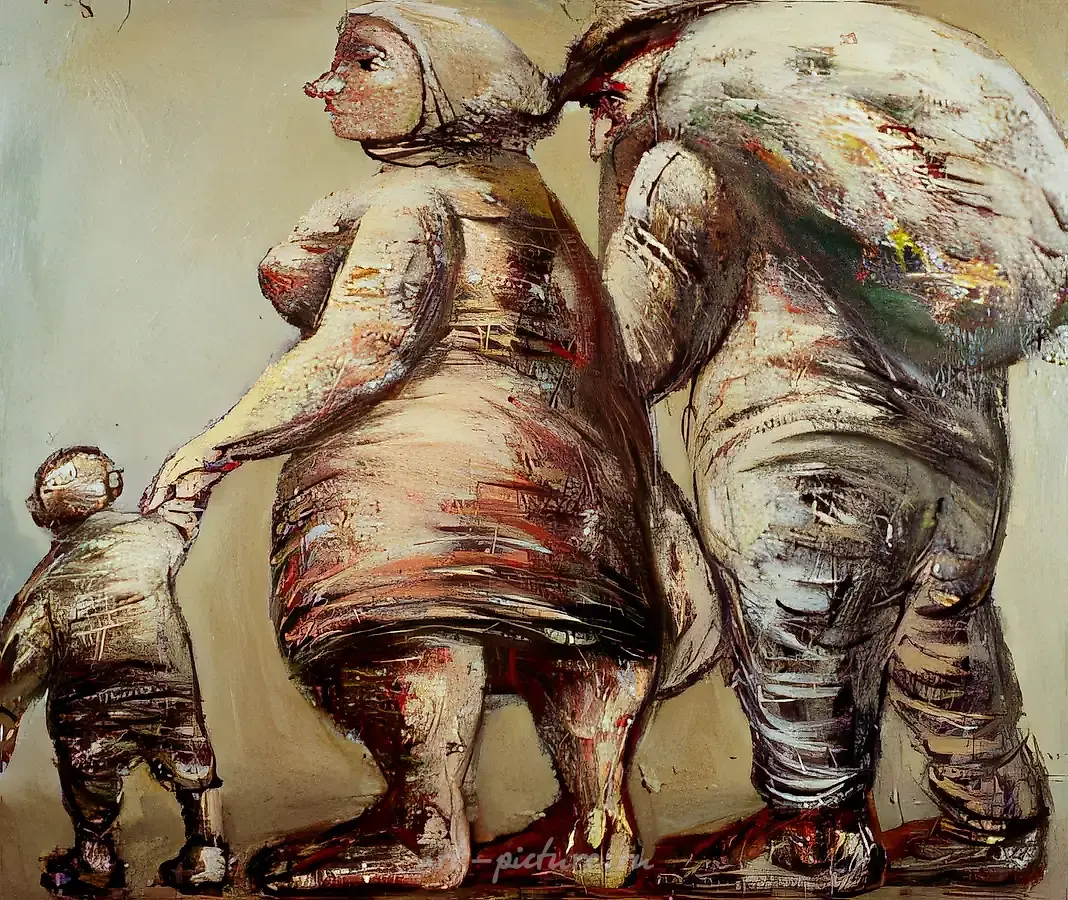
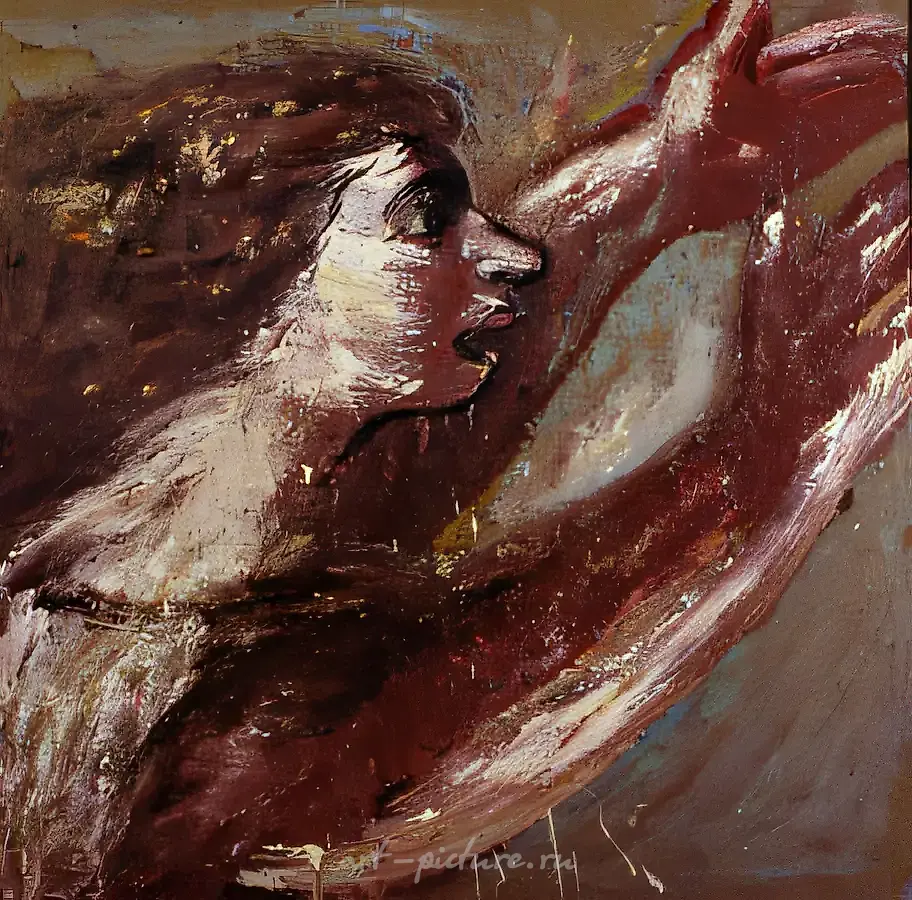
Already in the early 1980s, critics confidently attributed Tabenkin to the ranks of painter-plasticians—those for whom the expressiveness of an image is achieved by the expressiveness of color construction. In such painting, the pulsation of color, its movement and growth define both the structure and the story. It is color that builds the picture: heavy, viscous, sometimes monotonous. Lev Tabenkin is not a colorist in the old sense. His palette is strict, almost poor, as if he were searching for color richness—or at least variety. Color for him is not a jewel, not a festivity for the eyes, but akin to clay. The artist sculpts his vision of the world as a potter does, using that clay which we all knead—the clay of everyday life. Or is it, perhaps, a different clay, and its familiarity is deceptive?
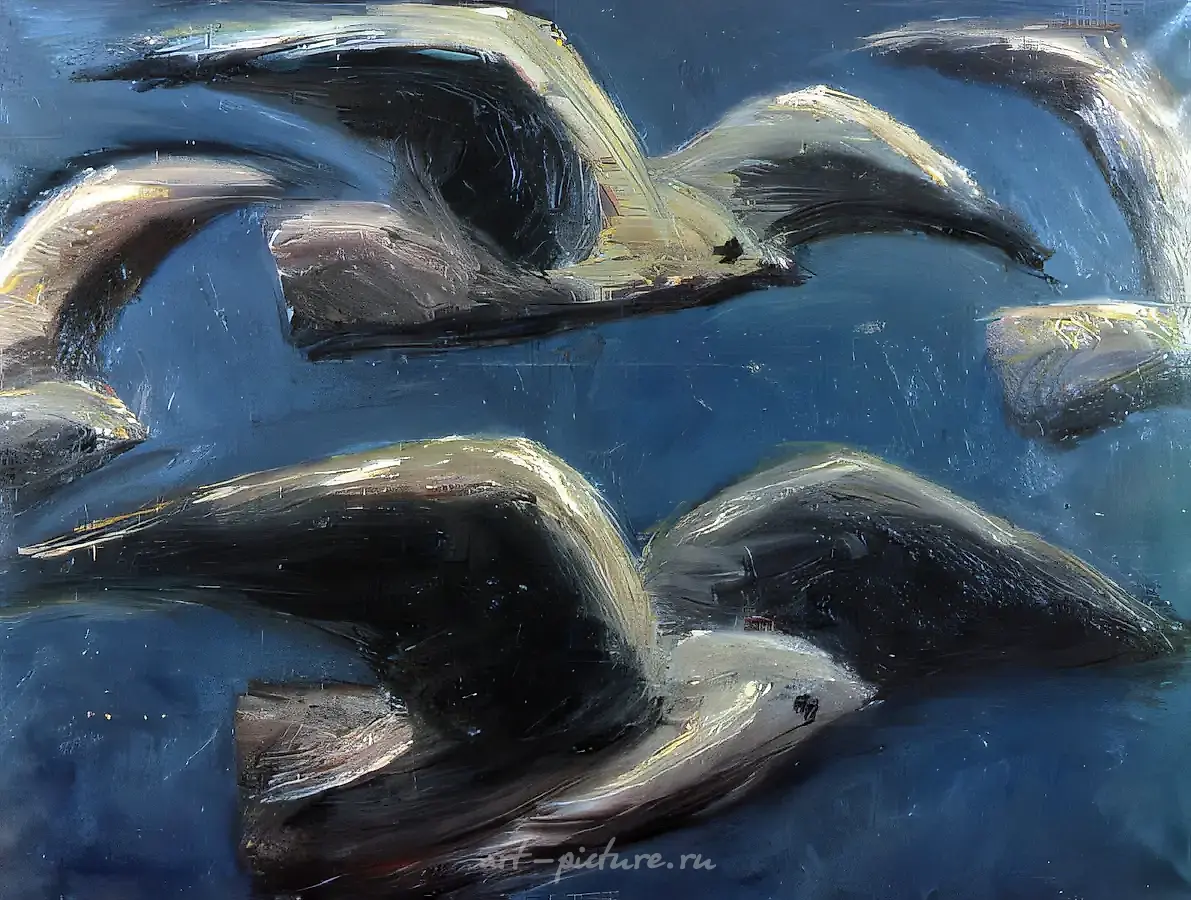
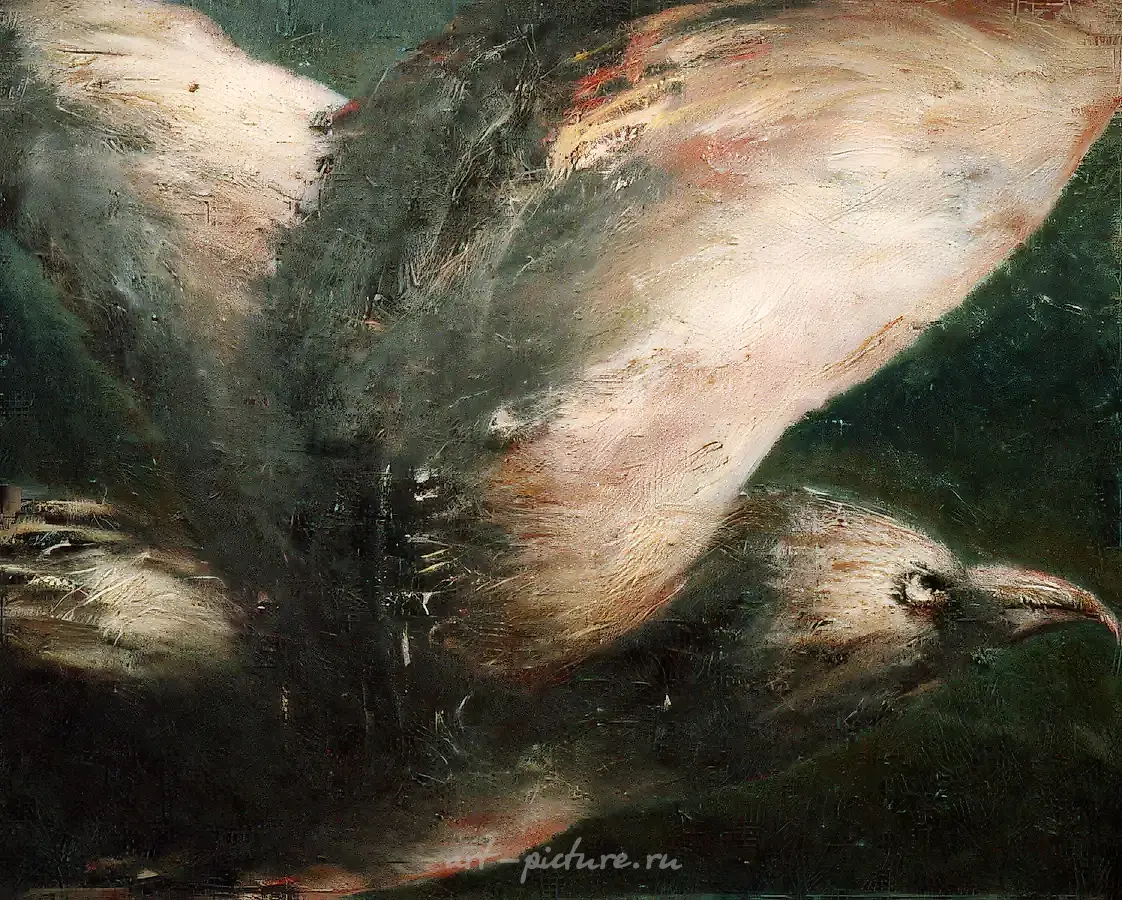
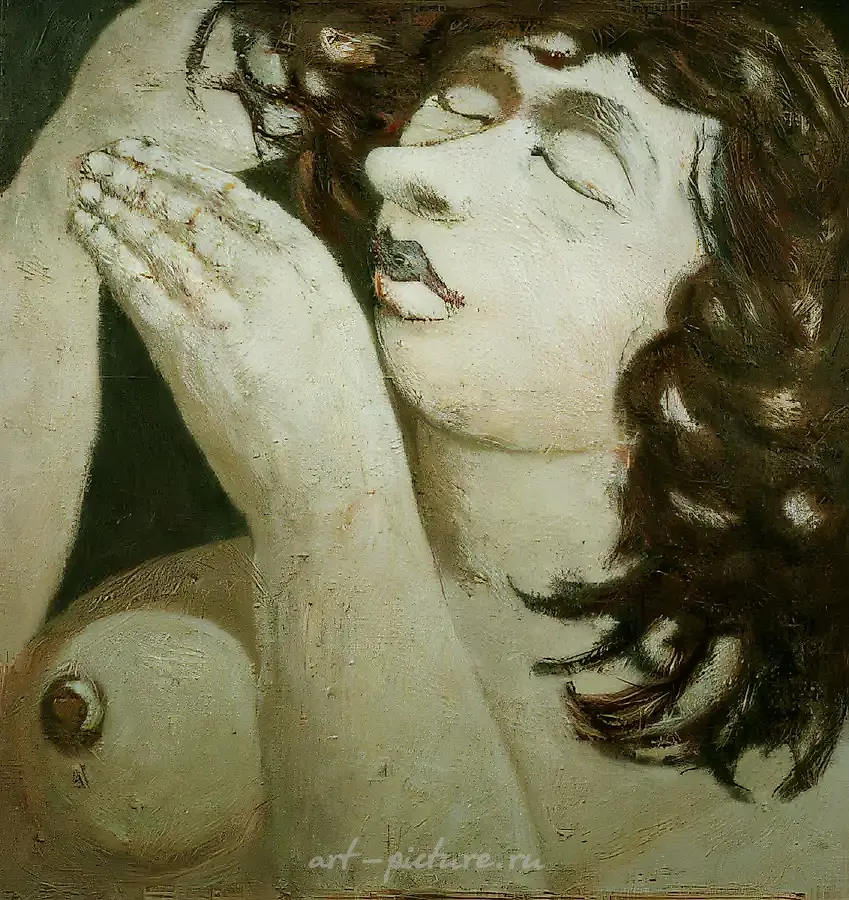
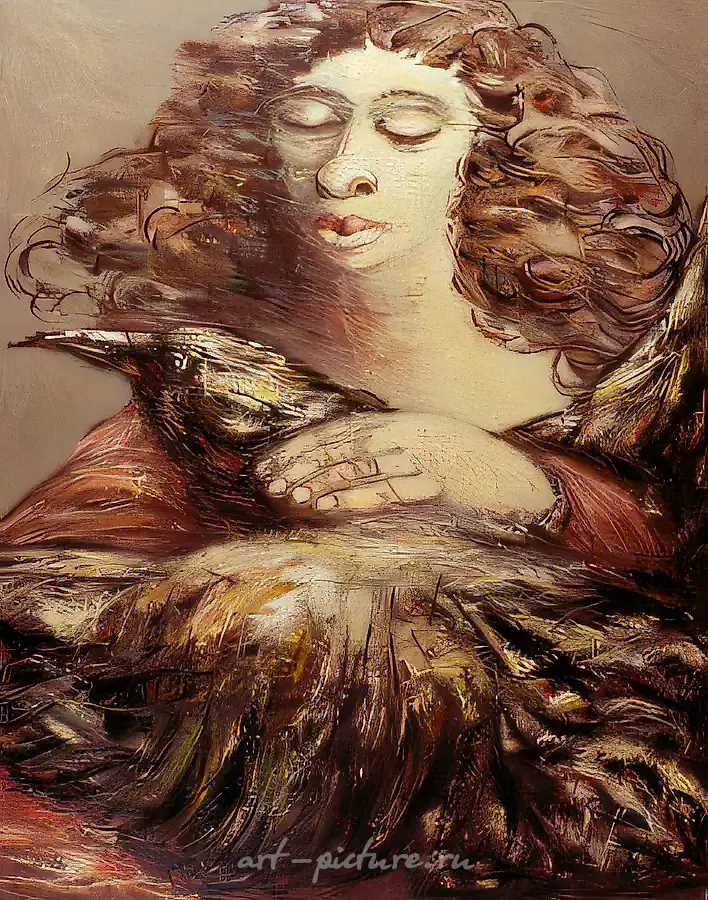
'Find a place for mass in space'—that’s how the artist defines one of his tasks. 'Mass in space'—a working definition. It is both incomplete and precise. Only, it is always living mass, enclosed in its heavy physicality, a tight clot of biological energy, be it person or bird.
To my mind, Lev Tabenkin is one of the few artists who know how to stop in time—stop, preserving the main thing: the movement of painting from chaos toward order. Into this movement the attentive viewer is drawn, albeit not without resistance. Then a new reality, created before our eyes within the canvas, displaces the first, the actual one. And later painting will again yield, of course, to life, but it will make life richer, fuller, denser.
Lev Tabenkin belongs to those who, not long ago still considered young, now are accomplished masters—who, having achieved recognition, always seem to find themselves on the sidelines of both critical and public interest. Why? For about seven years, the language of his painting was still too unusual, fresh, plastically unexpected... and thus inconvenient. And his people all seem unsettled... And the birds monstrous... That gull... So strange. The artist's own voice seemed strange then, and now his painting language is seen by many as too calm, traditional, almost "museum-like." The artistic situation has changed.
Tabenkin's 'pure painting' was overshadowed, having burst forth, by the much more dazzling, topical, and above all, recently forbidden or semi-forbidden Sots Art, whose tones—angry, ironic, or both—have become especially clear to us today. And the pathos of prohibition, the romanticism of recent underground existence, lends the art of these artists a particular allure.
But the heroic period of the underground is over, and again the somewhat forgotten criterion of artistic quality becomes especially important. It is nevertheless indispensable for painting to continue to exist as painting, not only as a chronicle of the times, not only as sharp and poignant publicism, as a bitter smile at ourselves and at the viewers. Someone must remain by the fire, someone must maintain the flame, ensuring the temperature, preserving the quality required for the natural life of art to continue.
E. Lvova, 'Clay and Birds of Lev Tabenkin (Fragments),' Ogonyok, 1990, no. 37.
Works 12