Natalia Petrovna Turnova
1957 Born in Kabul, Afghanistan. 1983 Graduated from Moscow Higher School of Industrial Art (Department of Industrial Art). Since 1985 Member of the section of young artists and art historians at MOSKh.
Works in collections
State Tretyakov Gallery, Moscow. Far Eastern Art Museum, Khabarovsk. Collection of European Commercial Bank, Moscow. Collection of JSC 'Russian World', Moscow. Private Collection, Germany. City Museum, Oklahoma City, USA. Museum of Modern Art, Łódź, Poland.
Exhibitions and auctions
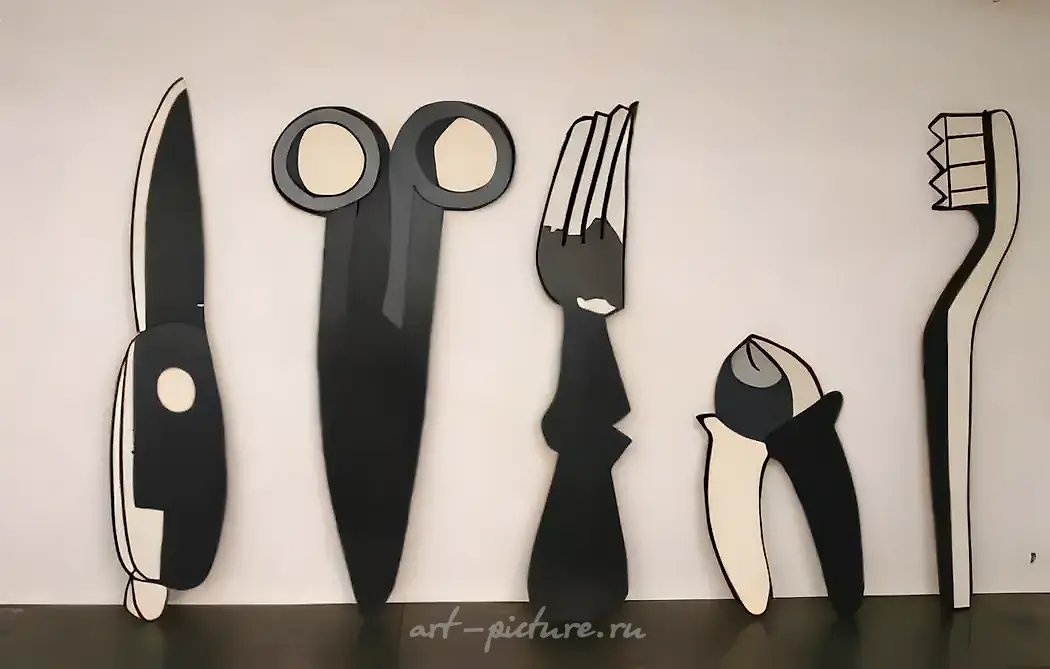
SOLO EXHIBITIONS: 2009 "Diagnosis". Krokin Gallery. Moscow. 2008 Solo exhibition. Moscow Museum of Modern Art. Moscow. 2007 "Mystics". PaperWorks Gallery. Moscow. "Commanders." Krokin Gallery. Moscow. 2005 "Out of Myself." Stella Art Gallery. Moscow. 2004 Exhibition of objects "Auto-Show." State Tretyakov Gallery at Krymsky Val, Moscow. "Natalia Turnova: Spiele / Arbeiten 1987-2004". M. Zandman Gallery, Berlin. 2002-2003 "Love." Regina Gallery, Moscow. 2000 "Collection-2000." Regina Gallery, Moscow. 1998 "Chronicle of the Past Year" (series of paintings and installation dedicated to the memory of artist and photographer Vasily Kravchuk). Velta Gallery, Moscow. 1997 "End of the Restricted Zone." Velta Gallery, Moscow. 1996 Exhibition "Kremlin Cup." Olympiysky Sports Complex, Moscow. 1995 "Crime." Regina Gallery, Moscow. 1991 "Toolkit" (with V. Kravchuk). Regina Gallery, Moscow. 1990 "1st Solo Exhibition of N. Turnova". Regina Gallery, Moscow. SELECTED GROUP EXHIBITIONS: 2009 "From Study to Object." Moscow Museum of Modern Art. 2007 Sculpture Biennale in Fellbach (Germany). New acquisitions exhibition NCCA. Moscow. Art of Technologies. Galileo Exhibition Center. "ART Moscow." With PaperWorks Gallery. 2006 "Moscow News." Prague (organized by NCCA, Moscow). "Choice". As part of the Art Initiative Forum. New Manege. Moscow. "Empire of Light. Tribute to GOELRO". Museum of Contemporary History of Russia. Moscow. 2005 "Gender Troubles" (special project within the I Moscow Biennale of Contemporary Art). Moscow Museum of Modern Art (at Petrovka), Moscow. "Don't be afraid (Persistent Victims)" (parallel program of the I Moscow Biennale of Contemporary Art). TXT Gallery, Moscow. "Egalitarianism" (special project in the framework of the I Moscow Biennale of Contemporary Art). Museum Center of Russian State Humanitarian University, Moscow. 2004 "Love, Sex, Erotica". Gallery on Solyanka, Moscow. "World of War." Museum of Decorative and Applied Art, Moscow. "To the Resort!" Kunsthalle Baden-Baden, Germany; MGVI "New Manege", Moscow. "New acquisitions." National Center for Contemporary Art, Moscow. "Book." NCCA, Moscow. 2003 Festival "Art-Klyazma." Klyazminskoye Reservoir Boarding House, Moscow Region. "Boundaries of Childhood." Artek Gallery, London. "Banks and Cups" as part of Kremlin Cup. Meyerhold Center, Moscow. 2002 "Counterrevolution." Museum of Decorative and Applied Art, Moscow. "Art of the Female Gender." State Tretyakov Gallery, Moscow. "Self-portrait of the artist." RSUH, Moscow. "Object Space." Museum of Decorative and Applied Art, Moscow. "Colorings." 'Mukha' Club Gallery, Moscow. 2001 Art Fair "Art-Moscow." National Fund of Art Collection, CCH, Moscow. Art-Cologne 2001, Regina Gallery's stand, Cologne. 2000 Exhibition of Regina Gallery Artists. Regina Gallery, Moscow. Art Fair "Art-Moscow." Regina Gallery Stand, CCH, Moscow. "Auto-mobile." Polytechnic Museum, Moscow. "Art of the Second Half of the 20th Century." Tretyakov Gallery at the Krymsky Val, Moscow. "Art-Manege." Central Exhibition Hall "Manege", Moscow. 1999 "Heroes." Exhibition Hall "New Manege," Moscow. "Muscovite Woman." Escape Gallery, Moscow. "Living and Dead." Escape Gallery, Moscow. "Nativity Play." Gelman Gallery, Moscow. "Sensual Setting." Cultural Center "DOM" Gallery, Moscow. 1992 "Art from First Hands or Apology of Shyness." Regina Gallery, Moscow. Exhibition within the seminar "Two Cultures." CCH, Moscow. "Malevich Center at the Paleontological Museum." Paleontological Museum, Melikhov Gallery, Museum of Decorative and Applied Art, Moscow. Joint Russian-Dutch project women-artists. Peredelkino, Moscow Region.
Author about himself
"I can’t say that art is everything for me. Life is more important than art. I can't sacrifice life for art. Rather, my art is a way to transfer what happens in life. So I can’t create something to order, on a given theme. I have lived through my own themes. I can’t do anything miniature, it just won’t work for me. That doesn't attract me. I am interested in large forms, and I have to do everything with my own hands. I never engaged assistants even for making frames. I think if something is made not by me, this intervention will somehow change my intention, won't let me realize what I want. Probably, what I feel I have no right to do in life—to insist on my own, to aggressively master space, to persistently attract attention—I do in art." (from I.Bazileva's article "A Female Biography: Resistance to the Inanimate," Art Magazine No. 45, 2002)
Critic
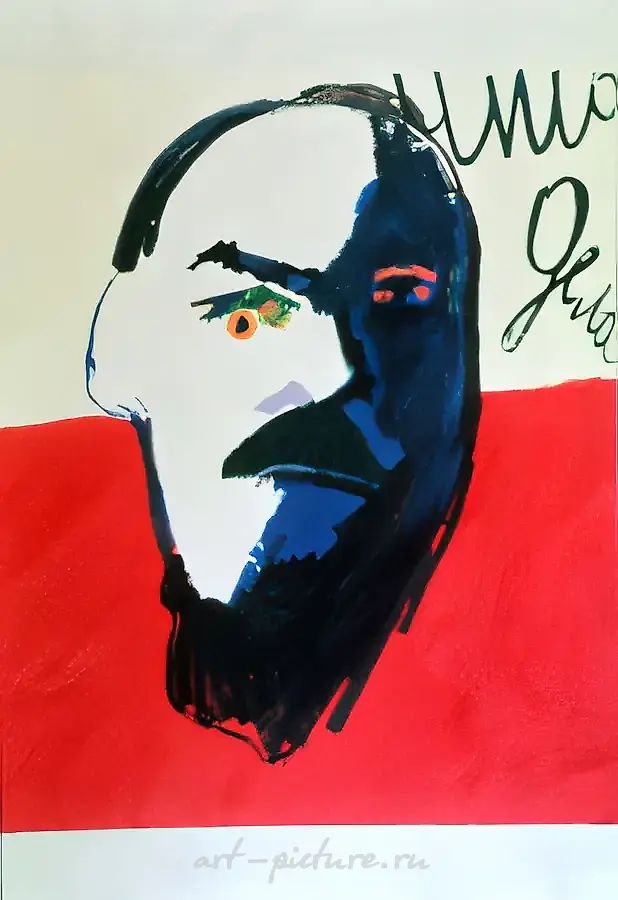
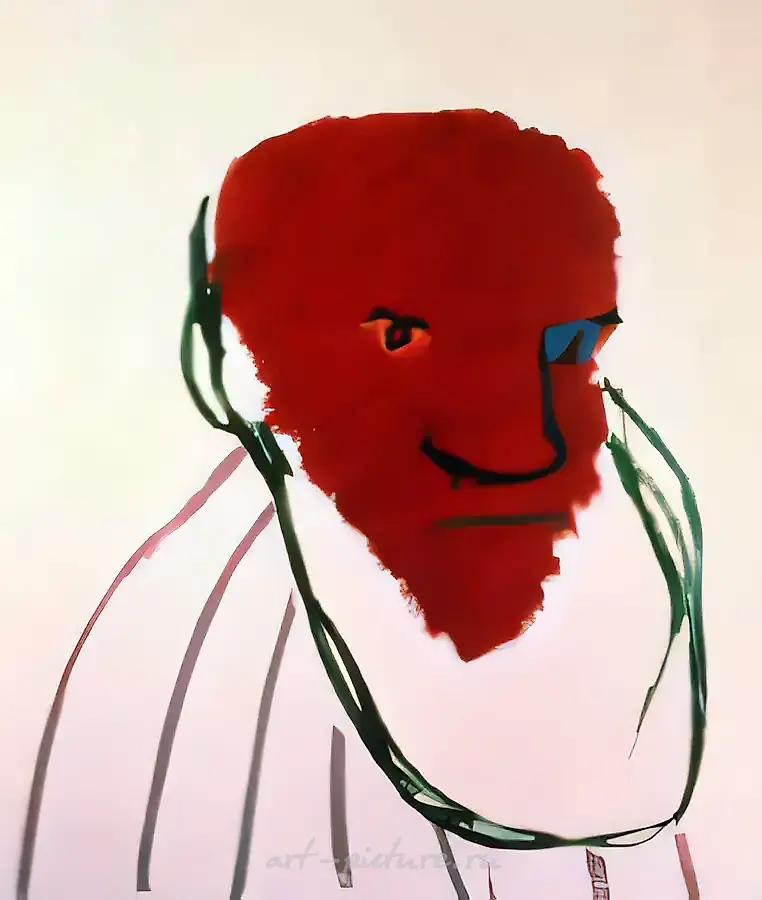
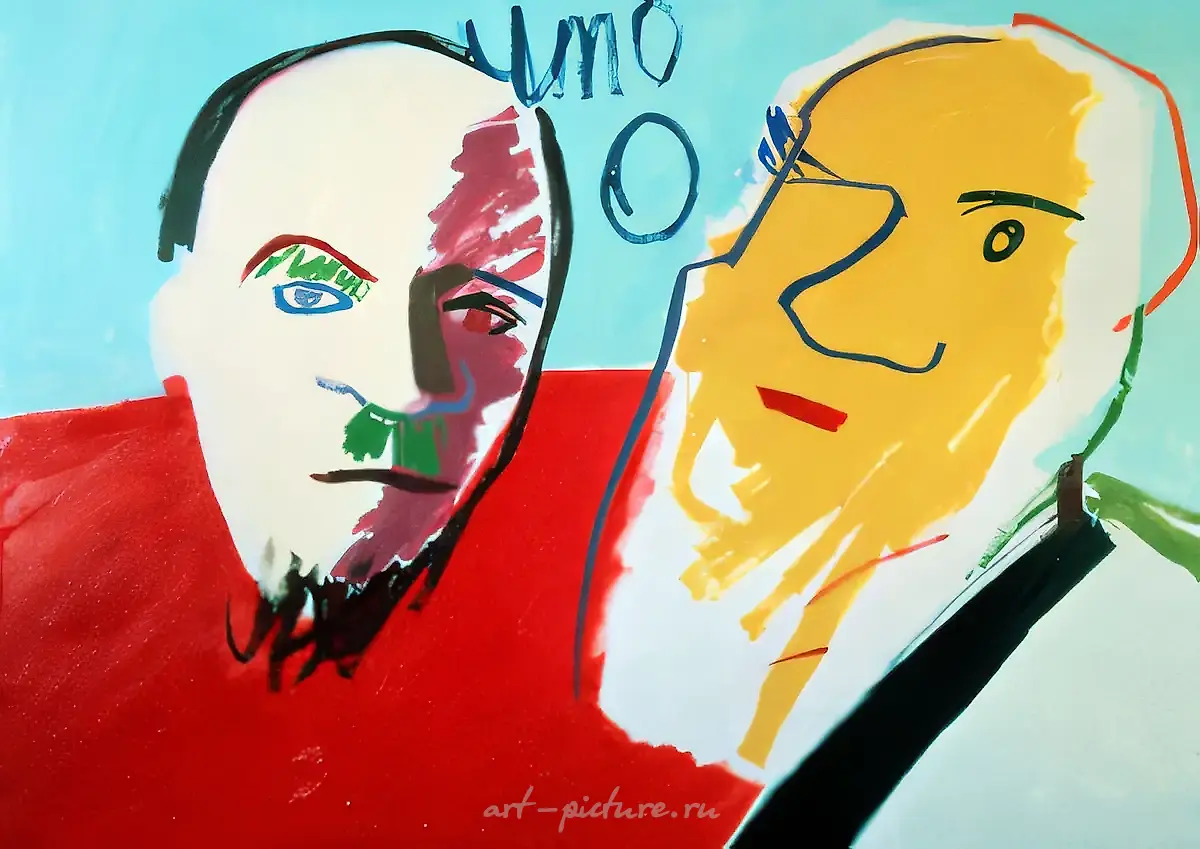
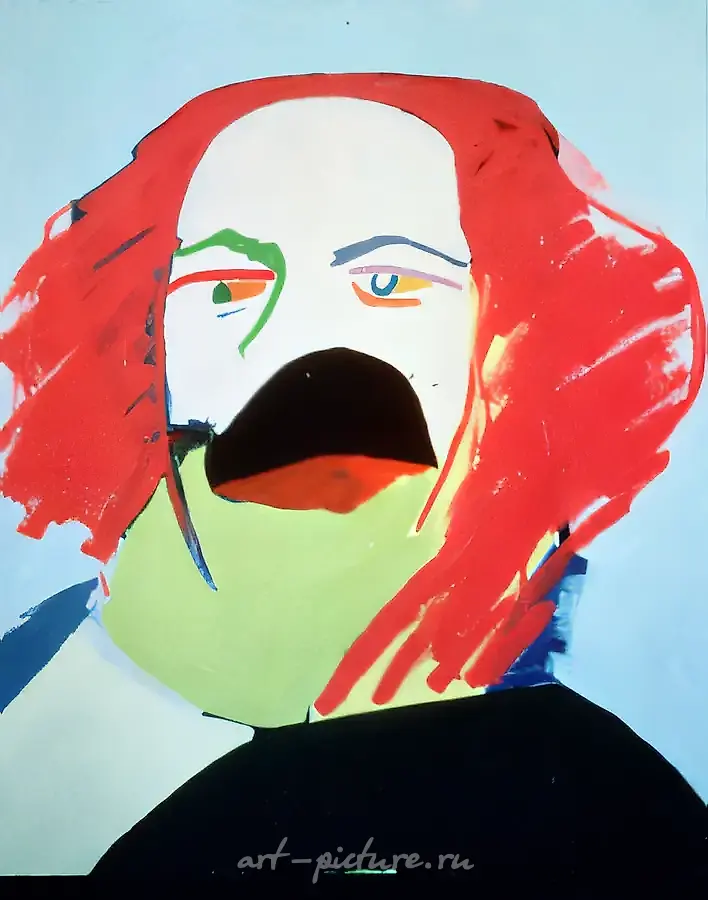
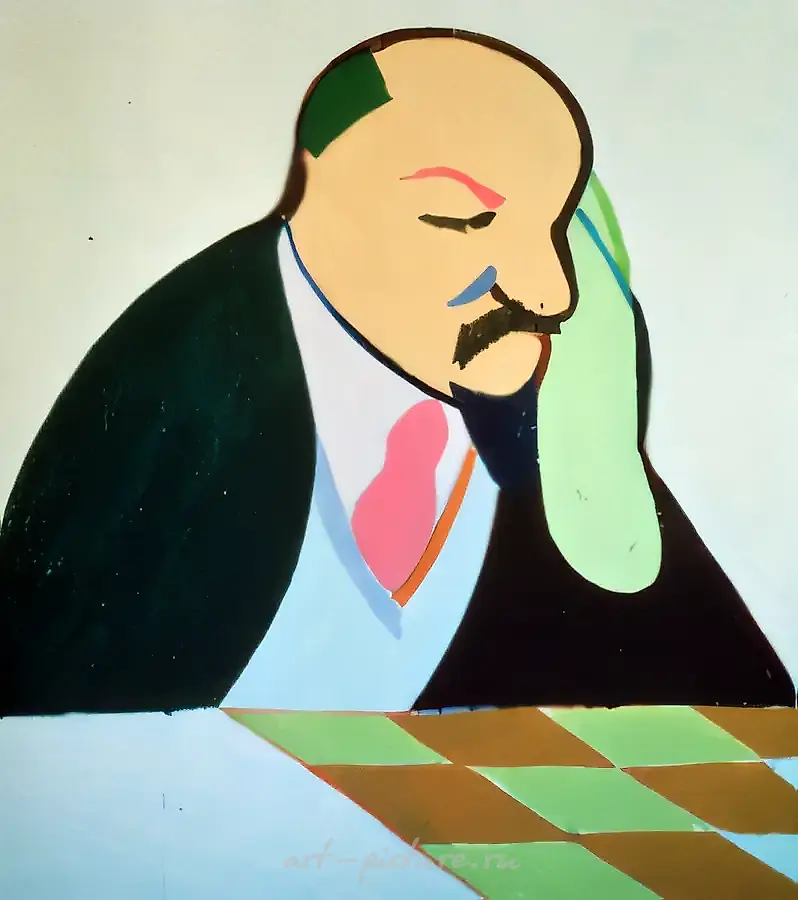
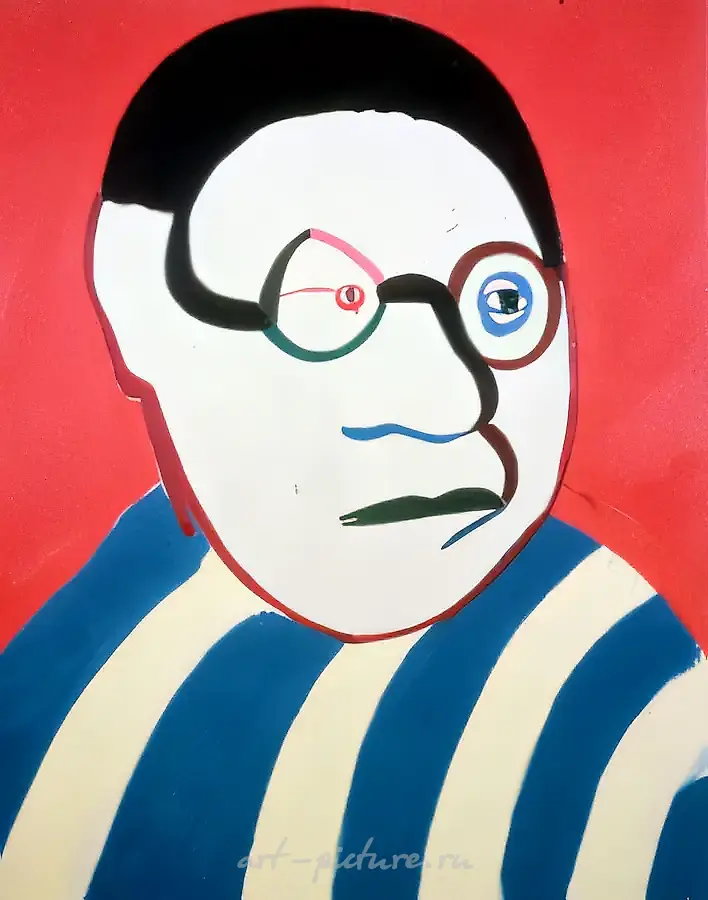
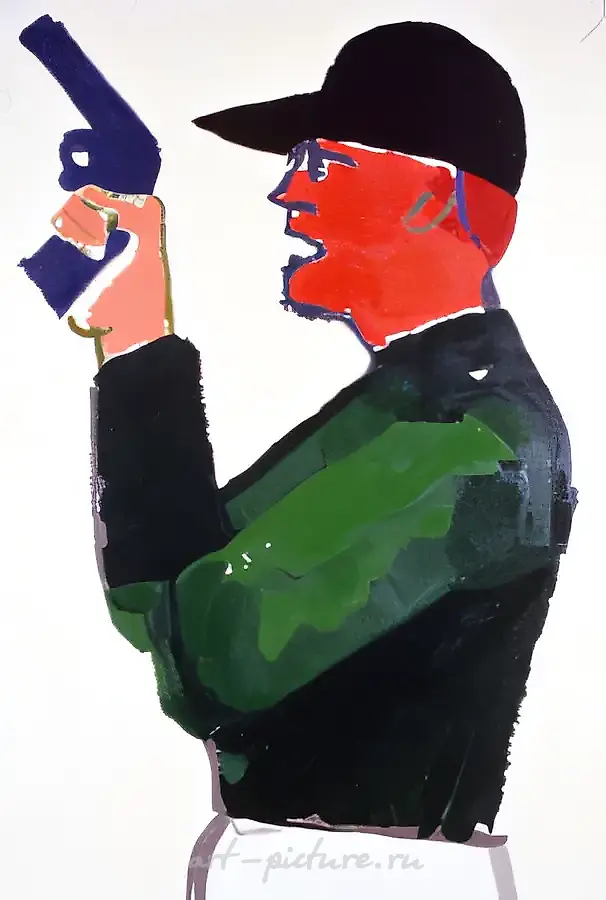
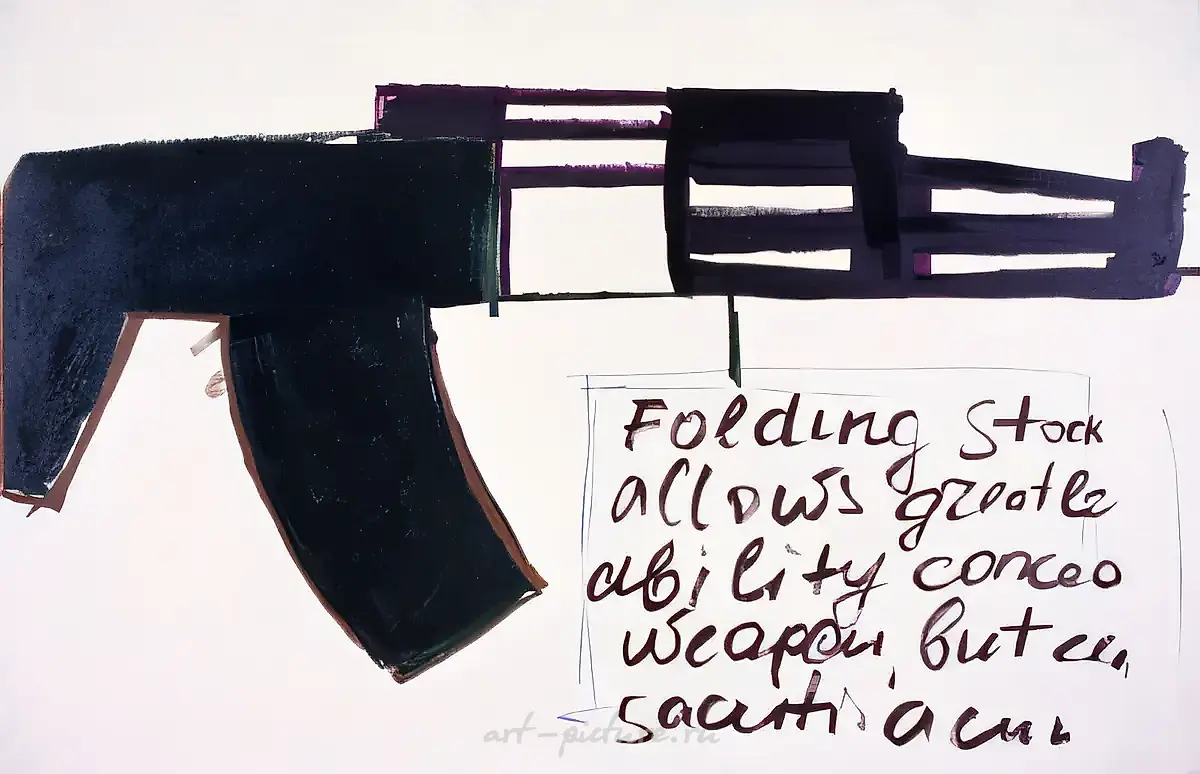
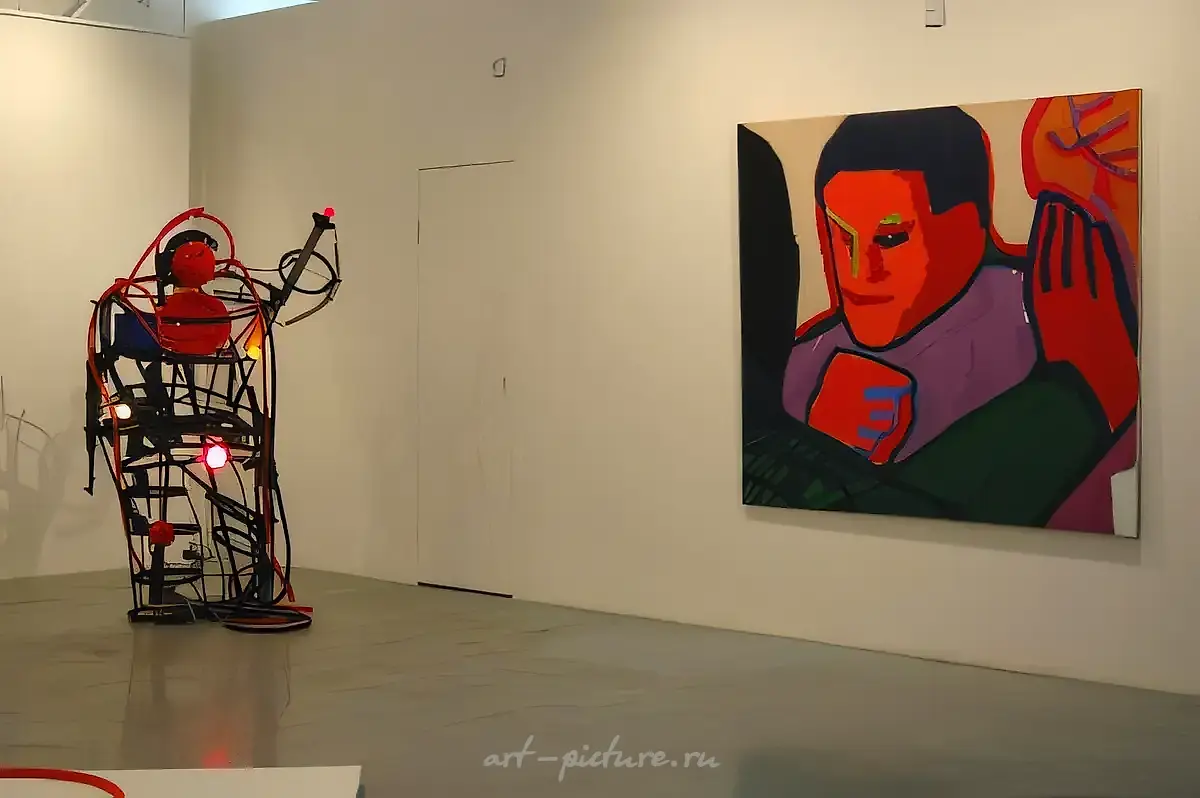
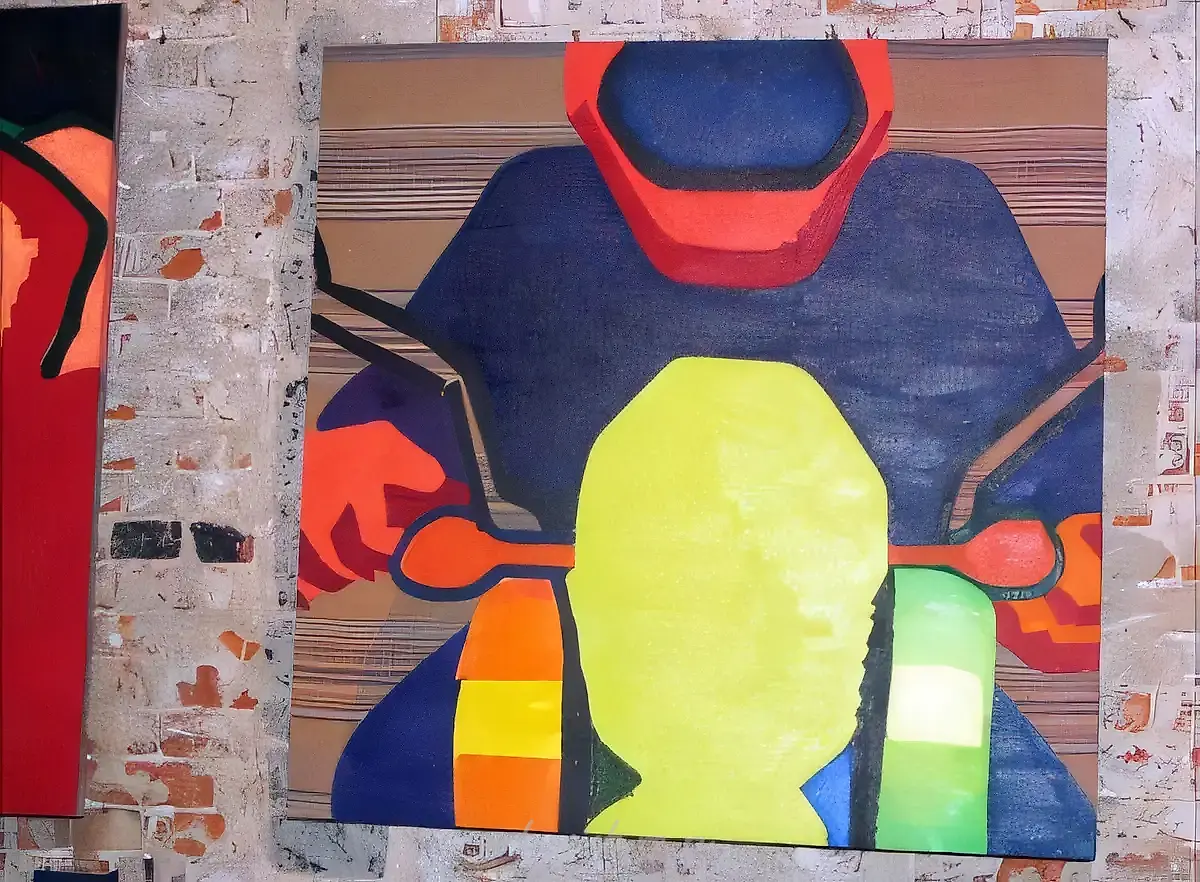
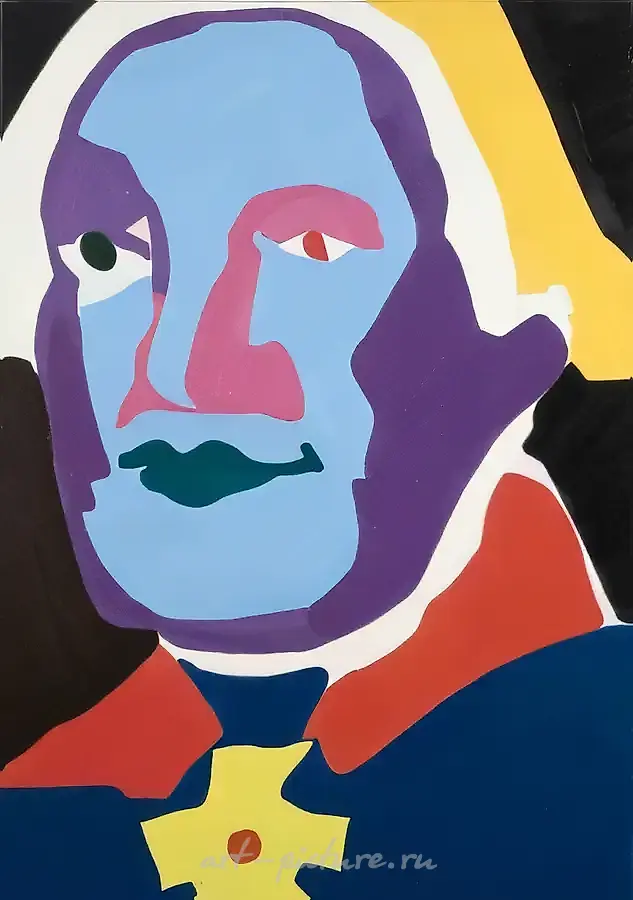
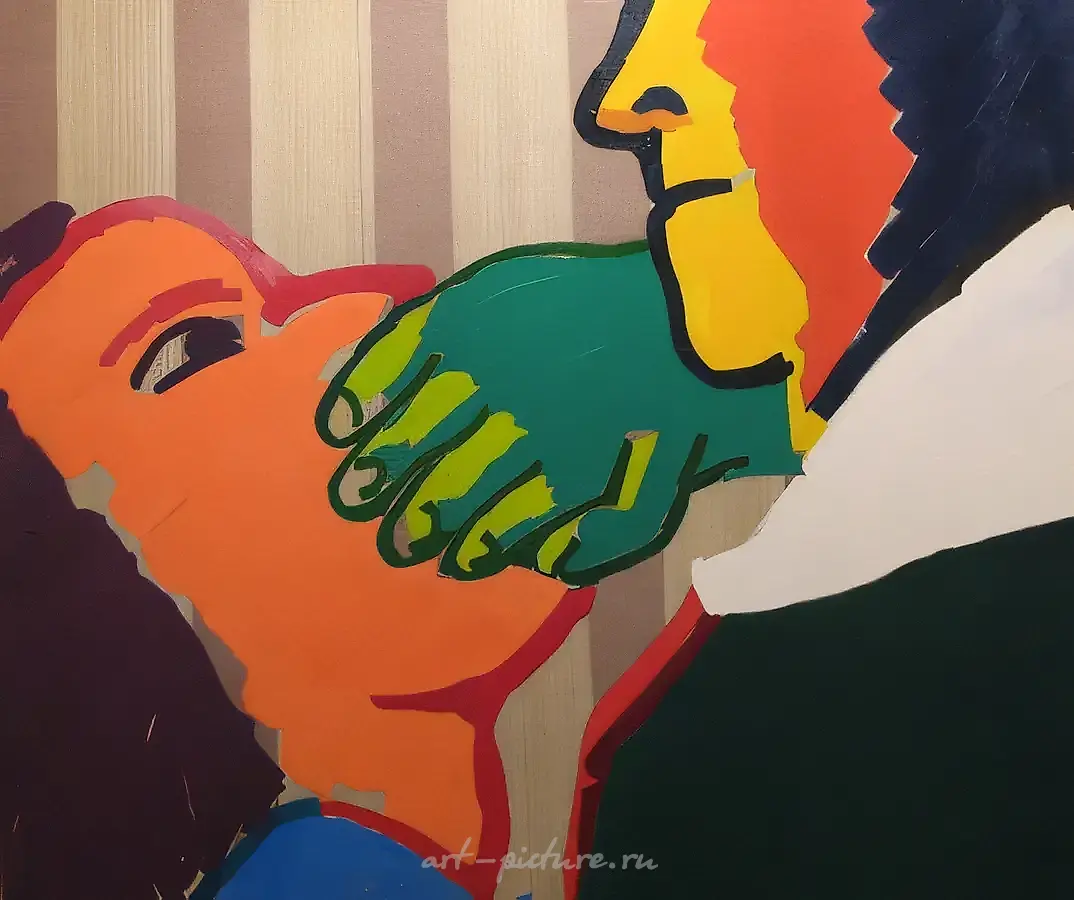
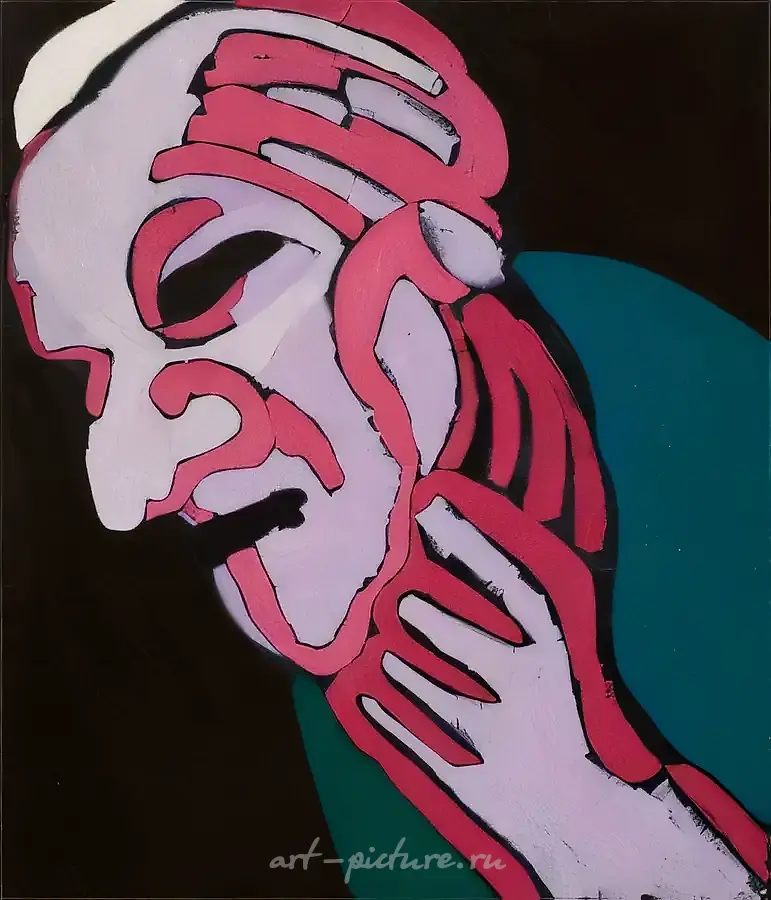
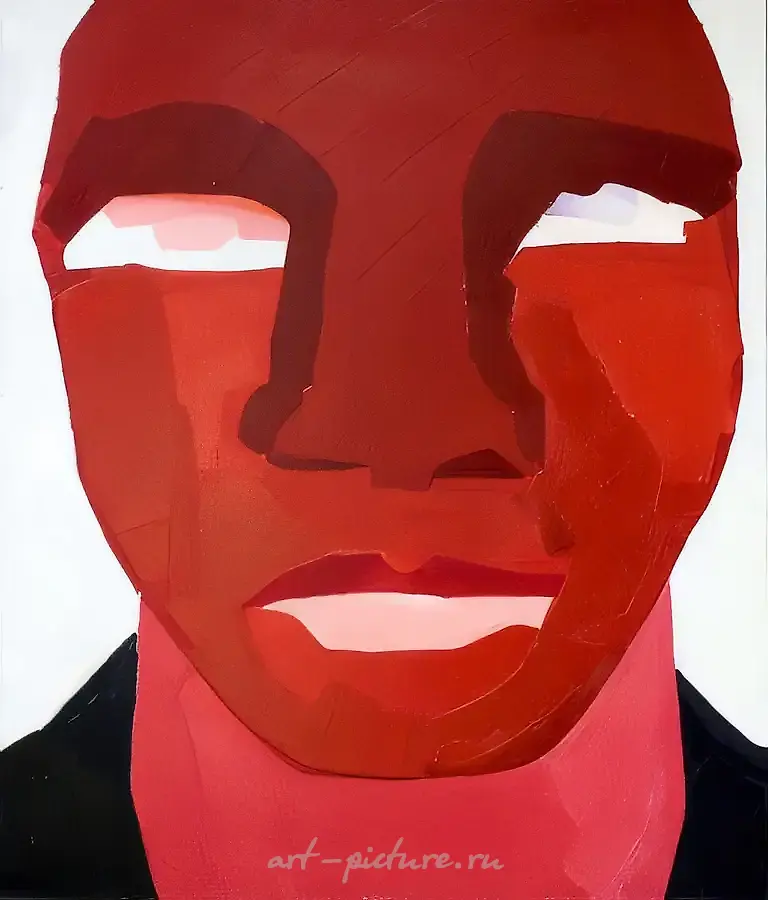
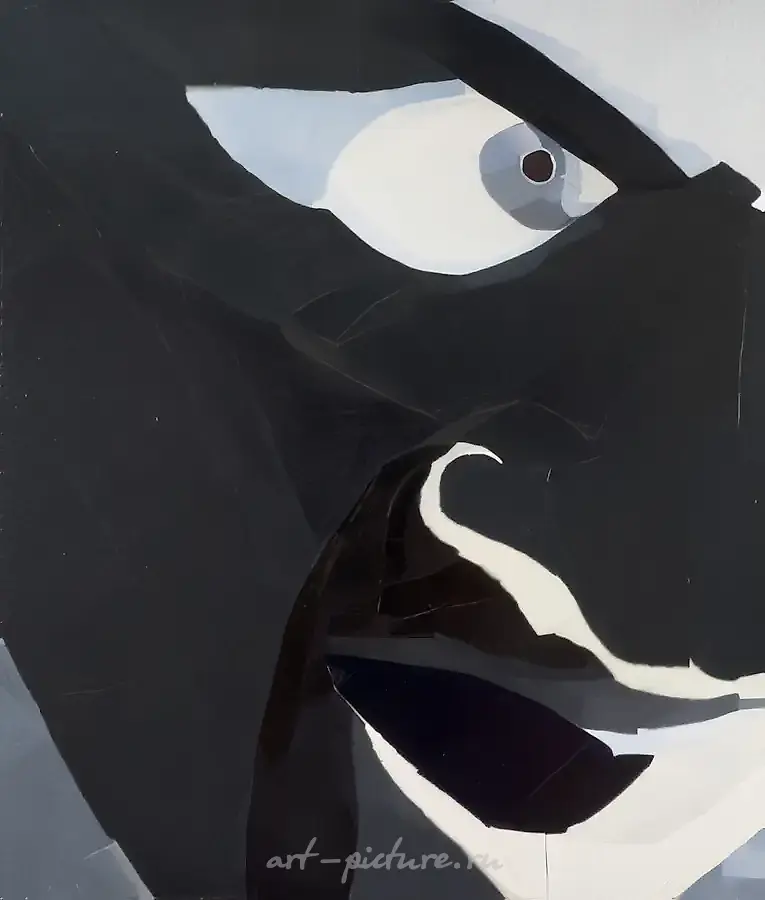
"For a contemporary artist wishing to preserve a modernist fascination with color and form, there is only an intermediate path between abstraction and figuration. The artist must move away from naturalism and glamour, which, for all their visibility, create a deficit, a leakage of imagination, but also not fall into the utopia of an all-encompassing language advocated by non-objectivists, which becomes a cipher for the initiated. Natalia Turnova also balances on this tightrope, never leaning too far to one side or the other. Turnova draws her subjects from the informational space, guided by phenomena with the most pronounced aura. In the mid-1990s the most reproduced figure, in endless publications and rumors, was the bandit and the criminal world he represented. This gave rise to the "Crime" series, in which only traces of villains and heroes remain—memories akin to cave paintings. Now the 'Commanders' have surfaced. Apparently, the noise of the times, which has become the only source for painters, now pleases with more conservative harmonies.
Among the characters in the series, there are politicians who did not command military units. However, for Turnova the choice of subject is accidental. 'The title could be anything,' she explains. 'Geniuses', 'Great Navigators', etc. I’m not so interested in these commanders themselves (although they are all undoubtedly extraordinary individuals), but in the mythological nature of their image.'
In the 'Commanders' one can see constant openness, an abundance of divergent directions and pauses which cannot freeze in a definitively found formula. They transform easily, like oral folklore.
Valentin Dyakonov, from the press release to the 'Commanders' project, 2007
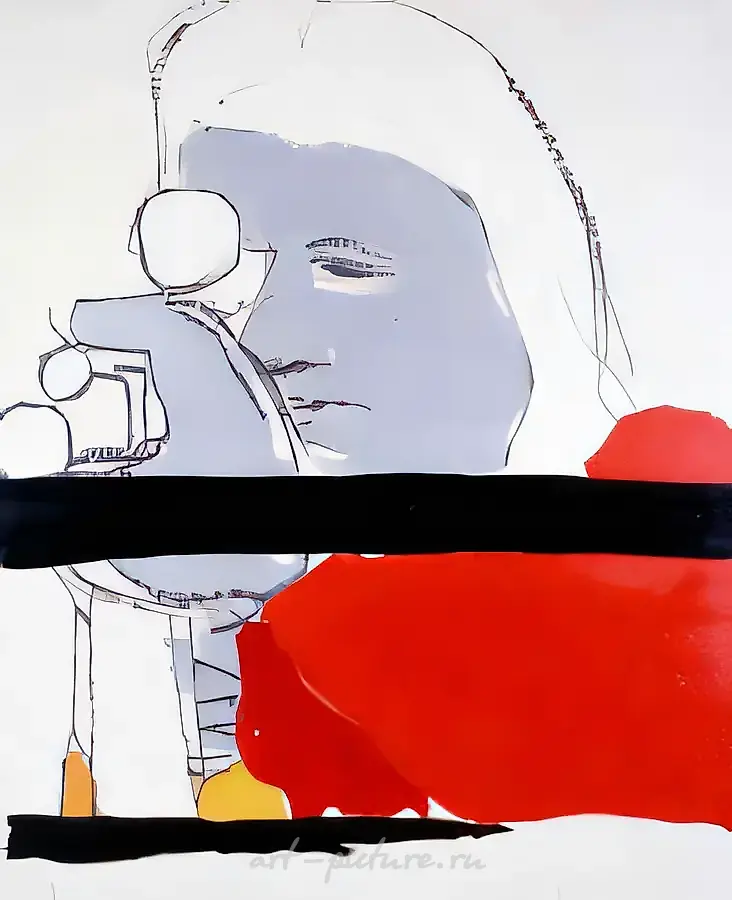
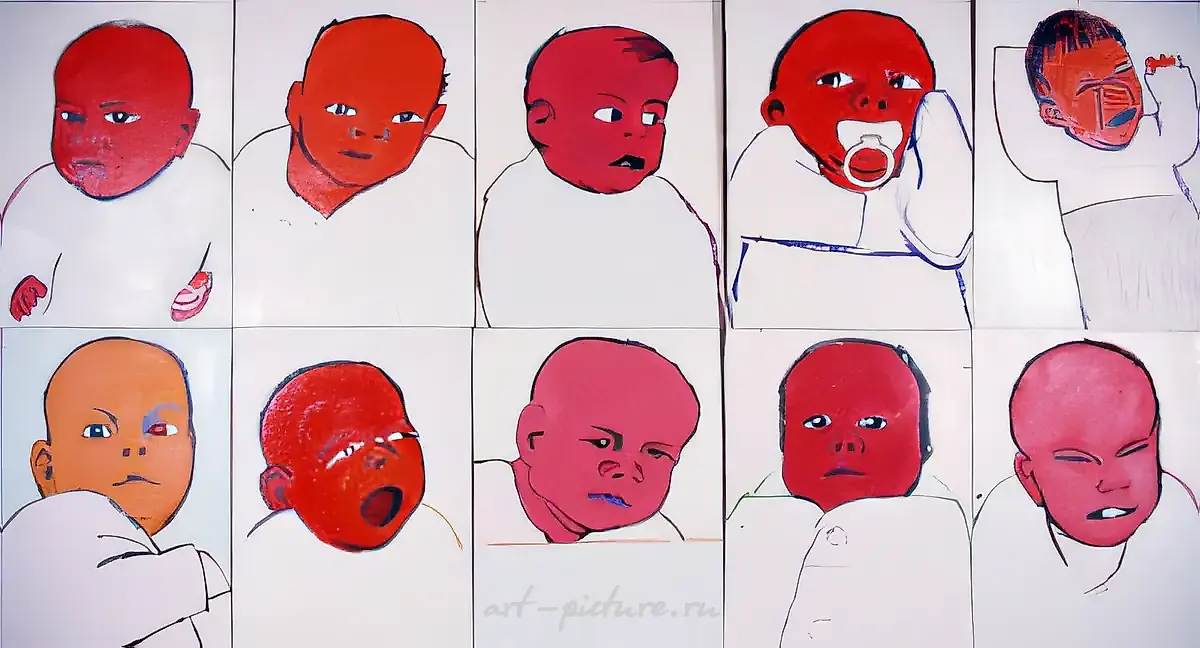
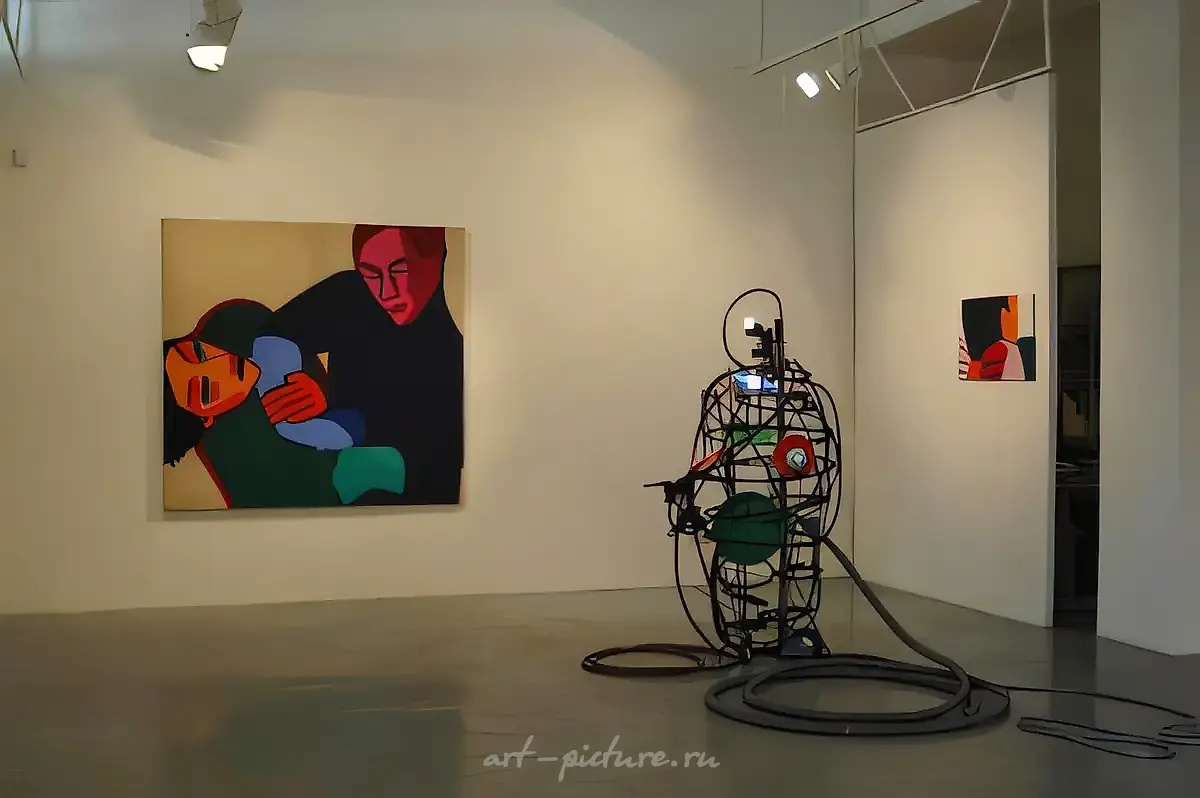
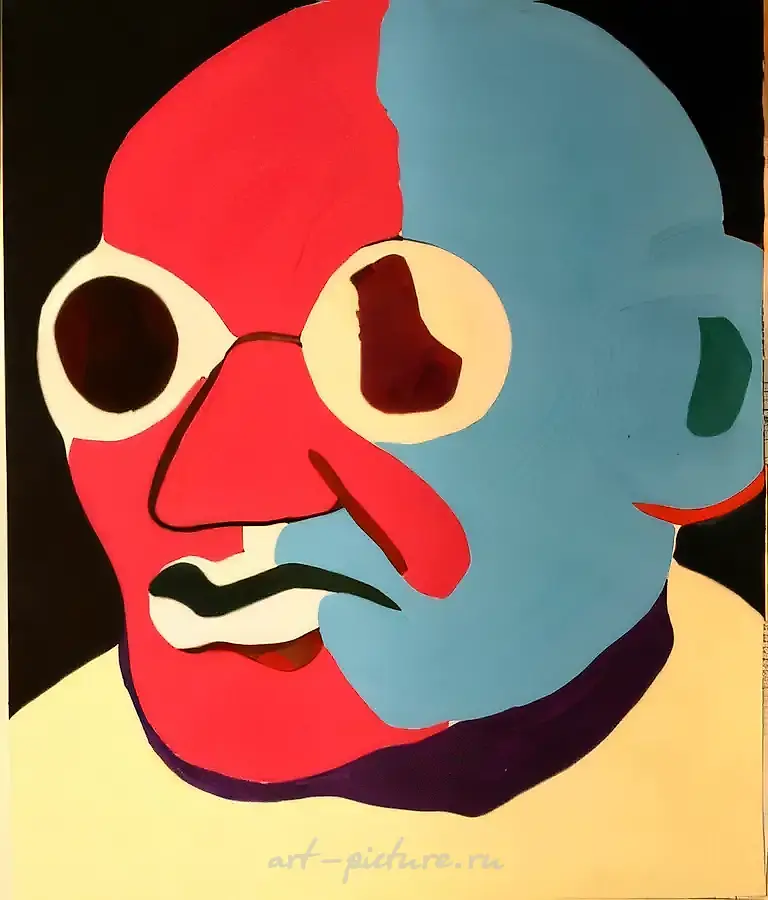
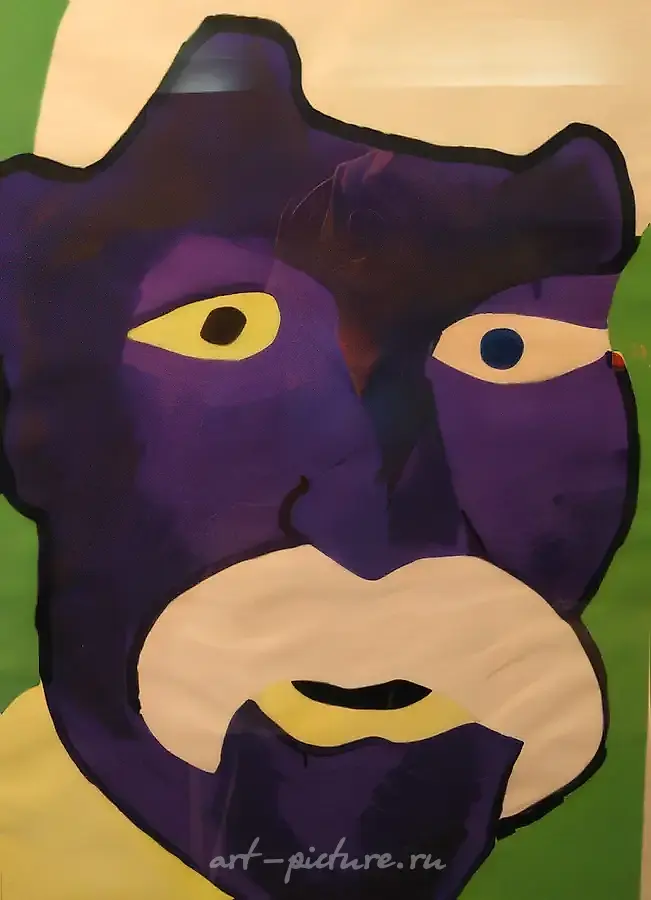
In times of proclaimed authorship's demise, when travesty, irony and all sorts of mockery are much more seductive and invigorating than a straightforward artistic statement, Natalia Turnova's art seems quite risky. Advocates of still-thriving conceptualism will not fail to accuse her of being old-fashioned, 'erudites'—of pop-art traditions, 'radicals'—of the irrelevance of steadfast painterly preferences. Yet all these reproaches together grow into a definite plus—a testimony of a strong authorial position, preferring plasticity and professionalism to the overdone stunts of tired postmodernism. Amidst general vagueness and stale artistic provocations, Turnova steadfastly chooses painting, performing in and on the canvas solely for herself. No coquetry, her visual language is maximally open, energetic and uncommonly assertive (leading, constantly, to her name being coupled to Russian feminist discourse). Living quietly and outside of cliques, but working provocatively and extensively, she always gravitated to series and large formats. Already, in the postperestroika wave of the late 80s, behind the strict girl with a braid, there lined up a row of huge, sharp political portraits—images of Soviet legend monsters, presented by Turnova lightly and vividly, colorfully and almost naively, as if she was painting her own fate with them—strictly personal vicissitudes embodied not in lyricism but in politics, or rather in history mingled with the biography of her soul.
Thus—like children of the strange Turnova family—'Kurchatov' and 'Lenin Playing Chess,' 'Krupskaya' and 'Tolstoy and Wells,' Civil War characters, and later—the Afghans, Corazon Aquino and many others, all appeared in turn. Today—the 'Crime' series, as gripping as a Stout or Chase novel, but, alas, as real as life itself, bringing all sorts of associations and cultural allusions to the level of immediate, all-encompassing criminality. The exhibition resembles a visually broken-down thriller. The plot, the hero, the dynamic of actions and the necessary clues—all meet the requirements of mass genres, while the strength of painting lends the sensations literal spectacle and, most importantly, artistic significance. The genre works, none remain indifferent, and like glancing over a neighbor's shoulder in the metro, you are irresistibly drawn into the excitement of someone else's, accidentally intruding, game. However, life gives the game too obvious a tangibility, and the intrigue invented by Turnova in the wake of bestsellers grows day by day into a universal metaphor for the reality surrounding us.
O. Kholmogorova. Natalia Turnova. "Crime". Regina Gallery, Moscow, 1995
Works 21