Khlebnikova Vera Maevna
1954 Born in Makhachkala, Dagestan
1977 Graduated from the Moscow Polytechnic Institute (Faculty of Artistic and Technical Design of Printed Products)
Since 1985 Member of the Union of Artists of the USSR
Works in collections
Collection of Contemporary Art of the State Museum-Reserve Tsaritsyno, Moscow
Aleksey Tolstoy Museum, Kuybyshev
Private collections in Sweden, the Netherlands, Germany, USA
Exhibitions and auctions
SOLO EXHIBITIONS
1995 "Fake Faces." Yakut Gallery, Moscow
"Rustle of Time." Venajanja Ita-Europian Instituuti, Helsinki, Finland
"Papierarbeiten." Galerie Inge Herbert, Berlin, Germany
1996 "Apologies." Gallery "Obscuri Viri," ROSIZO, Moscow
1997 "Artist's House or My Life in Art." XL Gallery, Moscow
GROUP EXHIBITIONS
1982 "Second All-Russian Exhibition of Book Illustration." Perm; Leningrad
1983 "All-Russian Exhibition of Drawing and Watercolor." Manege, Leningrad
XVI Youth Exhibition. Manege, Moscow
1986 XVII Youth Exhibition. House of Artists at Kuznetsky Most, Moscow
1990 "Rabotnitsa." Oktyabrskaya, 26, Moscow
1991 "Visiting." Peresvetov Lane, Moscow
"Biennale of Children's Books." Bratislava, Czechoslovakia
"International Exhibition of Children's Books." Tehran, Iran
"Topography." L Gallery, Moscow
1991-92 "Soviet Art around 1990" (Binazionale). Kunsthalle Dusseldorf, Germany; Israel Museum, Jerusalem; Central House of Artists, Moscow
1992 "Letter to Bulgakov." Central House of Artists, Moscow
"Hearts of Four." Officers' House, Moscow
1993 "Trzy Generacji." Konin, Poland
"Shop." Konstantin Store. Olympic Complex, Moscow
1995 "Art of Dying." Yakut Gallery. Manege, Moscow
"Winter Garden." Phoenix Cultural Center, Moscow
"Art's Everyday." Yakut Gallery. Sanremo, Italy
"Women of Russia in Art." Conway Hall, London, UK
"Gebrochene Spiegel der Natur." Bremer World Trade Center, Bremen, Germany
"How to Draw a Horse." Sokolniki Hippodrome, Moscow
"Contemporary Art from Russia." Daimler-Benz Aerospace, Munich, Germany
"Apocalypse." Russian State Humanitarian University, Moscow
"Rabotnitsa-2." L Gallery, Moscow
1996 "Nordgrafia." Visby, Sweden
"Blickkontakte." Volkshochschule, Dusseldorf, Germany
"The Moscow Studio", Corcoran Museum, Washington; Mimi Ferzt Gallery, New York, USA
"Silken Webs of Art." "Moscow Studio." Residence of the US Ambassador to Russia Spaso House, Moscow
"Visiting a Fairy Tale" (curator O. Sarkisyan). Center for Contemporary Art, Moscow
1997 "Graphic Quadriennale." Central House of Artists, Moscow
International Art Fair ART-MOSCOW. Central House of Artists, Moscow (catalogue)
"Tetterode Graphic Trophy." Academy of Arts, Moscow; The Hague, Netherlands
"Fifth Point." Phoenix Cultural Center, Moscow
"A Hero of Our Time." Phoenix Cultural Center, Moscow
"Barbie," Stockman. Helsinki, Finland
"Double Take 2." Polytechnic Museum, Moscow
"Reverse Perspective – Russian Minimalism," to Days of New Russian Art in Rzhev
International Art Fair "Art-Manege," "Today" Gallery ("Labor Lessons"). Manege, Moscow
1998 "Euroremont." Exhibition Hall at the Slavyansky Cultural-Historical Center, Moscow
"2 Human Stories through 2 Old Family Archives" (with A. Ardin-Kedja). Gotland Konst Museum. Sweden
AUTHOR PROJECTS
1993–95 Book "A Woman Engaged in Art, Housing Provided, 1 child, 1 dog, made this book from newspaper ads..."
1997 "Horses, deer" (with A. Reichstein). Voipala, Finland
"Payva Prinsessan" ("Princess for a Day;" with A. Reichstein). Hyvankaa, Finland
Author about himself
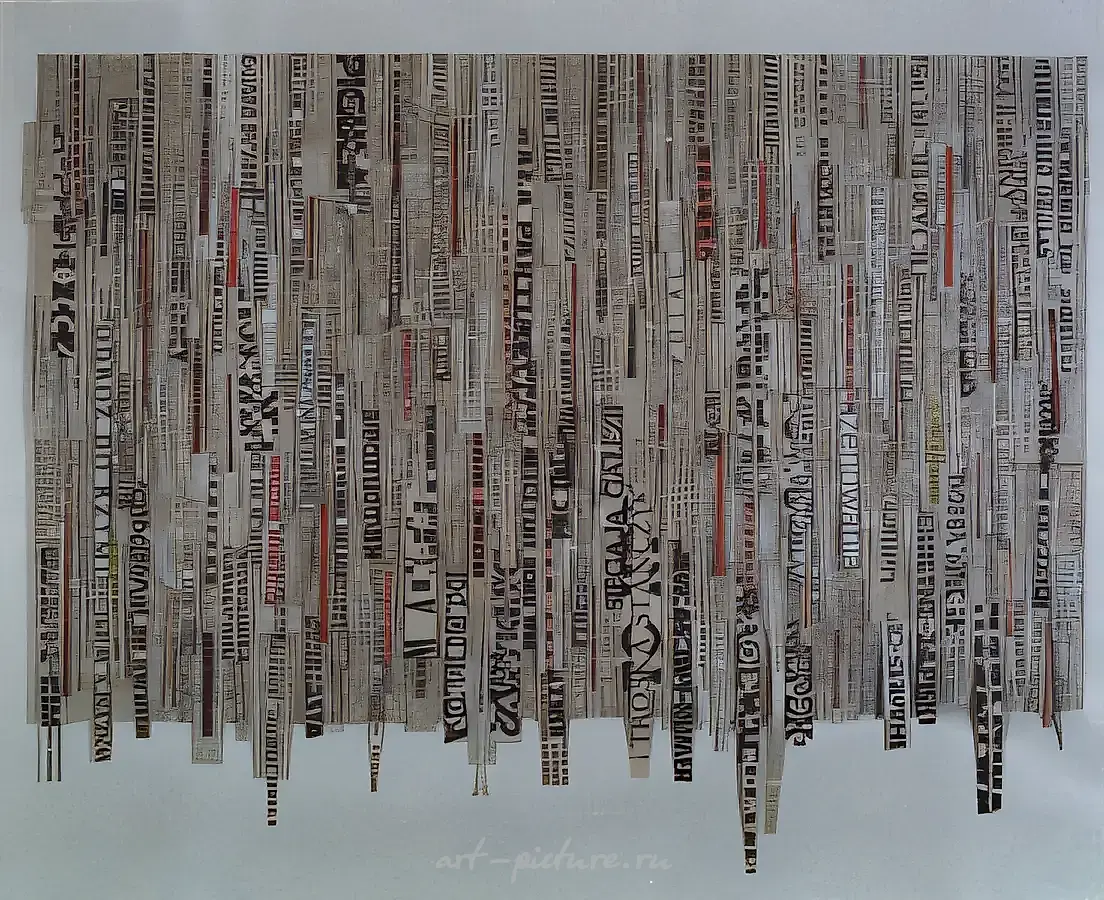
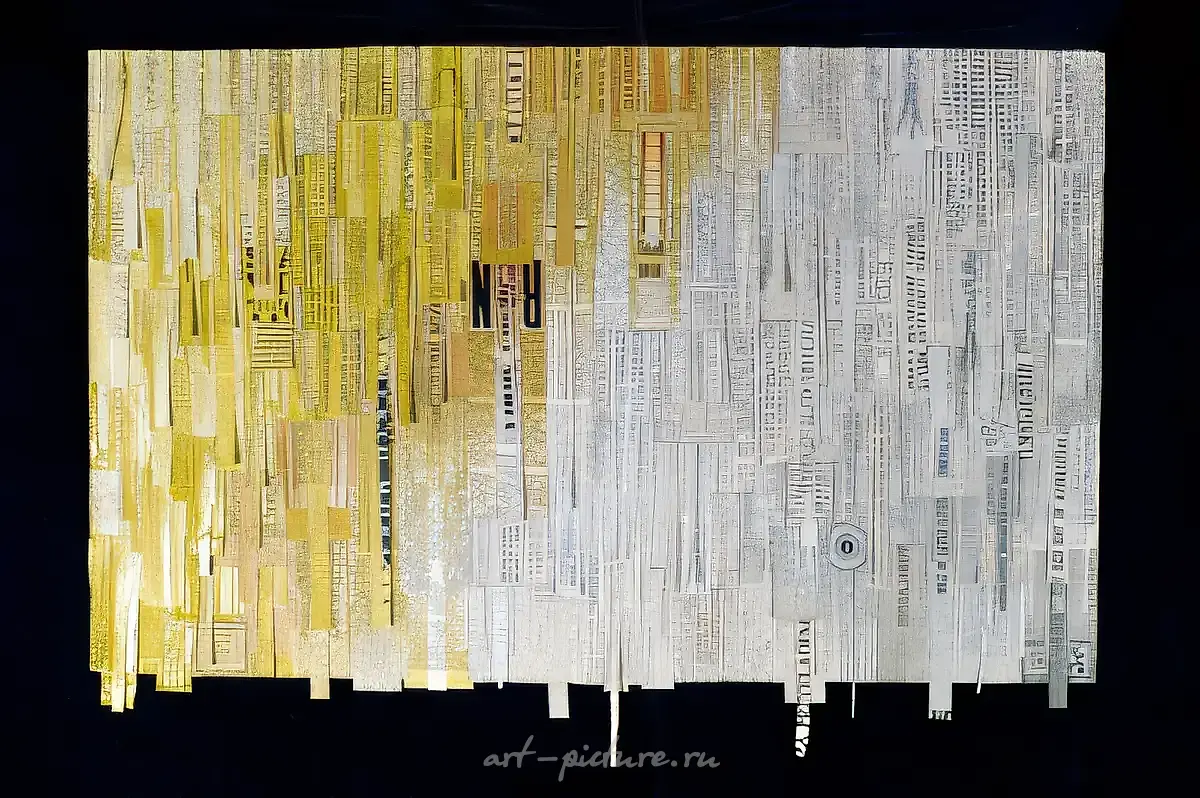
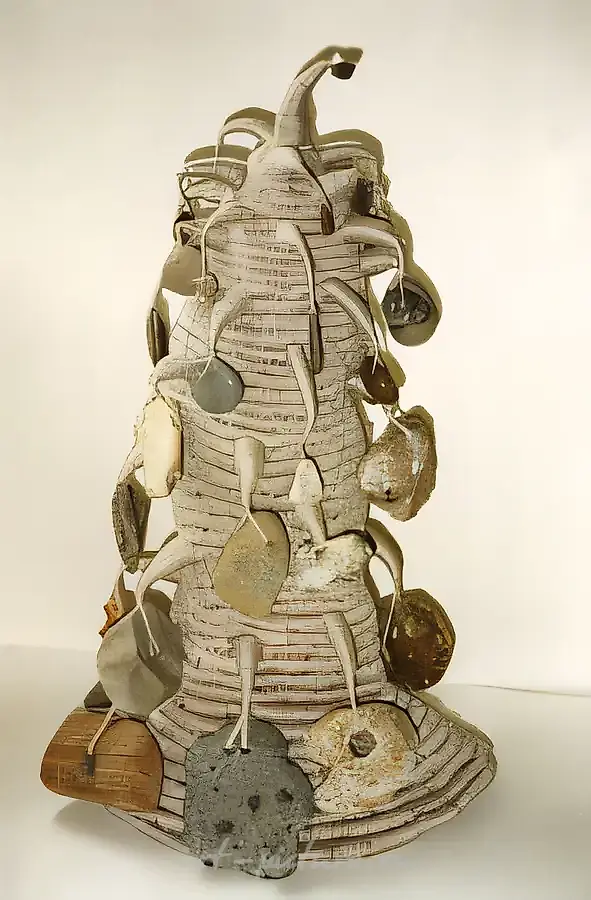
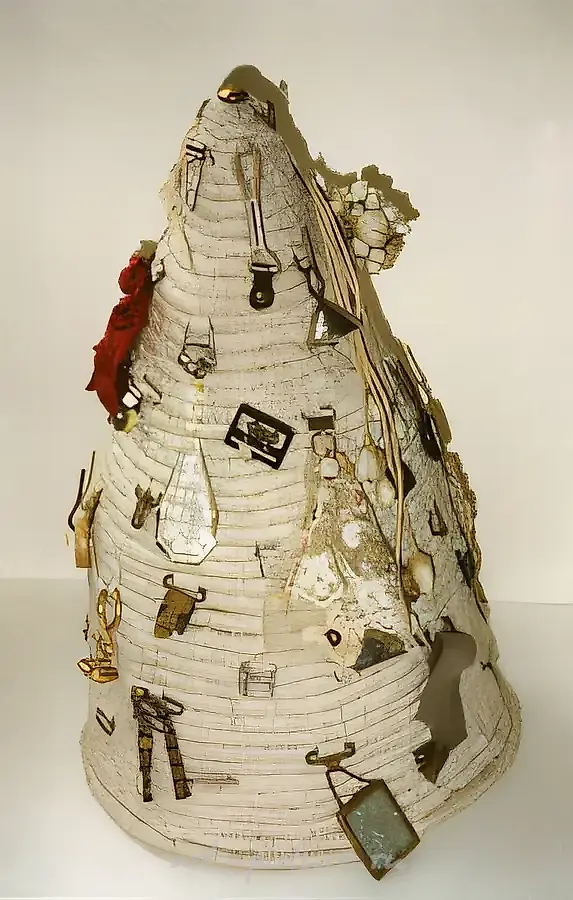
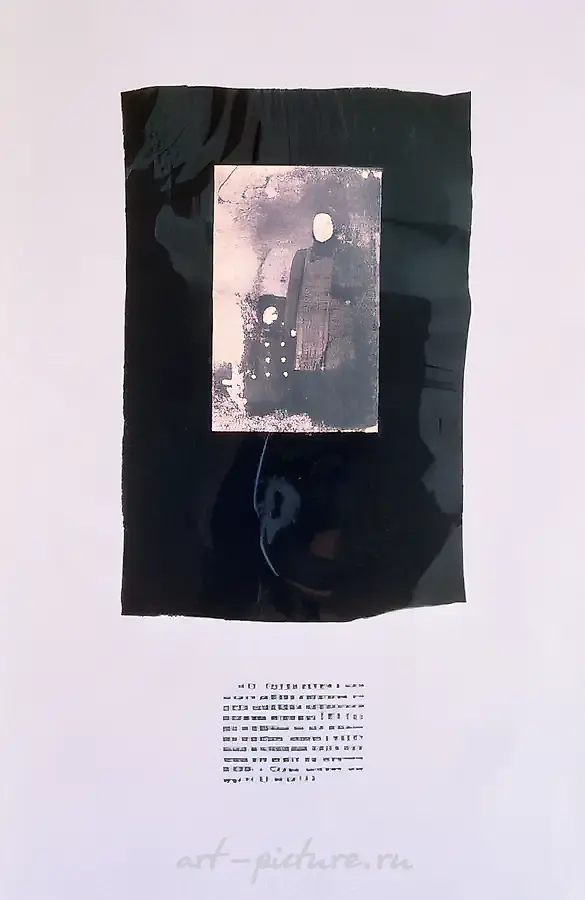
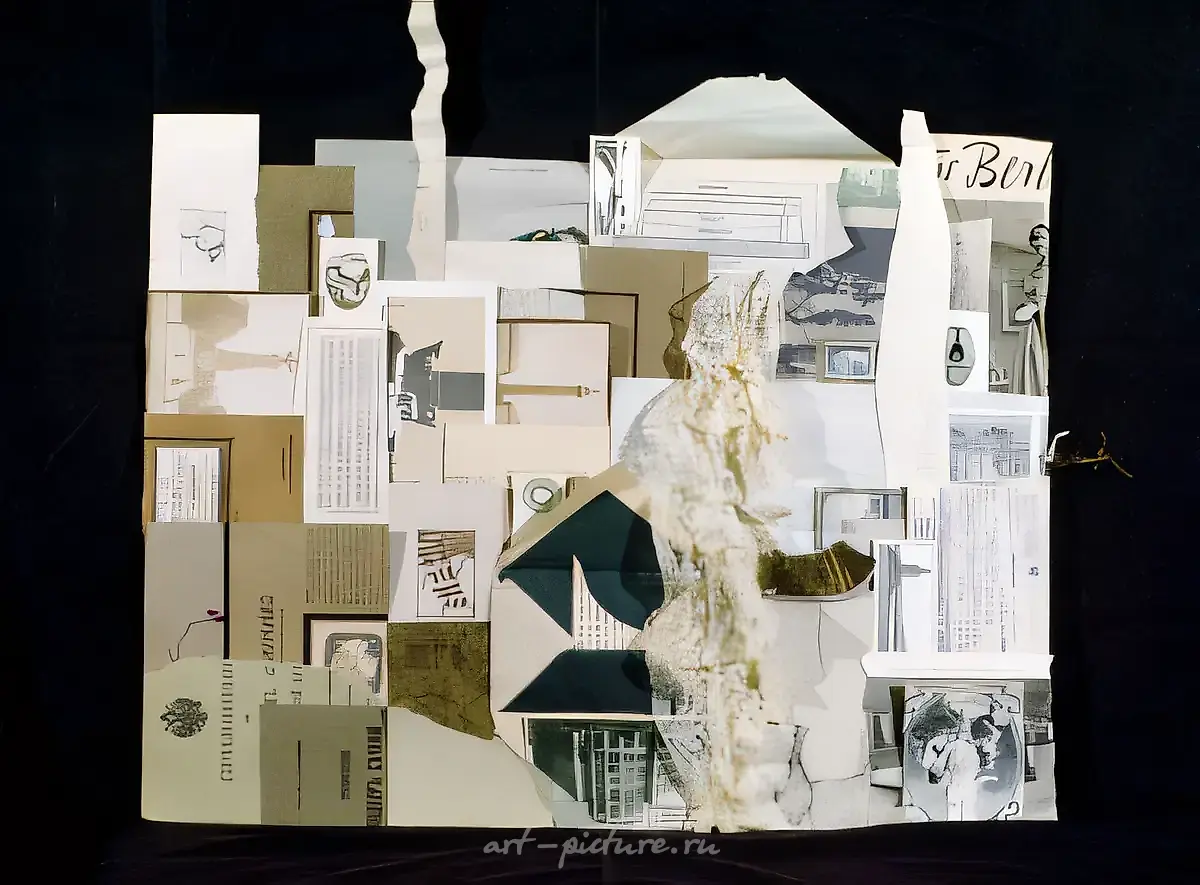
... A sentimental love for old, out-of-mind scraps of paper, photographs, small meaningless trinkets. They seem so pitiful and helpless, you want to do something for them (with them) – collect them together, combine, fit one to another...
Although perhaps they are stronger than they appear – after all, they've survived more than one generation of owners. I collect them into collages, into sculptures – like ruins were once built in parks.
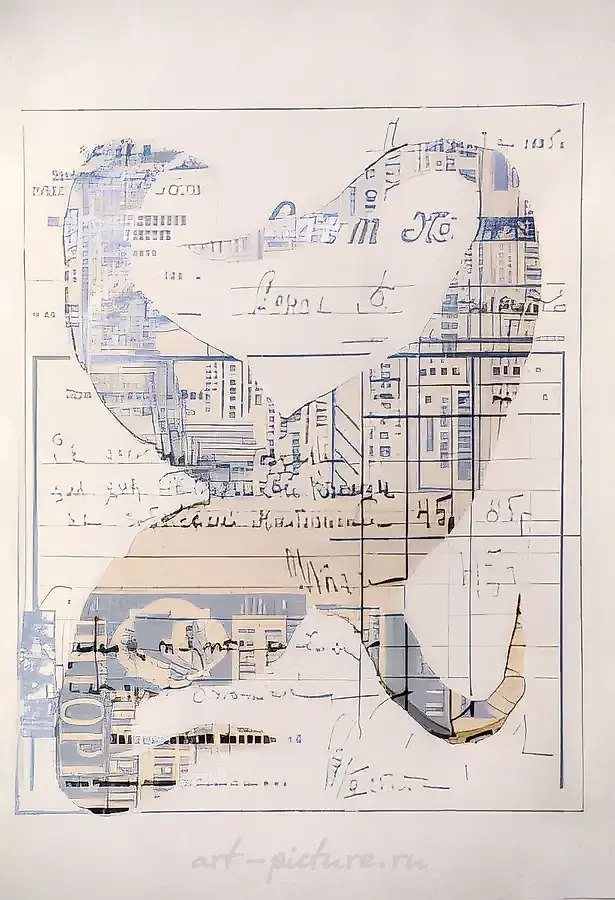
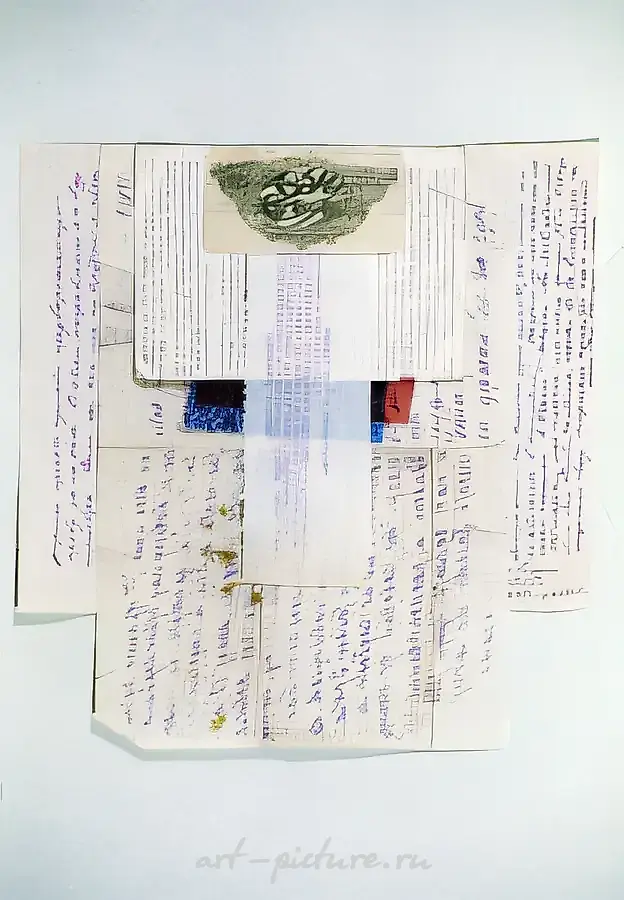
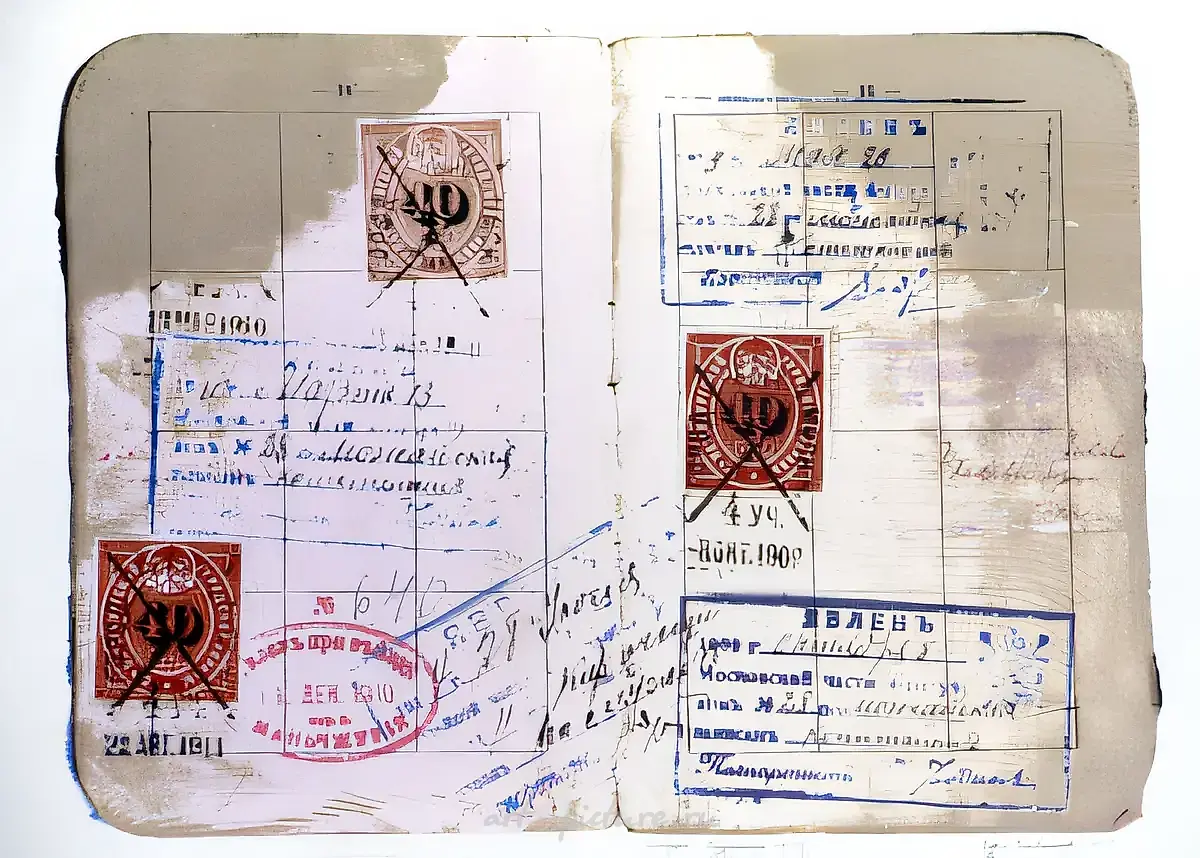
You can read collages, or consider the stationary papers, which, having lost their gloomy power over time, as calligraphic compositions – after all, the hand filling out the form has achieved the kind of freedom that is considered the pinnacle of mastery in Chinese calligraphy.
The texture of the paper, its color, the rhythm of the lines, handwritten or printed...
(the manuscript breaks off here)
Critic
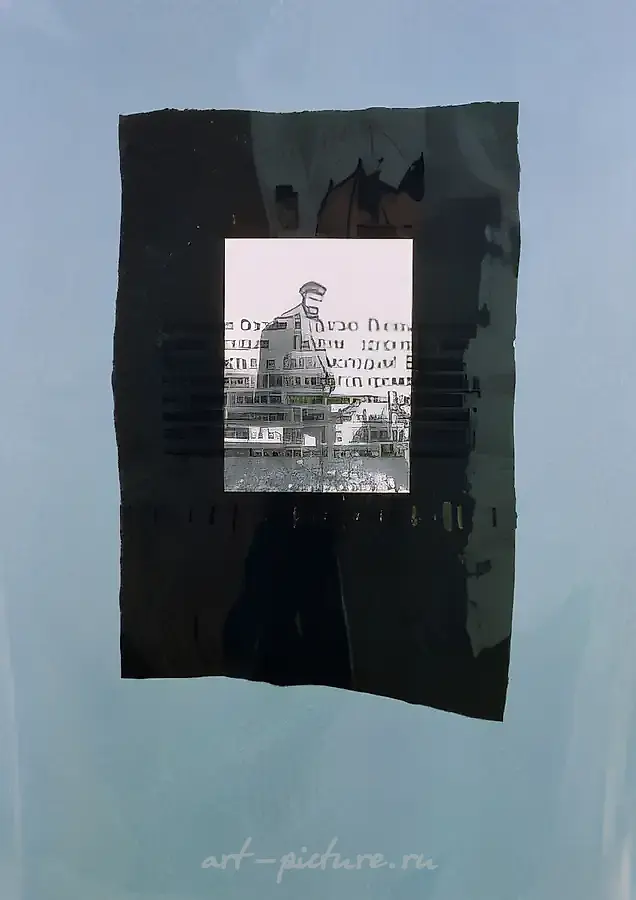
Vera Khlebnikova describes her current activities as "sentimentalism." She works with found materials – archives of deceased owners, old newspapers, stationary forms and bills: i.e., vanishing and already unnecessary trash, which is collected into collages and albums, translated into lithographic or silkscreen prints – integrated into some new connection. The inclusion is declared to be non-violent – as if the material itself dictates the system; someone's biography, spread out on sheets or exhibited in albums, recalls its former order and acquires a posthumous context accordingly. Of course, such naturalness is intentional: the vague, anti-constructive reality of someone else's archive (and someone else's life) acquires necessary coordinates only in a new constructive wholeness; "sentimental" sorting through scraps and old photographs, seemingly casual, gives birth to a strict visual and verbal structure. The spatial "holes" in archival compositions, the "tails" hanging off the edge of the passe-partout in newspaper collages, almost visually reflect on time, while also intensifying the dynamics of the "reading" and perception process; bureaucratic papers in lithographic translation suddenly reveal a hand-written, lyrical spontaneity. Gathered into a cultural layer and becoming its signs, "living things" inevitably change their semantic aura, but in this case the pathos of the postmodernist work with someone else's text is to make the change imperceptible: to guess the rhythm, not to overload the field, not to disrupt the balance.
G. Elshevskaya
Works 10