
Batyankov Konstantin
Born in 1959 in Sevastopol.
1959 – moved to Moscow.
Since 1985 – member of the group “Mitki”.
Since 1978 has participated in numerous exhibitions in Russia and abroad.
Since 1983 – member of the Union of Artists of the USSR (since 1992 – the Union of Artists of Russia).
Since 1985 – member of the group “Mitki” (Leningrad/Saint Petersburg – Moscow).
Since 1996 – member of the International Federation of Artists (IFA).
1997-2001 – joint exhibition activities with N. Polissky and S. Lobanov.
2003 – 2nd prize, 5th Krasnoyarsk Museum Biennale.
2003 – Laureate of the professional prize "Master" for creative achievements of Moscow artists (in the "graphics" category).
2005 – 1st prize, 6th Krasnoyarsk Museum Biennale.
2007 – 2nd prize, 7th Krasnoyarsk Museum Biennale.
Lives and works in Moscow.
Works in collections
State Tretyakov Gallery, Moscow
Irkutsk Regional Art Museum named after V.P. Sukachev, Irkutsk
Krasnoyarsk Art Museum named after V.I. Surikov, Krasnoyarsk
State Center for Contemporary Art, Moscow
Moscow Museum of Modern Art, Moscow
Novosibirsk State Art Museum, Novosibirsk
Penza Regional Picture Gallery named after K.A. Savitsky, Penza
Perm State Art Gallery, Perm
Saratov State Art Museum named after A.N. Radishchev, Saratov
Museum of Actual Art “ART4.RU”, Moscow
Collection of Victor Bondarenko, Moscow
Collection of Alexander Smuzikov, Moscow
Collection of the Dubi family, Paris, France
Exhibitions and auctions
SOLO EXHIBITIONS:
2009
"Another Life", Moscow Museum of Modern Art. Moscow, Russia
"Dali". Krokin Gallery. Moscow, Russia
2008
"Moscow". Krokin Gallery. Moscow, Russia
"Another Life". Vrubel Museum. Omsk, Russia
"Graphics". Semyonov Gallery. St. Petersburg, Russia
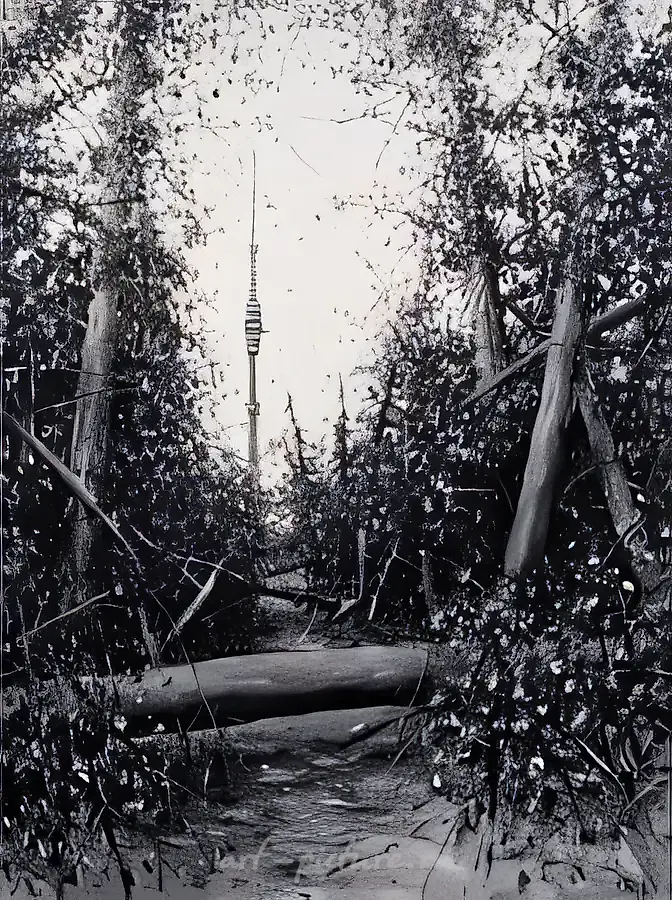
"Black Forest". Karenina Gallery. Vienna, Austria
2007
"Forest". Krokin Gallery. Moscow, Russia
2006
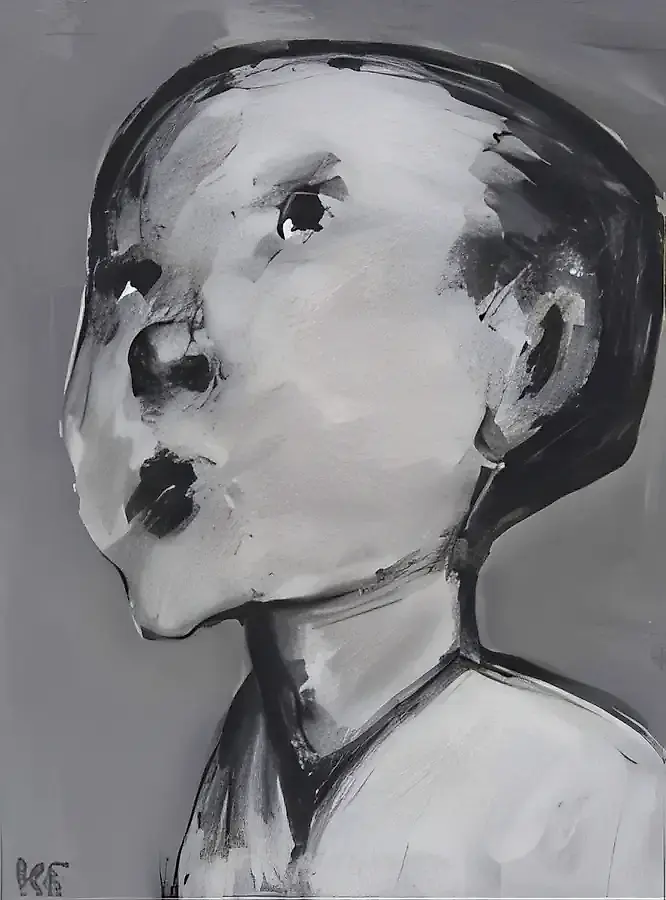
"Children". Krokin Gallery. Moscow, Russia
"Knight’s Romance". Pop/Off/Art Gallery. Moscow, Russia
"Another Life". Krasnoyarsk Museum Center, Russia
"Town". VP Studio. Moscow, Russia
"Graphics". Karenina Gallery. Vienna, Austria
"Goal". Moscow House of Photography. Central House of Artists. Moscow, Russia
2005
"About War". Krokin Gallery. Moscow, Russia
"Running on Waves". Krokin Gallery. Moscow, Russia
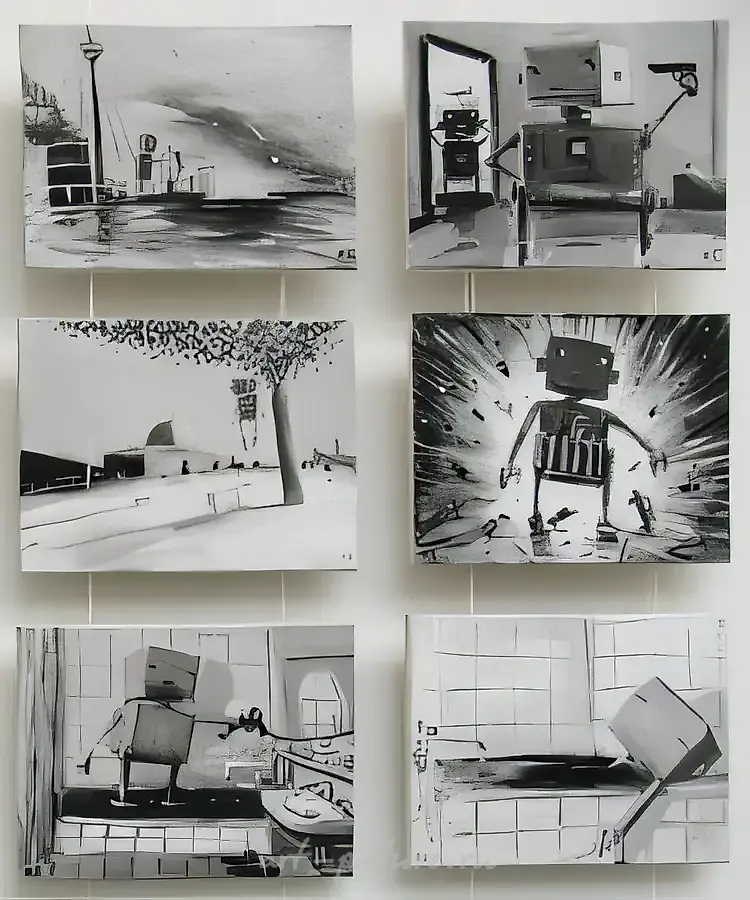
"Robots". S'ART Gallery. Moscow, Russia
"Marinas". VP Studio. Moscow, Russia
2004
"Another Life". Krokin Gallery. Moscow, Russia
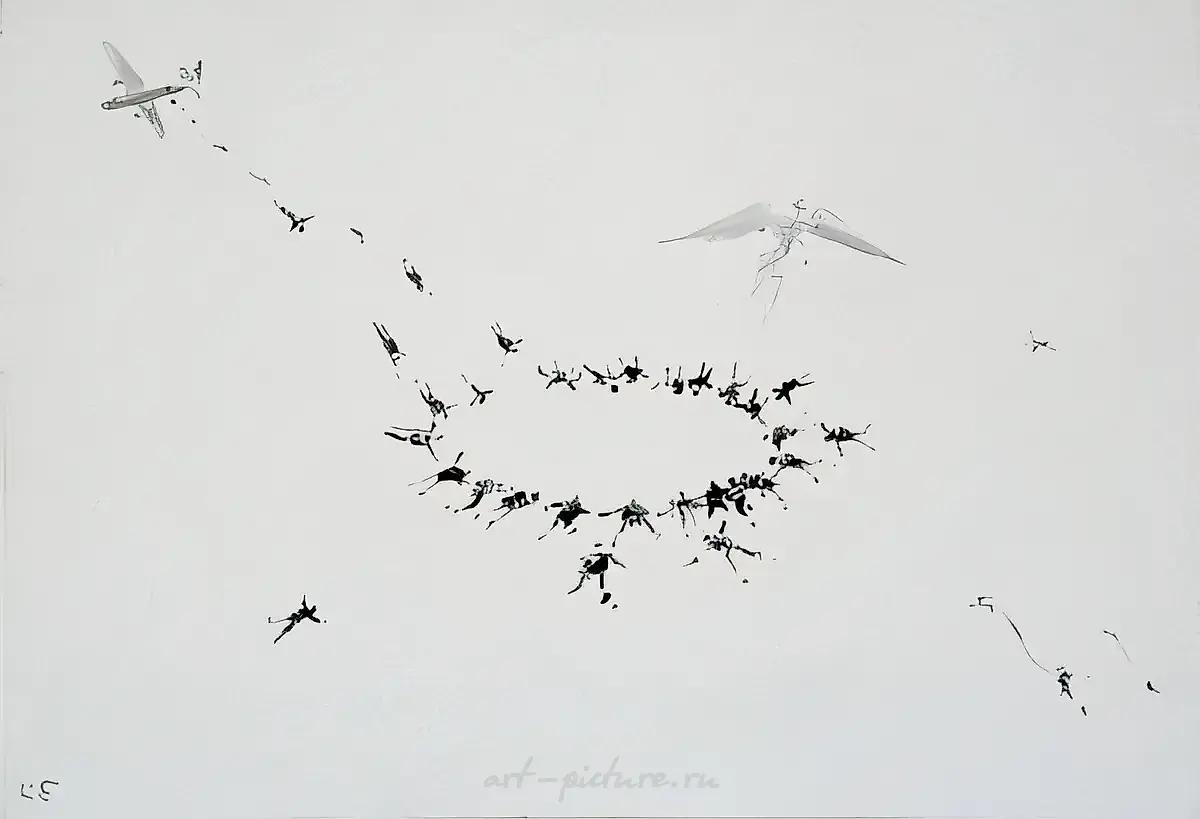
"UFO". Sam Brook Gallery. Moscow, Russia
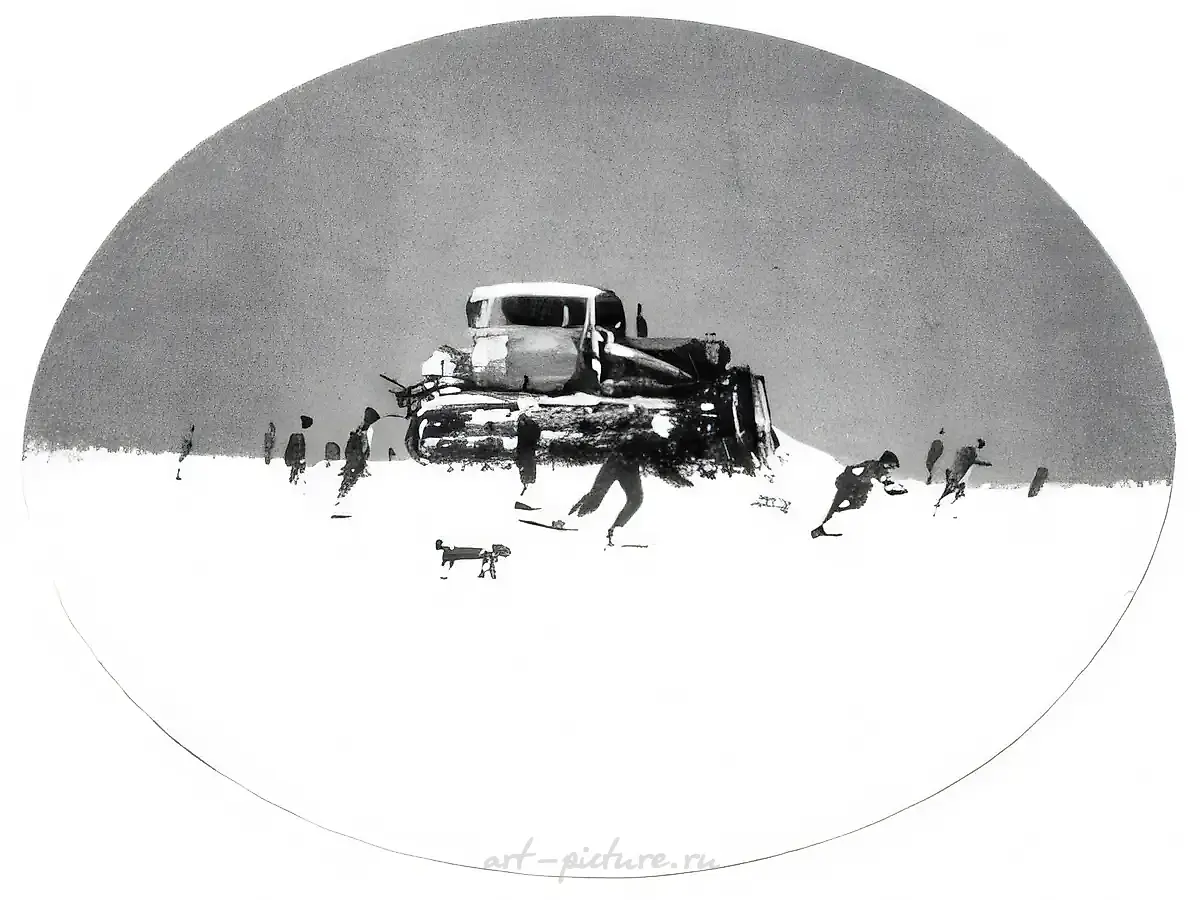
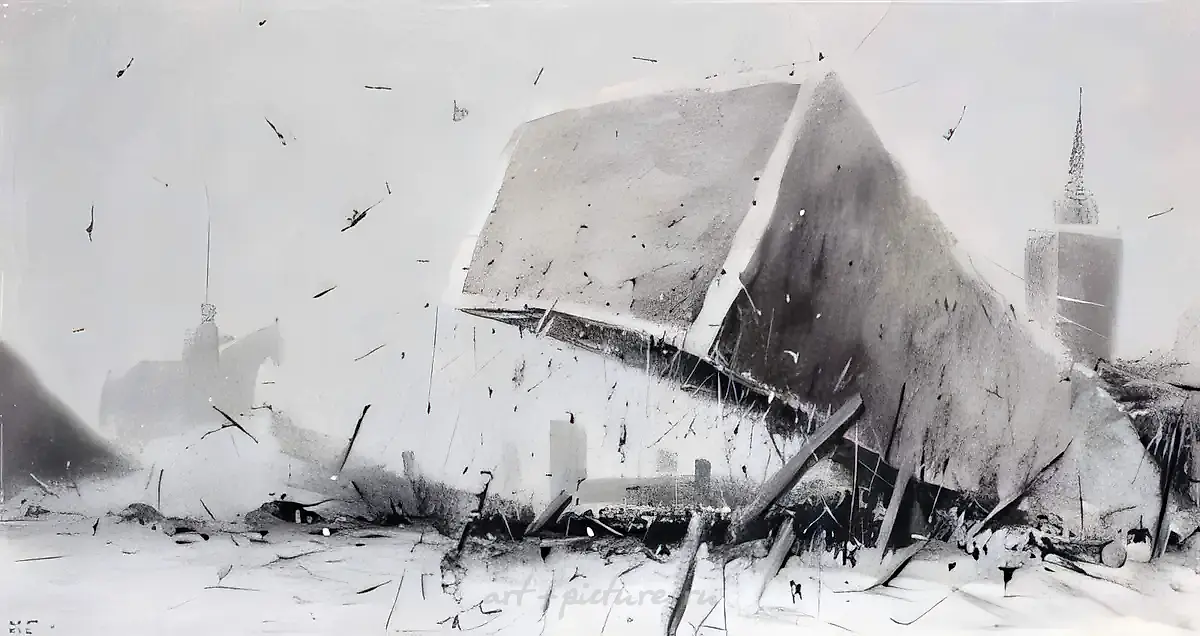
"Bulldozers". Krokin Gallery. Moscow, Russia
"Project - Cult - Enlightenment". Krokin Gallery. Crocus Expo. Moscow, Russia
"Resort". ATV-Gallery. Moscow, Russia
2003
"Mine - Theirs". Krokin Gallery. Moscow, Russia
2002
"External Tibet". Krokin Gallery. Moscow, Russia
"Press Format". Sam Brook Gallery. Moscow, Russia
"Naval Battle". S'ART Gallery. Moscow. Mitki-Vkhutemas Creative Center. St. Petersburg, Russia
"Euro". Sakharov Museum. Moscow, Russia
Art Festival "Melioration". (personal booth). Klyazminskoye Reservoir. Moscow, Russia
2001
"Forgotten Drawings of Masters", editorial office of Pinacoteca magazine, Moscow
1998
"Mom, I love a pilot", Sam Brook Gallery, Moscow
1996
"Displacement", Rama-Art Gallery, Moscow
1986
Moscow State University, Moscow
1979
Moscow State University, Moscow
1978
Palace of Culture, Science and Technology (exhibition organized by the Pushkin Museum of Fine Arts), Moscow
GROUP EXHIBITIONS:
(See original for a detailed listing.)
Author about himself
I will not reveal anything new by saying that life is more interesting than art, even on a purely visual level. You cannot step over that. When art opposes reality, some pathology or deficiency very often reveals itself. When an artist offers an alternative to what was created by God, the resulting product contains an unconditional minus. That's unavoidable. Hence the helplessness of abstraction, which is an extremely limited, synthetic, and contrived phenomenon. Most invented systems are infernal in their nature. I am not interested in creating my own myths; it is much more useful and productive to observe what has already been created. My audience is quite broad. In fact, I have no definite target audience. I paint what I like. And I do it solely for my own pleasure, without fussing over it. And there’s always a reason to do so.
Critic
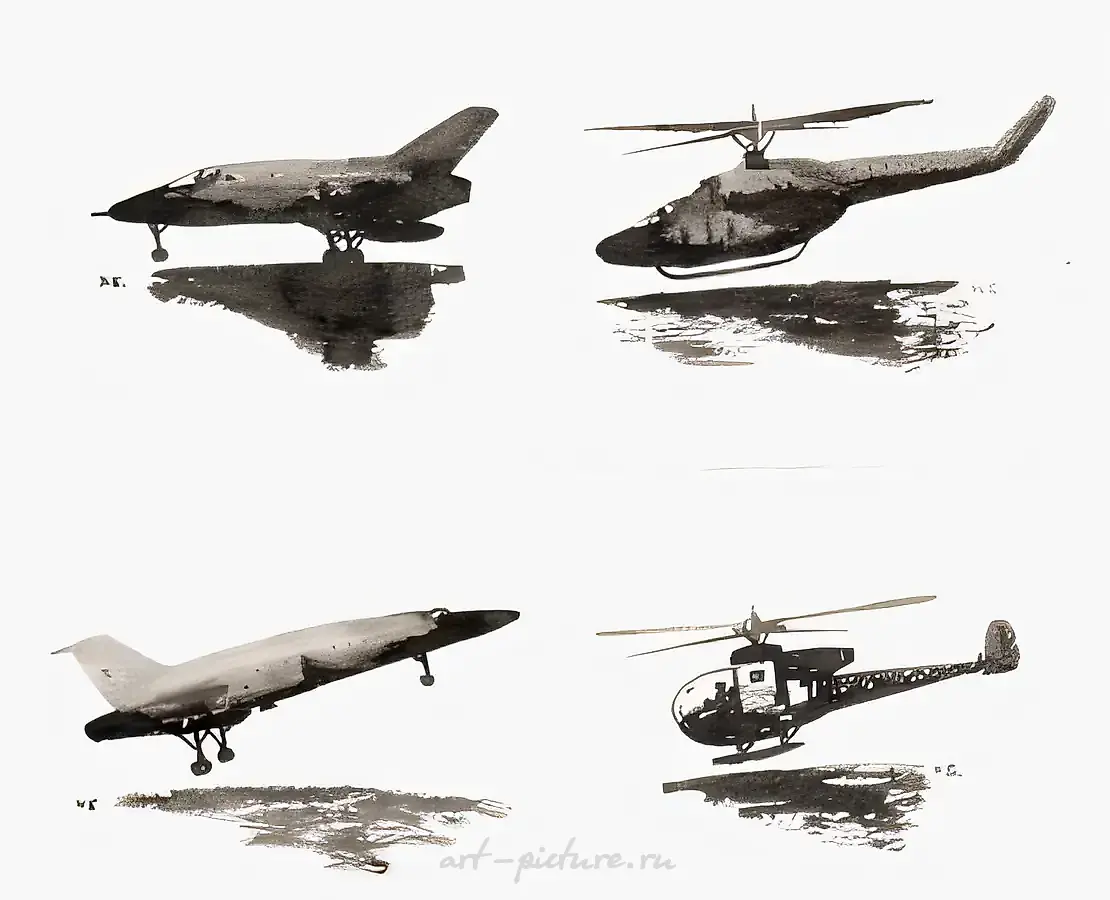
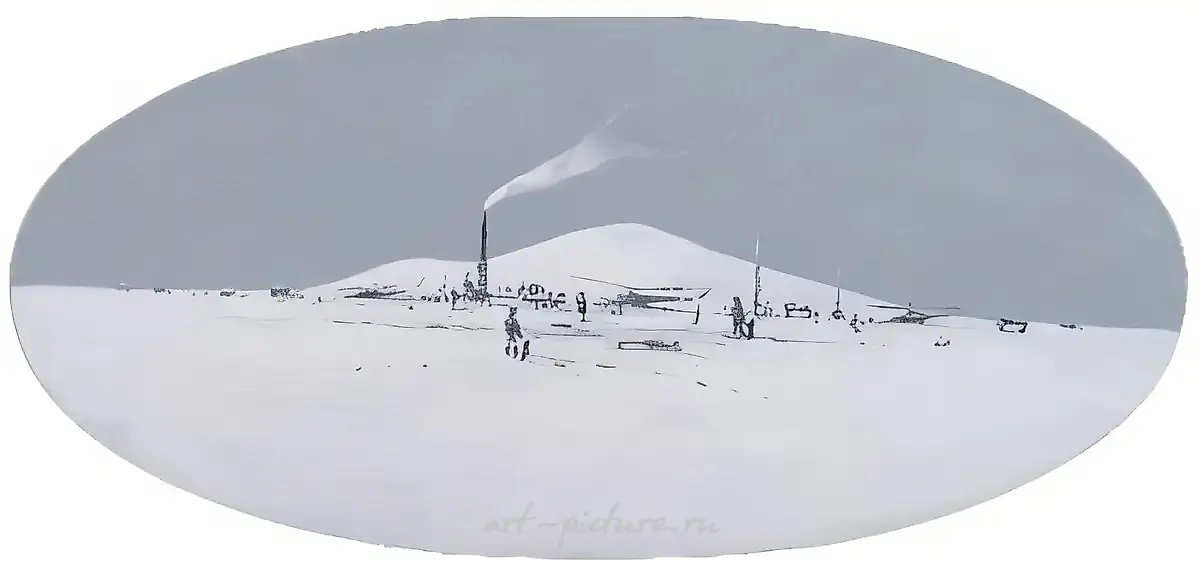
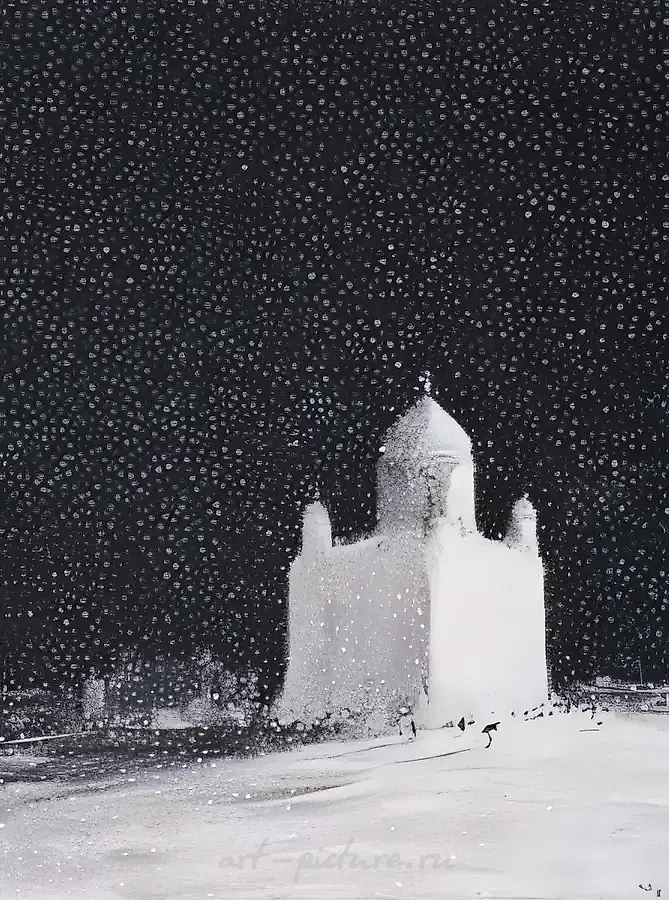
Artist Konstantin Batyankov is slowly but surely becoming a hero of our art market. He personally demonstrates how discipline beats talent, patience and hard work overcome all issues, and the last become first. Batyankov remains the last reservation of kind 'Mitki' folk art. He is simple, cheerful, hardworking, and approachable, and therefore loved by collectors and curators. His paintings are national in form, diverse in content: icebreaks, helicopters, skiers, snowmen, trees, and other epic characters act amid endless snow, expanses, and ice floes.
Modern, sometimes belated by ten or twenty years, Batyankov's fairy tales fit perfectly into various contexts and even into exhibitions dedicated to the masters of contemporary art—Kabakov and Roginsky. As a result of a survey among the highbrow art community, Batyankov became a laureate of the "Master" award in the graphics category. Anyone who has seen how his works sell like hotcakes at art fairs knows that an art market has formed in Russia, and there is strong demand for art—almost frenzied. A detractor might say that Batyankov's works are not very expensive (though the prices are gradually rising), but there are many other 'inexpensive' artists who have not achieved the same success as his modest black-and-white works. Few artists can open several exhibitions a year—at some there is no demand, at others there is nothing to display. For Batyankov, everything is harmonious—now he opens two exhibitions at once. One, at the "Prezentuar" bureau, is titled "Untitled" but with a truthful subtitle accurately describing Batyankov’s decorative quality: "Stylish graphics for your interior." The other, at the Krokin Gallery, is dedicated to the anniversary of a serious historical event—the legendary bulldozer exhibition. Back then, Soviet authorities used heavy machinery to disperse a free artists' show. The event had many consequences—there are figures still realizing the commercial potential of that legendary event. Batyankov just likes bulldozers—his cute machines are no more aggressive than his other characters, and rarely ever threaten artists.
-- Faina Balakhovskaya, “The Art that Sells,” Vremya MN, #159 from 03.09.2004.
The press release for Batyankov’s exhibition "Marinas" at VP gallery calls the author a "recognized painter." The assessment is fair, although Batyankov works mainly as a graphic artist, as well as a photographer and even as a creator of objects and installations. But here, it's not the recognition (as a former member of the Mitki, popularity is an inalienable part of his image), but rather his productivity that matters. Batyankov, without compromising quality, participates in almost every Moscow group art project and holds several solo exhibitions each season. Just now, the vernissage of "Marinas" at VP happened only a week after the closing of his "About War" show at Krokin gallery. Truly not a day without a painting—or at least a drawing.
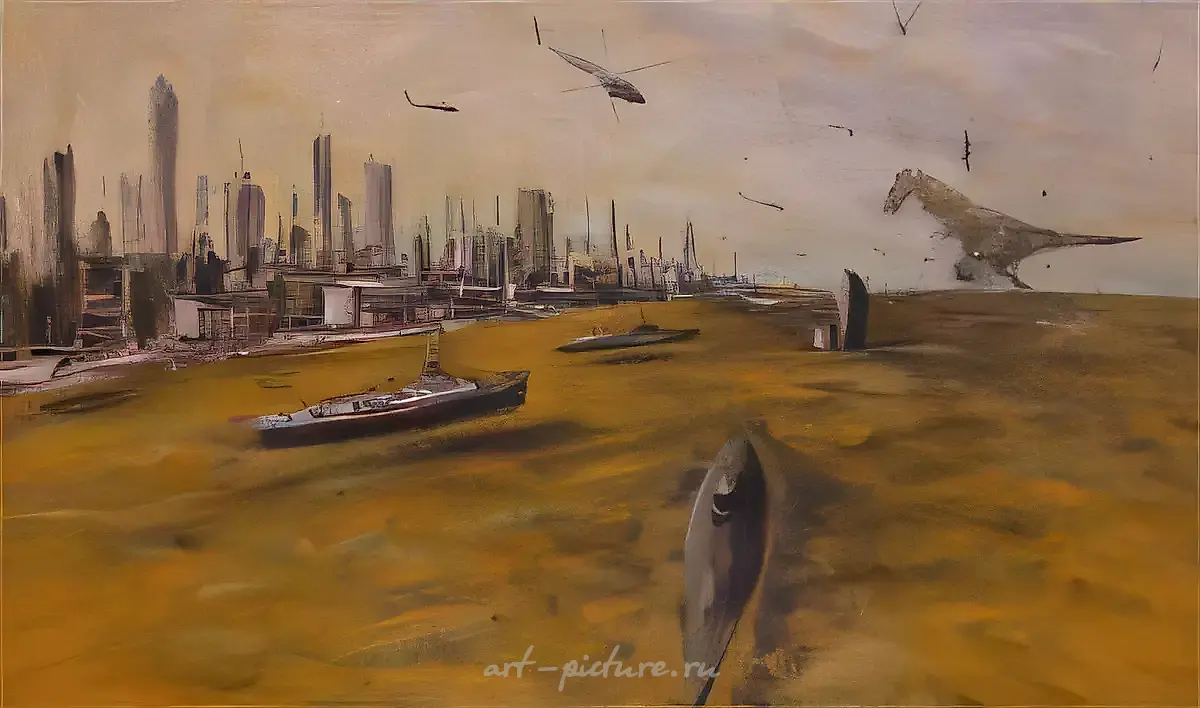
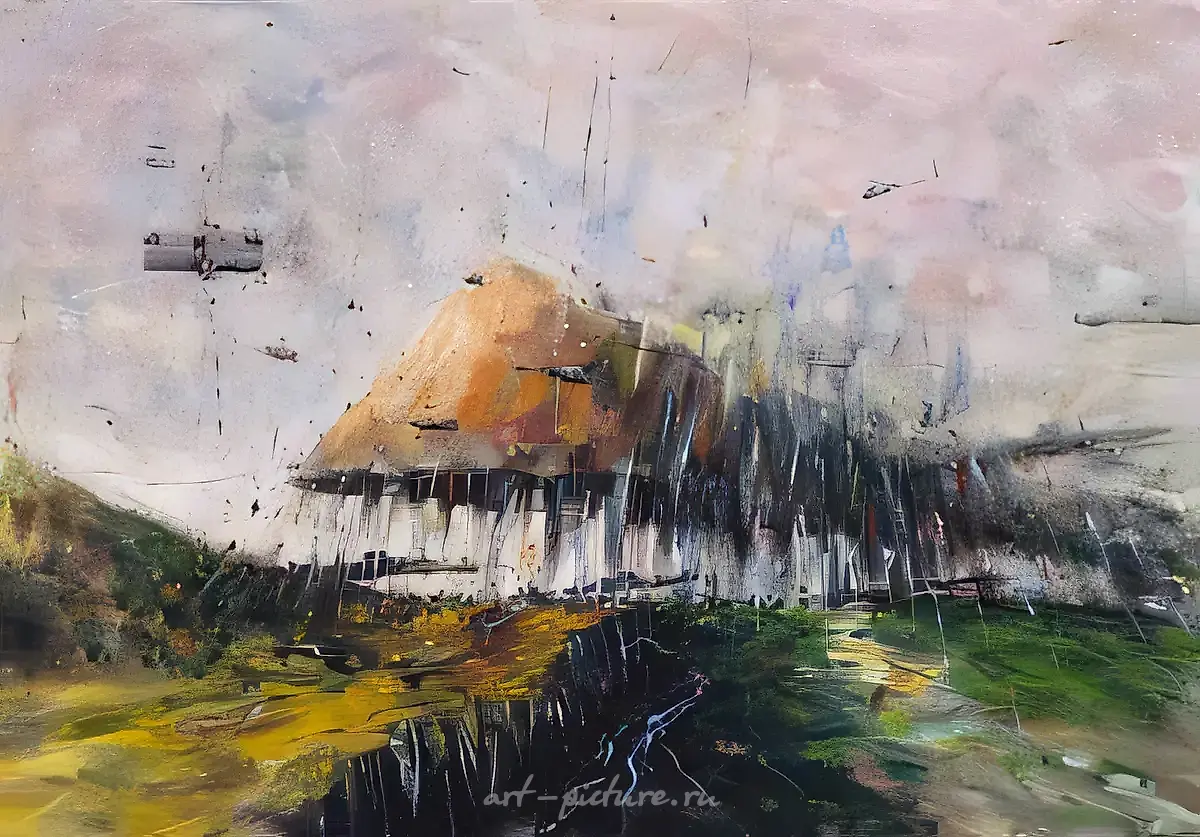
But "Marinas" (that is, seascapes) are by no means marginal. Before us are paintings made with acrylic on canvas—a new, briskly executed series that didn’t even entirely fit in the gallery space. New not only because of the freshly painted canvases, but also due to their unexpected aesthetic. Batyankov, who always preferred minor and stylish gray, brown, and black (most of his works are ink on rough wallpaper), turns to bright, juicy, saturated color, which, by his own admission, he hadn’t used for about ten years.
The metamorphosis could be explained by the summer-themed series. But Batyankov has painted the sea before, without abandoning his preferred depressive color palette. Back then, the sea was a scene of fierce battles involving fleets and aircraft, but the plots of the new works are also far from idealistic. Absurd—yes, calm—no.
Batyankov paints not war, but "little wars," involving obsessive literary or media images. "I am a contemporary artist, and you can’t escape postmodernism. Today, you need a show," he said in a recent interview—but even on paper this is felt with genuine sadness. Batyankov’s art—graceful, light, entirely covered by the old-fashioned term “maestria”—is in fact very sad. This is the story of an artist who loves to draw, just simply draw, but is prevented from doing so—by fashion, critics, curators, knowledge of context, the label of "contemporary artist," and other interfering and fleeting entities and circumstances. He has to invent intricate and piquant plots for his simple, almost naive works that come from his innate artistic instinct. The gloomy palette, even in his funniest works, perhaps signifies surrender to the omnipotent art scene, but a surrender that is hidden, elegant, and ironic in appearance. In that case, the flashy color at his latest show is not a rebellious aesthetic boldness but a final reconciliation with reality. His inner turmoil has ended. The torment is left behind. Gloss has prevailed over the impossible wish to say something important just for the artist, not for the bohemian crowd drifting from one exhibition opening to another. No wonder, then, that the “Marinas” series—painterly, more substantial and intensive (to use a Russian artist’s untranslatable slang) than the ephemeral, intimate, and lyrical graphics—has stood out. His unique technique hasn't worsened, the subjects are still witty, and the paintings are pleasant to look at (which is rare for today’s shows). Prolific Batyankov hasn’t lost his craft.
-- Fyodor Romer, "Under the Shadow of the Flowering Liners," Vremya Novostei, 8.07.2005
Bibliography
Texts about Konstantin Batyankov can be found on the “Krokin Gallery” website.
Works 14