Nazarenko Tatyana Grigorievna
Tatyana Grigoryevna Nazarenko (b. June 24, 1944, Moscow) is a Soviet and Russian painter, educator, and professor. Academician of the Russian Academy of Arts (RAA, 2001; Corresponding Member since 1997). People's Artist of the Russian Federation (2014). Winner of the State Prize of the Russian Federation (1993). Member of the Union of Artists of the USSR since 1969.
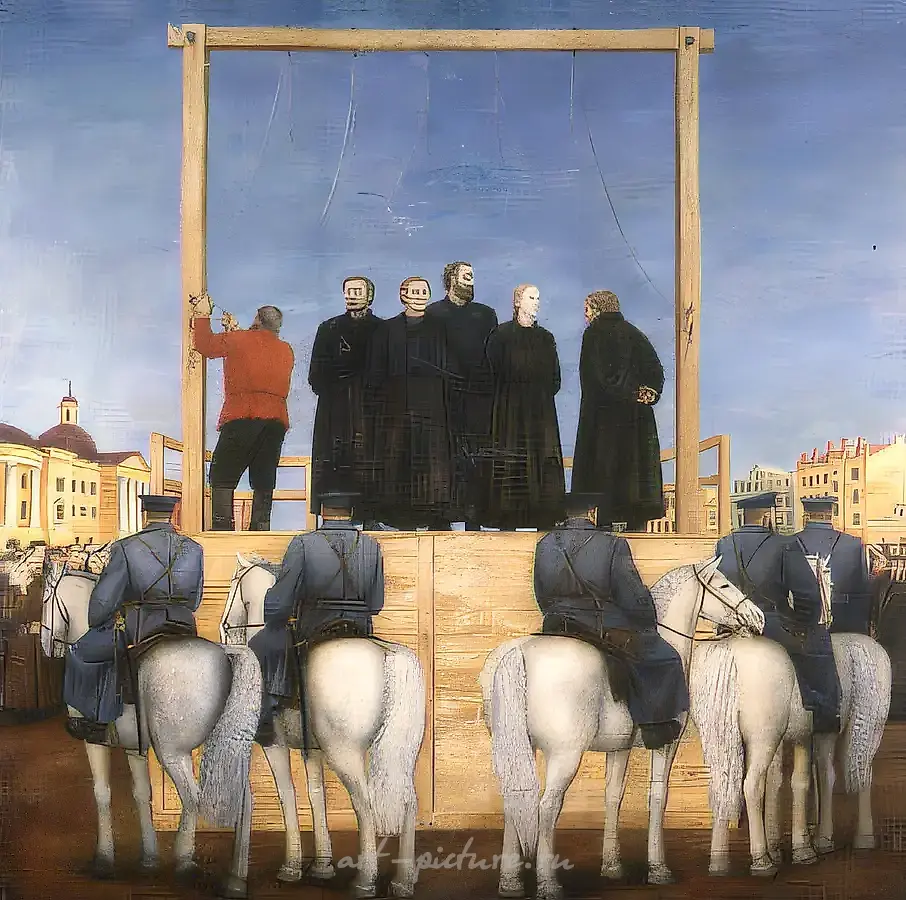
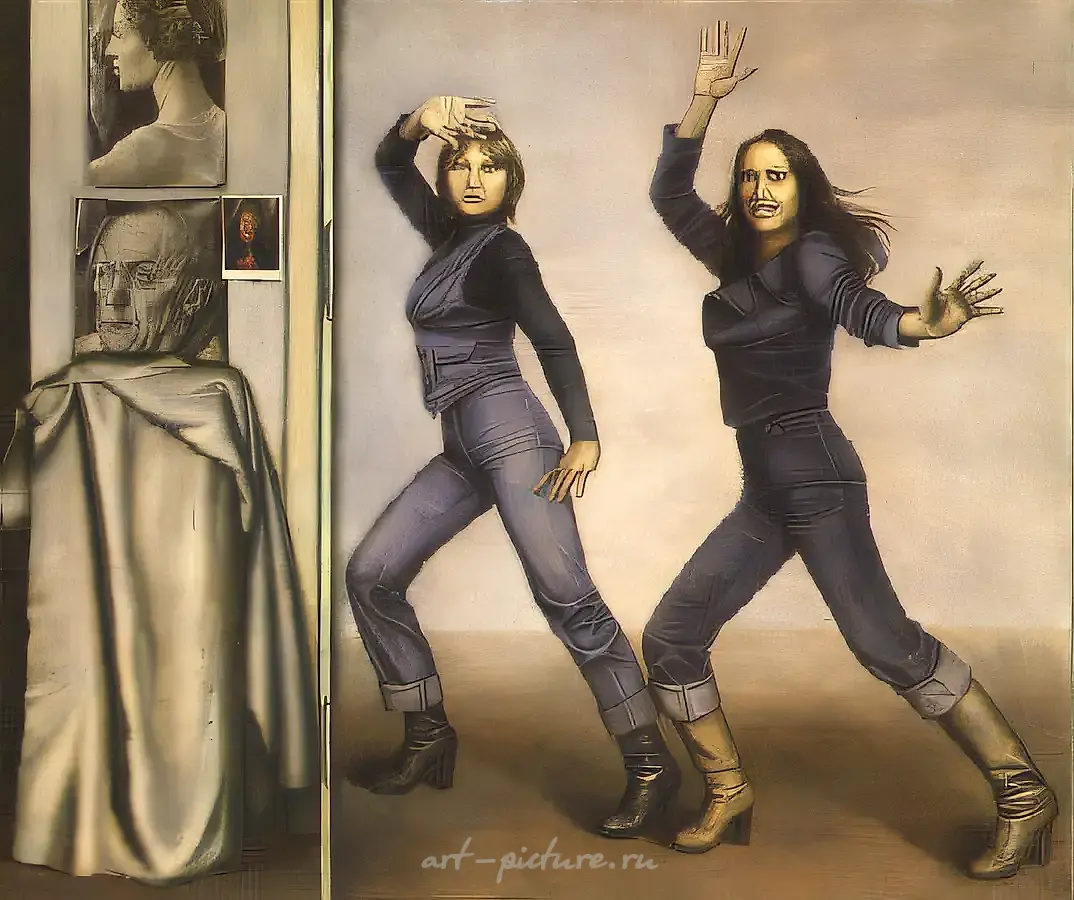
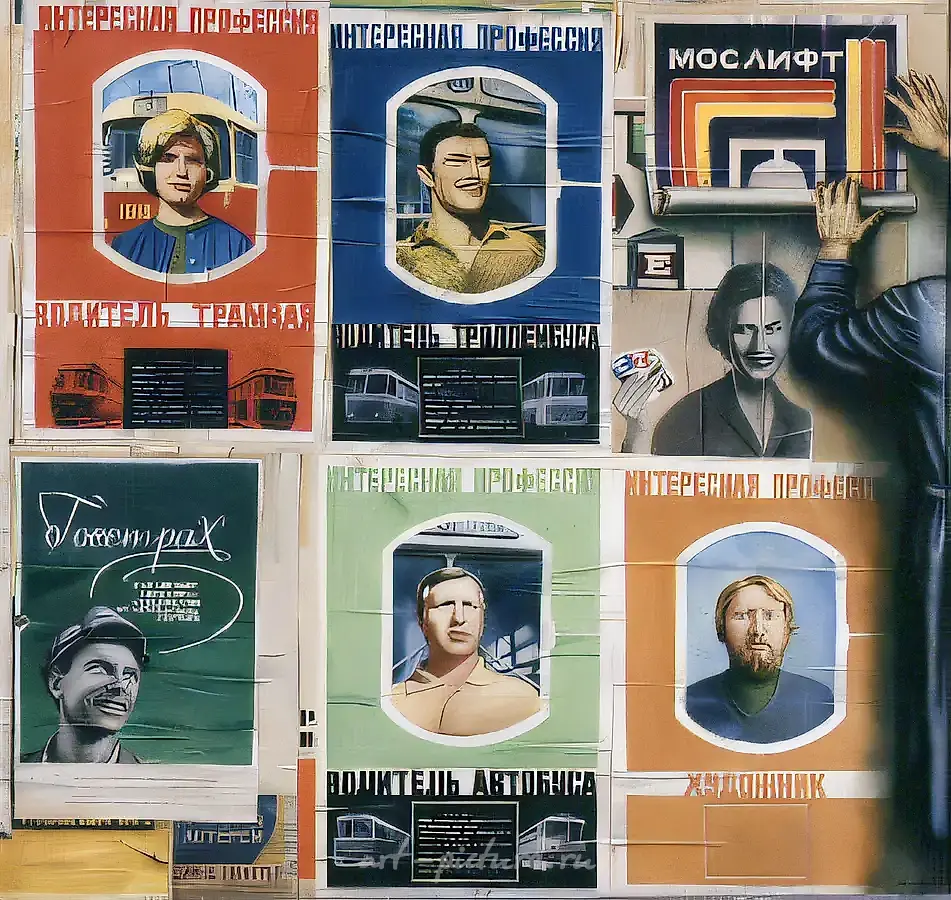
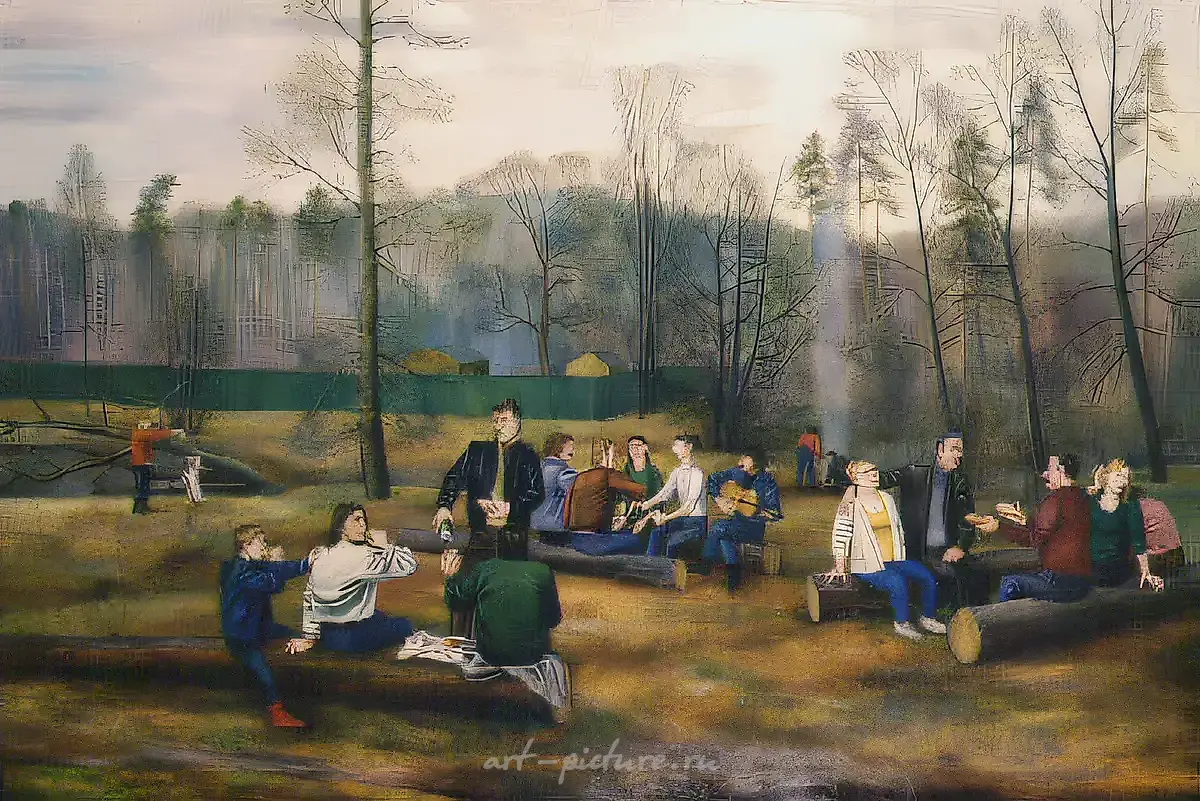
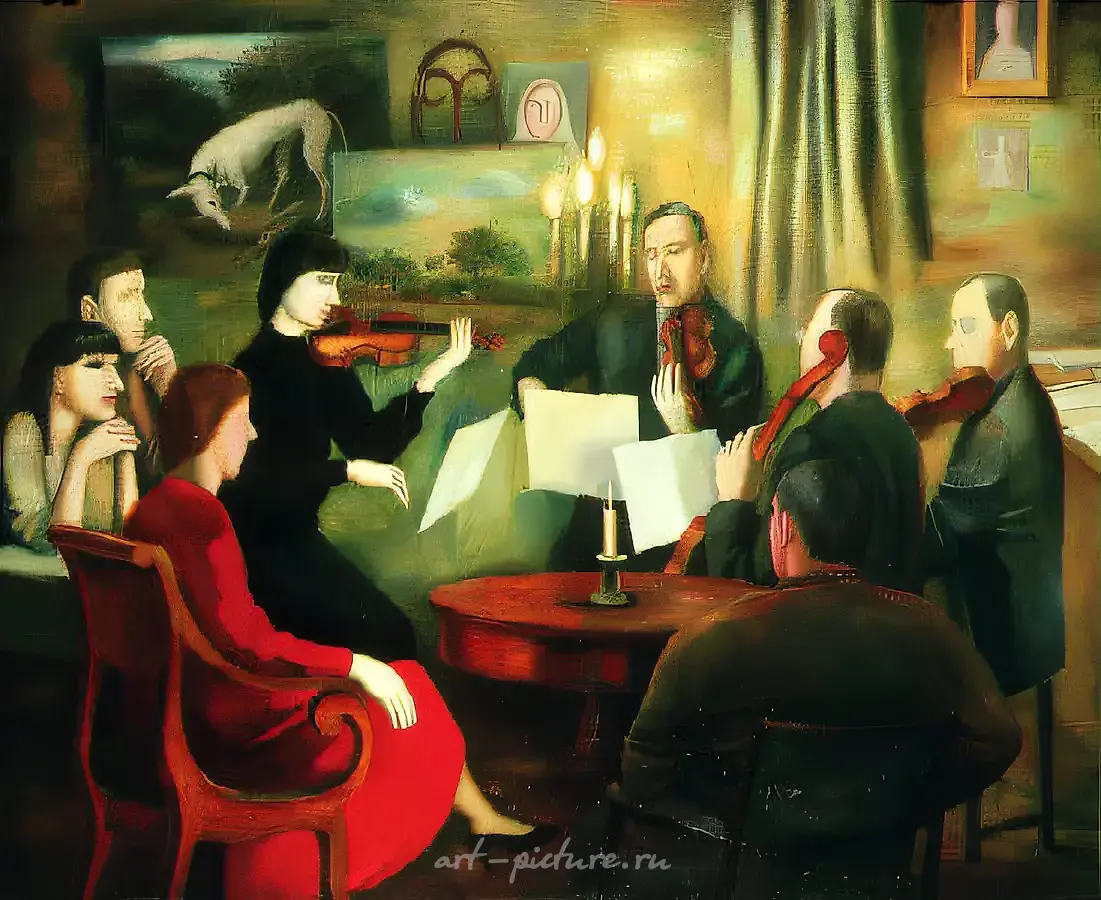
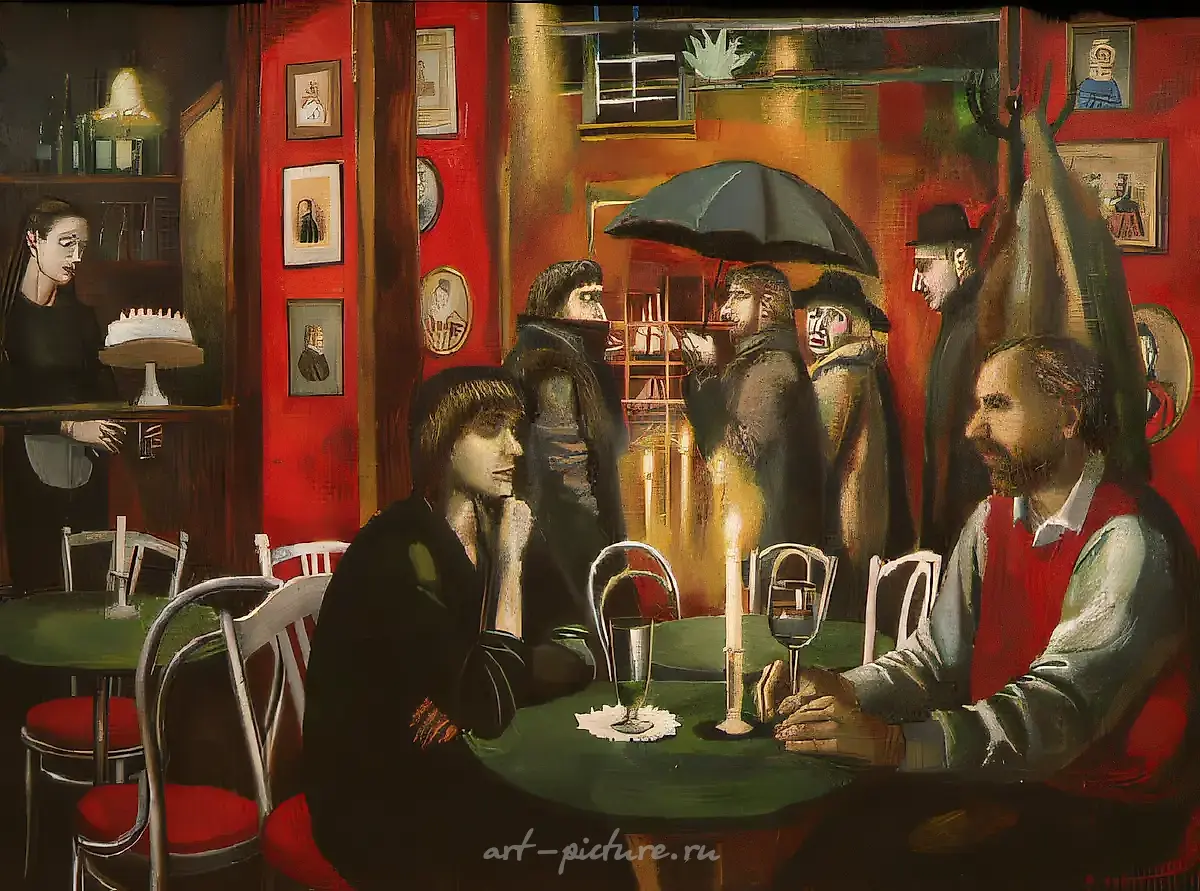
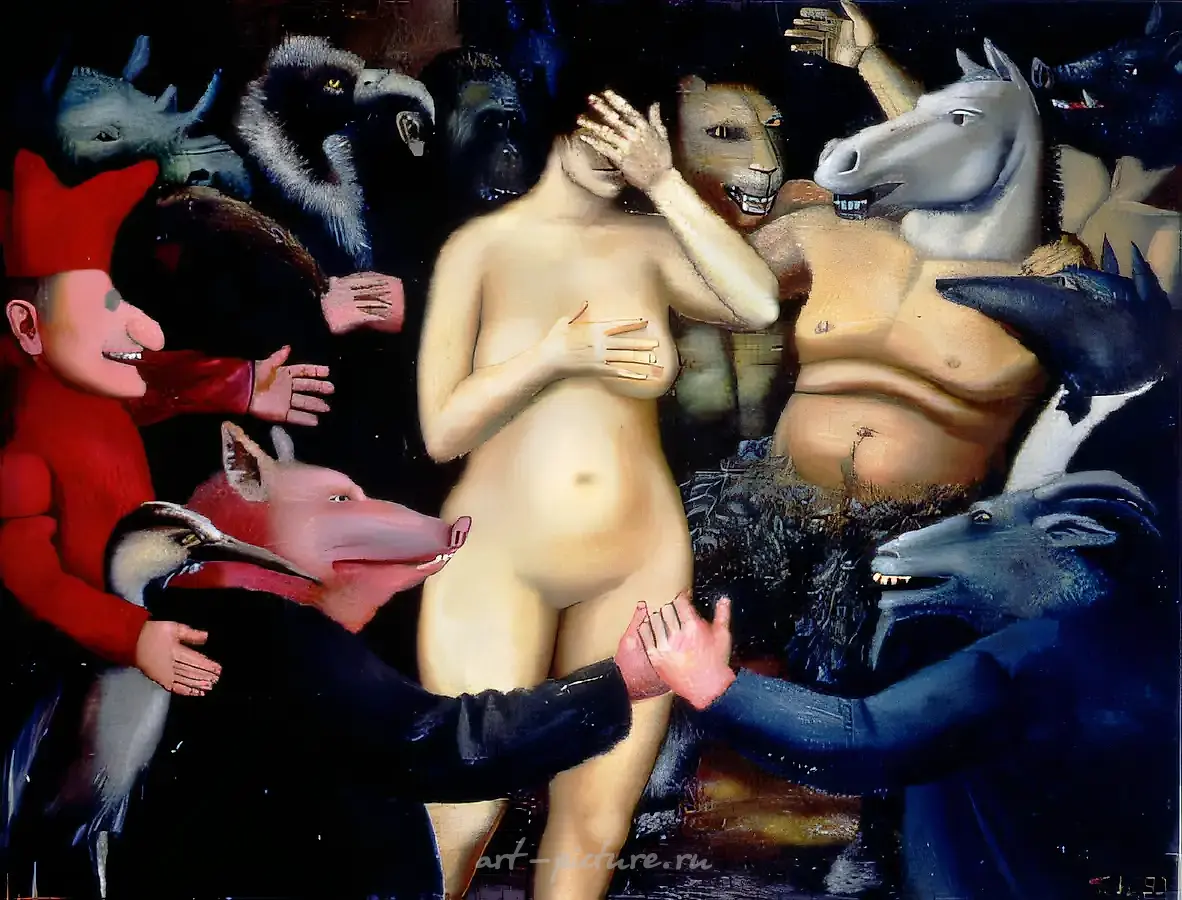
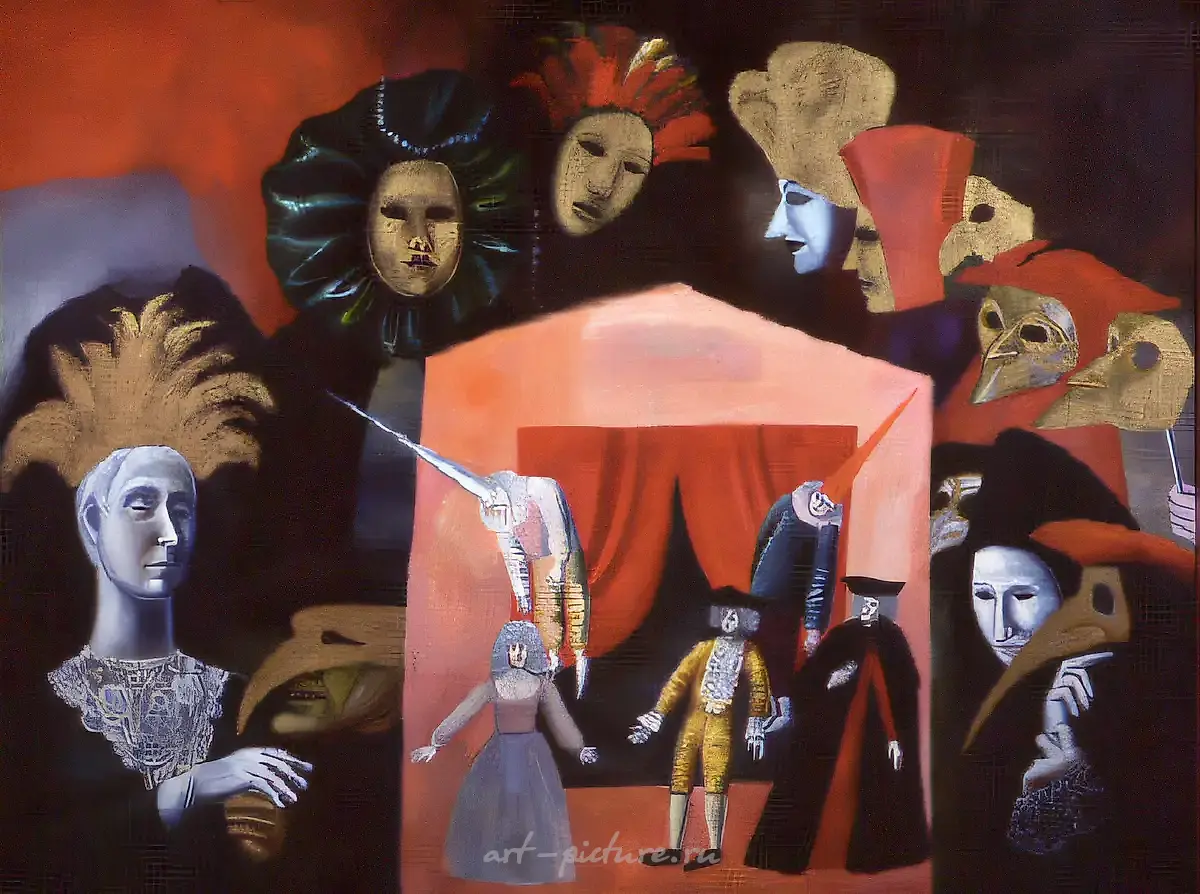
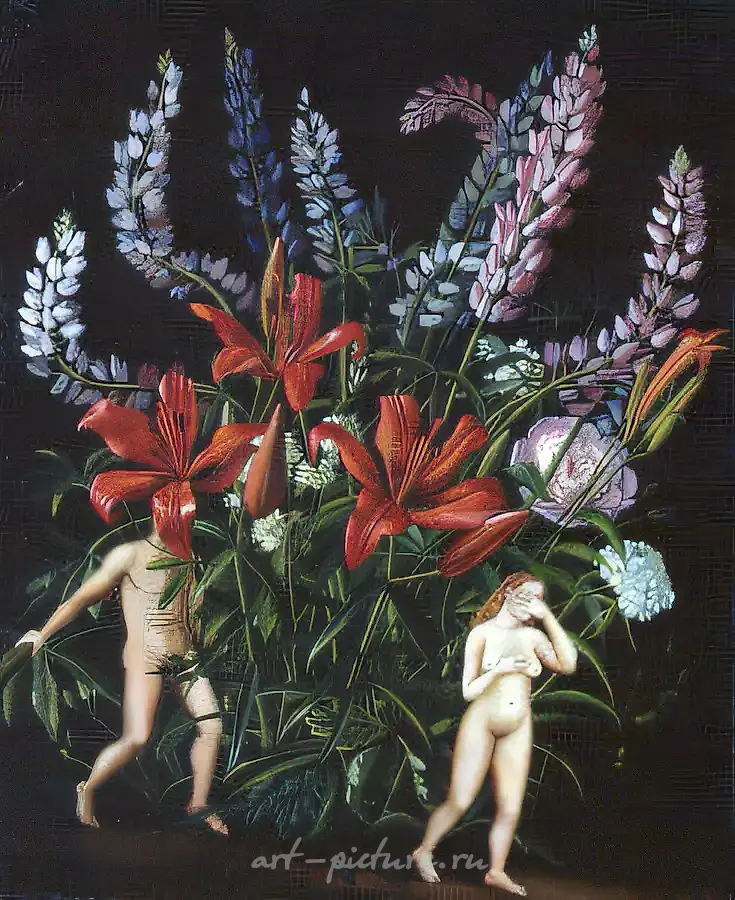
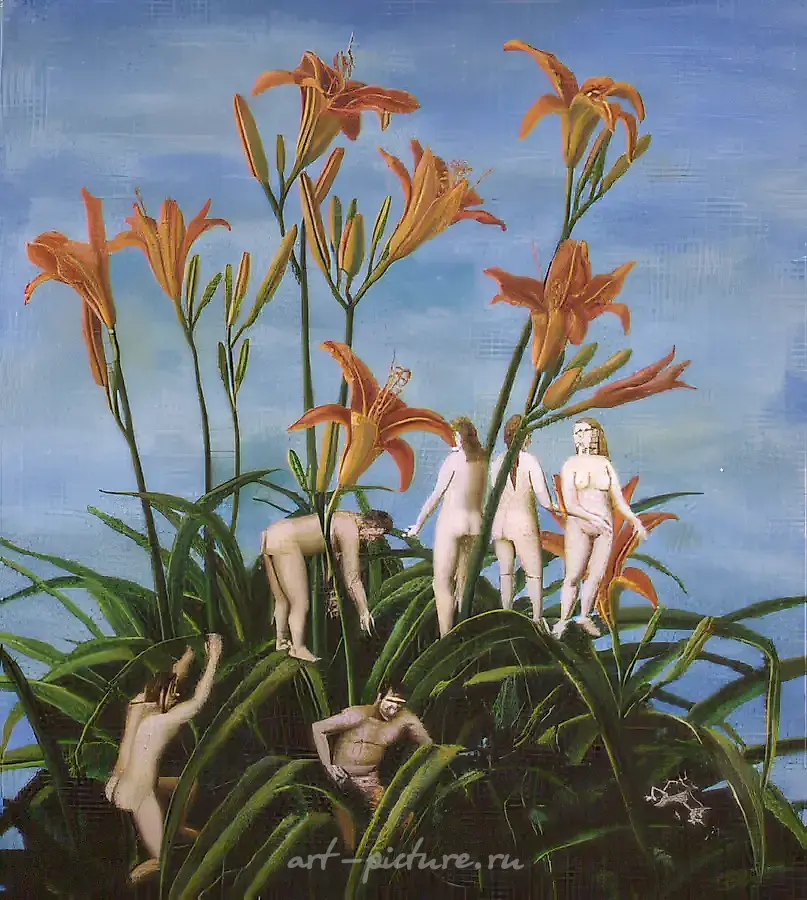
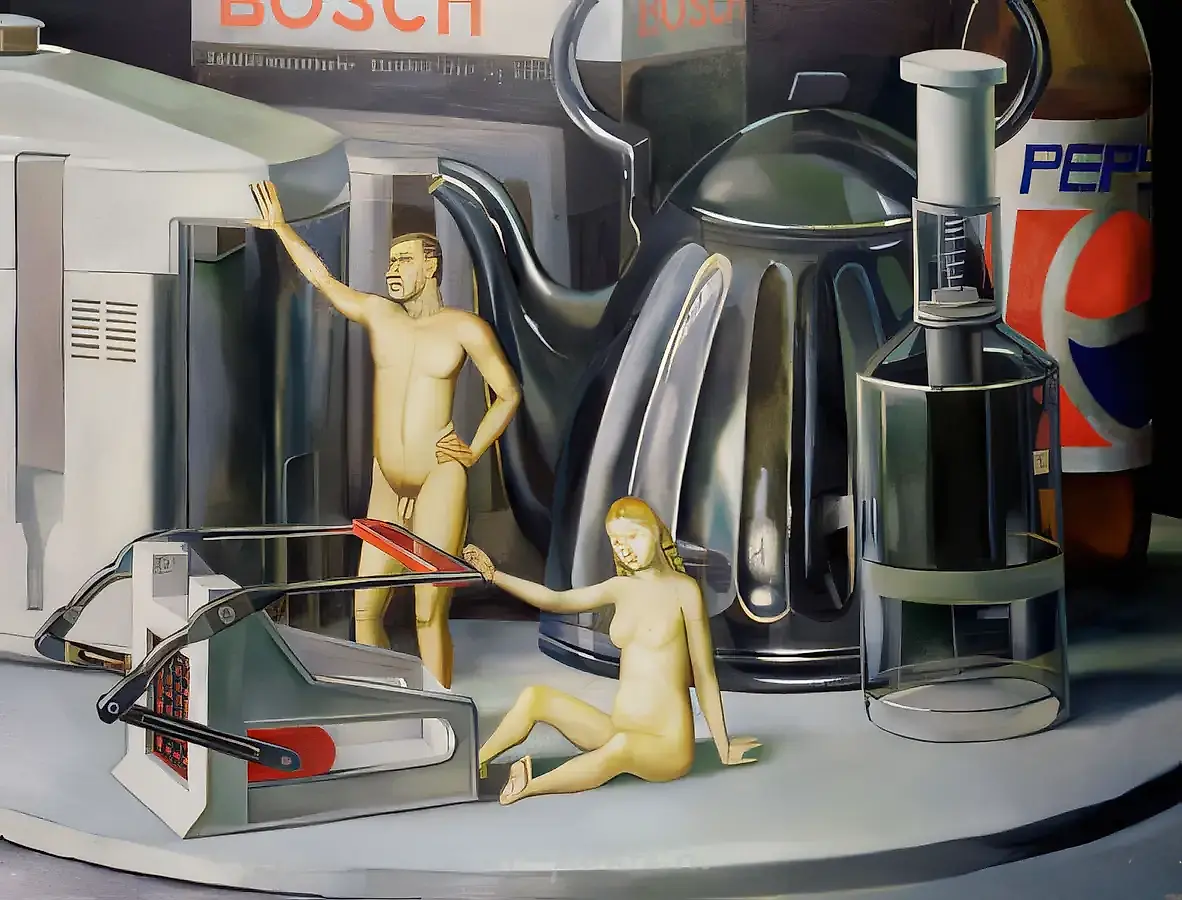
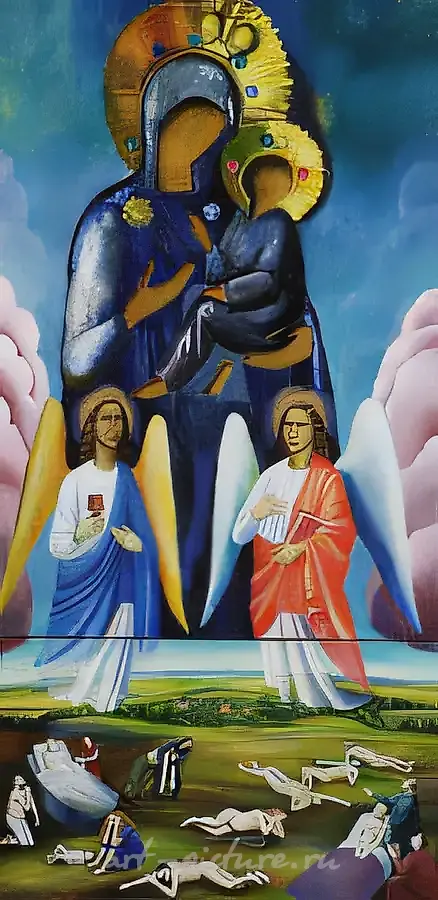
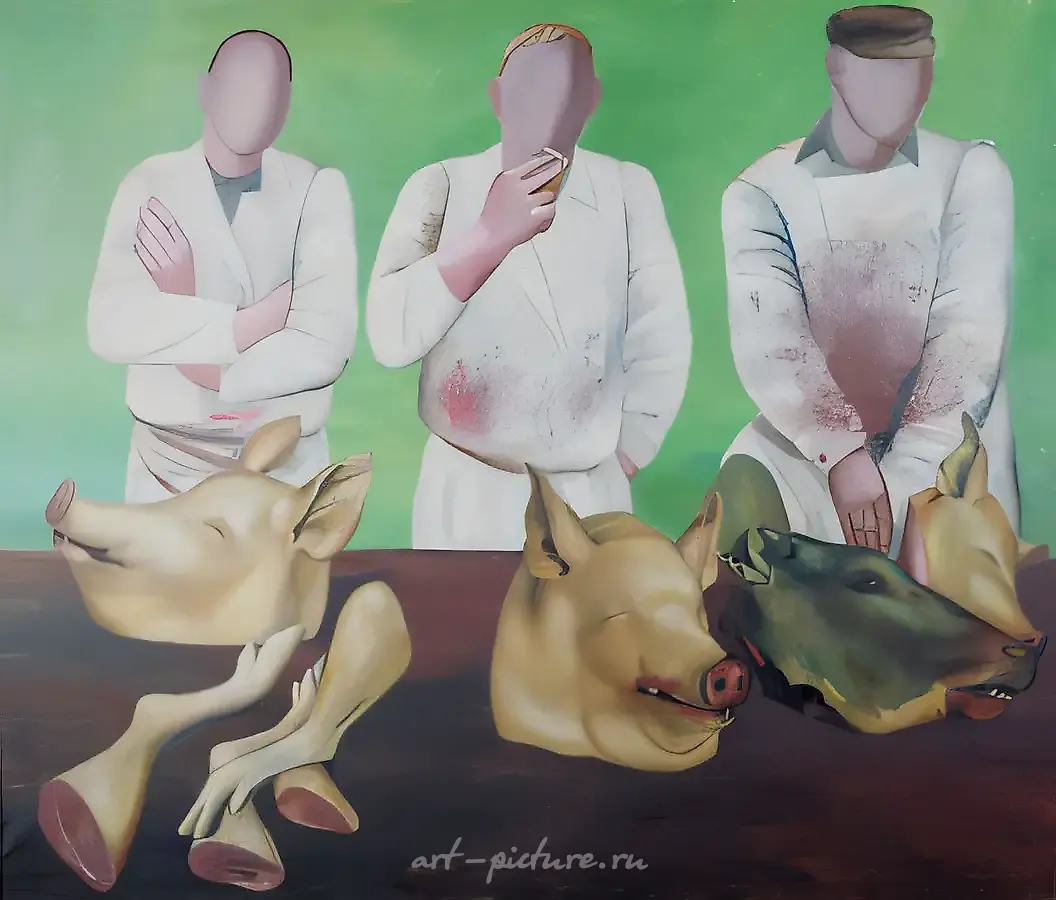
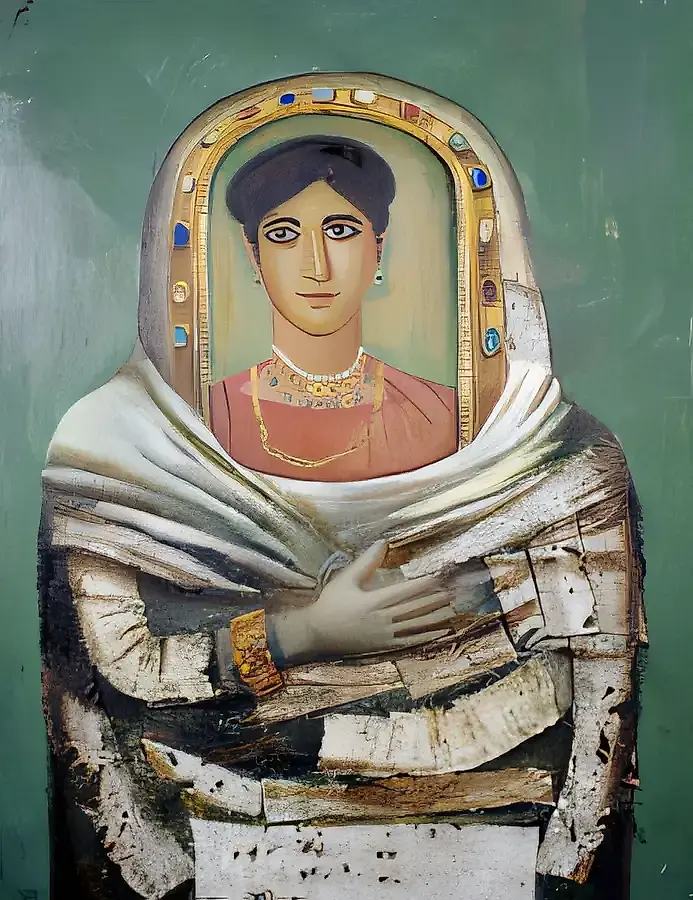
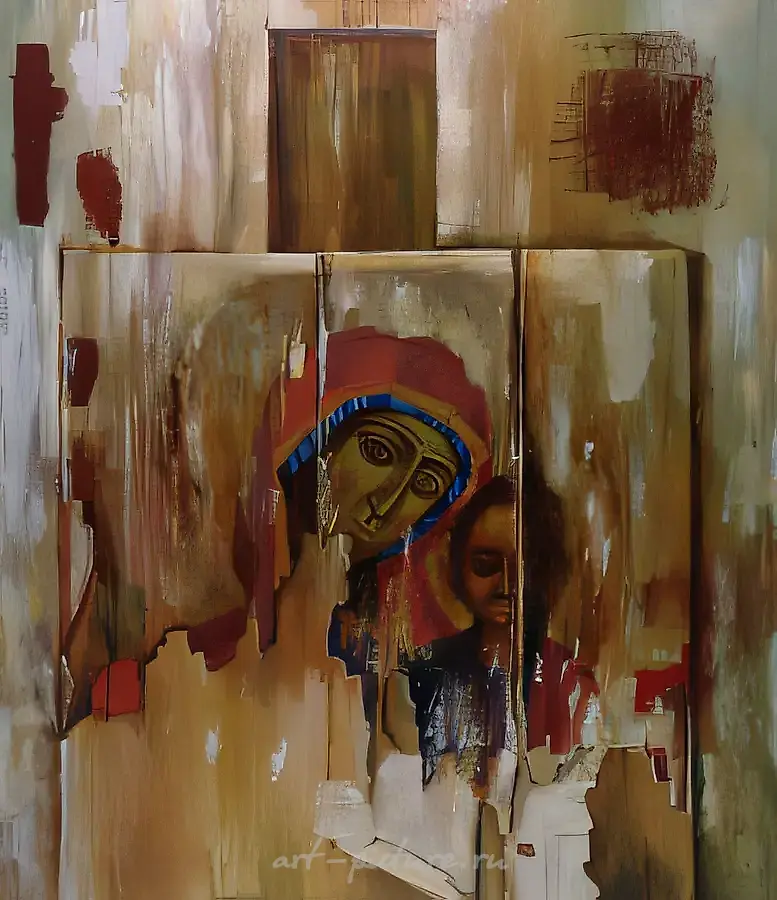
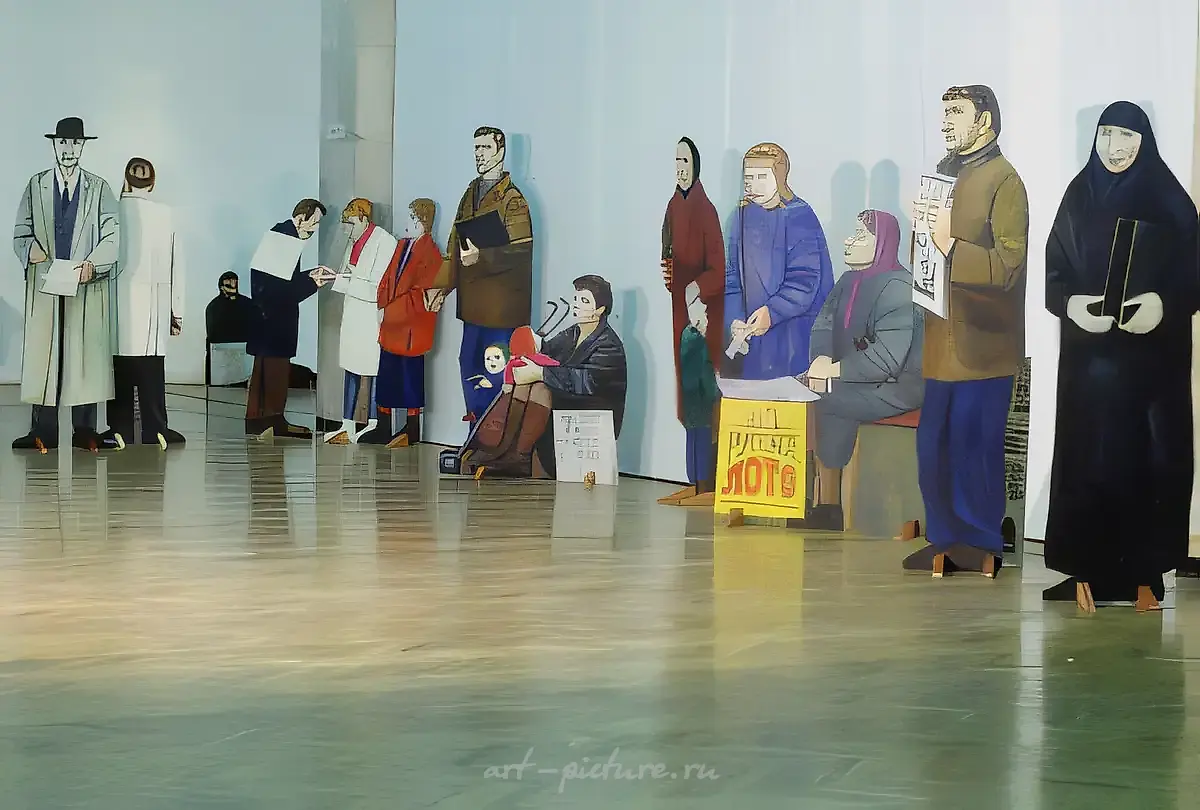
Biography: Born June 24, 1944, in Moscow. From 1955—1962, studied at the Moscow Secondary Art School (MSKhSh) at the Surikov Moscow State Academic Art Institute (MGKhI). From 1962—1968, studied at the MGKhI in the studios of Professors A. M. Gritsai and D. D. Zhilinsky. In 1969, joined the Union of Artists of the USSR. From 1969—1972, worked at the Academy of Arts' studio under the supervision of G. M. Korzhev. In 1972, awarded the Moscow Komsomol Prize for the painting "Execution of the People's Will Members". In 1976, received First Prize at the International Exhibition in Sofia (Bulgaria). In 1978, creative trip to the International School of Arts in Voss (Norway). In 1987, awarded the silver medal of the Academy of Arts of the USSR. In 1987, first solo exhibitions in Kiev, Odessa, Lviv. In 1987, first foreign solo exhibition, Leverkusen (Germany). In 1988, attended the exhibition "Russian Art" in Cologne by invitation of Peter Ludwig. In 1988, participated in Sotheby's auction in Moscow. In 1989, first solo exhibition in Moscow at the Central House of Artists (CDKh). In 1989, creative trip to New York. In 1993, State Prize of the Russian Federation for the exhibition "Tatiana's Day" at the State Tretyakov Gallery. In 1998, elected a Corresponding Member of the Russian Academy of Arts, full Academician since 2001, and member of the Presidium since 2001. From 1999—2016, professor and head of a studio at the Surikov Moscow State Academic Art Institute. In 1999, laureate of the Moscow Government Prize. In 2003, Honored Artist of the Russian Federation. In 2004, awarded the Honorary Gold Medal of the Russian Academy of Arts. In 2008, laureate of the Independent Triumph Prize. In 2014, People's Artist of Russia. On March 11, 2014, signed a petition by cultural figures in support of President Putin's policies in Ukraine and Crimea. Unmarried. Divorced in 2021. Sons: Nikolai and Alexander. Lives and works in Moscow. Created two series of paintings in the genre of trompe-l'oeil figures.
Works in collections
Her works are in the State Tretyakov Gallery in Moscow, State Russian Museum in St. Petersburg, art museums in Saratov, Vologda, Kiev, Arkhangelsk, Perm, Nikolaev, Bryansk, Novokuznetsk, Novosibirsk, Elista, Rostov-on-Don, Bratislava, Rostock, Berlin, Sofia, the Peter Ludwig Museum in Aachen, Germany, and private collections in Germany, France, Finland, Turkey, Italy, UK, Spain, Portugal, USA, the Cremona Foundation, the Weisman Foundation in the USA.
Exhibitions and auctions
Key exhibitions include: 1975 - Group exhibition with O. Loshakov, O. Vukolov, I. Orlov, V. Rozhnev, Moscow; 1976 - International Exhibition in Sofia, Bulgaria (First Prize); 1982 - 'Russian Art Today', Levy Gallery, Hamburg; 1987 - solo shows in Kiev, Odessa, Lviv; 1987 - Museum of Russian and Western Art, Odessa; 1987 - Museum of Russian Art, Kiev; 1987 - Solo exhibition, Leverkusen (Germany); 1988 - State Theatre of Oldenburg; Bremen Town Hall, Germany; 1989 - Central House of Artists, Moscow; 1990 - SoHo Gallery, Boston; 1992 - Fernando Duran Gallery, Madrid (with N. Nesterova); 1993 - Gregory Gallery, Washington D.C.; 1996 - 'Transition', CDKh, Moscow; 1997 - Lehman College Art Gallery, New York; 1998 - National Museum of Women in the Arts, Washington; 2004 - State Tretyakov Gallery, Moscow; 2006 - State Russian Museum, St. Petersburg; 2019 - 'Dialogue with Time', Russian Academy of Arts, Moscow; and many more in Russia, Europe, and the USA.
Author about himself
...I work to express something that is important to me. I would really like to be understood—although not necessarily exactly as I envision my work. It is important for me to convey the overall spirit of my conception.
I am continuously occupied with one thing, varying the same theme—the theme of loneliness. Loneliness seems to me one of the most significant human dramas. In different works—historical canvases, portraits, or genre paintings—this theme defines much in my art. I think about how frightening loneliness is, how heavy it is, and how inevitably it ambushes a person in various situations in life. To make people think, to call upon their compassion—that is the main goal of my work.
Usually I approach a canvas when the painting is fully conceived and formed in my mind. Sometimes, a year or two may pass from conception to execution, which doesn't matter. If the impression from what I saw is very strong and I think the painting will depict many people, I make preliminary sketches—on scraps of paper, restaurant napkins, anything at hand. Usually I do not deviate from my initial conception and only enrich the canvas with some details.
What worries me, I must leave on the canvas or at least on a piece of paper. This is my life. Until the idea is on the canvas, I cannot let it go, like a mother waiting for her child. You treat your paintings like children—they leave the studio, depart from you, have their own fate—happy or unhappy.
It seems to me that real art begins where there is a secret, some understatement, which makes each person find in a beloved work a charm that has revealed itself only to them.
Creating a painting is like summing up a certain stage of your life. In any case, many canvases for me have been like that. An unrealized work interferes with living, disturbs and reminds you of itself, making you feel responsibility to life, which has given you the opportunity for creativity.
Critic
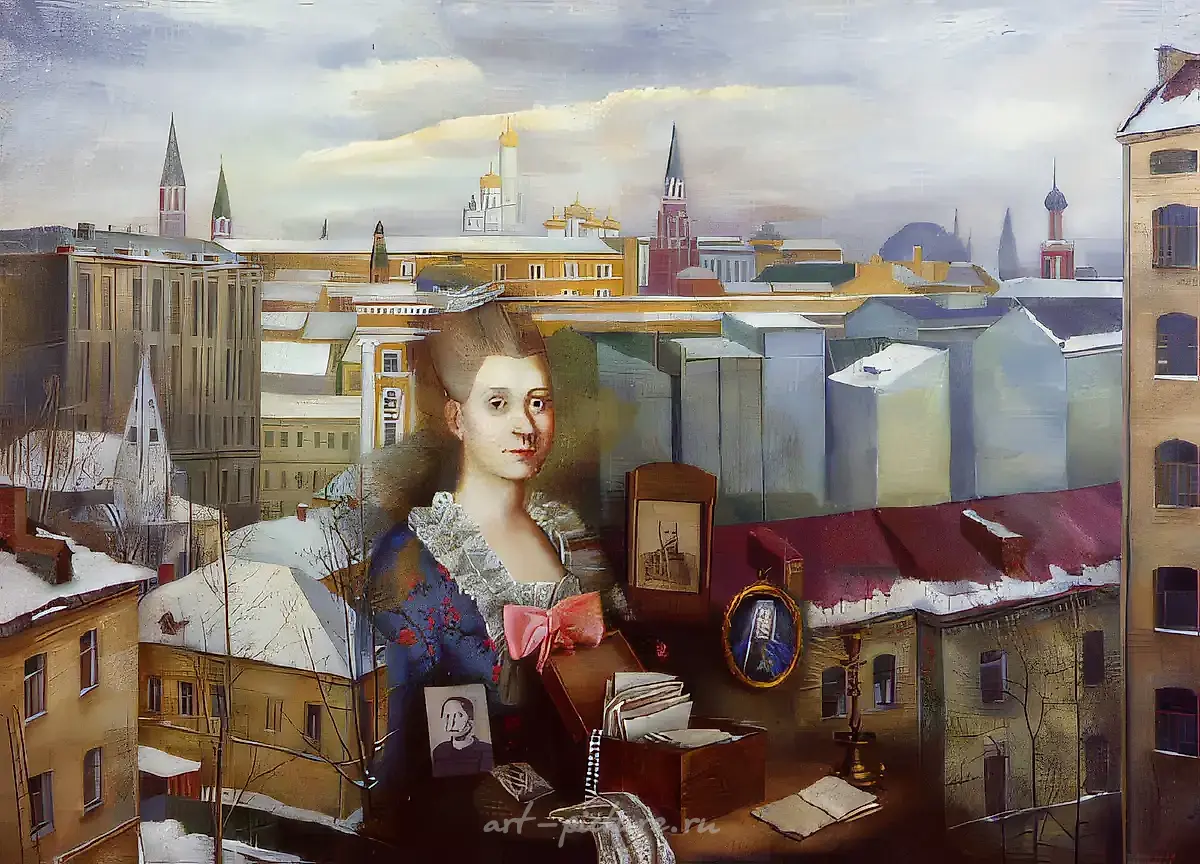
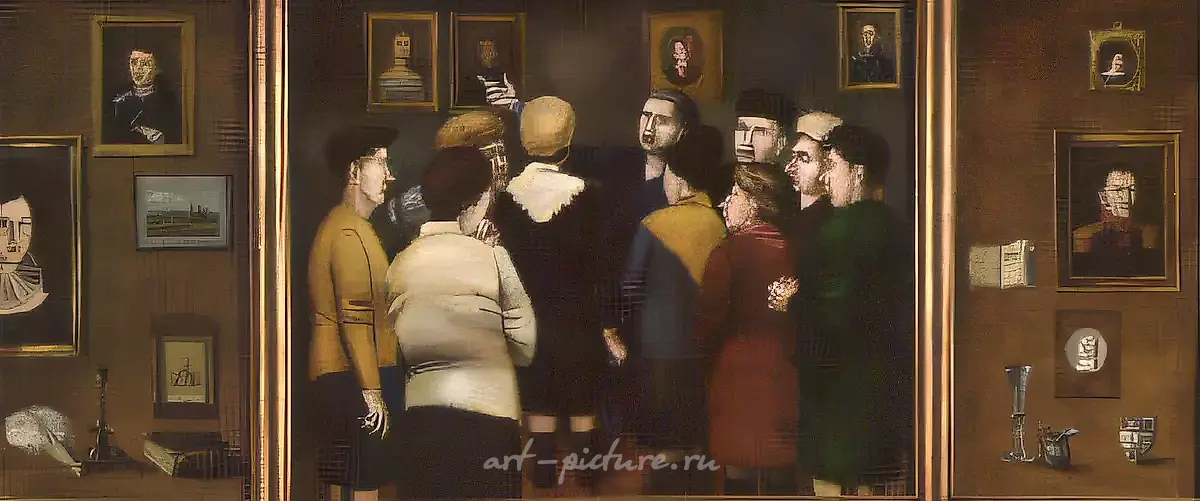
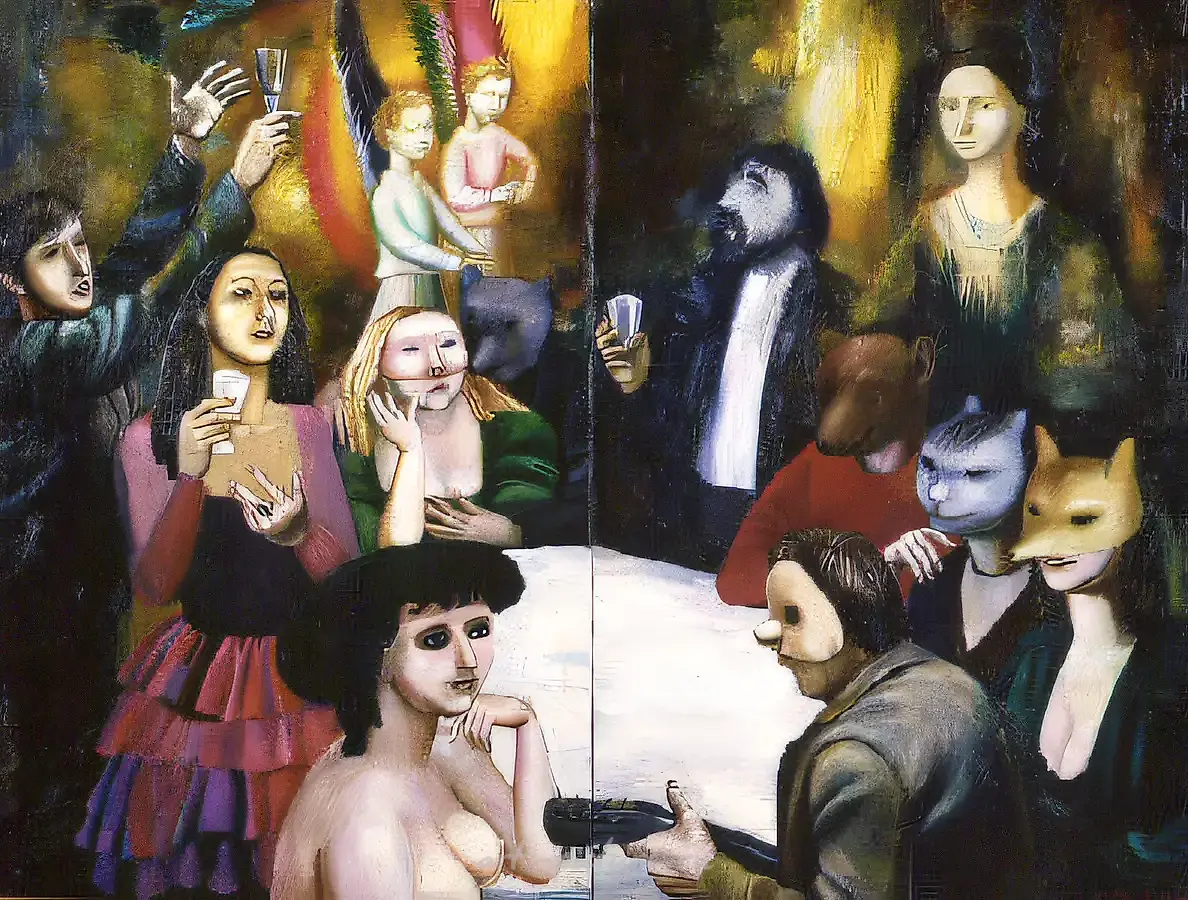
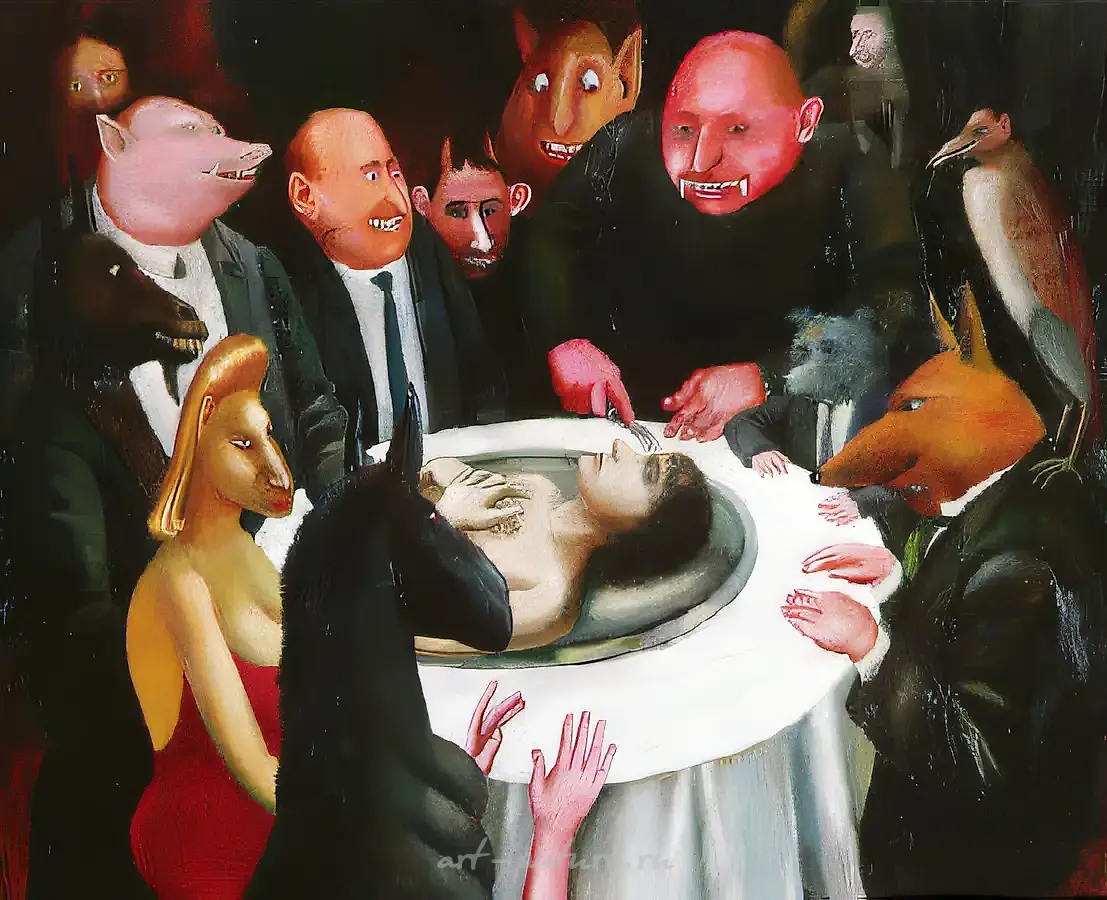
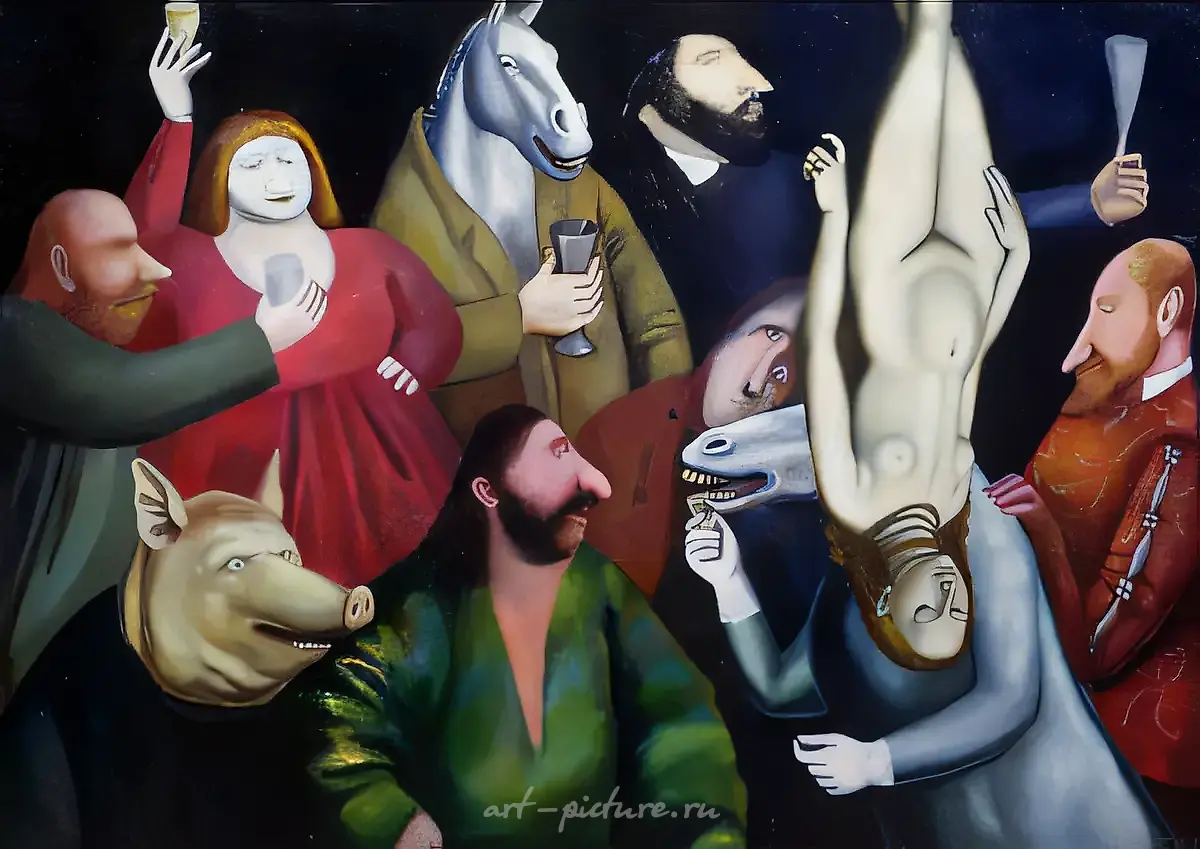
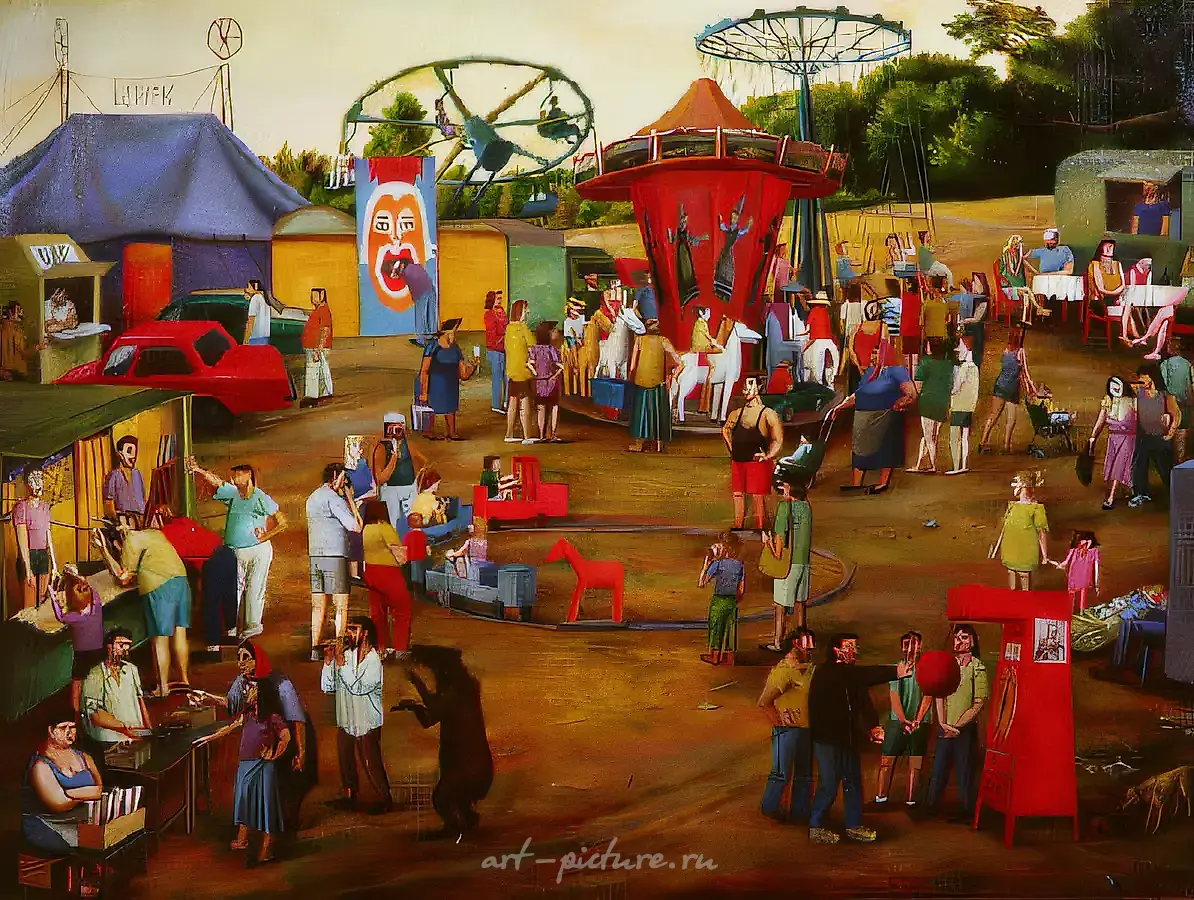
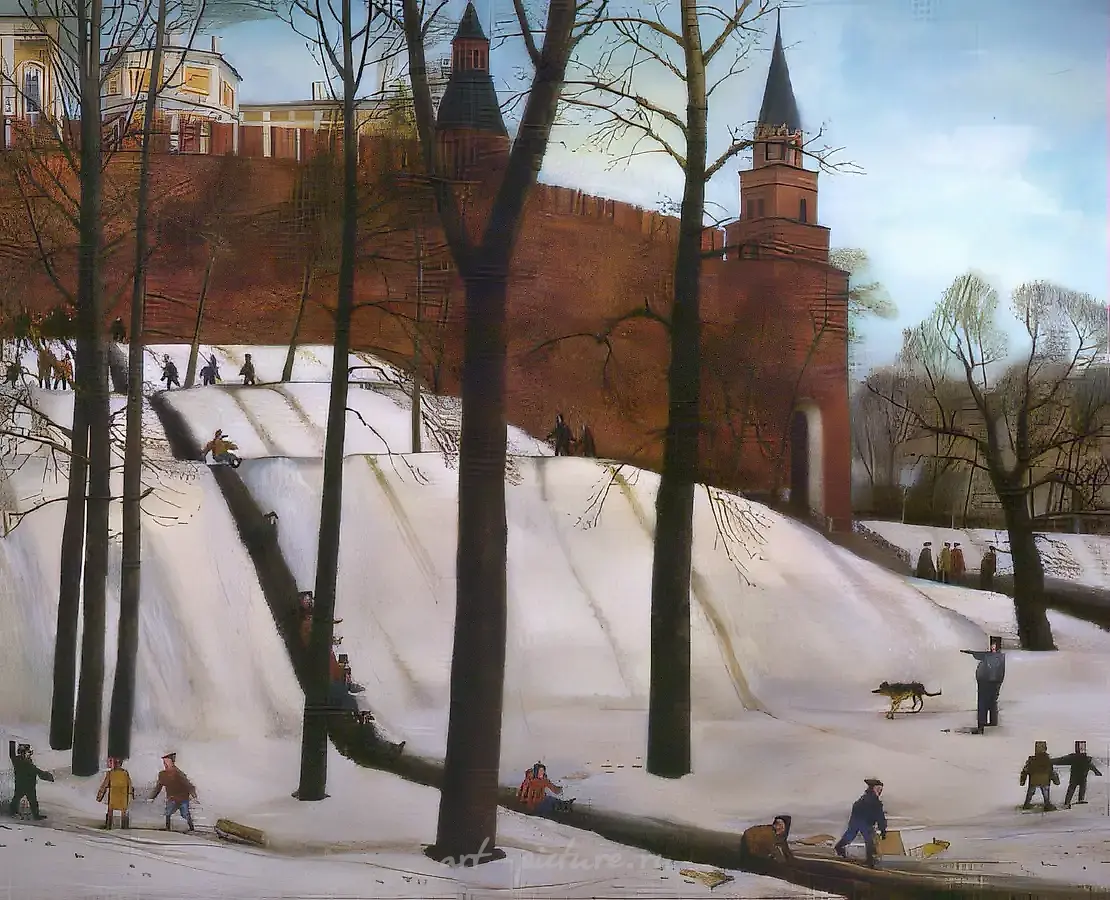
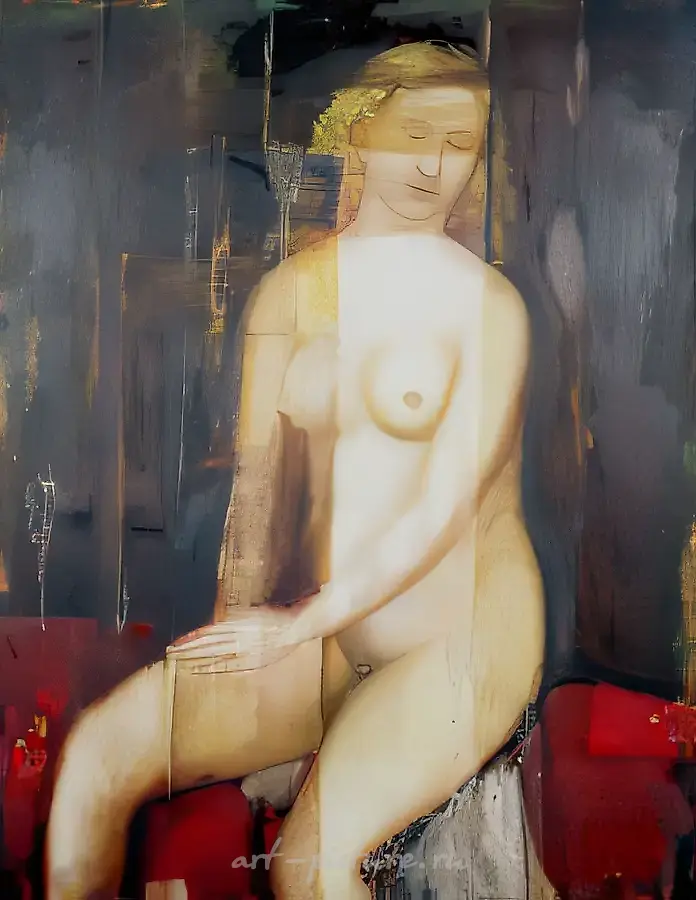
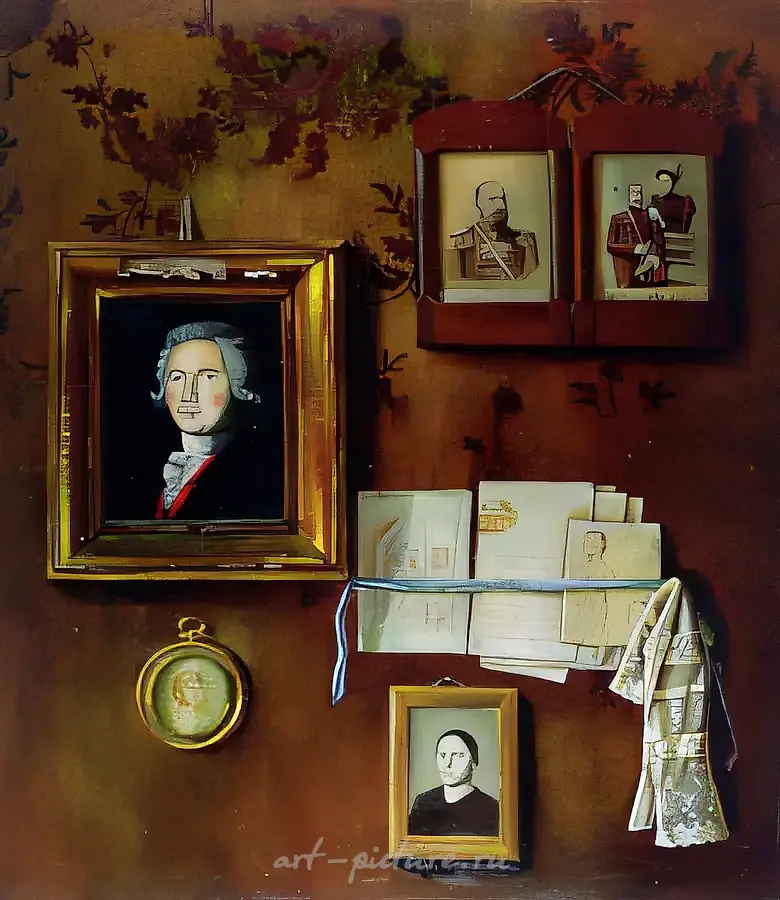
The creative star of Tatyana Nazarenko blazed brightly and unexpectedly in the sky of Russian art at the very beginning of the 1970s. Its spiritual radiance neither fades nor dissolves over time. The world of images and the painter's language in her work are greatly shaped by a specific historical outlook, creating an atmosphere that awakens our understanding of human nature. Imagine a gallery of Nazarenko’s works, from historical genres and 'masquerade' buffoonery to portraits and still-lifes: all exist, as if, on the same timeless plane of significance, regardless of the detail and accuracy of individual attributes and realities from the past or present.
Nazarenko's works possess a special magnetism: they connect not only with memories of what has happened, but also address the future. Her works excite the viewer's imagination with their multi-associativity and metaphoric quality. In her paintings, the heroes of past events appear as if reborn, already perceived outside of specific temporal parameters—perhaps because she endows them with traits of her own, striving to connect concrete historical characters and fates with the virtues and vices of our own generation. Thus, Nazarenko achieves a special level of artistic generalization, enabling her to operate with universal human concepts and values even in situations of strictly personal life.
Reflecting on Nazarenko’s work from a historical-philosophical perspective, one cannot omit the purely painterly, plastic virtues of her art. She nurtures her ideas for a long time, mentally perfecting the compositional plot and placing the necessary semantic emphases. At the same time, she already imagines the future composition, its color dramaturgy, and the lighting accompaniment to a strictly restrained, solemn choir of colors. Nazarenko’s painterly manner incorporates both techniques of Old Masters—with their ideas of color luminosity, texture—and the plastic discoveries introduced into art in the twentieth century. As already noted, Nazarenko sees the future picture even before her brush touches the canvas, which is why her works are characterized by precision of image, color, and composition. And within this static harmony, passions and emotions surge.
(A. Rozhin)
Bibliography
A. Dekhtyar 'Young Artists of the 70s', Sovetsky Khudozhnik, 1979; A. Kamensky 'Tatyana Nazarenko', Bildende Kunst, No. 1, 1976; A. Morozov 'Tatyana Nazarenko. New Names.', Sovetsky Khudozhnik, 1978; Gambrell Samey 'Soviet Art Today', Art in America, Nov 1985; L. Krichevskaya 'Paintings of Tatyana Nazarenko', Khudozhnik, No.6, 1982; A. Yakimovich 'Historical compositions and genres of T. Nazarenko', Soviet Painting, No. 5, 1982; V. Lebedeva, 'The Painting of Tatyana Nazarenko', Soviet Union Today (in German), No. 10, 1987; Personal Exhibition Catalogue, 1988; A. Morozov 'Tatyana Nazarenko', Leningrad: Aurora, 1988; Sotheby’s auction catalogue 'Russian Avant-Garde and Soviet Contemporary Art', 1988; Weiss Evelin 'Sowjet kunst teute Cologne', Museum Ludwig, 1988; Matthew Gullern Bown 'Contemporary Russian Art', Phaidon Press Limited, Oxford, Great Britain, 1988; V. Lebedeva 'Tatyana Nazarenko', Sovetsky Khudozhnik, 1991.
Works 27