Izrailov Gazali-Dibir Murtuzovich
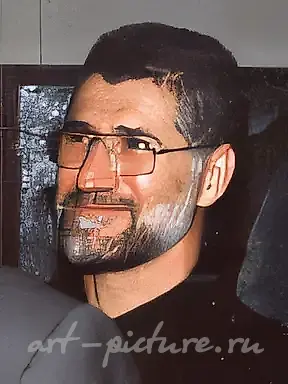
Born in 1942 in the village of Kobosida, Tlyaratinsky District, Highlands of Dagestan, Russia. Graduated in 1975 from the Moscow Higher School of Industrial Art (formerly Stroganov School). Since 1976 - member of the Youth Association of the Union of Artists of the USSR. Since 1978 - member of the Union of Artists of the USSR. Member of the Moscow Union of Artists, member of the Union of Artists of Russia, member of the International Art Foundation.
Works in collections
His works are held in the Tiksi Art Museum; Collection of the USSR Art Foundation; Collection of the Moscow Art Foundation; Altai Art Museum; Tashkent Museum of Fine Arts; Novikombank and Lesprombank in Moscow; Collections of R.G. Abdulatipov, O.E. Shandybin; Dagestan Museum of Art; Collection of the Constitutional Court of Russia; Russian Museum of Medicine; in private collections in the Baltic states, Germany, Romania, Bulgaria, Italy, Yugoslavia, Syria, Switzerland, Canada, USA, Australia, Japan, and the Young Rubicam Europe advertising company.
Exhibitions and auctions
1975 “Design, Society, Children.” International Exhibition, Moscow; 1976 Youth Exhibition, Youth Association of the Moscow Union of Artists; 1976 “Young Artists Traveling the Country”, Central Committee of the Komsomol and Moscow Union of Artists; 1977 Tenth Moscow Youth Exhibition, Moscow Union of Artists, Moscow; 1977 Jubilee Exhibition of Moscow Artists, Moscow Union of Artists, Moscow; 1978 First Graphic Art Exhibition “Zone: Soviet South” in Ordzhonikidze and Makhachkala, Union of Artists of the Russian Federation; 1978 Spring Exhibition of Moscow Artists, Moscow Union of Artists, Moscow; 1978 Autumn Exhibition of Moscow Artists, Moscow Union of Artists, Moscow; 1978 “Moscow Artists Traveling the Country”, Union of Artists of the USSR, Moscow; 1978 “Union of Art and Labor”, Moscow Union of Artists, Moscow; 1980 Moscow Regional Exhibition-80, Moscow Union of Artists, Union of Artists of Russia; 1981 “Autumn 1981”, Moscow Union of Artists, Moscow; 1982 “In the Land of White Gold”, Moscow, Tashkent, Moscow Union of Artists, Union of Artists of Uzbekistan, Union of Artists of the USSR; 1983 All-Union Exhibition “Fields of Altai”, Union of Artists of Russia, Moscow, Barnaul; 1983 Creative Evening, House of Artists, Kuznetsky Most 11, Moscow; 1983 Solo Exhibition, Kirov, Moscow region; 1984 “Land and People”, Moscow Union of Artists, Union of Artists of the USSR, Moscow; 1984 “Industry”, Moscow, Zelenograd, Moscow Union of Artists, Union of Artists of USSR Regions; 1985 Exhibition of Works by Moscow Artists; 1986 Regional Exhibition of Moscow Artists “Enterprises & Vermeer”; 1992 Solo Exhibition, MVNPP “Nekton”, MGP, “Mag”, Moscow; 1994 “Revival”, Moscow; 1996 Solo Exhibition, Central House of Artists, Moscow; 1996 “Solar Square”, Moscow; 1996 “Christmas in Moscow”; 1996 Solo Exhibition, “Interior Art” Gallery, Moscow; 1996 “Russian Collection”; 1997 “Aesthetics of Eroticism”, Moscow.
Author about himself
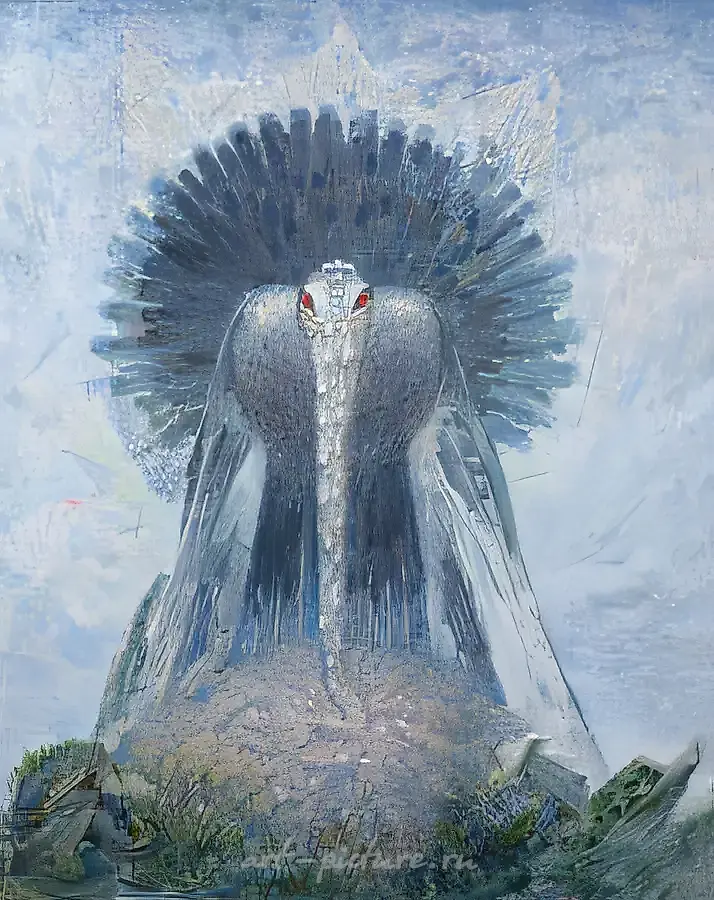
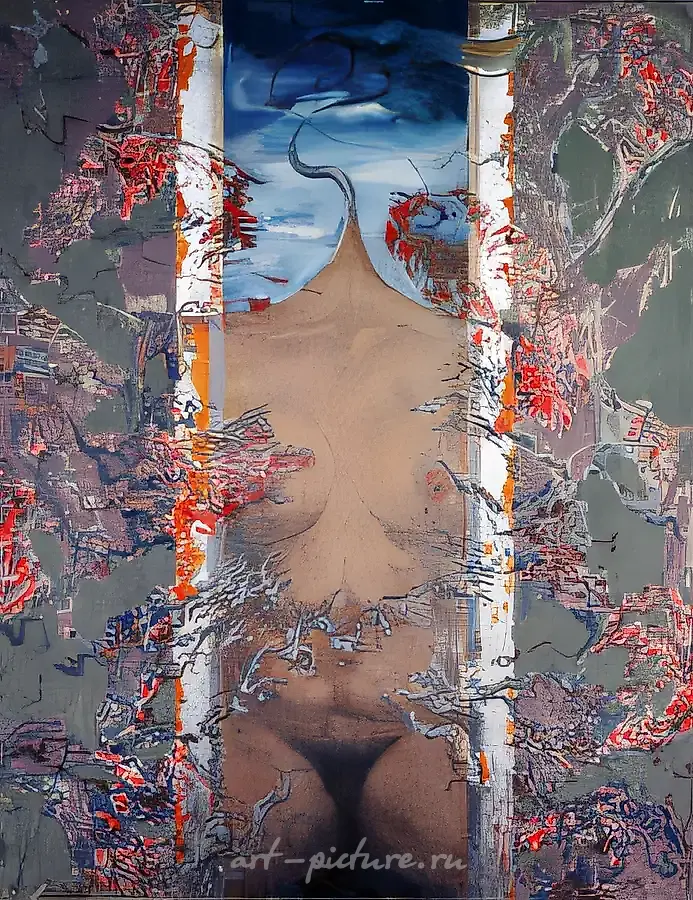
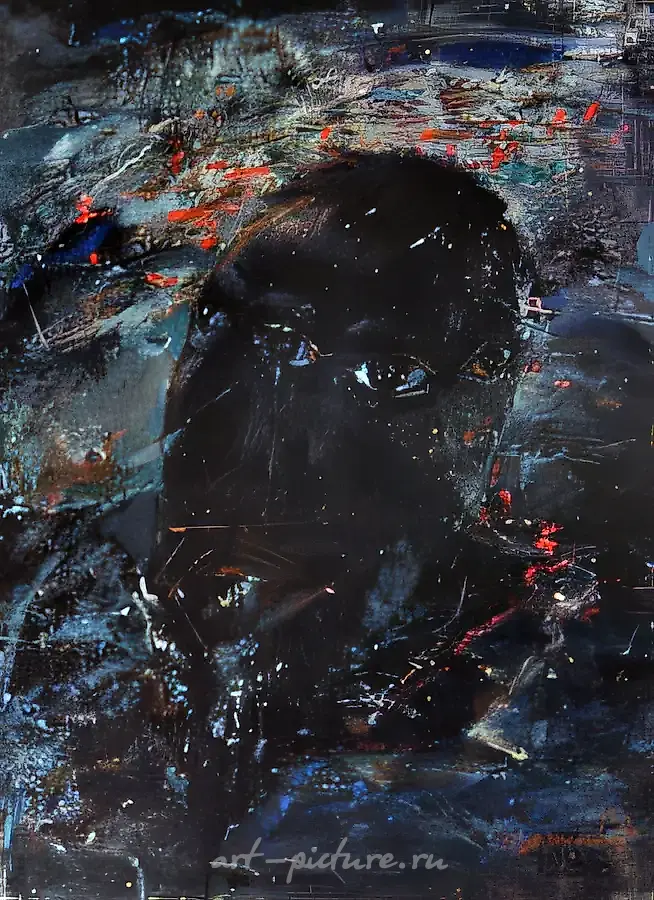
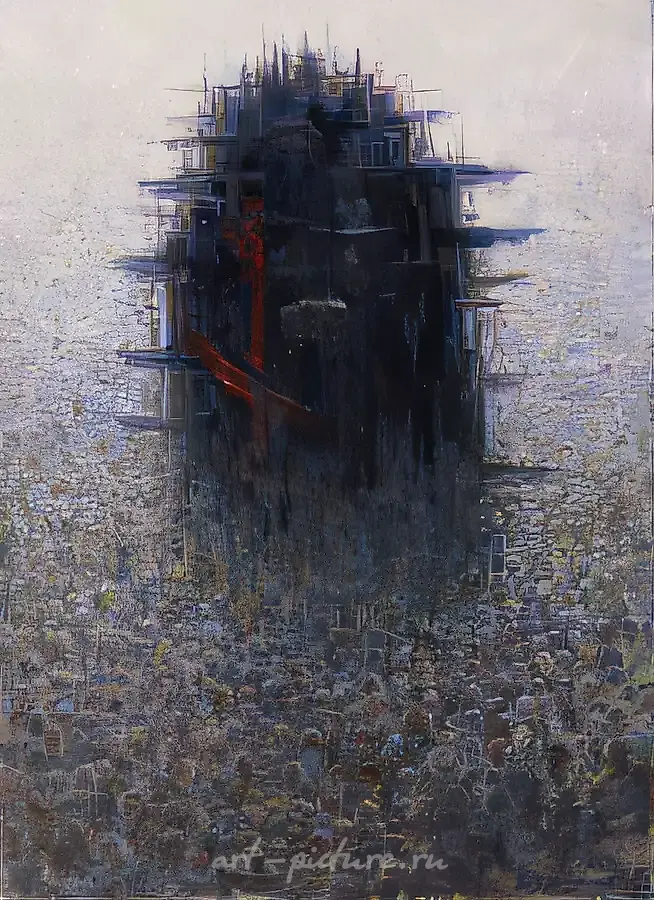
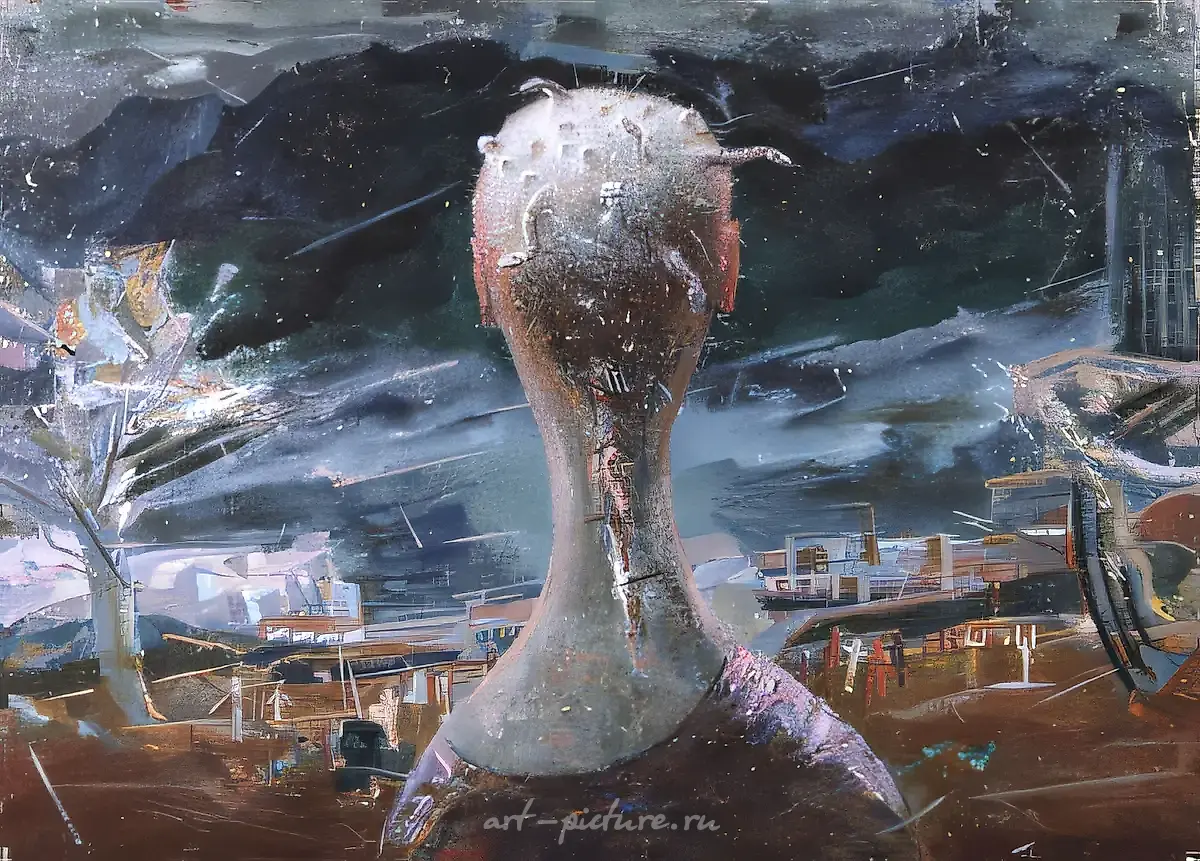
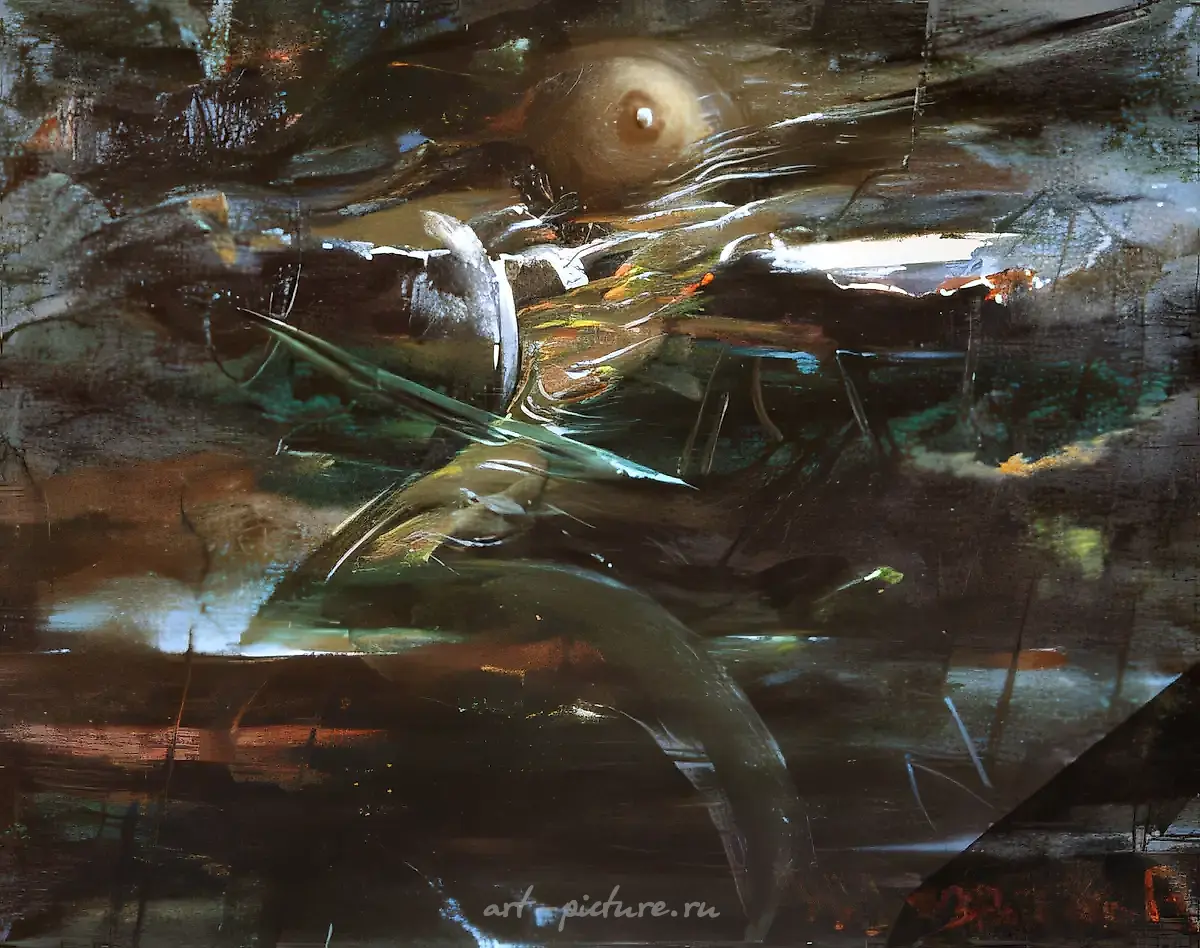
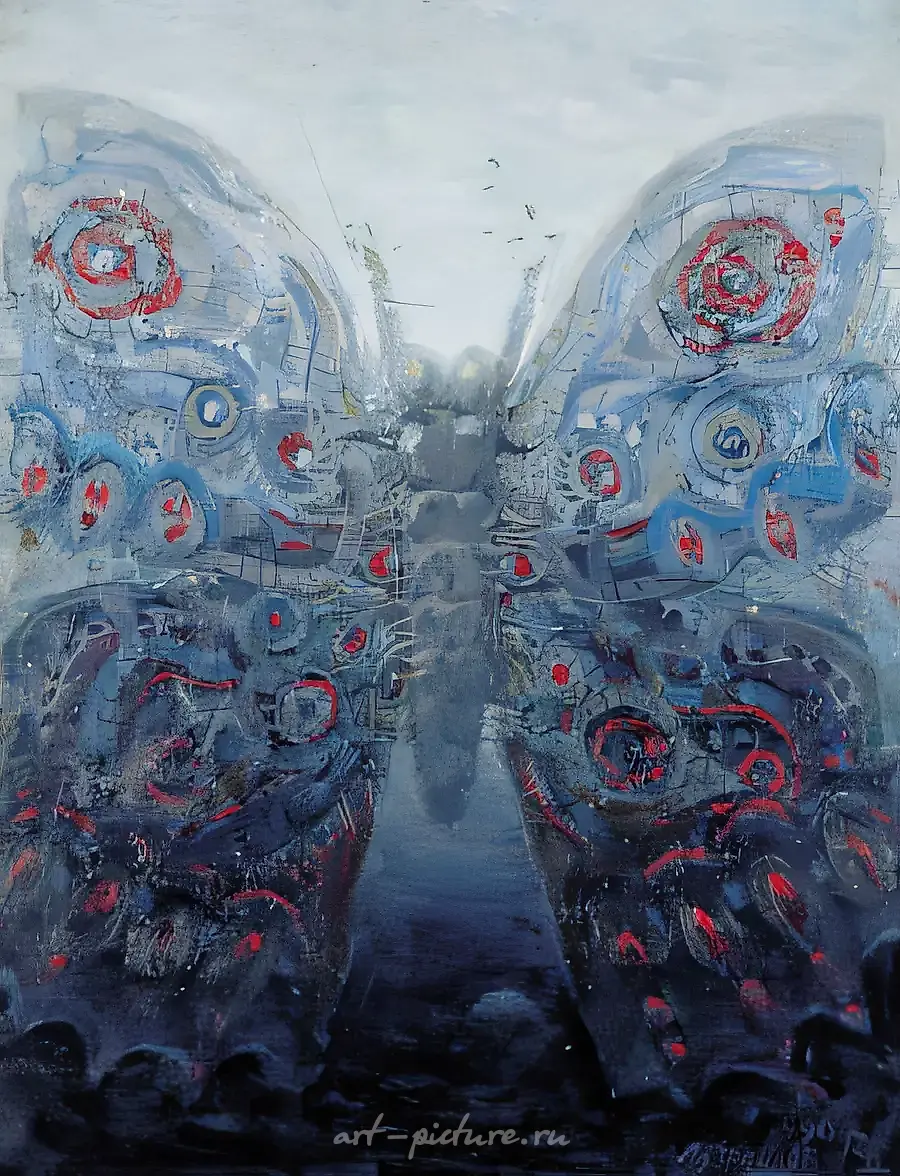
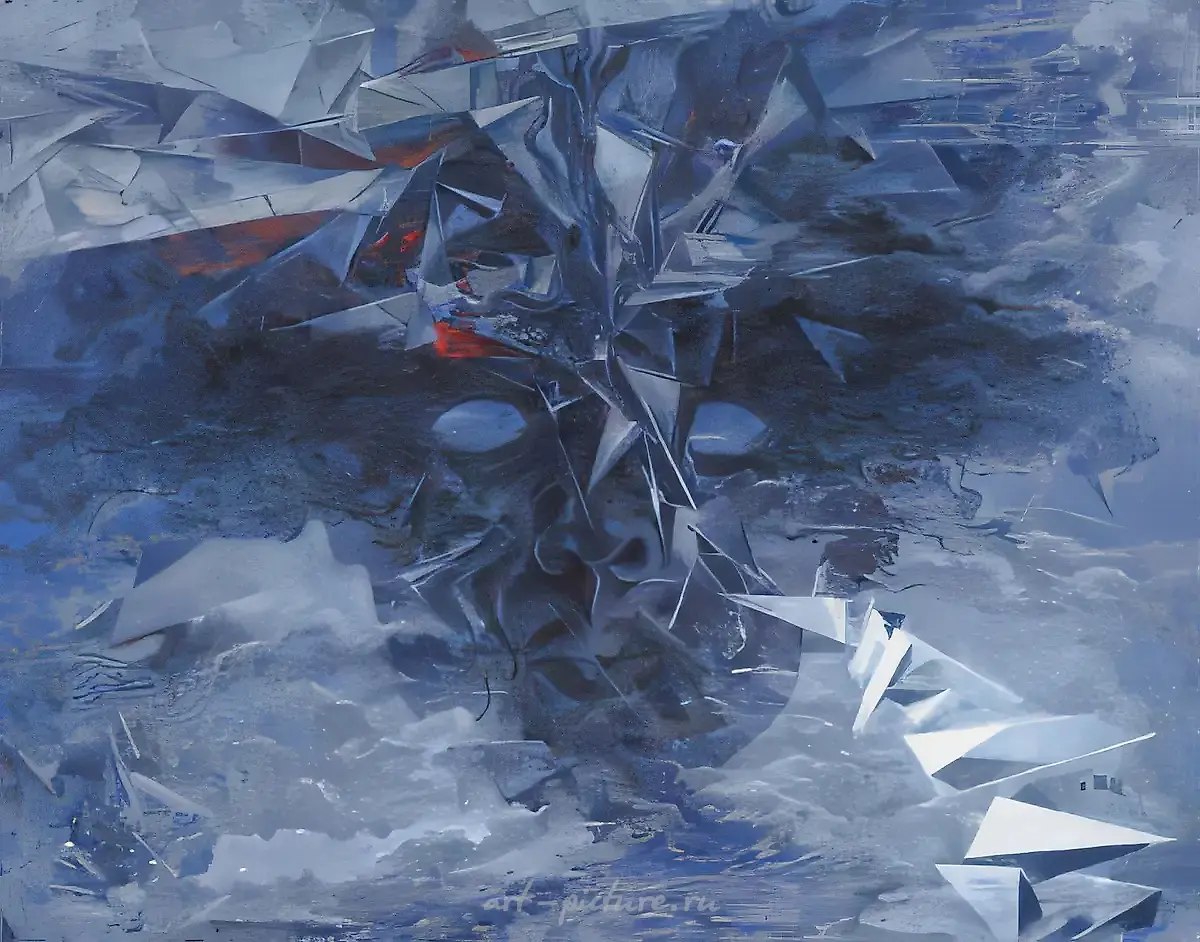
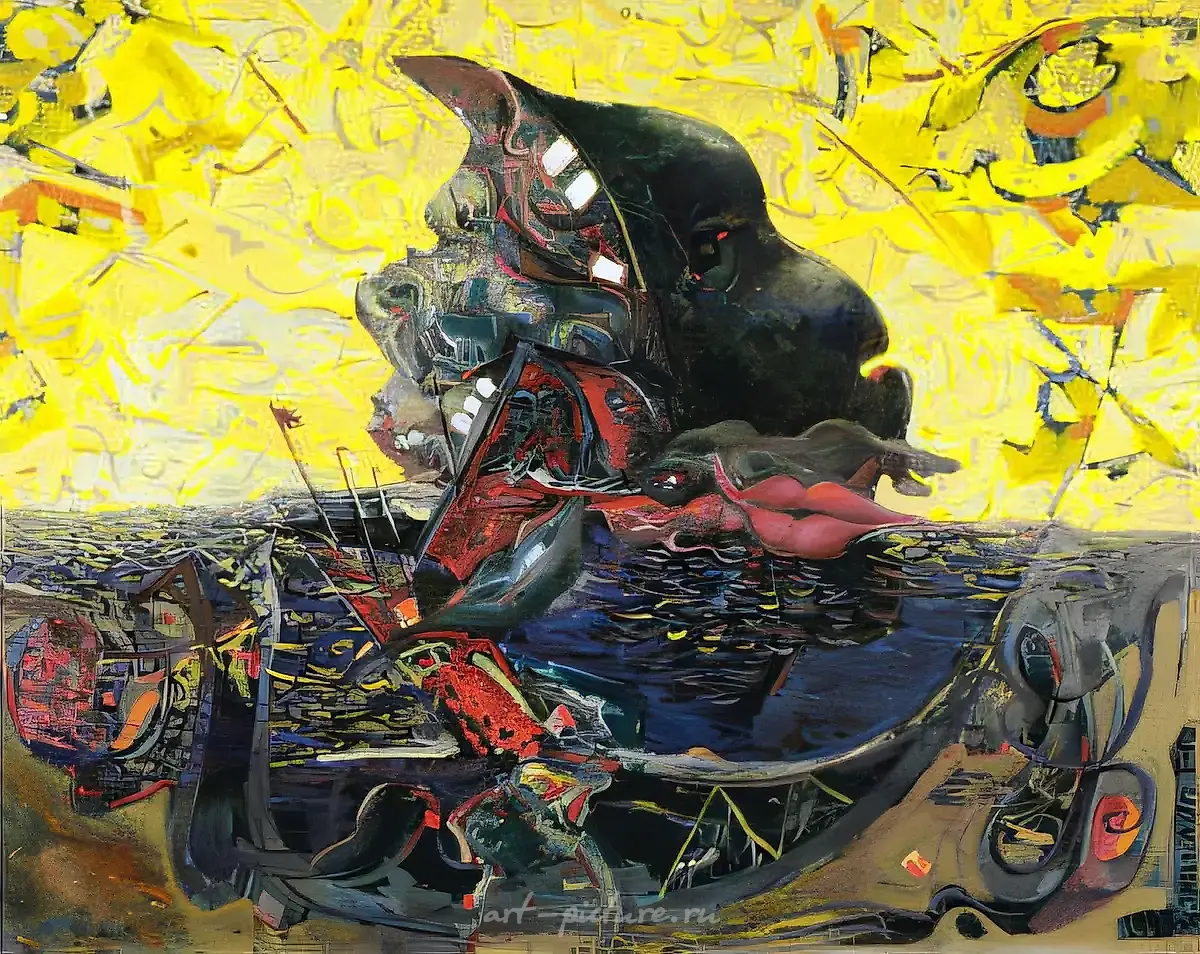
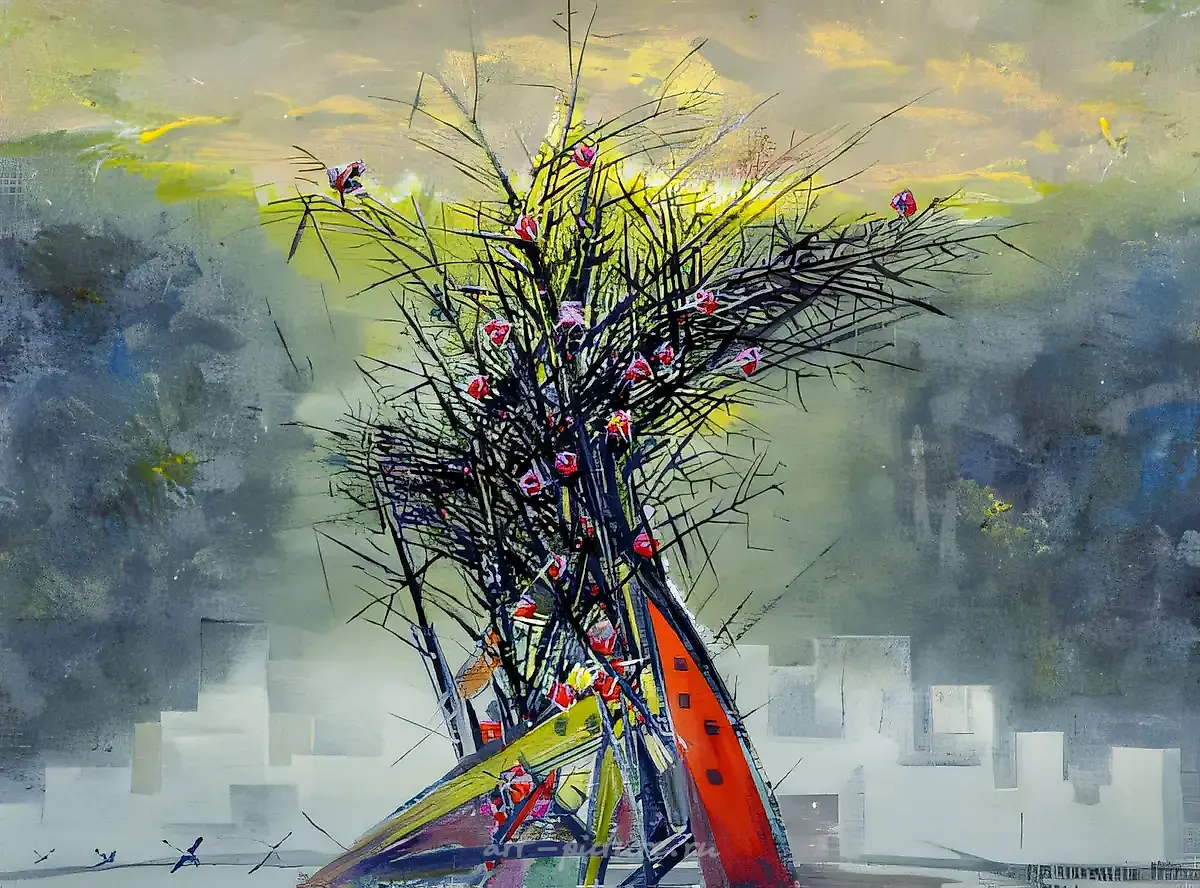
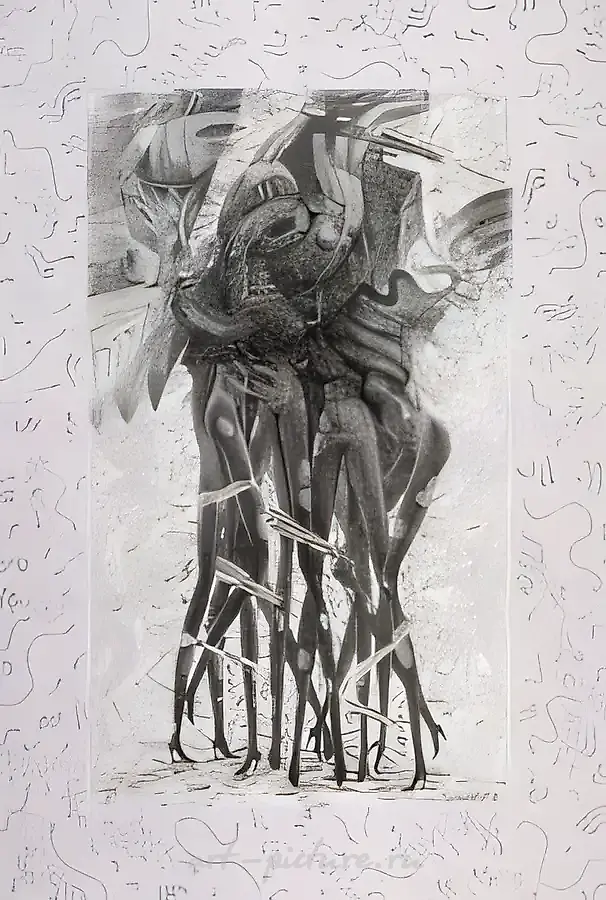
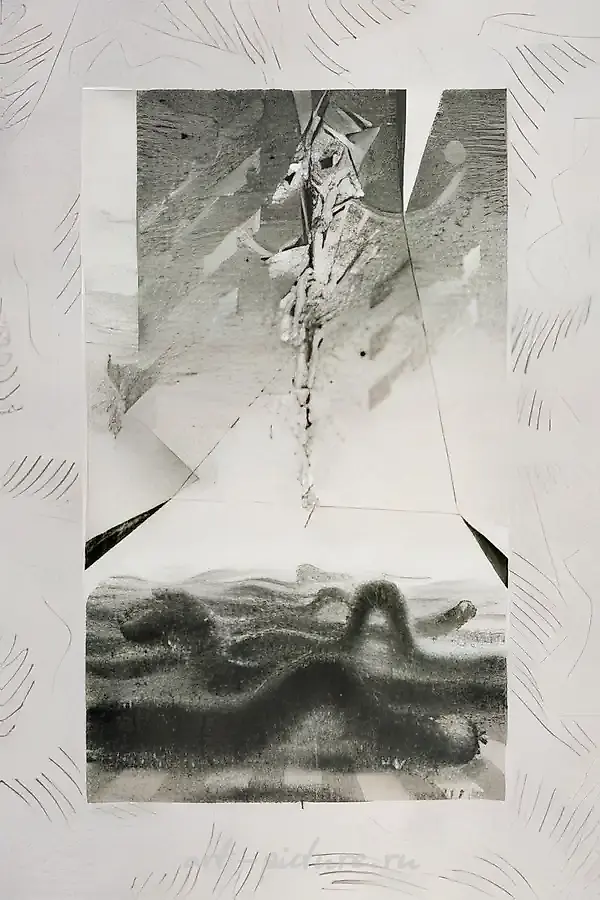
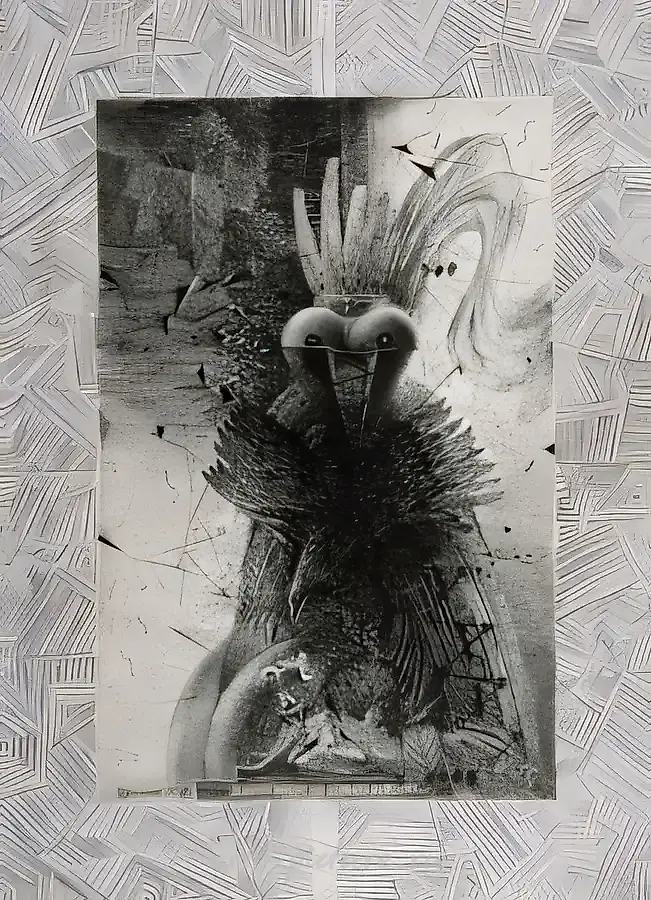
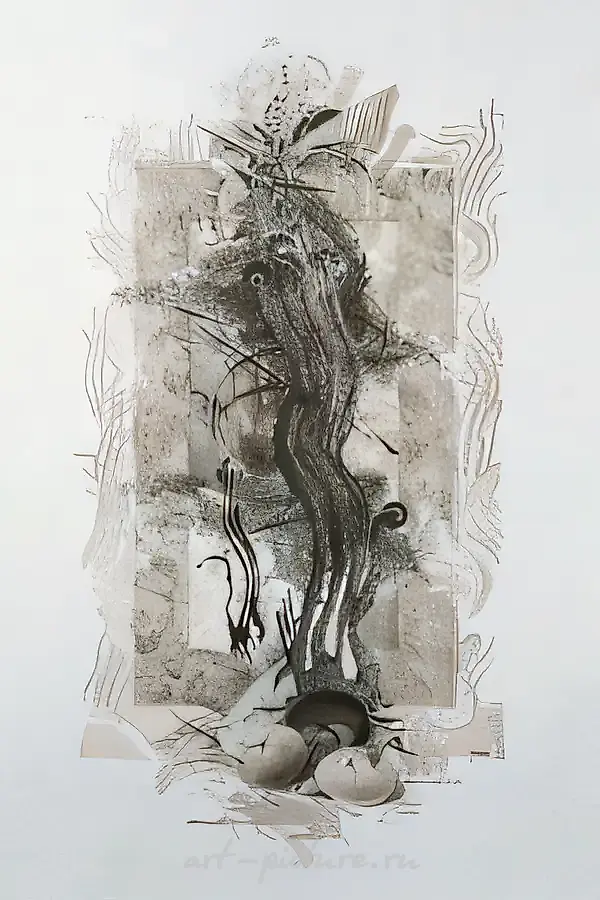
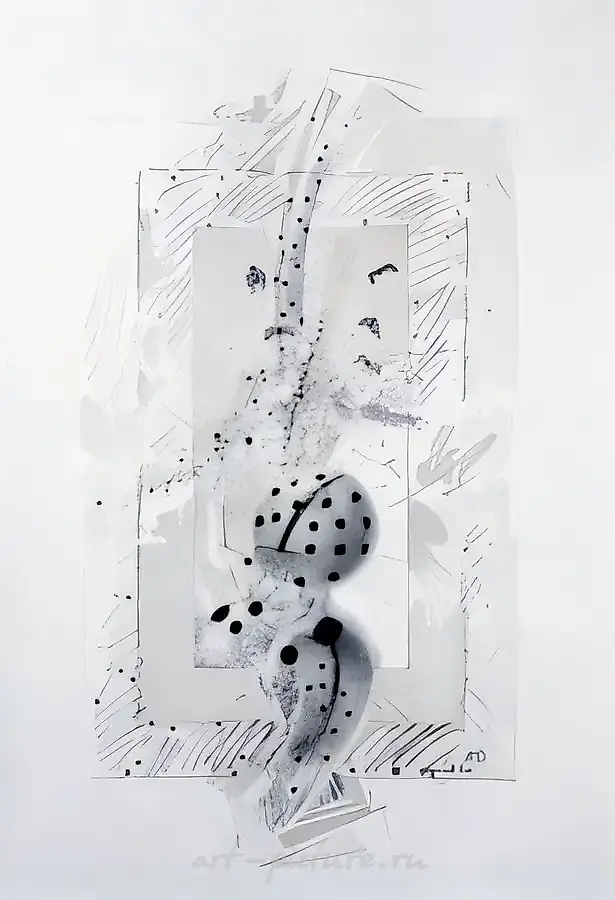
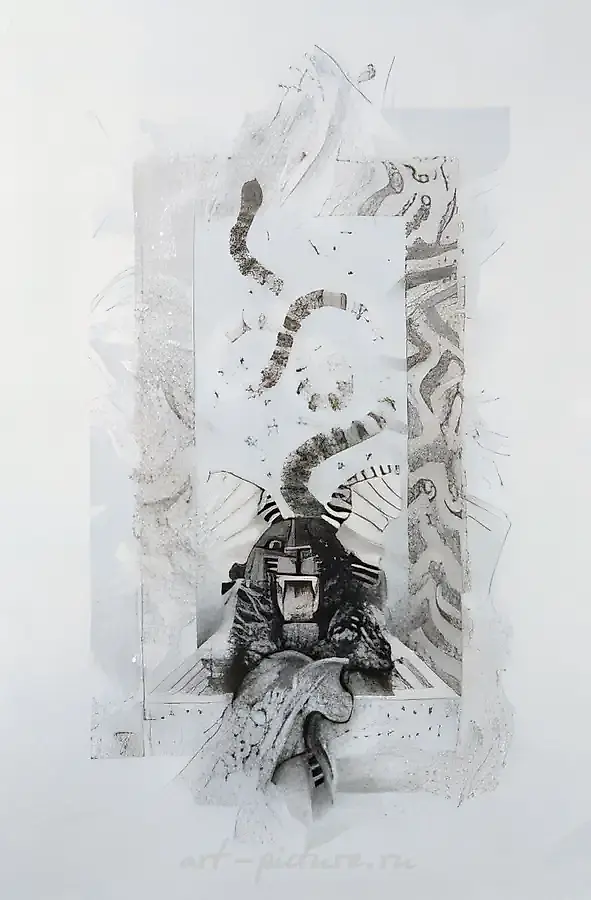
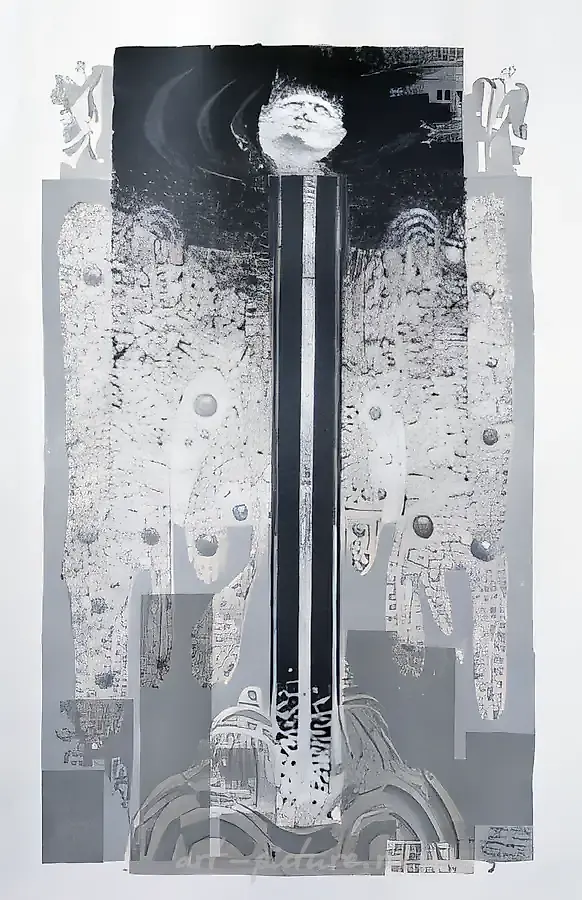
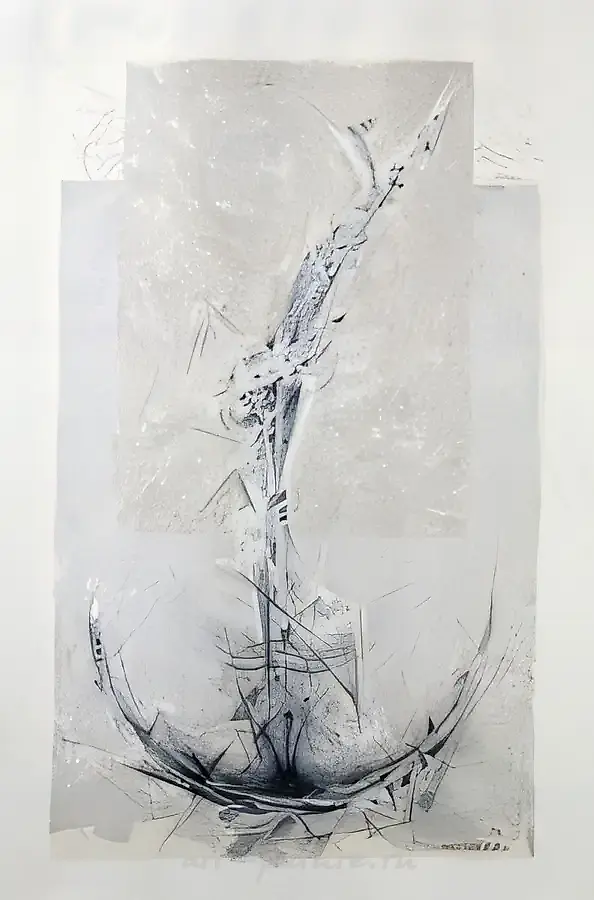
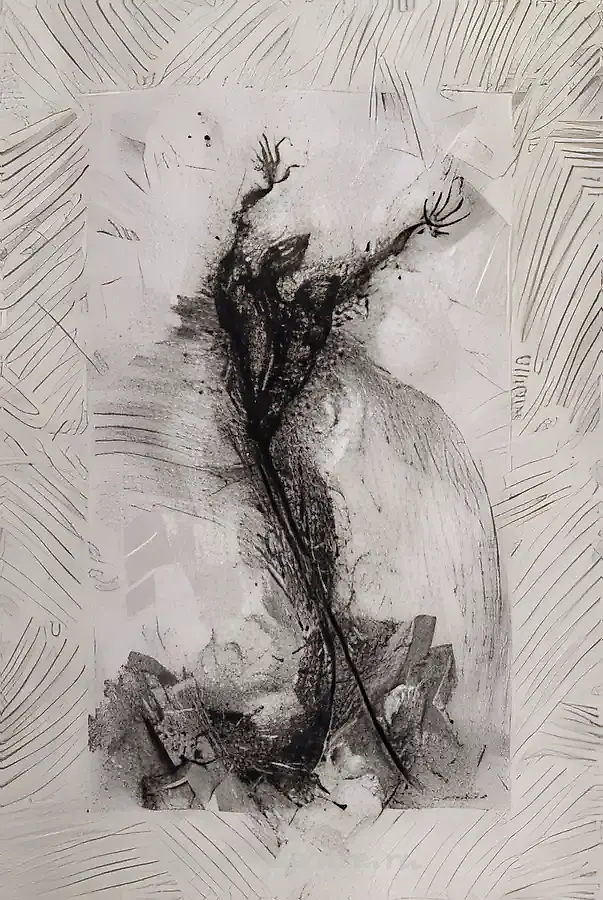
“Art is a sign of the hovering mind, and the artist is its conductor.” I was born in the mountains of Dagestan, in the village of Kobosida, on June 15, 1942. Since childhood I was close to the sky, experienced the grandeur and power of the mountains and nature, saw the free flight of the eagle, and learned what it means to be one with nature. Family culture, the relationship between father and mother, and their sincerity and naturalness greatly shaped me as an artistic person. Being the ninth son, growing up with my siblings taught me to live with others and be part of society. The beauty of my homeland fueled my desire to create; since school I knew I was an artist. I moved to Moscow for my art education. Going from a highland village to the big, bohemian, international city was a great shift and exposed me to a different world. After graduating from the Stroganov School, I began professional work as an artist, often in studios located in basements. Many people from different walks of life would visit, especially creative people – artists, poets, performers, musicians – and my life became full of passion and contradictions, very different from the tranquil mountain village, which shaped my style and uniqueness. The merger of two cultures, two ways of life, and understanding two religions expanded and enriched my artistic language. The main theme of my art became people and their relationship with the world, nature, and the cosmos. The interpenetration of two cultures determined the form and content of my works. The Islamic ban on depictions gave me love for ornamentation and abstraction, and the European understanding of art for philosophical interpretation. I work in various genres, including design, though my favorites are painting and graphics. In graphics, I use many techniques, with ink, pen, and autolithography being my favorites. In lithographs, the synthesis of two cultures is most apparent, both in form and content. Ornamental form and philosophical content are characteristic of my works. I developed a sign system for my art reflecting my understanding of life, its philosophy, complexity of love and evil, optimism and nihilism. In painting, I use broad brushstrokes and glazing techniques with detailed painting, allowing me to express my visions more precisely. Synthesis of styles—surrealism, abstractionism, hyperrealism, expressionism, realism—run through my art, giving me freedom, drawing on mythology, parables, historical events, and visions. I am concerned by many themes, including war. The laws of humanity oscillate between morality and immorality, and we have not learned to avoid bloodshed. Therefore, the aggressive part of my art is directed against war and dictatorship (“Gorgon-XX”, “Divorce”, “History-XX”...). Another topic that interests me is Woman. I realized women are a different planet compared to men, to the point I seek a more beautiful word for them (“Rose”, “Salome”, “Erinia”, “Penza”, “Judith”). At last, the main question in my fate and art is, what is Art and who is the Artist? I believe that regardless of genre and type, ART and the ARTIST are the emotional-spiritual part of society. I feel great happiness being an artist. I love people and the planet, the microcosm and the cosmos...
Critic
Dibir Izrailov is a painter of poetic metaphor, commanding not only color but light. In his autolithographs "Dagestan", "City", "Nest", "Dance", and others, the light element dominates, thanks to skillful composition that achieves rhythmic or even musical unity of lines and spots. I think abstract and non-concrete depiction is Izrailov’s forte. His native Dagestan is a real place, not an abstraction, and yet something in the boundless mountain space resists over-detailing and literalism, inspiring flights of artistic imagination. V. Meiland, 20.02.1997. Gazali-Dibir Izrailov is a new star of the Caucasus, illuminating art with his unique yet nationally-philosophical worldview. Each of his paintings is a prayer and song, love and hate—but hate directed only at evil, human imperfection, ignorance, and despair. Each artwork is not only a painting, but a philosophical treatise, born from experiencing his own unique world, people, homeland, and humanity. R.G. Abdulatipov, State Duma member, Doctor of Philosophy, Academician. The art of Gazali-Dibir Izrailov can be likened to cosmic music, the music of the universe. Like myriads of stars, his works are diverse and countless, yet together they form a single living organism. In an era of sensational art, Gazali-Dibir has preserved the purity and noble purpose of art as healer... Olga Guryanova, sculptor.
Bibliography
B. Butayev, “Designer from Kobosida Village,” Dagestan Truth newspaper, May 26, 1977, p.3; “About the studio of artist Izrailov,” Evening Moscow newspaper, 6.03.1976; “Young Artists Travel: Dibir Izrailov,” Traveler's Wind almanac, 1979, pp. 3-4; Yu. Dyuzhenko, “Young Ones Exhibit,” Moscow Artist newspaper, 13.05.1983; I. Shevarakova, “The Happiness of Creativity,” Moscow Artist newspaper, 9.12.1983; L. Chistyakova, “Exhibition Displayed,” Labour Glory newspaper, 15.12.1983; A. Kulagin, “About Our Friends the Artists,” Moscow Artist newspaper, 13.01.1984; D-G. Dibir, “Dagestanis in Moscow,” Red Banner newspaper, 25.06.1987; M. Shamkhalov, “Mountain Village,” Road to Light newspaper, 25.06.1987; D-G. Dibir, “Artist from Kobosida,” Red Banner newspaper, 25.12.1986; M. Aidunbekov, “The House We Live In,” Dagestan Truth weekly, 25.08.1990, p.11; M-R. Gamzatov, “Dagestani Painting at Taganka,” New Business weekly; B. Tokbolatova, “We Are All Part of Each Other,” Trade Union Tribune No.8, 28.2.1992, p.8; M. Matskevich, “Black Sun of Gazali-Dibir,” Echo Caucasus magazine, No.3, 1994; Yu. Bychkova, “Moscow Highlander,” Arguments and Facts newspaper, 17.04.1996, p.13; Yu. Arsenina, “Whiter Than White,” Podmoskovye News, 9.04.1996, p.7; O. Guryanova, “Under the Aegis of the Highland Congress,” Dagestan Truth, 15.05.1996, p.3; U. Umakhanov, “Whiter Than White,” Istina newspaper, 27.08.1996, pp.1,4,5; A. Magomedov, “Art is the Sign of the Hovering Mind,” Dagestan Truth newspaper, 12.10.1996, p.4; E. Litovchenko, “Aesthetics of Eroticism,” Evening Moscow newspaper, 15.12.1996, p.8; V. Khan-Magomedova, “Art is Contact with the Universe,” New Caucasus newspaper, No.3/11, 1996, p.7; MTK, “Together” section, “Artist G-D Izrailov,” 1995; RTR (on the opening of the personal exhibition), 11.04.1996; 2x2, “A Bit of Everything,” “CHA, artist Izrailov,” April 1996; “Vesti,” “On the Exhibition,” 12.04.1996; 2x2, “Art” section, April 1996; RTR “Morning Express,” 19 February 1997; RTR “Morning Express,” 1997; Radio “Russia,” Channel 111, “Evenings on Kachalov Street,” “About Artist G-D Izrailov,” 24.05.1992; Radio “Mayak,” “Artist G-D Izrailov,” 11.04.1996.
Works 19