
Oleg Dzyubenko
Born on May 3, 1964, graduated from the Latvian Academy of Arts in 1991. Since 2001, he has been teaching at the Latvian Academy of Arts.
Works in collections
Hertzev Gallery. Moscow.
Exhibitions and auctions
Selected group exhibitions: 1989–1992 – Annual exhibitions SPRING and AUTUMN. Riga, Latvia; 1990–1995 – Exhibitions of Latvian artists, Reginahaus, Munich, Germany; 1992 – MUSIC IN ART. Salzburg, Austria; 1992 – ART OF THE FORMER USSR. Central House of Artists, Moscow, Russia; 1993 – International exhibition, Expo Center, Moscow, Russia; 1993 – Latvian painting, Hertzev Gallery, Central House of Artists, Moscow, Russia; 1993 – ART–MYTH. Manezh, Moscow, Russia; 1993 – Drawing exhibition. Gallery 'Stalla', Riga, Latvia; 1993 – ART + INTERIOR. Tallinn, Estonia; 1993–1995 – Annual drawing exhibitions. 'Jan Set' Gallery, Riga, Latvia; 1996–1999 – Project 'Reality Index'. Hertzev Gallery, Moscow, Russia; 1997–2002 – From the collection of Hertzev Gallery, Central House of Artists, Moscow, Russia; 1998 – ART–SALON'98, Central House of Artists, Moscow, Russia; 1997–2002 – From the collection of Hertzev Gallery, Moscow, Russia; 1999–2002 – From the collection of Hertzev Gallery, Atlanta, USA. Solo exhibitions: 1996 – Hertzev Gallery, Moscow, Russia; 1998 – ART–SALON’98. Manezh, Moscow, Russia; 1999 – Hertzev Gallery, Moscow, Russia; 2003 – Hertzev Gallery, Moscow, Russia.
Critic
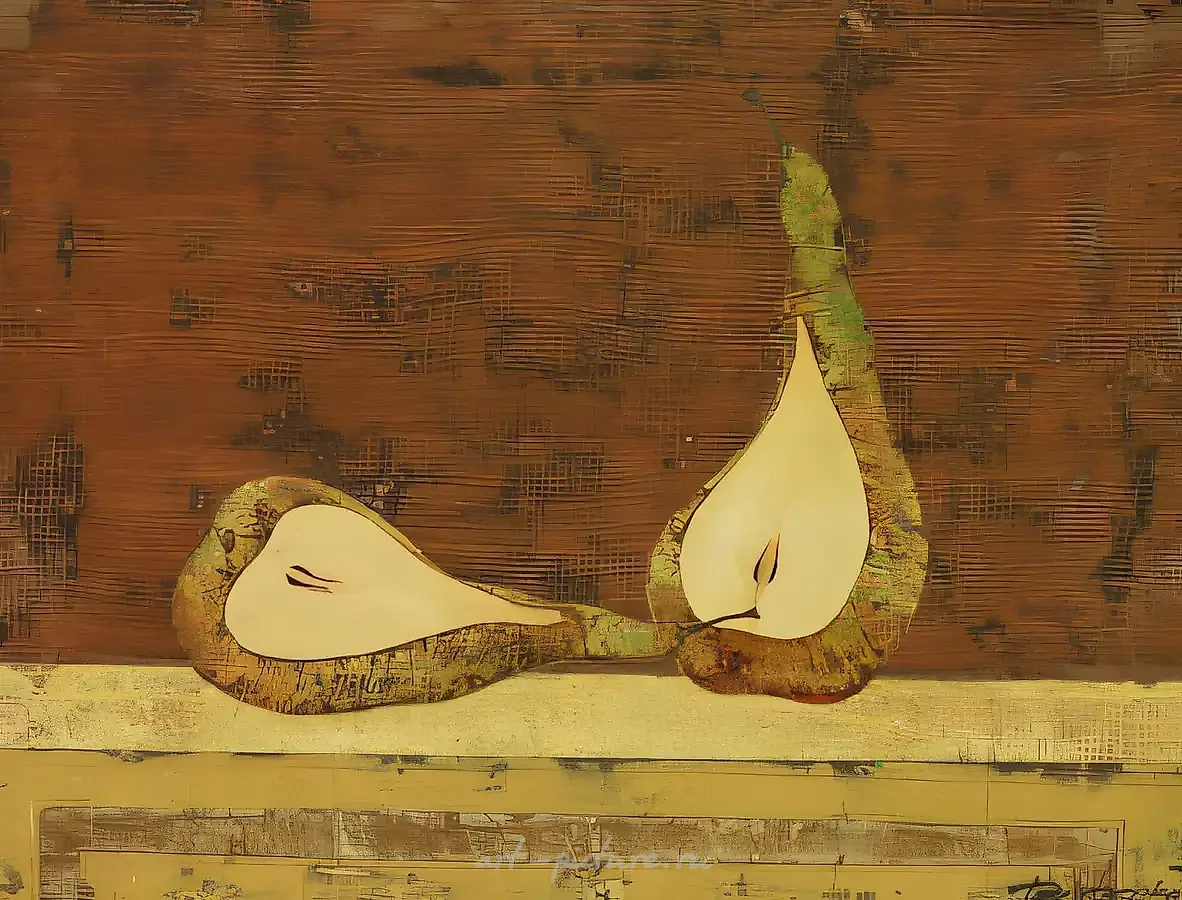
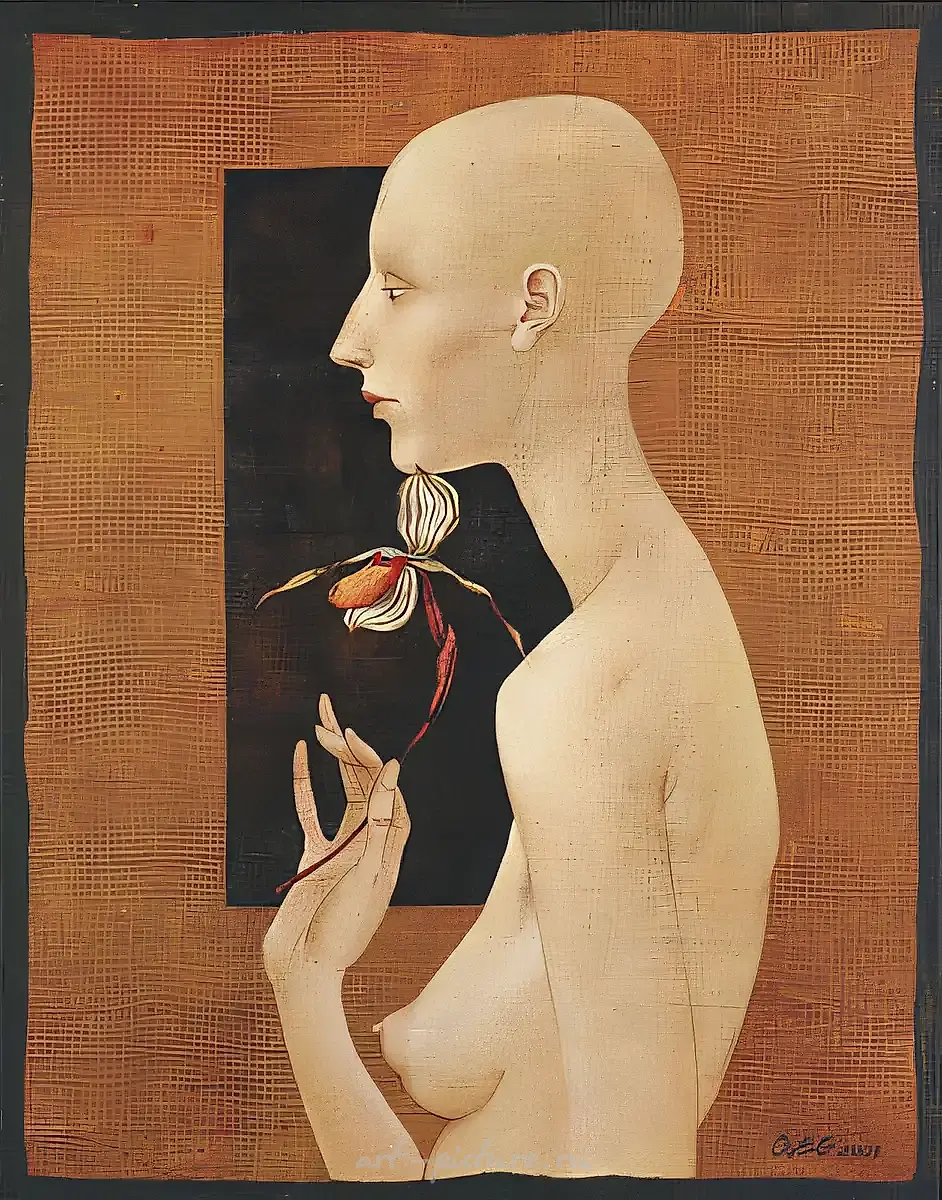
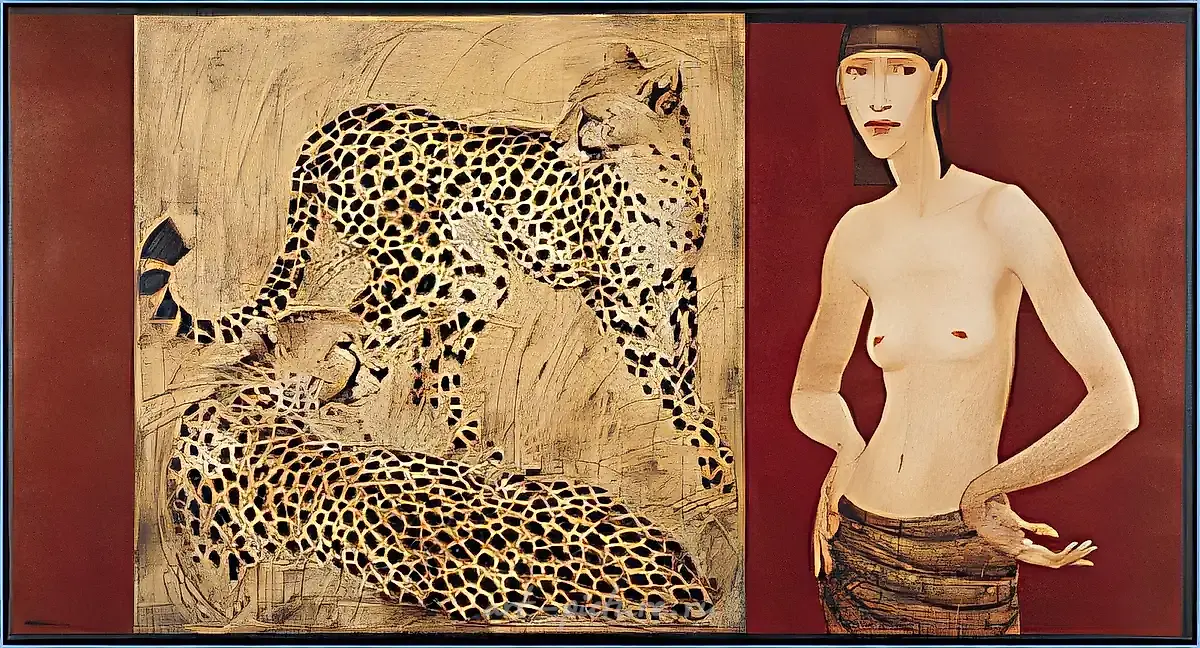
Not chaos, but order—quite natural for a creator of colossal, almost mystical talent and immense creative self-discipline. For Oleg Dzyubenko, who describes his art as 'the existence of a bull during the corrida', the split between 'rest' and 'action', between the personal and the symbolic, is as clear and distinct as the line between 'gold on black' and 'black on gold', as the line between meticulously, Dzyubenko-like rendered reality and blind, dark unreality. The vivid, tangible roughness of objects has already lost its 'objectness', motifs have turned into motivations. Objects have closed within the higher meaning of being, while people, on the contrary, have lost the meaning of existence, and so now seek it in the carnival 'Italianized' subculture of 'masks', or in the aesthetic, haughty coldness of a 'return to the past'—in subtle, sarcastic eschatology or in mocking pseudo-Renaissance. It is no longer an inward closure that creates a sense of mystery, that attracts and compels one to agonize over its solution, but rather a solution that strikes the nerves and is more mysterious than the mystery itself. Nana Eristavi.