Umnov Viktor Ivanovich
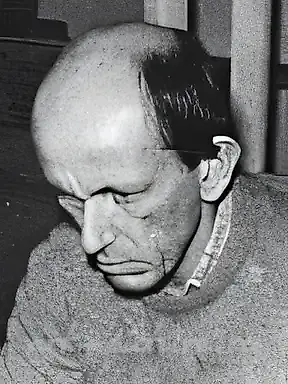
Born in 1931.
Graduated from the Moscow Power Engineering Institute in 1955.
Studied at an art studio from 1954-1957,
practiced painting and graphics individually under the guidance of artist M.P. Klyachko.
Has participated in exhibitions since 1962.
Works in collections
Works are held in the State Tretyakov Gallery in Moscow,
The Collection of the Ministry of Culture of Russia,
The A.M. Gorky Literary Museum in Moscow,
Museums in Yaroslavl, Yekaterinburg, Tyumen, Vologda, Arkhangelsk,
The Collection of the Commission of European Communities in Strasbourg,
The "Art-Modern" gallery in Moscow,
Private collections in the USA, UK, France, Italy, Germany, Switzerland, and Spain.
Exhibitions and auctions
1988 In Memory of Malevich. Kashirka Exhibition Hall. Moscow;
1988 Art and Reality. House of Artists. Moscow;
1988 Labyrinth. Youth Palace. Moscow;
1988 Avant-garde Graphics Exhibition. Central House of Artists. Moscow;
1989 Graphics Exhibition. Trieste. Italy;
1989 Self-Portrait. Central House of Artists. Moscow;
1989 New Reality. Ravenna, Bologna. Italy;
1990 Art Modern Gallery Exhibition. Istanbul;
1990 Other Art 1956-1976. State Tretyakov Gallery. Moscow;
1990 Exhibition of 14 Artists. House of Artists. Moscow;
1990 Calligraphy. Joint Soviet-American Exhibition. Central House of Artists. Moscow;
1991 Search for Abstraction. Moscow;
1991 Contemporary Artists to Malevich. State Tretyakov Gallery. Moscow;
1991 Calligraphy. New York. USA;
1991 Other Art. State Russian Museum. Moscow;
1991 Drawing - 91. Central House of Artists. Moscow;
1991 In Memory of Kandinsky. Moscow;
1992 Graphics Exhibition. Erfurt. Germany;
1993 Solo Exhibition. "Moscow Collection" Gallery. Moscow;
1993 Exhibition at the "Kostaki Center". Toronto. Canada;
1994 Contemporary Graphics of Russia. Central House of Artists. Moscow;
1994 Exhibition of 7 Artists. "A-3" Gallery. Moscow;
1994 New Perspective. Exhibition of Moscow Artists. House of Artists. Moscow.
1995 "A-1, A-2, A-3". "A-3" Gallery, Moscow
1996 "Russian Collection". "M'ARS" Gallery, Moscow
"Kaliningrad – Königsberg", 4th International Biennale of Easel Graphics. Kaliningrad Art Gallery, Kaliningrad
1997 "World of the Collector. Contemporary View" (from the collection of E.M. Nutovich). Museum of Private Collections, Moscow
"Surrealism Serving the Revolution. New Documents". "A-3" Gallery, Moscow
"Russian Constructivist Roots: Present Concerns". The Art Gallery, University of Maryland, USA
Author about himself
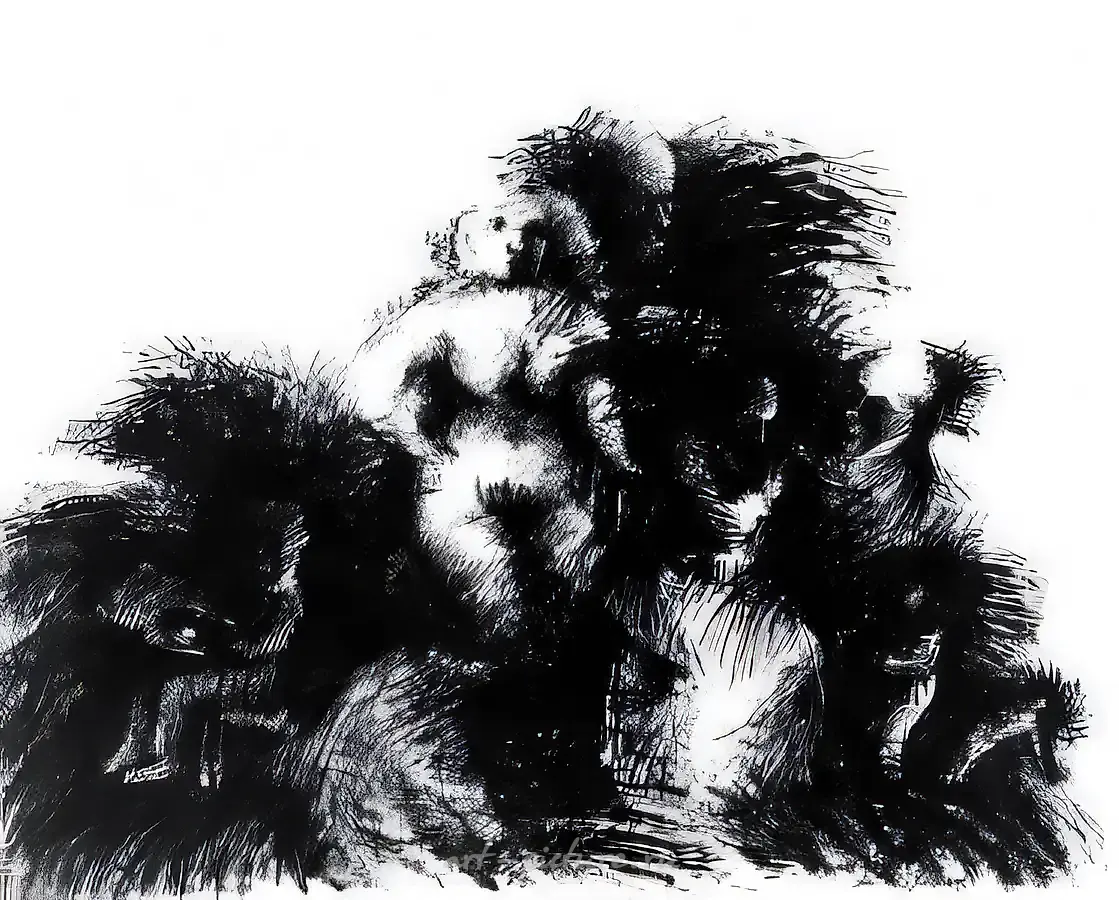
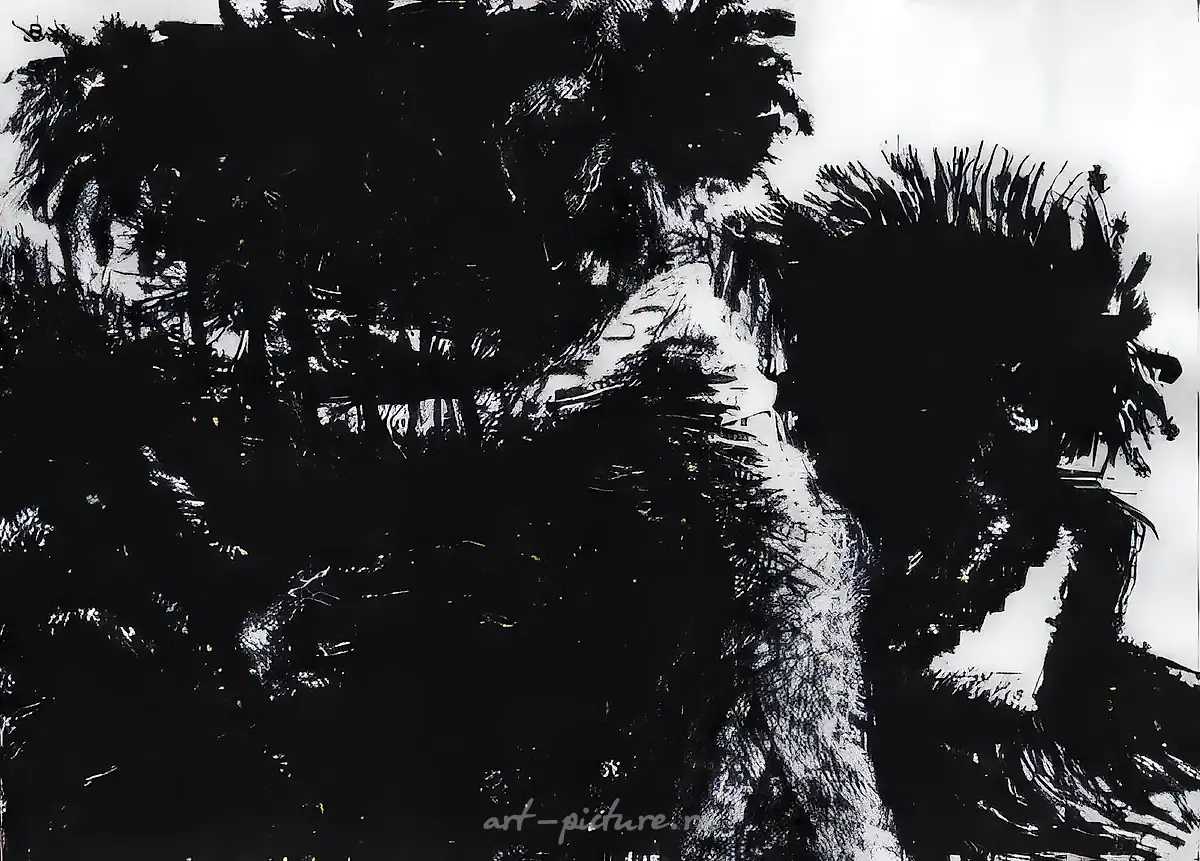
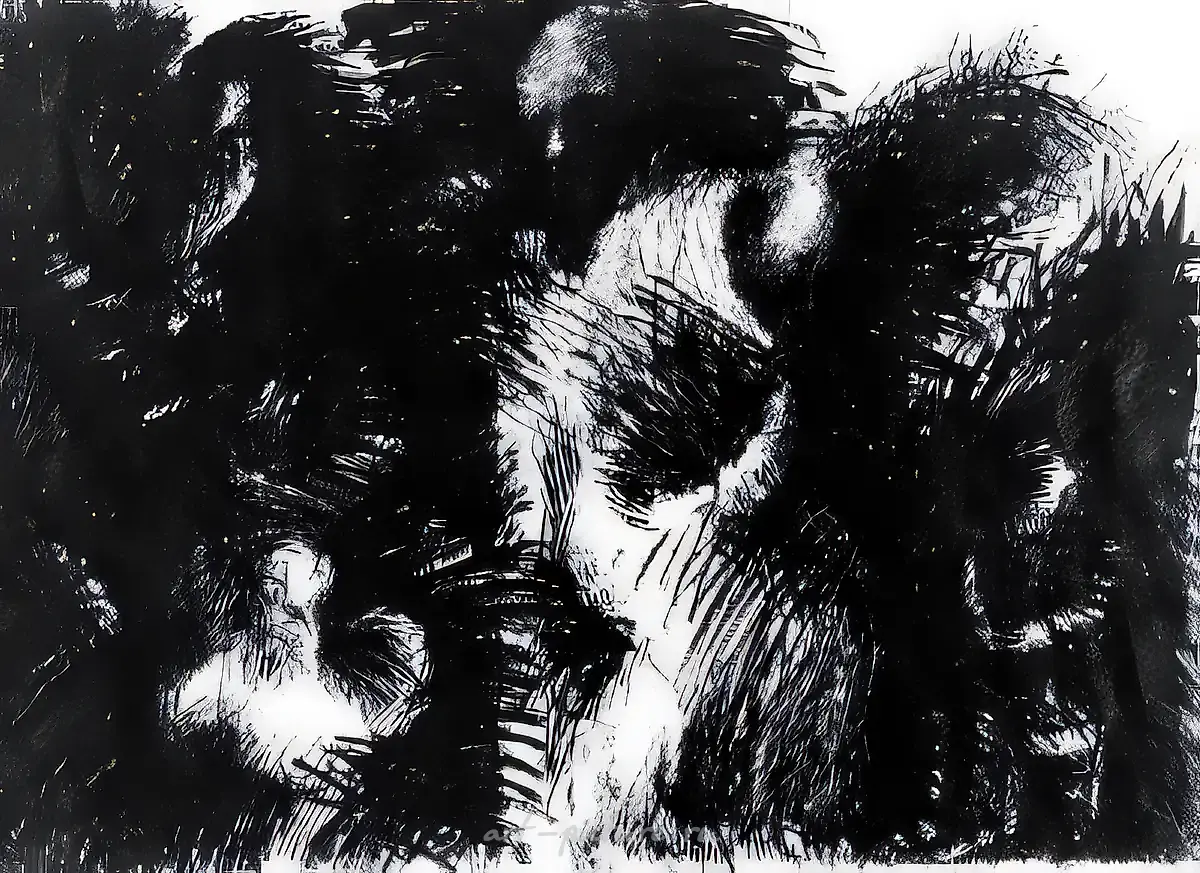
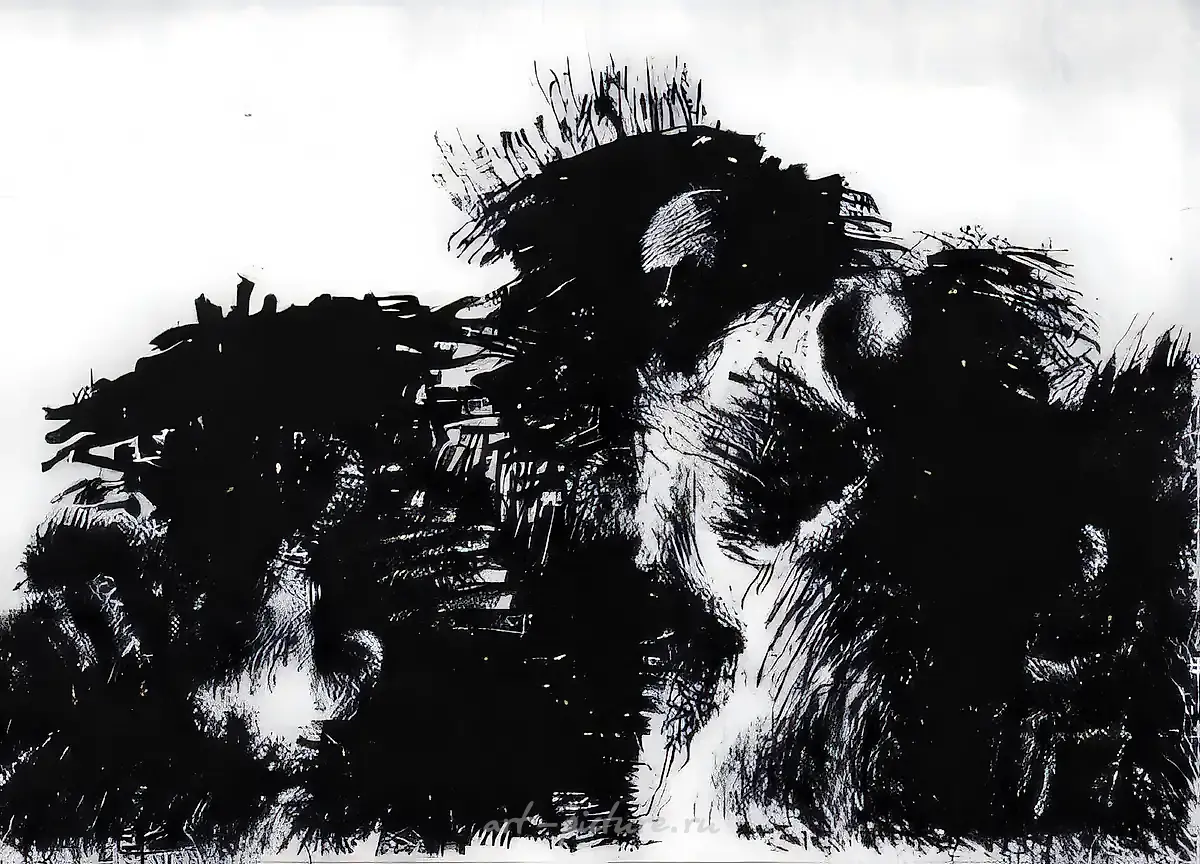
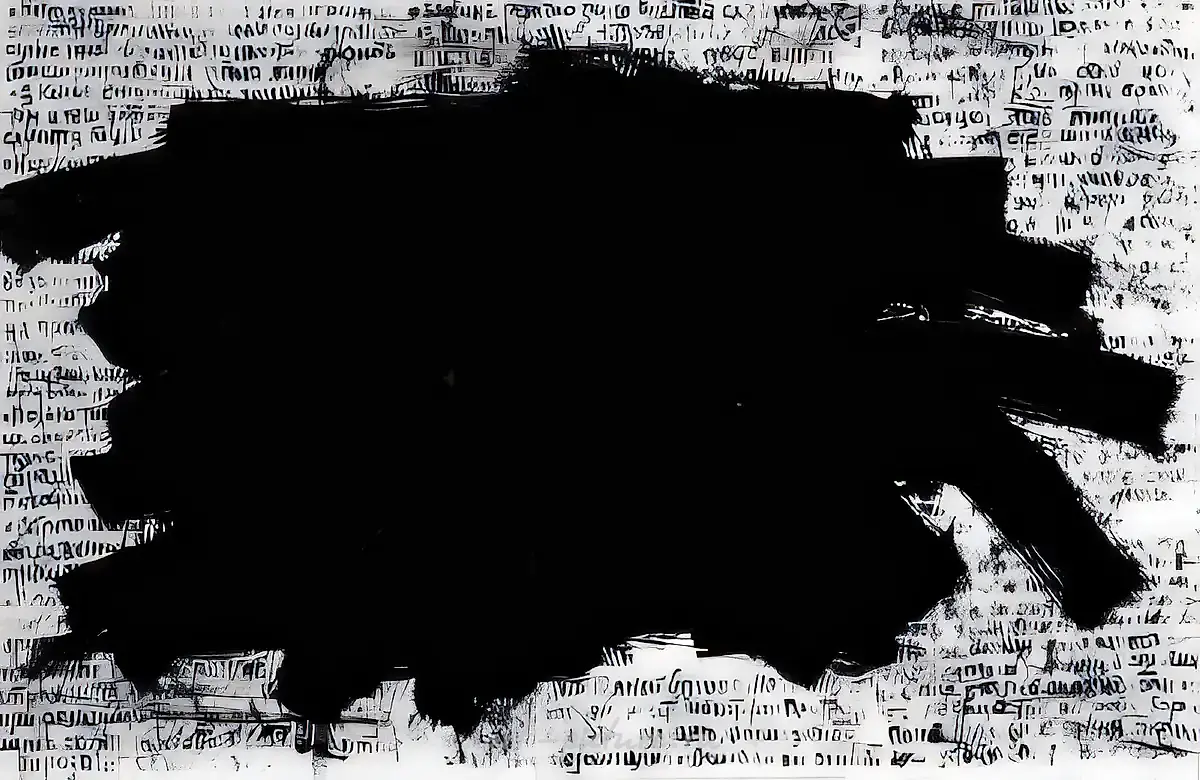
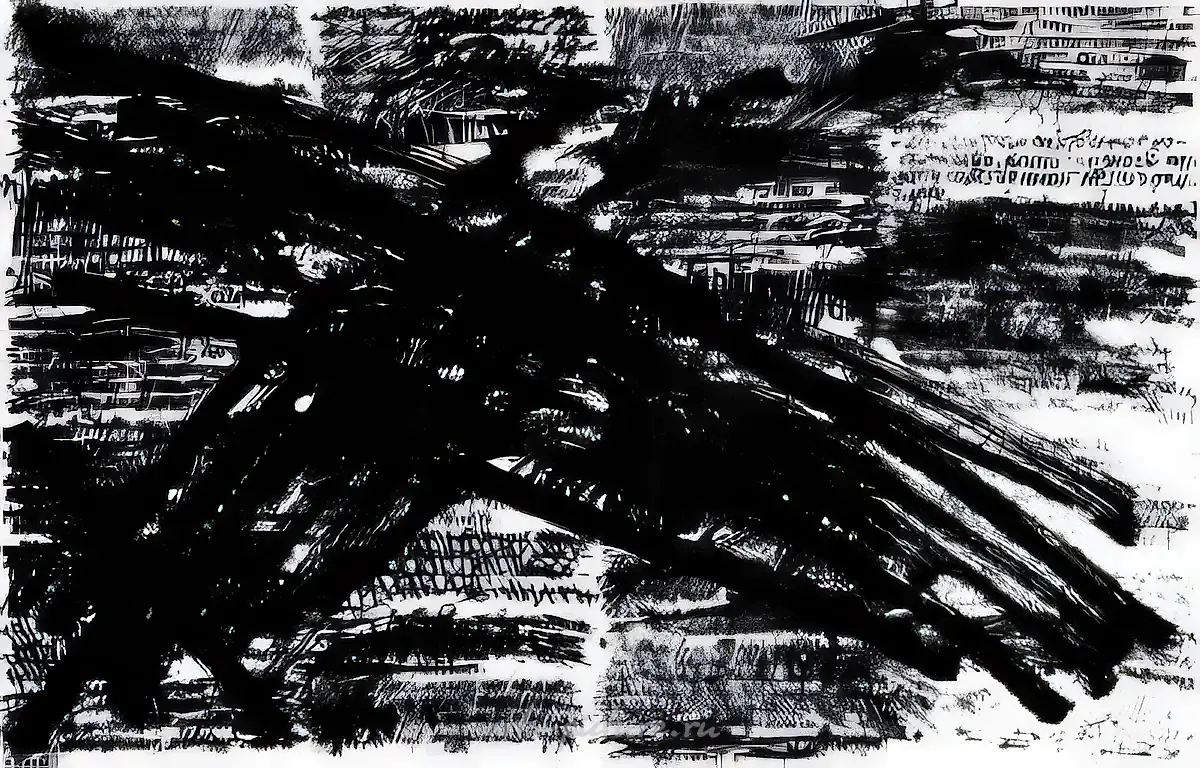
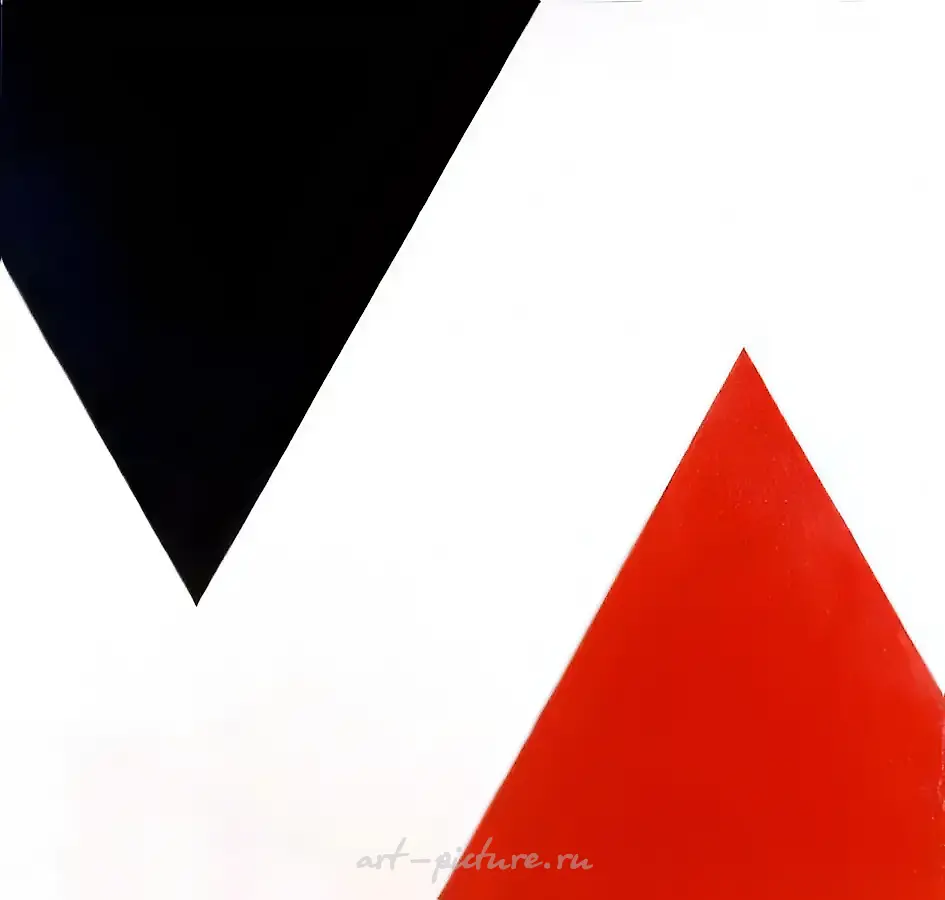
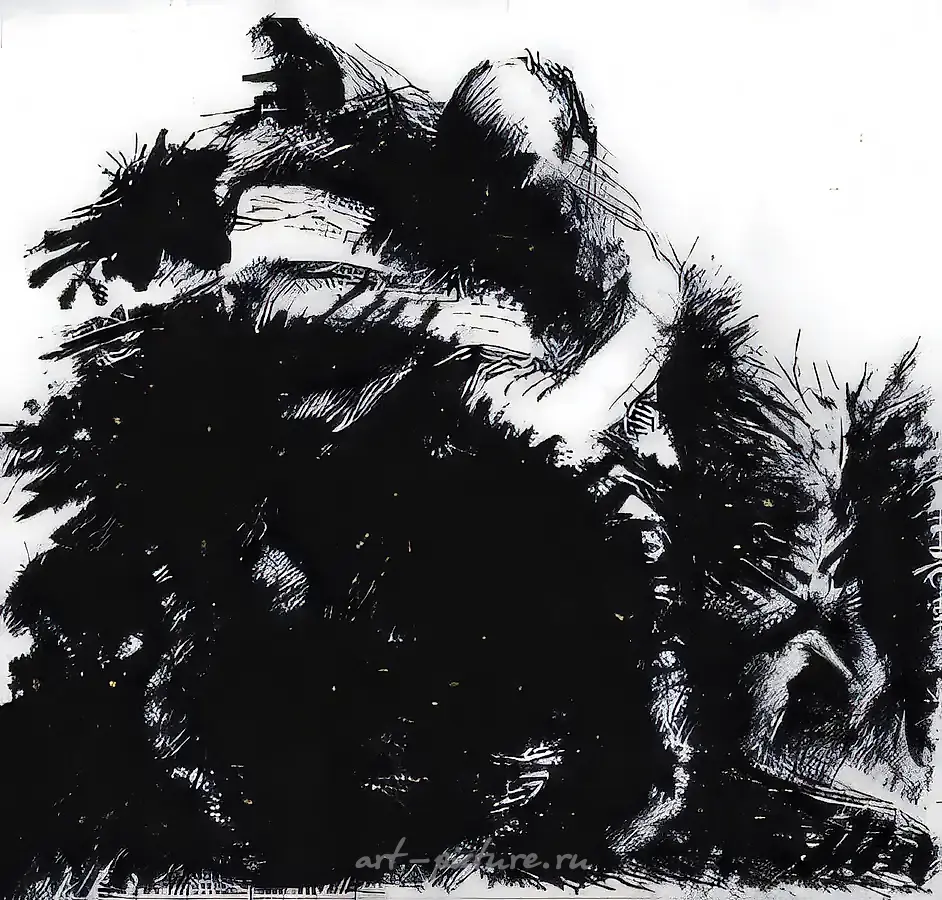
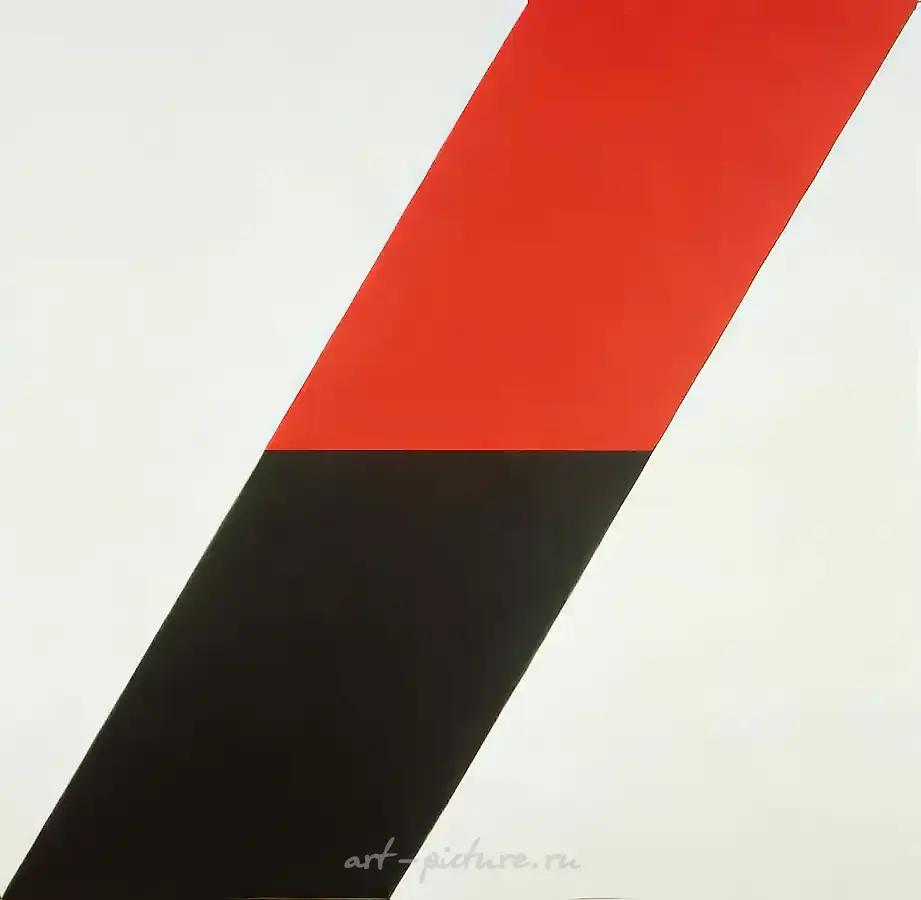
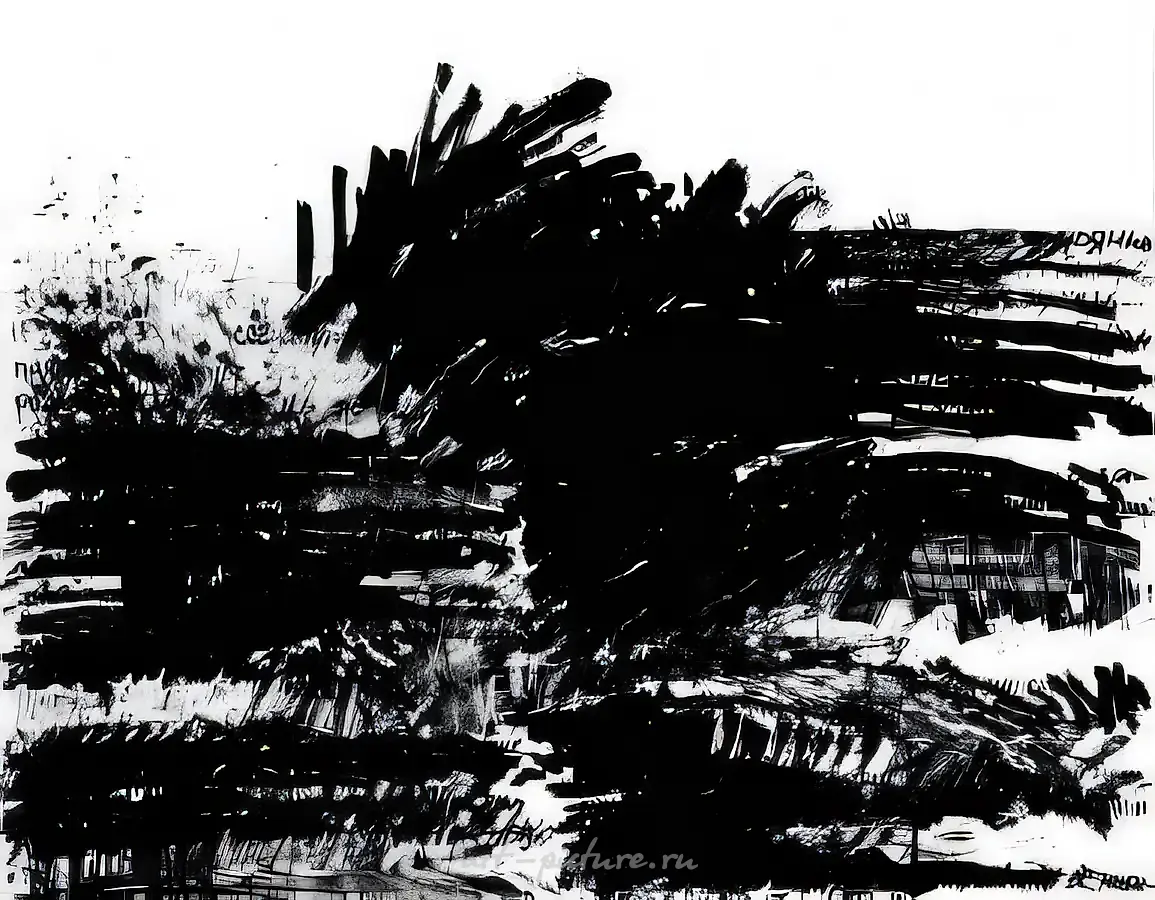
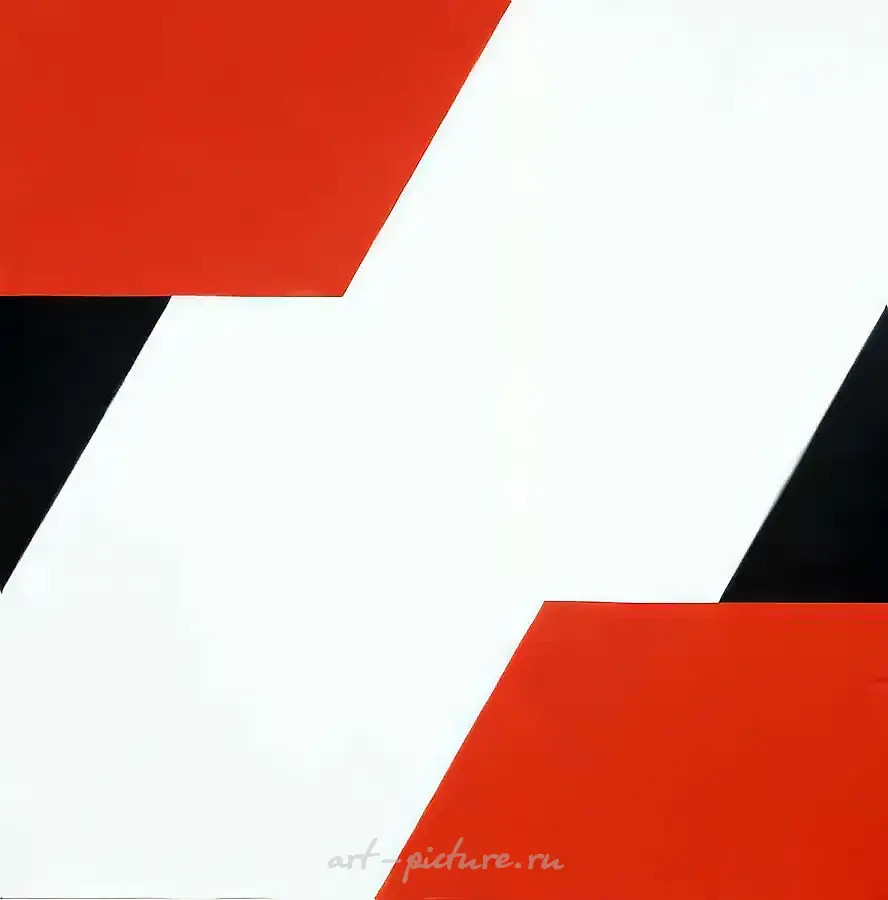
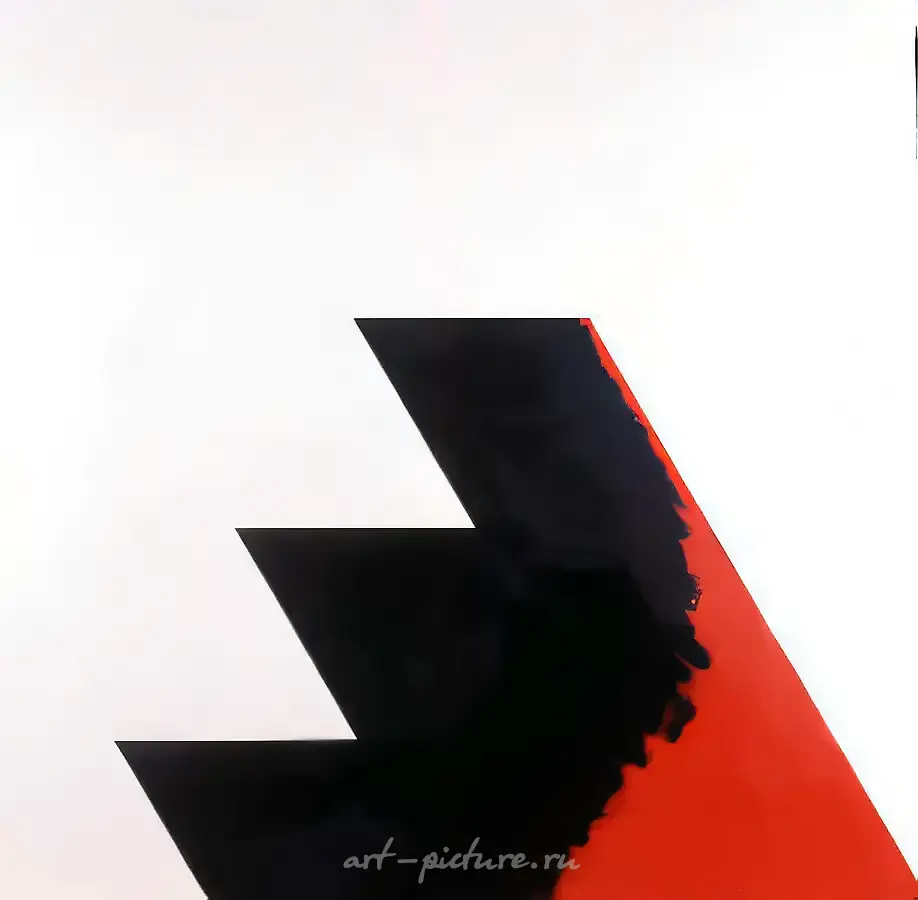
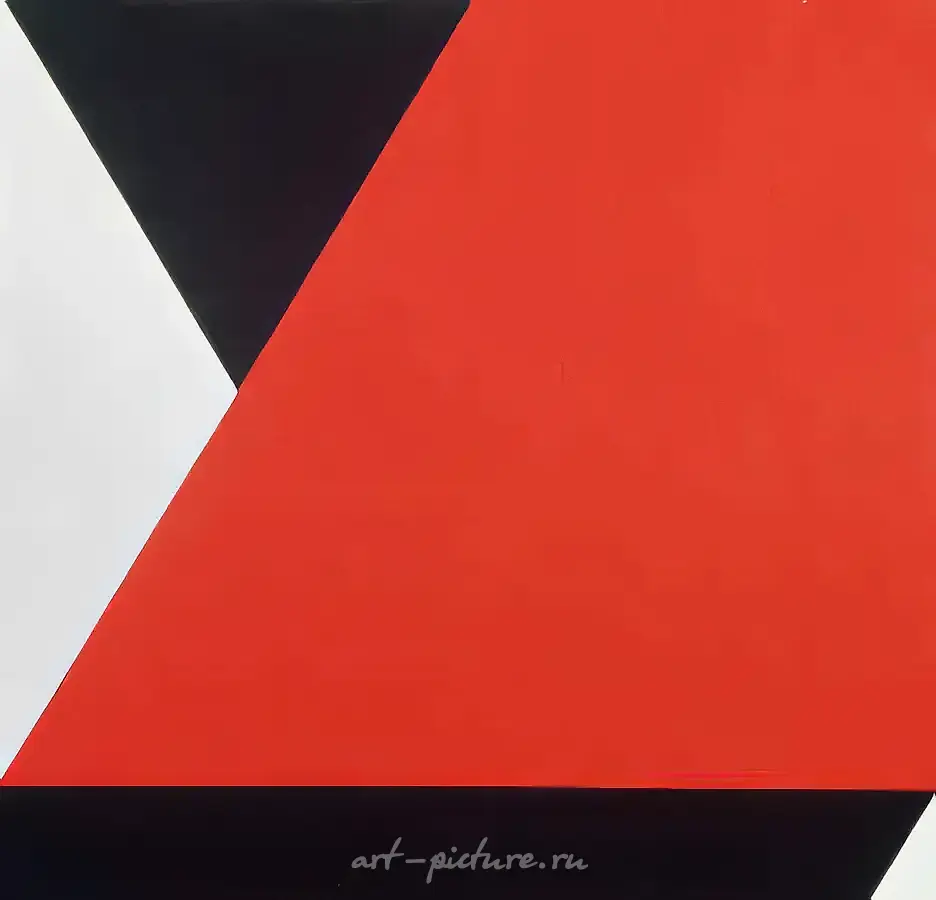
Until 1983, I worked on figurative painting and graphics in an expressive manner. By this time, I had written a book of aphorisms, which served as an impulse to create a series of abstract paintings of a symbolic nature. The realization of the significance of symbols of opposing principles (rational and irrational, masculine and feminine, etc.) in form and color formed the basis of my pictorial constructs, which are plastic equivalents of initially verbal constructions. Additionally, in works that go beyond the symbolic method, I continue, out of a fondness for combining the incompatible and a need to use the word in plastic art, which, in the process of interaction, is sometimes emphasized and dominates, sometimes partially preserved, or disappears altogether.
Critic
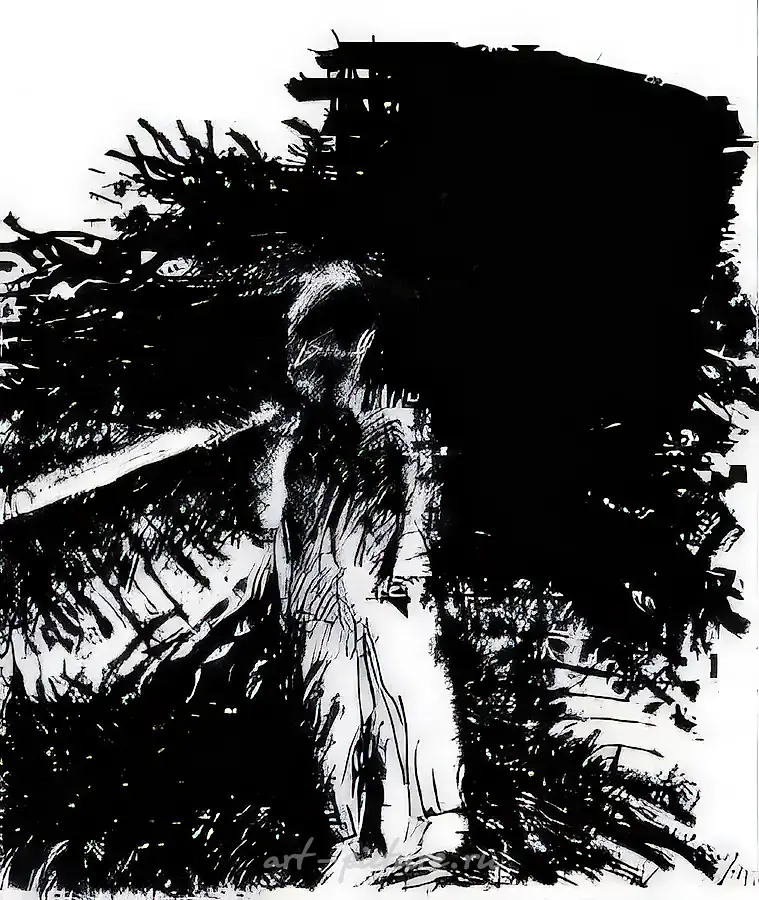
When verbal text appears in the sequence of visual art, the viewer inevitably experiences a particular psychological tension, since, on the one hand, text is undoubtedly an expression of meaning, and on the other hand, it is questionable as a visual element. The intellectual core of such art becomes the exploration of the 'threshold of informativeness' of various modes of utterance. As a result of the conflict between the visual and the verbal in plastic art, as in a battlefield, either a 'ban on the word' or a ban on imagery remains. As if following such a suddenly perceived ban, a few years ago Viktor Umnov, a graphic artist with a sharp and unconventional vision, suddenly moved from expressively dramatic drawings to minimalist abstractions, from sensual fullness to analytical asceticism. In painting, this analytical pathos was embodied in its purest form and in full compliance with the author's desire to explore the sacred aspects of the semantics of geometric forms, the laws of their existence in a vast cosmogonic system, in a series of oppositions such as 'masculine – feminine', 'rational – irrational', etc. In addition, the artist's philosophical reflections began to be directly incorporated into large graphic compositions, which dramatically intensified the imagery of these works. The content dramaturgy of these sheets is built as if on the struggle of speech with silence. The clash of 'the spoken' and 'the expressed' creates within the sheets an active field—a field of interaction between two modes of speech, which, collectively and in their struggle, still proclaim a single truth. This truth, above all, is dialectical—as dialectical and dual as the world, of which this art is a strange and indirect projection. In fact, it is not only graphics anymore. It is also philosophy.
G. Yelshevskaya
Bibliography
Yearbook 'Soviet Graphics', No. 7, 1983;
Peshler E.A. 'Ateliers de Moscow Dessins contemporains', ed. E. Navarra, Paris, 1989;
Journal 'Art', No. 1, 1990;
'New Album of Graphics', Moscow, Soviet Artist Publishing, 1991;
Catalogue-study 'Other Art', Moscow, 1991;
Newspaper 'Moscow Artist', January 18, 1991;
Newspaper 'Izvestia', February 22, 1992;
Album 'The Art of Drawing', Moscow, Soviet Artist Publishing, 1989.
Works 14