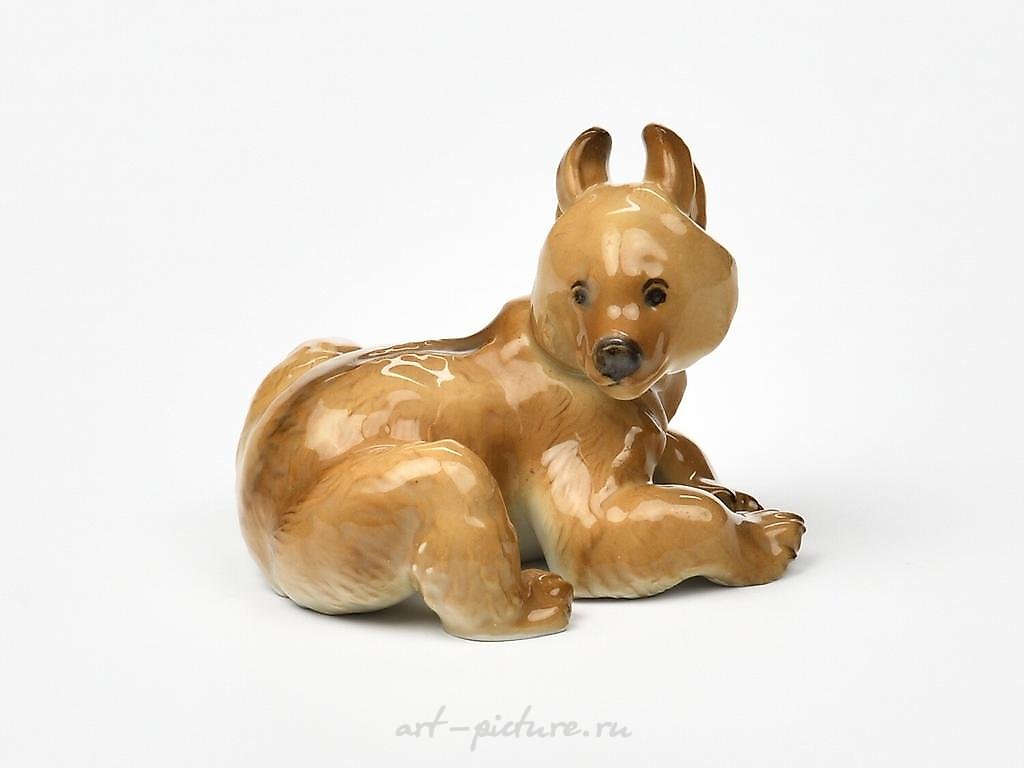
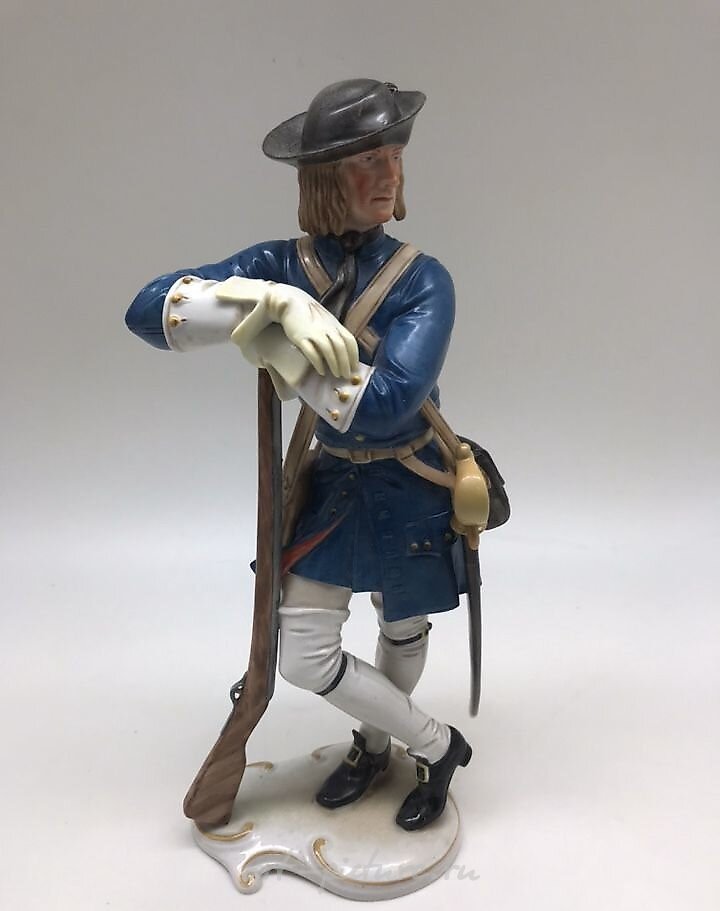
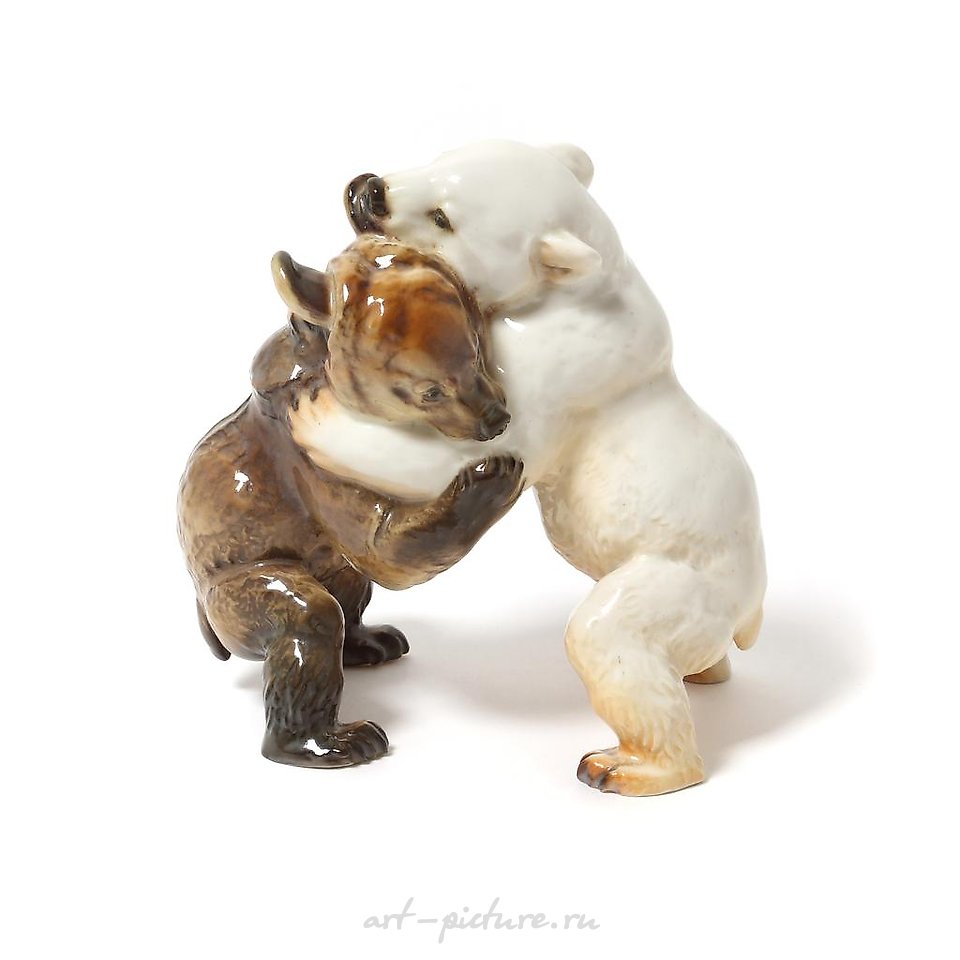
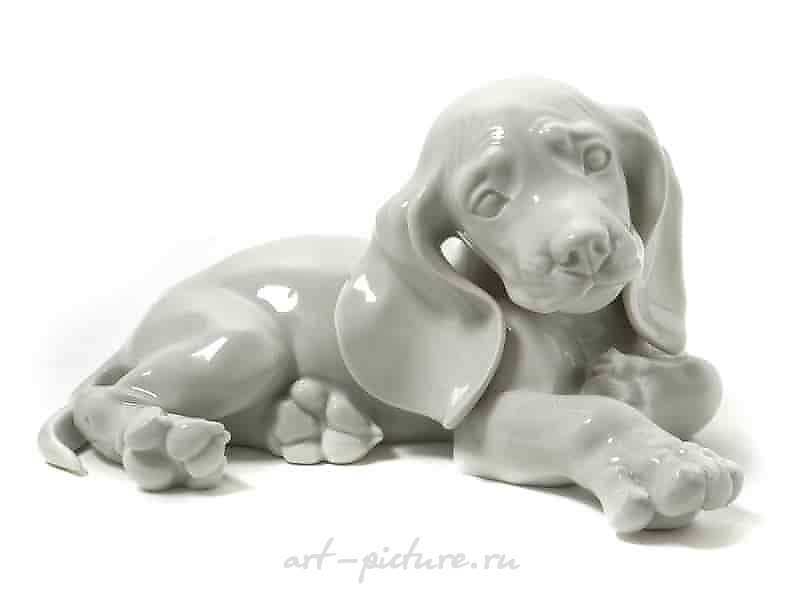
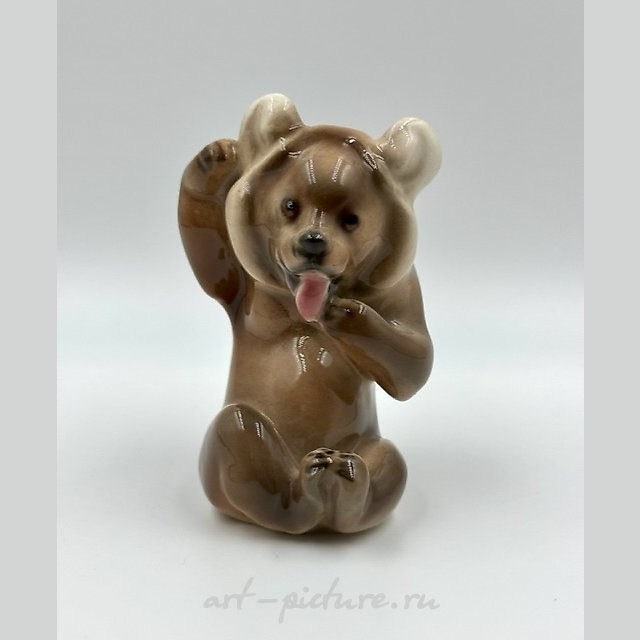
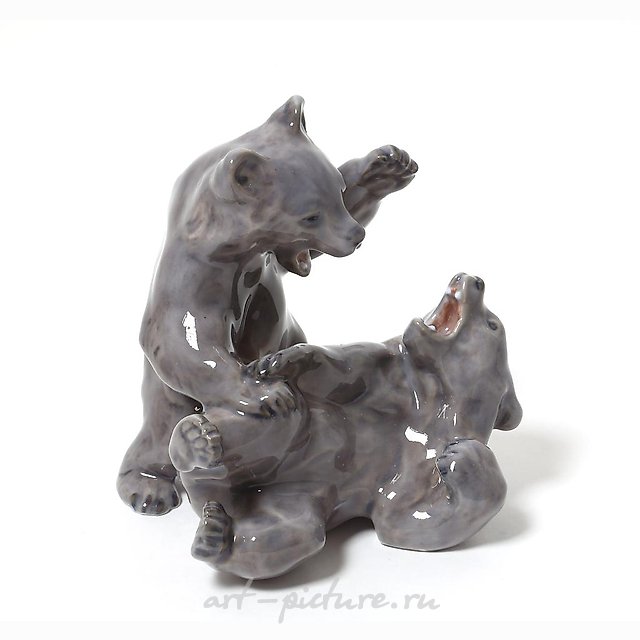
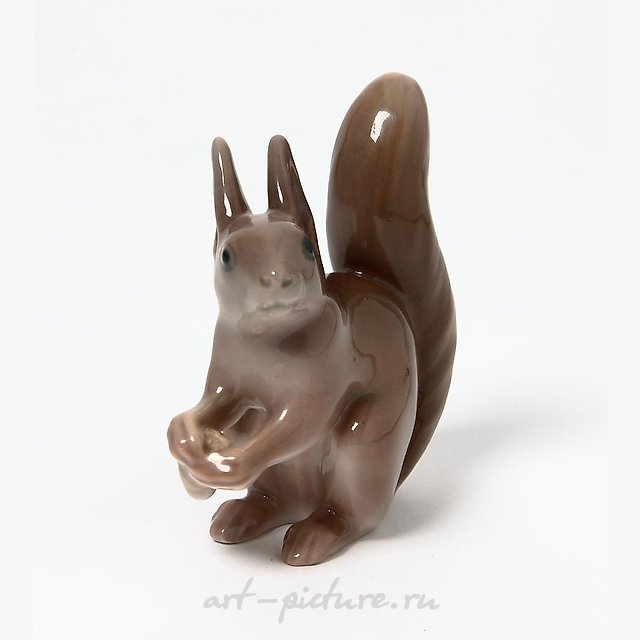
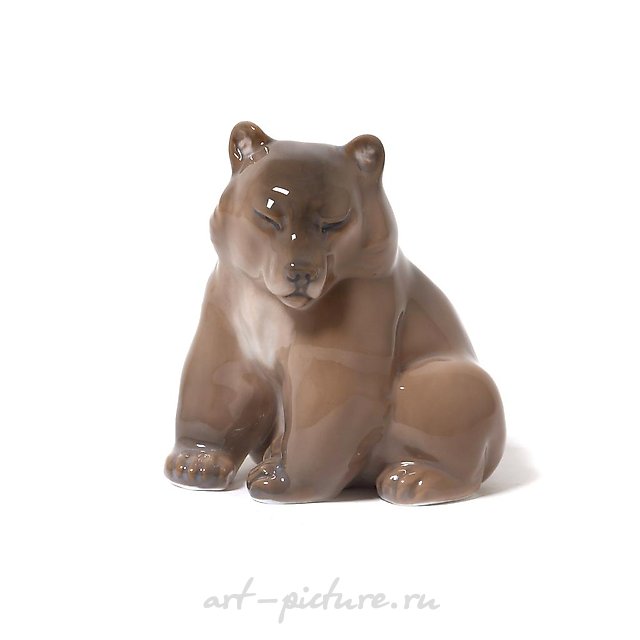
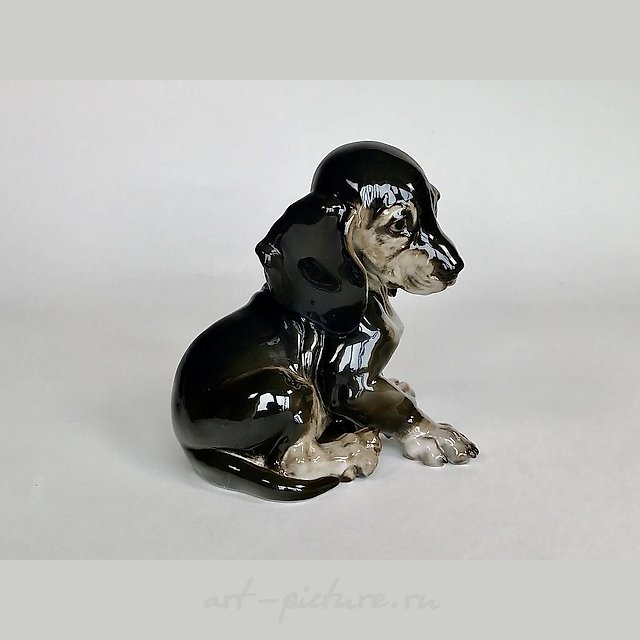
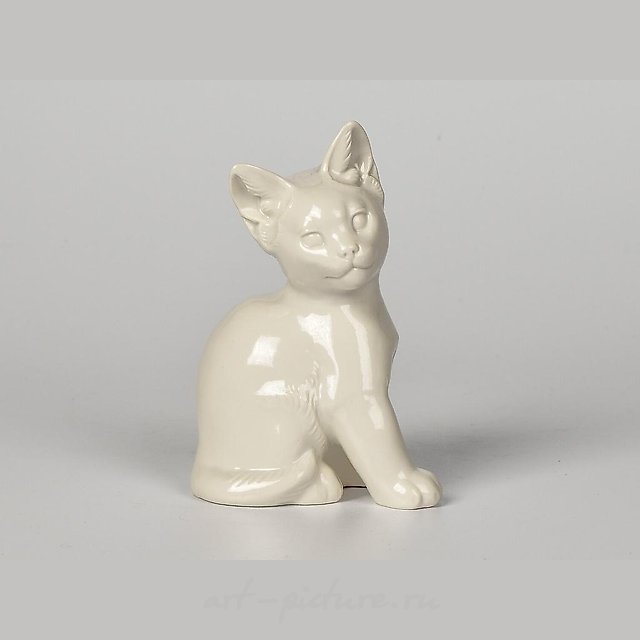
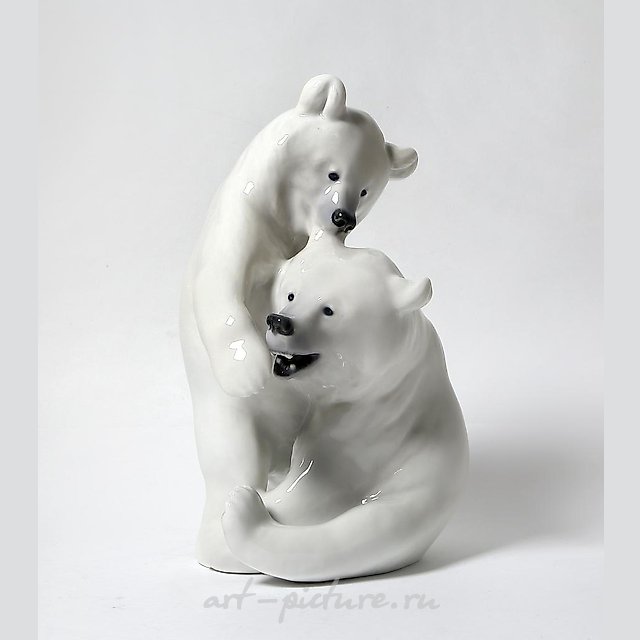
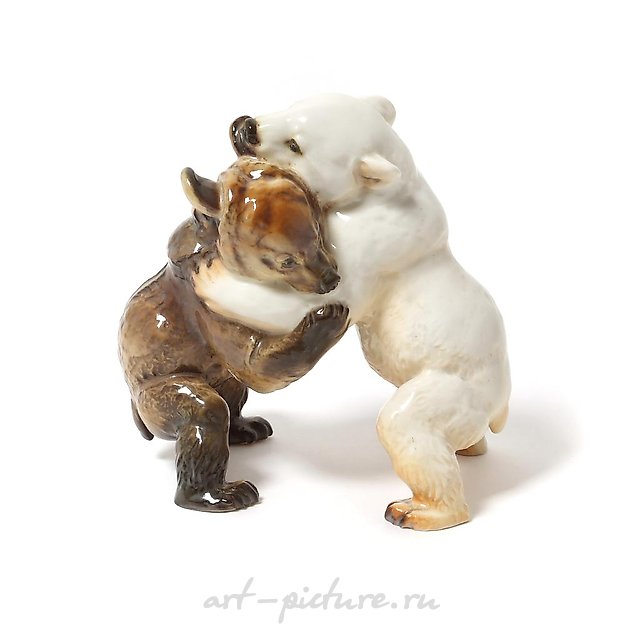
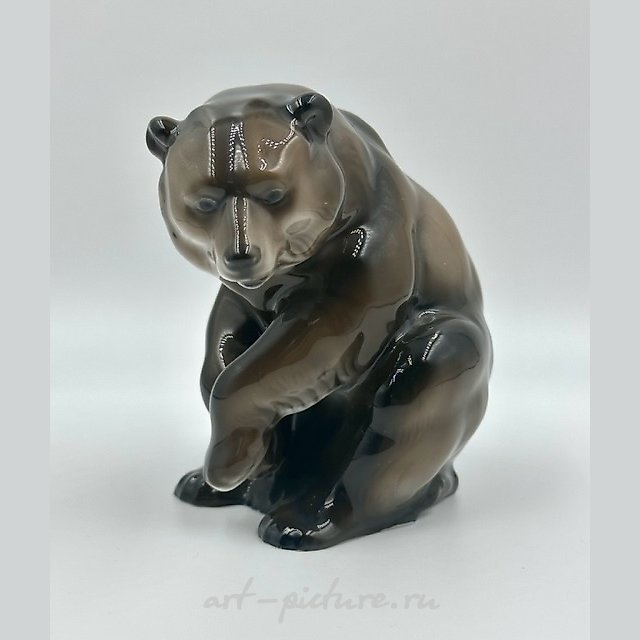
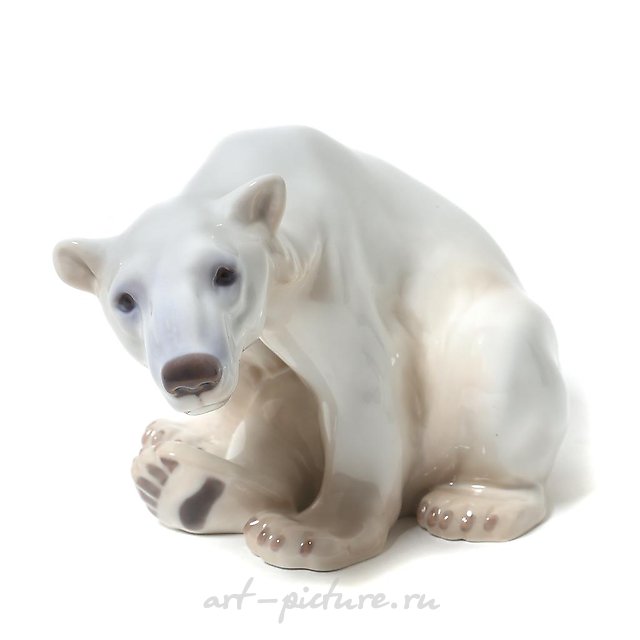
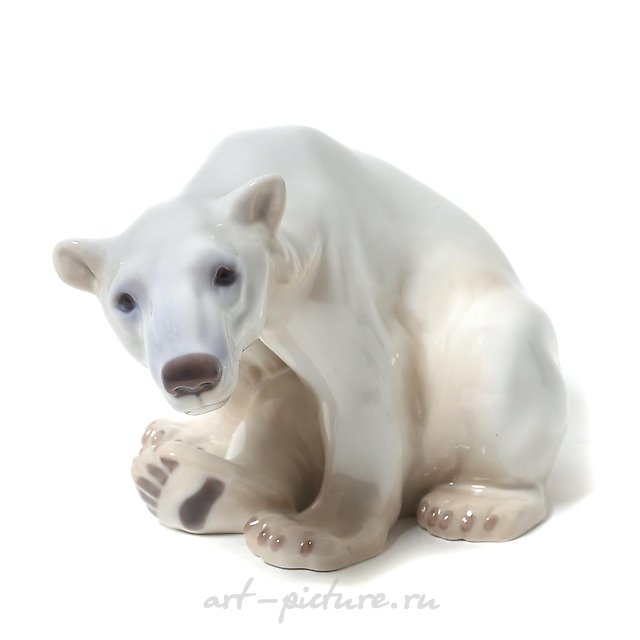
Figurine "Lying Bear" Allach No. 8 Germany Porcelain figurine "Lying Bear" Allach, Germany, 1936-1944 Manufacturer's mark, sculptor's signature Sculptor - Teodor Kärner (1884-1966) Model number - 8, production began in 1936 Color figurines released in 1938 - 113 pieces, in 1939 - 14 pieces Height - 6 cm, length - 8 cm
Please check the payment methods with the seller when making a purchase
Delivery by agreement
Check the delivery methods with the seller when making a purchase
Approximate prices in Russia
от 180 ₽
от 180 ₽
от 180 ₽
The porzelan porzakin manufaktur
Description
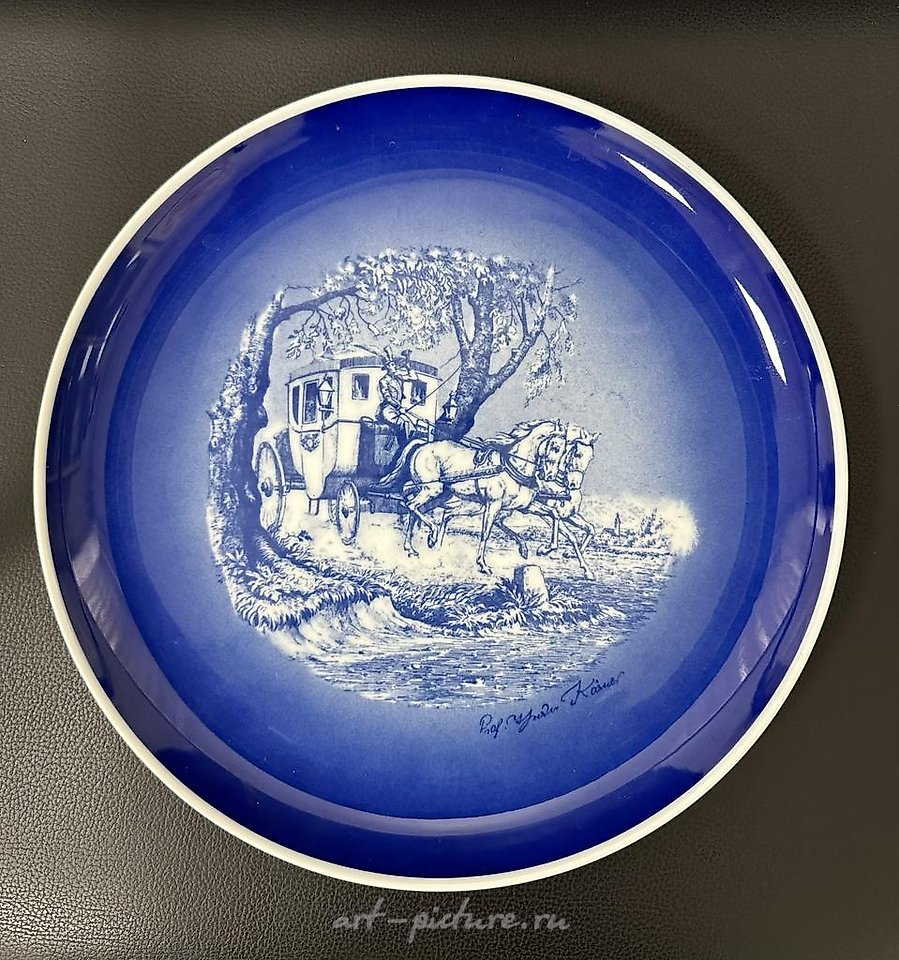
Historical reference & nbsp; at the opening of the Allach factory in Berlin on Leipzigstrasse on April 13, 1, 1939, Professor & Nbsp; Carl Dibich & Nbsp; (Carl Diebitsch) words that later became prophetic: Factory of artistic porcelain Allach / Porzellan Manufaktur Allach - existed in Germany between 1935 and 1945.After the first year of the work, the company was under the jurisdiction of the SS using the forced labor of the prisoners of the Dachau concentration camp. “Not a single people live longer than the monuments of its culture.These words of the Fuhrer are a cultural motto for us.We well understand that everything that we do will be carefully investigated by those who come after us.And we do not want the subsequent generations to appreciate our work poorly. ” Master of ceramics Franz Nadi owned land in the suburbs of Munich - Allach, on which the Allach plant was created since 1925. In early 1935, he created a small porcelain factory. The official date of the base of Allach GmbH with the authorized capital of 45,000 Reichsmarks - January 3, 1936.The founders were Franz Nagy as the head of the enterprise, Theodor Kurner as a sculptor, Karl Dibich as a painter and Bruno Galke as a trading agent.The unofficial owner of the factory was Henry Himmler.First of all, the factory was focused on the production of decorative and artistic porcelain, including special orders from the Reichsfuhrer himself, who dreamed of “raising” and develop a new German artistic taste.The factory also carried out a more massive production of home ceramics and the organization of a special section of dishes. April 1, 1939 at the opening of the Allach factory in Berlin, on Leipzigstrasse 13, Professor Karl Dibich said words that later became prophetic: “People exists while people exists while aliveevidence of his culture.These words of the Fuhrer are a cultural motto for us.We well understand that everything that we do will be carefully investigated by those who come after us.And we do not want subsequent generations to appreciate our work poorly. ” The total turnover of the factory in 1941 was 560,000 Reichsmarks, & Nbsp;In 1942 - 850,000 Reichsmarks, and by 1943 it totaled 706 & nbsp; 000 Reichsmarks.More than half of the porcelain products of the highest quality and who were of the greatest value, was supplied to the personal department of the state of the SS Reichsführer, authorized to use them for propaganda, while others went on sale. & Nbsp; “Ideological porcelain” was addressed to high -ranking SS and police officials, as well as especially distinguished ordinary membersSS organizations.Selected works intended for the highest persons were approved personally by Himmler. & Nbsp; individual products existed in exclusive & nbsp;performance, & nbsp;as, for example, the prize plate of police competitions in 1937. & nbsp; Yolpestic plates (Yolfest & Nbsp; - the winter solstice that was supposed to replace Christmas), the candlestick & nbsp;and the so -called “luminaires of life.” & nbsp; And at the birth of the fourth and each subsequent child, the SS family was awarded the so -called & nbsp;The “Light of Life” with Facsimile Himmler and the signature: “In the endless chain you are one link.To you, your parents, your children, your family. ”The candlesticks were performed in the form of ceramic cones with runic ornaments. & Nbsp; The corporate sign of the manufactory was an image of two SS runes, one of which seemed to stand over the other. & Nbsp;
Additional articles
The figurine "Reclining Bear" Allach No. 8 Germany
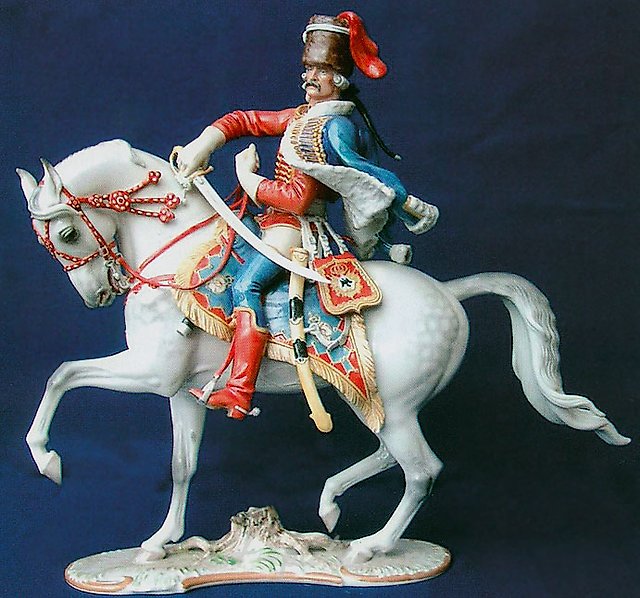
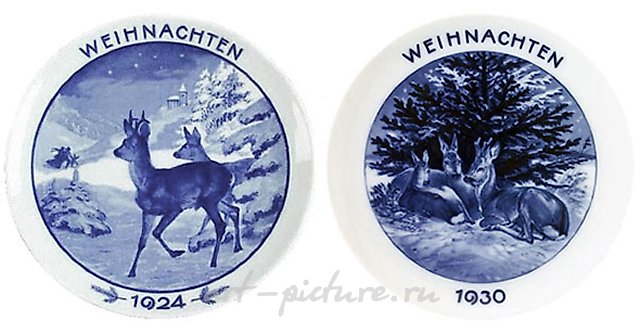
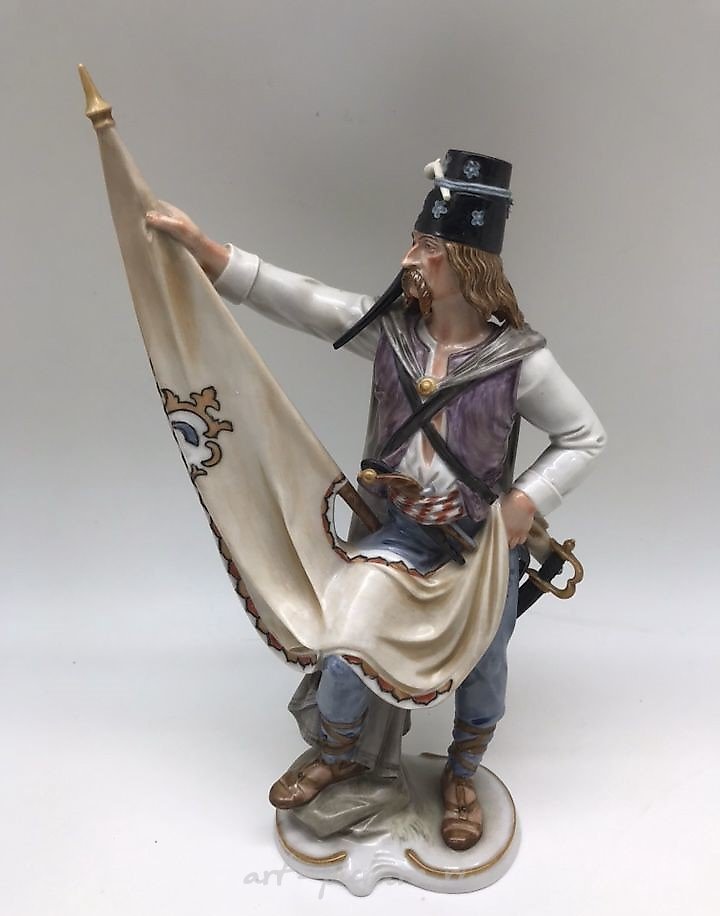
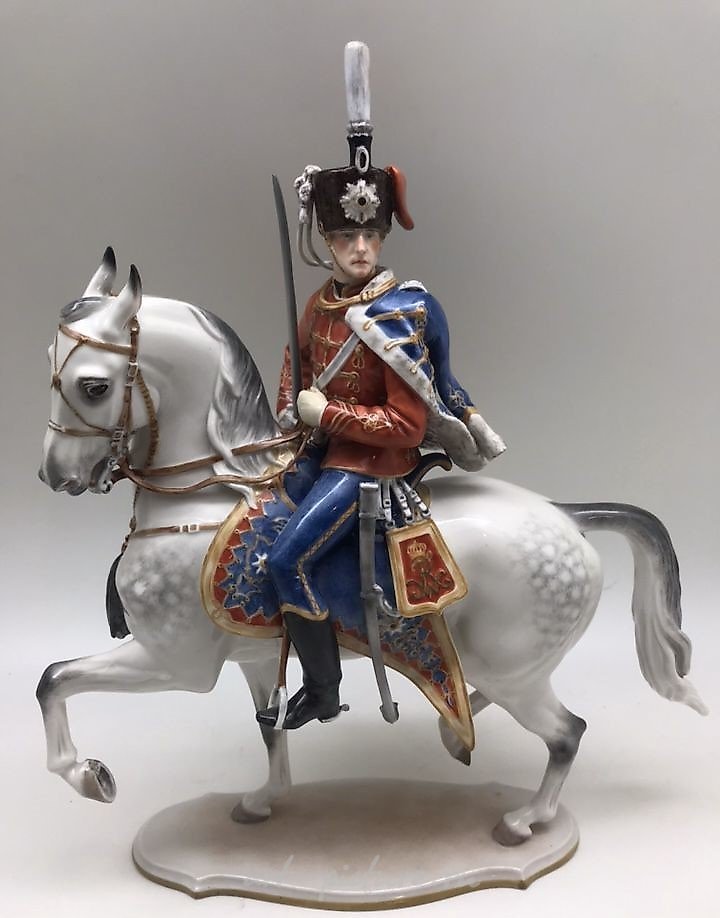
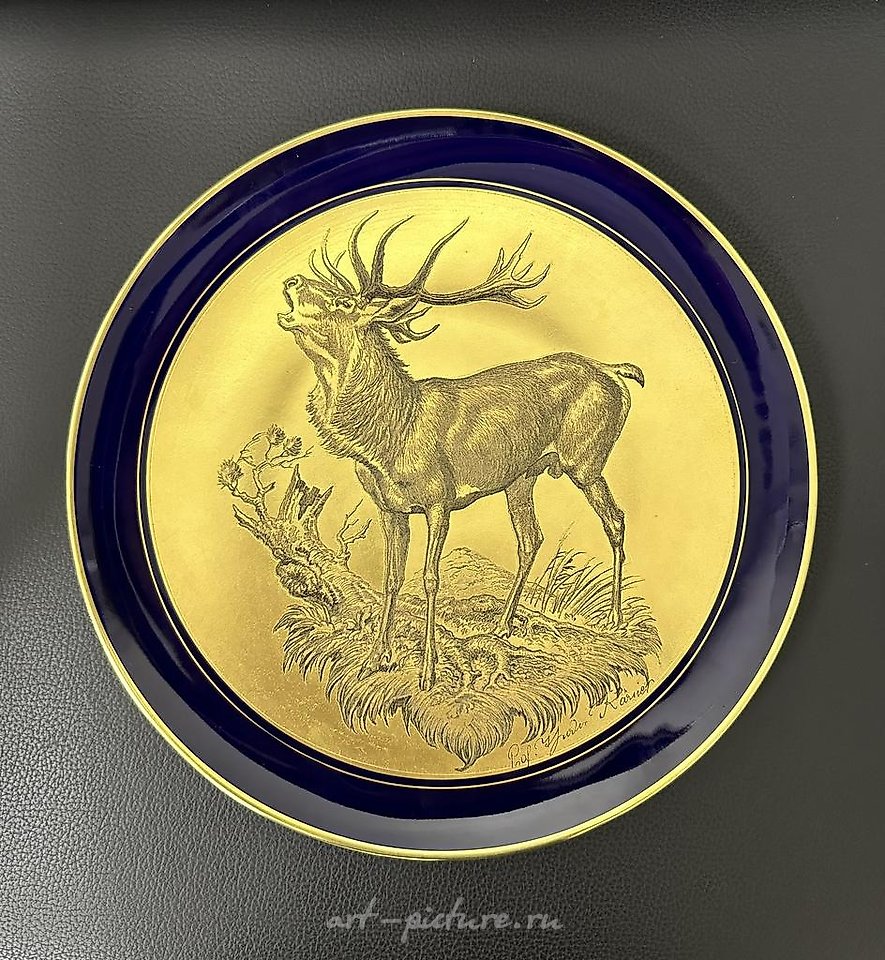
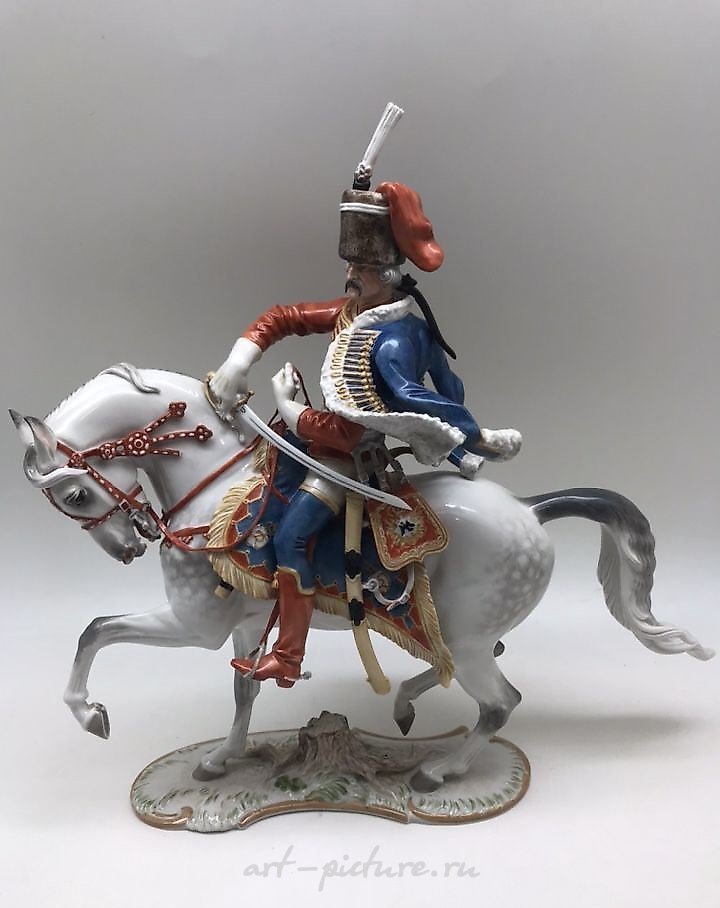
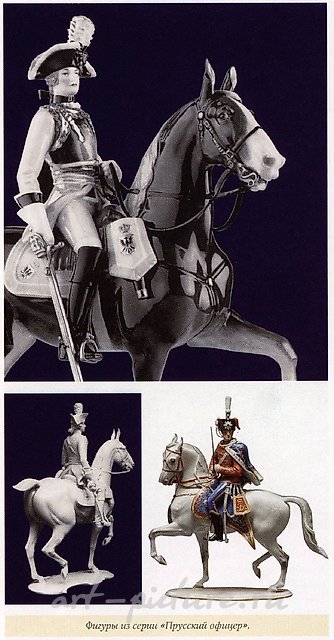
Allach Porcelain ManufactoryWhen the National Socialists came to power in Germany in 1933, they began promoting a new ideology. Strict regulation and strong control over every aspect of life led to the creation of a strikingly structured society, reflected not only in monumental art but especially in decorative and everyday objects.A hallmark of all totalitarian systems is the desire not just to forge their own official art, but also to penetrate every area of private life. For example, every married couple was required to purchase "Mein Kampf" when registering their marriage and to hang a portrait of the Führer in their home.Everyday objects also became powerful tools for manipulating the masses. Even household items were made to serve the new ideological order. The choice of themes, forms, motifs, and decorating methods for ordinary items had to reflect notions of the German people's greatness, the military and civic might of the young Nazi state, and its bond with ancient Rome.The most vivid imprint of the new regime’s ideology can be seen in its system of symbols: the swastika (an ancient solar symbol of the infinite), the eagle (companions of Zeus/Jupiter, and an imperial symbol), the cross (standing for the four cardinal points, elements, life and power), the oak leaves (suggesting vitality and immortality), swords (military success), and also motifs such as submarines, ships, city coats of arms, and the head of the Greek goddess Athena.Porcelain pieces from the Third Reich featured not just these visuals, but also the themes and motifs themselves reinforced the political and private life ideals of the time.Among many German porcelain factories, the Allach-Munich manufactory took the lead ideologically, being considered an "SS enterprise" (alongside other businesses like Apollinaris mineral water and Nordland publishing house).Officially founded by Heinrich Himmler’s order and his “favorite creation,” the manufactory began production in January 1936, though as a private company it existed earlier. Founders included Himmler's friend Karl Diebitsch, sculptor Theodor Kärner, and entrepreneurs Bruno Galke and Franz Nagy.Initially under the cultural department of Himmler's personal staff, later under the SS Economic Administration, Allach was meant for political propaganda and cultivating Aryan taste, especially among SS members. Financial gain mattered less, though the company made good profits pre-war.During the war, profits fell, especially as workers were mobilized, and the use of forced labor from Dachau increased, with dozens of inmates working at the factory by 1943. Ironically, for some inmates, working here meant survival.Little is known about Allach’s final years; it ceased to exist after the war.Significant Allach pieces are now rare collectibles, both due to their limited original production and destruction during the war.An original 1936 product catalog survived, but is classified and inaccessible to researchers, being held in the U.S. Library of Congress.Allach produced some 240 porcelain and ceramic models, focusing on small porcelain figurines, often as gifts for officials, representing themes from German military and society, mythology, and nature.Porcelain soldiers, modeled mainly by Theodor Kärner and Richard Förster, embodied ideal soldiers, often based on historical figures like Frederick the Great, and modern Nazi heroes like SS flag bearers. Some items, like the “Athena Pallada” and “Julleuchter” light, had deep symbolic meaning rooted in pagan or classical imagery.The factory also produced representations of everyday people—peasants, mothers and children—according to Nazi ideals of rural, Aryan strength.Another prominent line were animal figurines, very popular and more affordable than elite pieces, prized for their realism.The factory also created decorative plates and unique award items, often in single examples, many of which were lost during the war.Household tableware was rarely made, save for custom orders for top officials.Today, Allach porcelain is a coveted collector's item, especially for those interested in porcelain art or German history. Many pieces—especially animal figurines and candleholders—are sold at auction from hundreds to thousands of euros, while rare or unique pieces can reach tens of thousands.Collectors should be cautious, since many models moved with their creators to other companies (like Nymphenburg and Rosenthal) after Allach’s closure.By Anastasia Koroleva; illustrated by the author.Magazine "Antiquariat, Art and Collectibles", No. 57 (May 2008), p.4