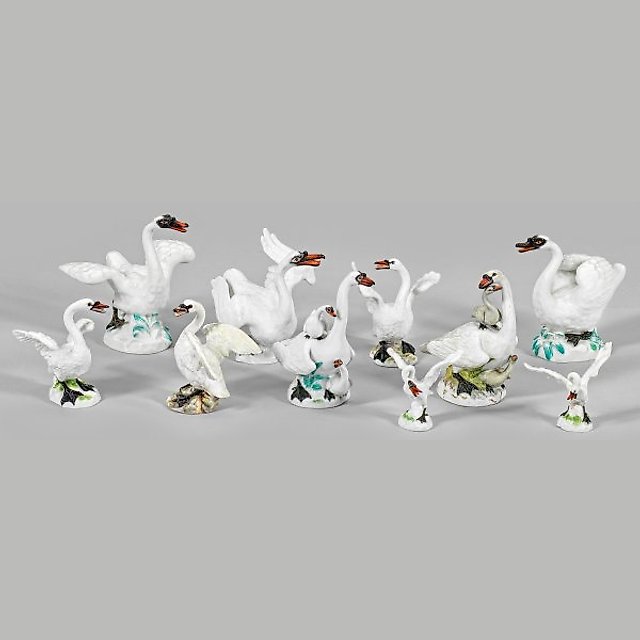
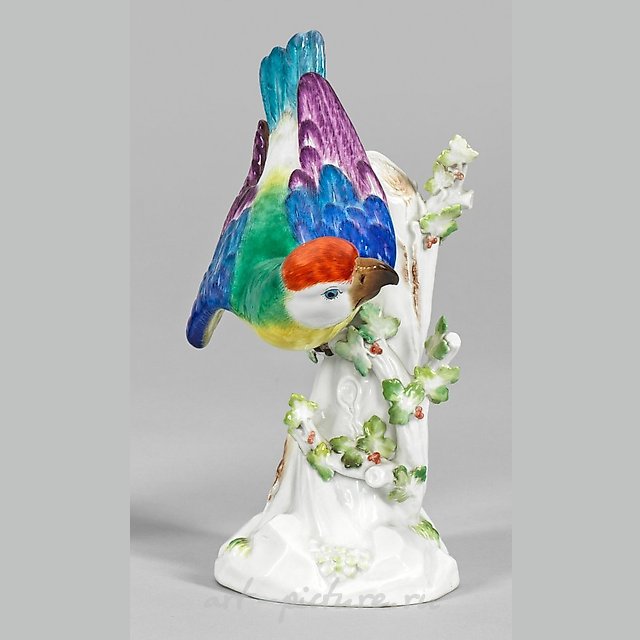
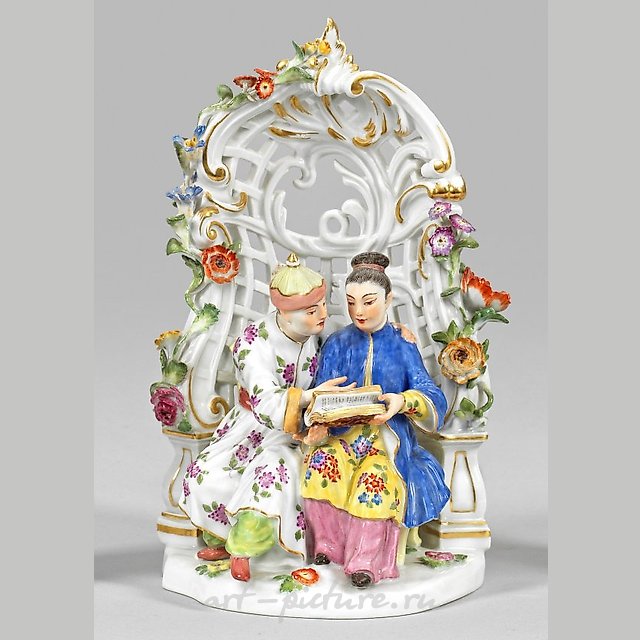
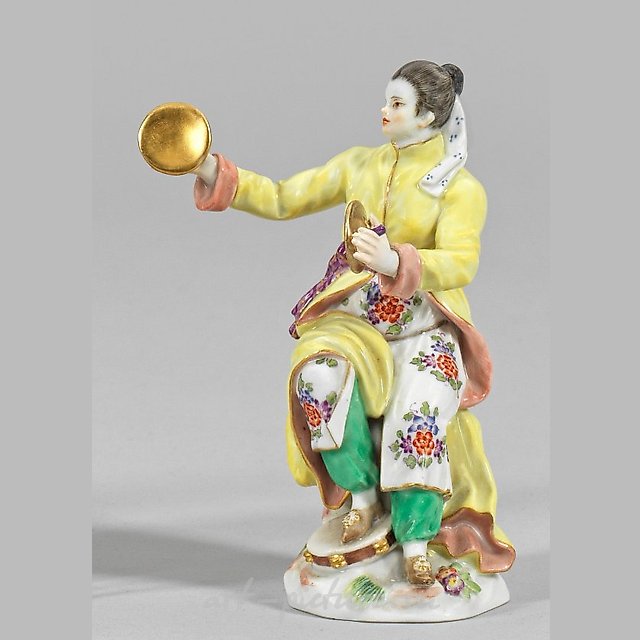
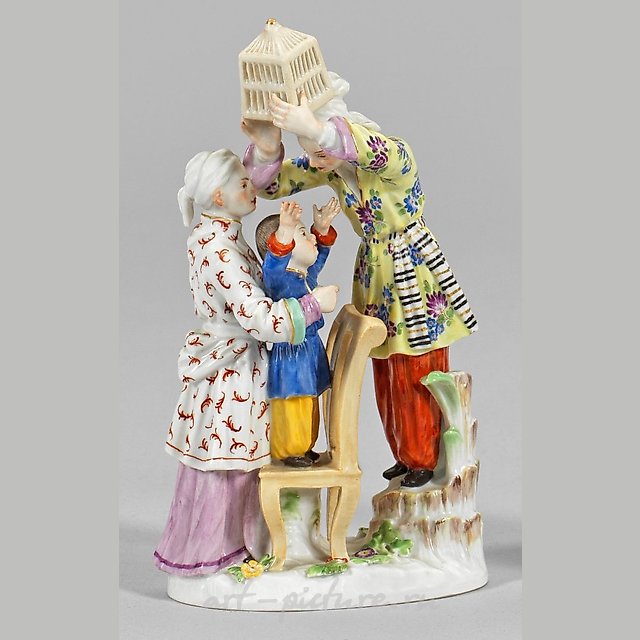
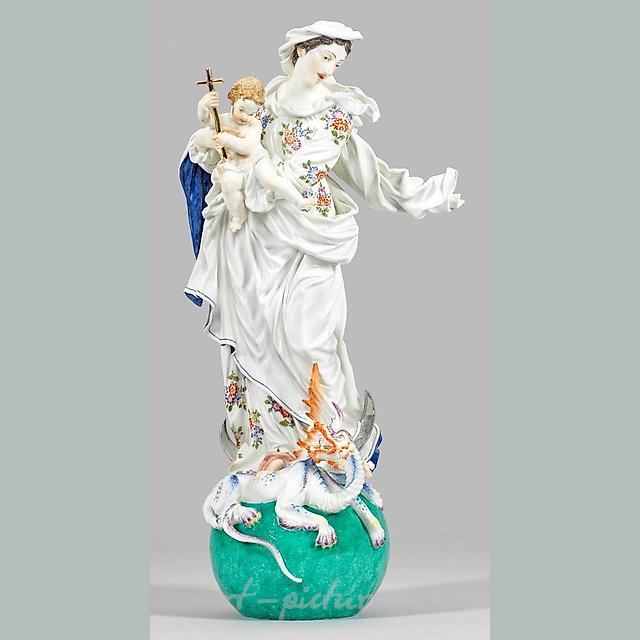
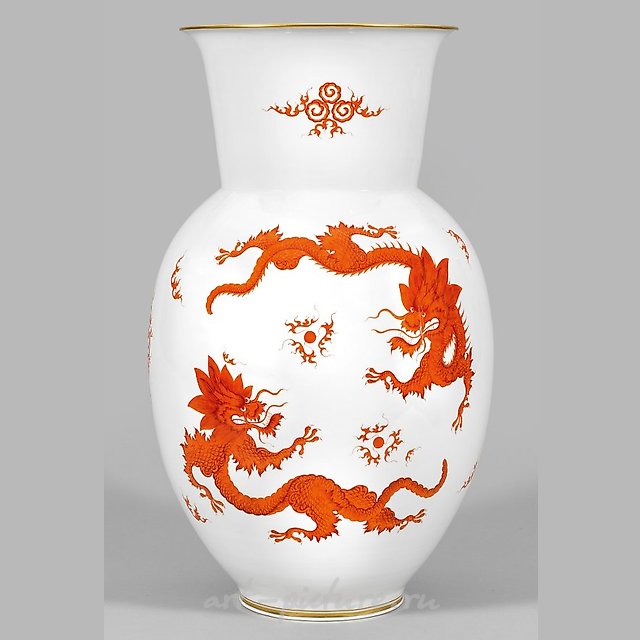
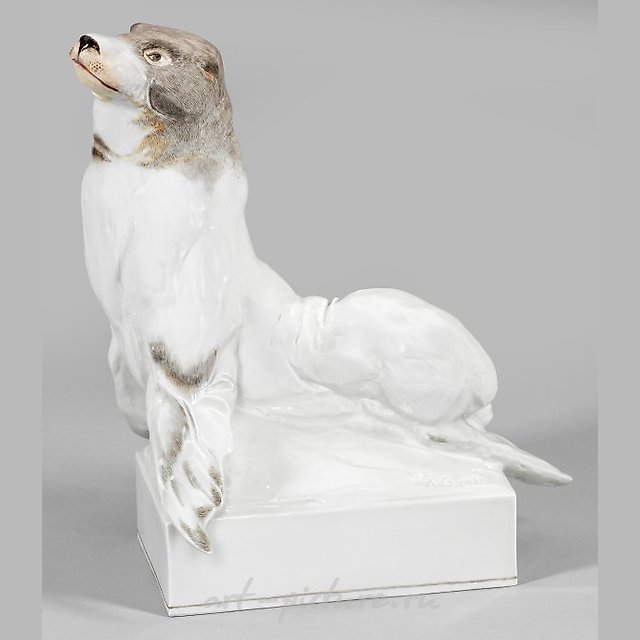
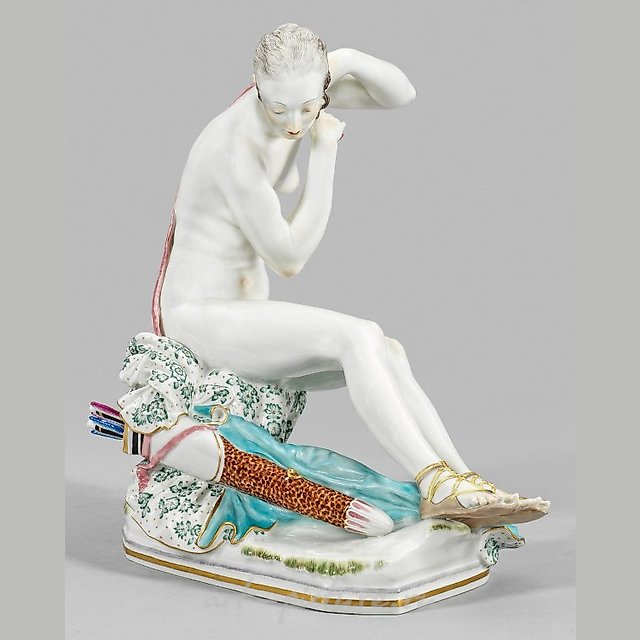
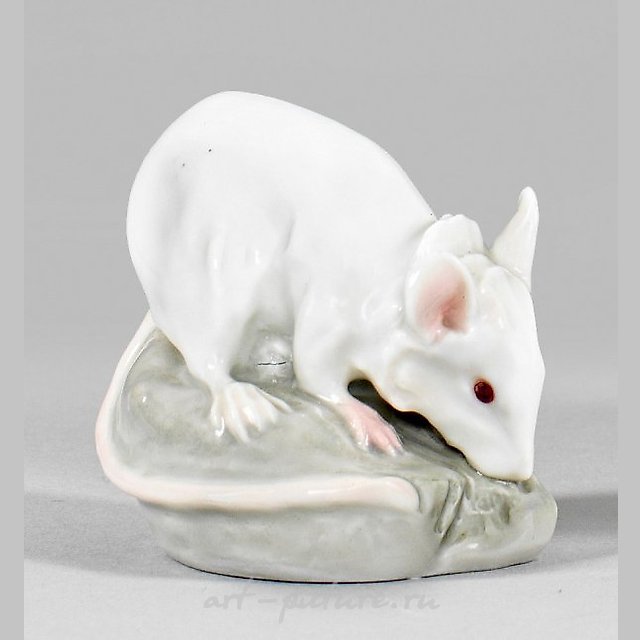
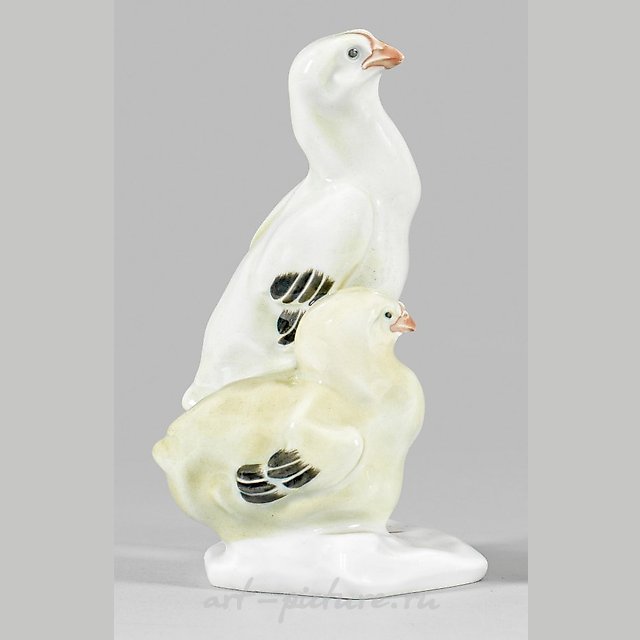
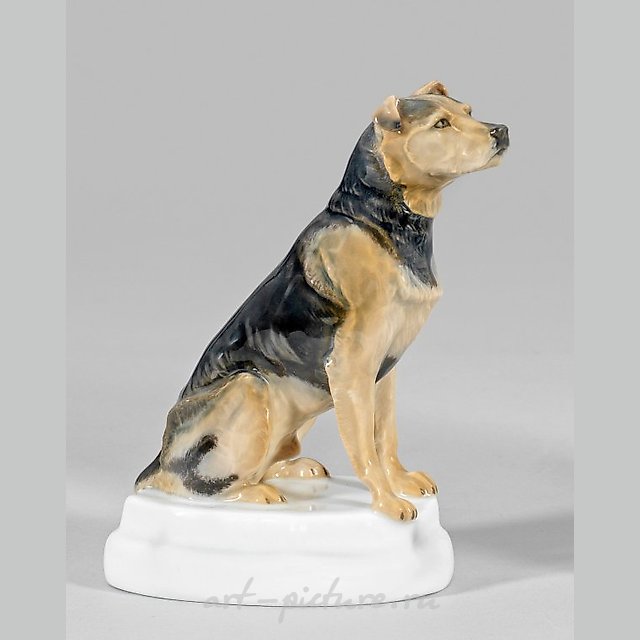
works of the famous Meissen manufactory “Meissen” are unique objects of art of high artistic level and royal style, which have world fame and collection value. Each of the periods of three hundred years of history is interesting in its development, filled with events and vivid discoveries important for artistic heritage.
“White Gold” - this was called by Europeans Chinese porcelain, which forever conquered their hearts with their unusual grace and beauty of forms and secrets their origin. For the first time, Chinese porcelain was brought to Europe Portuguese merchants. Historians date this fact in the year 1508. Since then, European alchemists have been looking for the secret of the composition of unique porcelain mass.
The first to achieve the long-awaited result was the alchemist Jogan Friedrich Bettger. In 1707, he received a solid mass suitable for molding, firing, grinding and applying paint from clay and red land. The material he received due to a characteristic shade became called “red mass”. It took two more years, and Betger, together with the physicist and geologist Chirnhaus, finally brought the formula of the famous white porcelain, based on local raw materials - white clay, the deposits of which were discovered near Dresden. It was this important unique component of the porcelain mass that was responsible for its plasticity.
next year, the first porcelain manufactory in Europe was opened near the deposit in the city of Meissen, which was owned by King Augustus strong. His Majesty treated his new enterprise so reverently and valued the secret of “white gold” that he transferred the plant to the castle, and put the guards to the craftsmen. The first porcelain products appeared in 1713, but their quality remained low, the surface was heterogeneous, tuberous, and gaps were planned in some places. The masters had to abundantly decorate objects with stucco decoration. They were covered with glaze, and as an example, Chinese samples were taken. But very soon the glory of the high quality of the Meissen porcelain made me forget about this short period of failures.
in 1719, Friedrich Bettger was gone; Johann Gregor Herold, a successful painter from the Vienna manufactory, was appointed in his place. Thanks to him, the quality of porcelain production reached a new, higher level. This affected technological improvements, and also contributed to the emergence of new luxury items. Sculpture, graceful figures, snuffboxes, flickerers, all kinds of caskets, watches, toilet and written instruments, tubes for smoking were added to magnificent service and vases. The manufacture of smoking, and the aesthetic needs of the German aristocracy provided
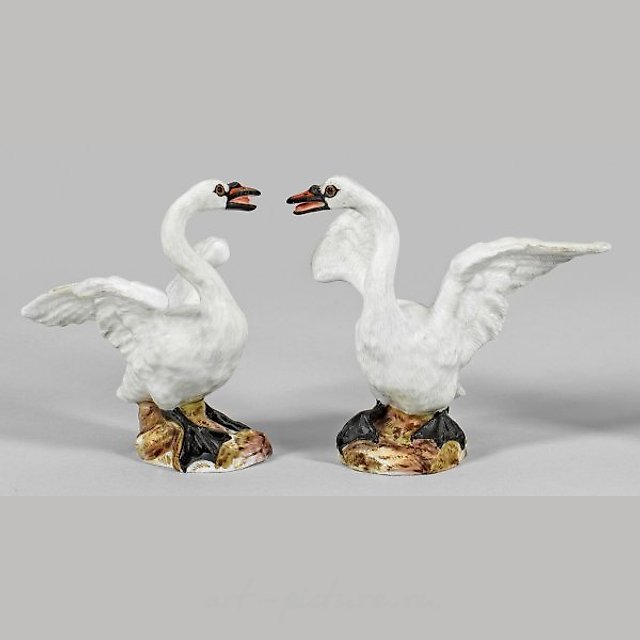
. Very soon, almost all of Europe was covered by a porcelain boom. The Saxon King August was the most demanding customer of porcelain works. To decorate the interiors of his palaces, he did not skimp on either production or his own imagination. One of the most original objects became porcelain sculptures of animals according to their natural proportions. This brilliant plan of the king was performed by Johann Kendler himself.
In 1722, a brand appeared at the manufactory, which later became the most famous sign of quality - two crossed swords.

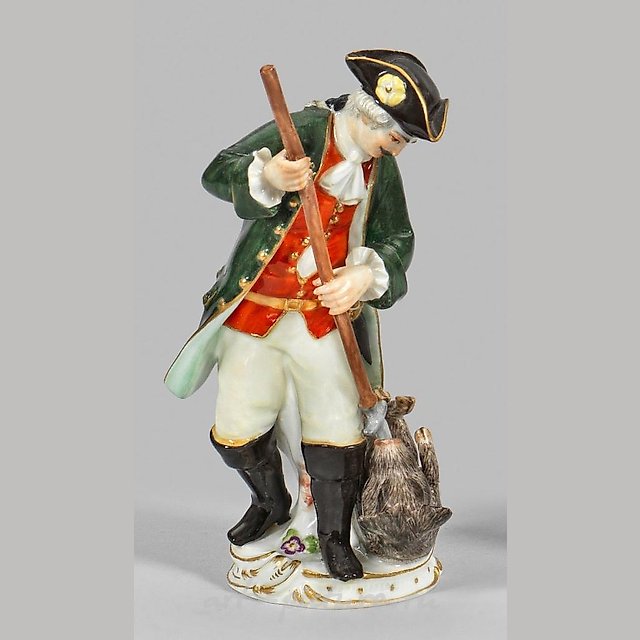
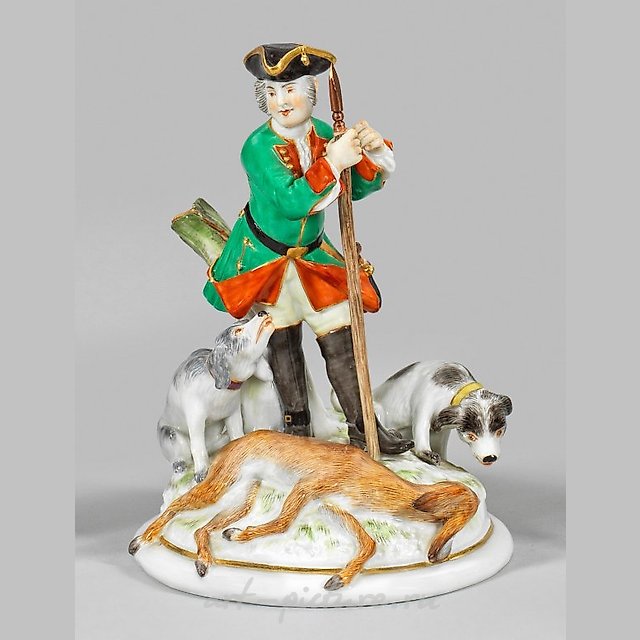
1730s became the heyday of the Meissen porcelain. In 1733, the master Johann Joachim Kendler came to the factory, and he was appointed a leading sculptor. And in 1735, Heinrich Count von Bruil, Prime Minister of Saxony, became the manager of the manufactory. It was a period of the Rococo style, the creation of amazing and diverse interior items, a front -line decorative sculpture and exquisite figures. Objects are decorated with rich ornaments and stucco details, emphasizing the luxury and splendor of the court style. This time includes dining rooms made by the orders of Joseph Count von Sulkovsky and Henry Count von Bruil, consisting of more than 2000 items. It was then that the tradition of decorating the dining table with porcelain figures depicting national heroes, peasants in costumes, harlequins, noble ladies comes into fashion. Costoclated porcelain figures became not only Kendler’s favorite brainchild, but also the hallmark of Meseen -made. According to these bright, expressive characters, the characters could judge the fashion and morals of that time.
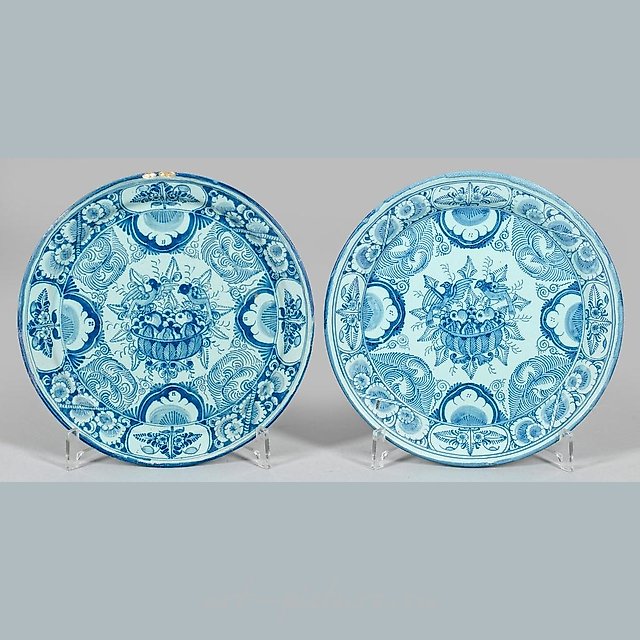
table and tea sets of the 1740s become more elegant, a flower motive dominates the painting. This is the most characteristic style for Massenic porcelain, when bouquets and single flowers are scattered across the white field of porcelain. In the embossed decor of porcelain products, the motive of the willow braid of various types appeared. In the painting of the VAZ, along with a floral motive, landscape and genre themes are based on engravings and well -known picturesque works from the originals of D. Teners, Antoine Watto, George Rugendas.
The new period in the factory was associated with the era of classicism from its severity of forms and the restraint of the decor. This time is also connected with the activities of the new sculptor of the Frenchman Michel Viktor Asier, who breathed new ideas into Meseen plastic. A lush stucco decor, characteristic of the previous period, gave way to architectural elements. In their artistic solution, the works are more and more gravitors to antique samples. Allegorical and mythological plots began to prevail in the paintings of the VAZ, and the forms themselves resembled classic amphoras and craters. In 1774, Count Kamillo Markolini, a Saxon minister and art lover, who was in the position of manager, came to the factory. With Markolini, a new brand appears - swords and a star under them. Porcelain of this period is slightly inferior to the previous one. The rigidity of the forms of works, periodic copying of samples of other European factories markedly reduced the level of Meissen products.
Under Napoleon, the factory not only changed its name to the “Royal Saxon manufactory”, but also experienced the period of the crisis, due to which it is barely It did not close.
After the Napoleonic wars, a consistent revival of the manufactory began. Karl von Oppel, who replaced Markolini, managed the enterprise in 1814-1833 and reformed the technological and art processes. The main achievement of this time is the invention of “liquid gold” by Henry Gotlib Kun. The strong glossy enamel created by him and some other compositions of paints on porcelain revived the palette of Mason products. The middle of the XIX century is the time of landscape and genre painting, which adorned front vases and sets. The motives of the painting were taken from samples of academic art. Pictures of such masters as Julius Shnorr von Carolsfeld, Gottfried Zemper, Ernst Ritchel were especially popular. In the 1860s, the era of historicism began, the masters increasingly turned to works in the style of Rococo and Baroque, which revived the former spirit and glory of the famous Meseen porcelain.
The art of modernity in porcelain found a fertile ground for the embodiment of fresh ideas. One of the masters of the new style was Conrad Henchel, who in 1896 came up with the Crocus design. Items with this original motive were shown at the exhibition in Paris in 1900 and were a great success.
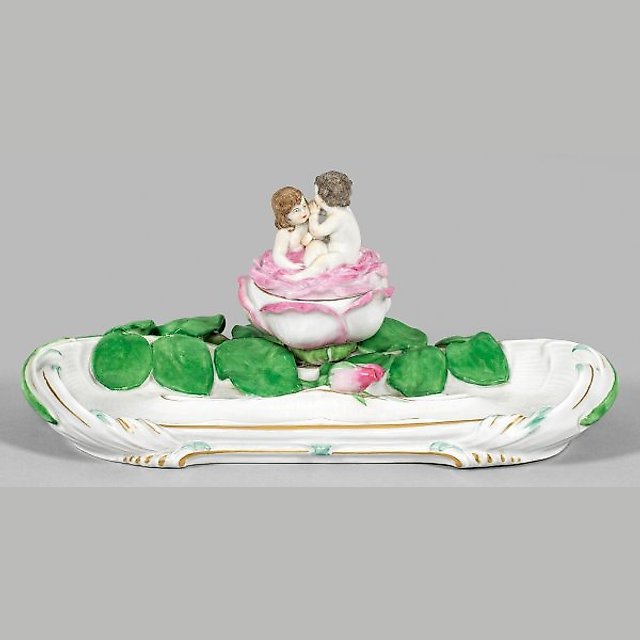
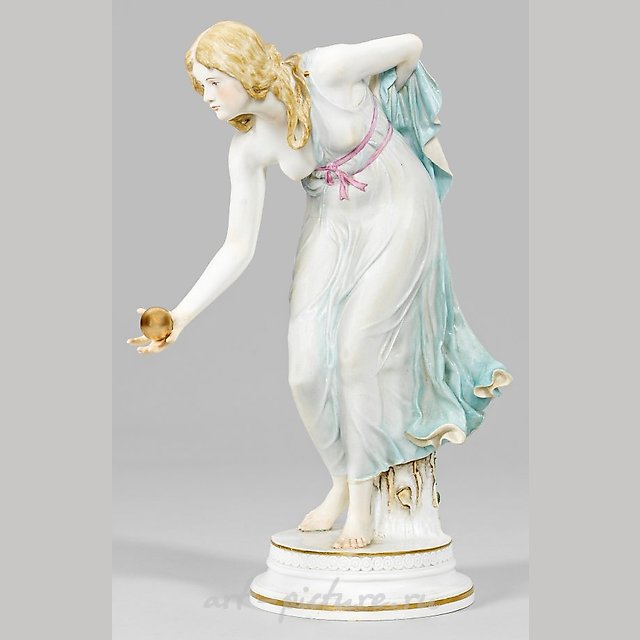
at the beginning of the twentieth century, production was updated by new creative forces. Young masters developed drawings for everyday objects, which supplied traditional painting. At this time, amazing in the beauty of the sculptures and objects of small plasticity are created, an artistic solution is built on the search for harmony in comparing the floral motive and female image.
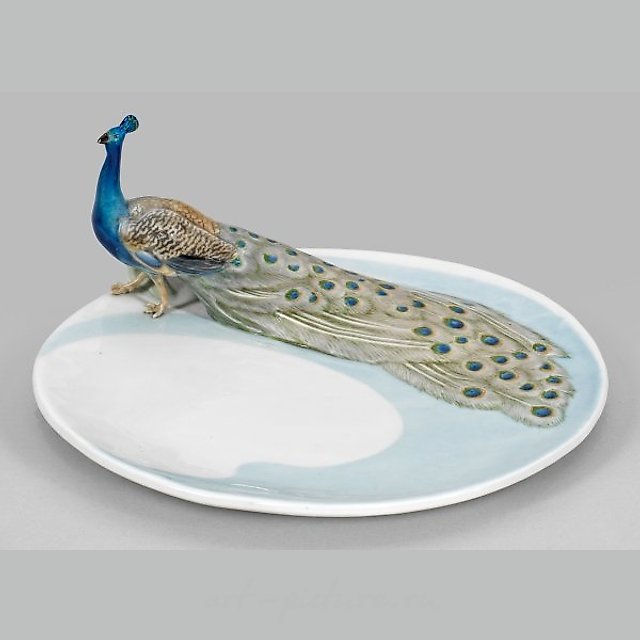
After the First World War, the manufactory has significantly expanded its assortment due to various models. An important role in this was played by the artist Paul Shoyrich, who created more than a hundred new figures in which the traditions of Rococo and Ar-Deco were combined. Under the impression of the Russian seasons, Diaghilev created a well -known series of figures “Russian Ballet”. Modern porcelain still does not lose its relevance and collection value. Forms of products are traditional, the paintings repeat ancient samples and at the same time vary new development developments. The factory still has talented masters who are careful about their great heritage.