Commemorative Goblets: The Secret Life of Glass Heroes. How a Goblet Becomes a Monument for the Ages
Take a look at a glass goblet.
What do you see?
A vessel for wine, a festive toast, a random gift from a store shelf? Now imagine: in your hands is not just a drinking vessel, but a glass time machine shimmering with the memory of an entire era, battles, and the triumph of spirit.
Few suspect that a goblet can be more than a container for drinks. It can become a monument. Yes, indeed—not of marble or bronze, but of transparent, sparkling faceted matter, where even a ray of light freezes for a split second on the threshold between past and future.
Today—an exclusive: you'll discover how, at the intersection of war, art, and politics, such marvels are born, capable of preserving the glory of empires and the memory of triumphs. After this article, it's unlikely you'll ever pass a museum display case with bored indifference.
The Goblet That Outlived Empires. Why Make a Monument... Out of Glass?
An ordinary goblet involuntarily evokes associations with catering and restaurants. But what if a vessel can outlive entire kingdoms? At a recent Sotheby’s auction in London, something truly special was up for sale: a goblet in which you can not only dissolve the taste of wine, but also immerse yourself in history.
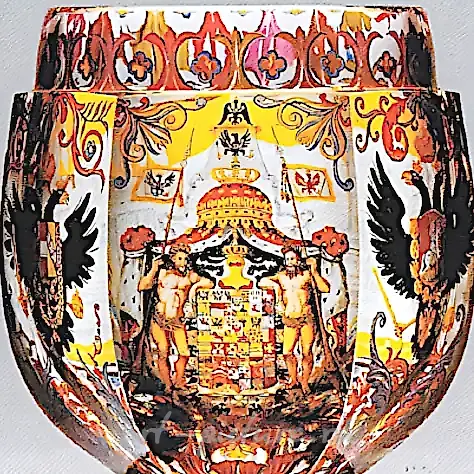
This goblet from the collection of the Hida Takayama Museum of Art in Japan is an artifact with a biography of its own. Standing 40–41 centimeters high, crafted with regal luxury, it was created in honor of one of the key historical events of the 19th century: the ceremony marking the laying of a monument to Russian troops in Kulm in 1835.
Only four such pieces are known in the world. One remains in the Corning Museum of Glass in the USA, another in the Vienna Technical Museum, the third in the State Historical Museum in Moscow, and the fourth recently appeared at the aforementioned auction. All are united by incredible beauty and the most intricate technique. Without exaggeration, they are monuments—not stone or cast iron, but fragile and yet eternal, as long as the glass survives.
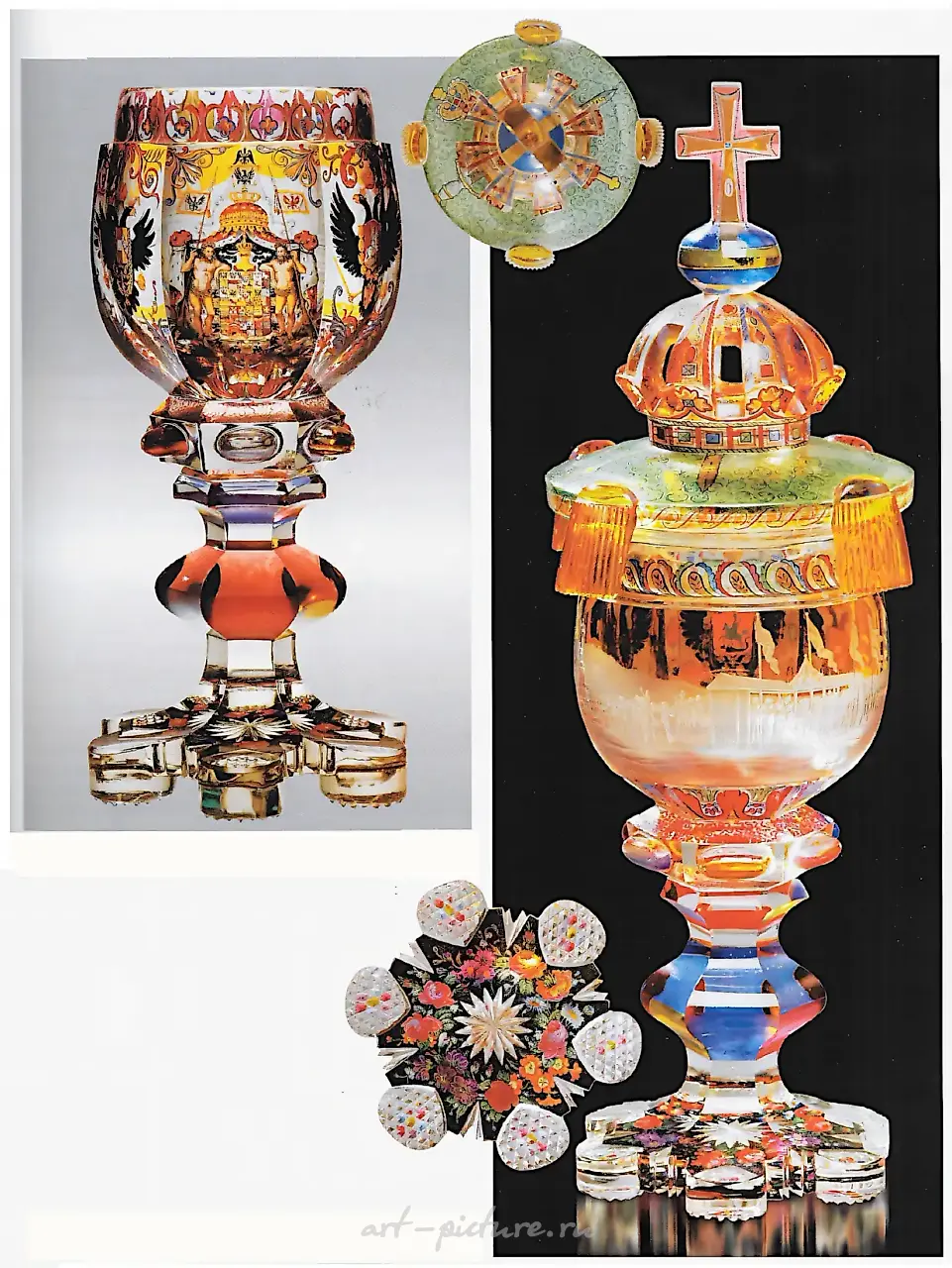
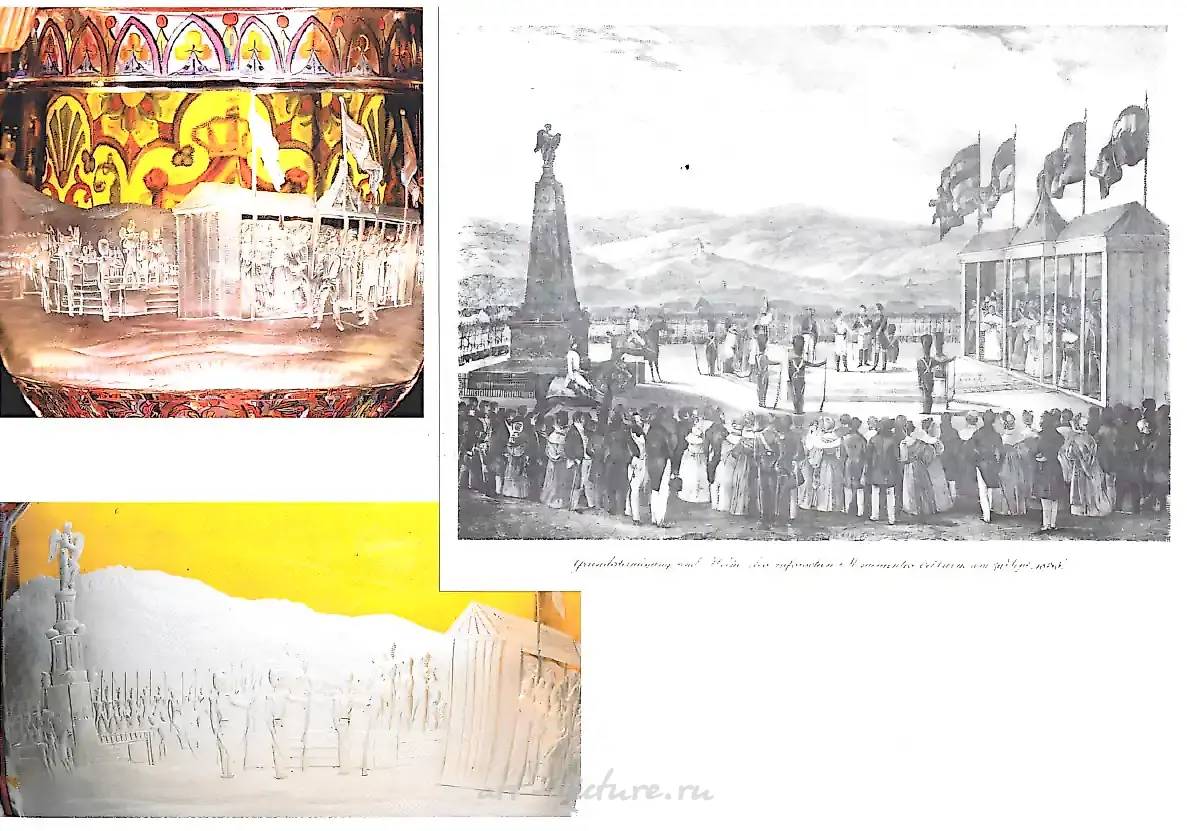
Every detail here is filled with meaning: a hexagonal bowl, a complex stem with tiny "cones," a floral wreath, a painted dome resembling a monarch’s crown. And, of course, the scene engraved on the light-amber overlay: the gathering of emperors, reading the document for the laying of the obelisk, the artist recording the heroes of the century before last…
Could anyone possibly drink from such a goblet? Unlikely. This is no everyday item, but a vessel of memory, from which stories pour forth—stories worthy of the golden age of European courts, not beverages.
Who Commissions Immortality? The Secret Language of Glass Relics
And here lies the first intrigue: where does the desire to create a glass “monument” even come from? Why, twenty years after the Battle of Kulm (which took place in 1813), did they create not a granite slab but a sparkling faceted vase the size of a knight’s helmet?
The reason turns out to be deeper and subtler: true monuments are built not only for posterity but for oneself, for an inner circle of “the chosen,” for a secret ritual of remembrance. On such goblets, they engrave not just a scene but a whole program, laden with symbols. Swords and scepters, wreaths and multicolored shields, even inscriptions like "Gott mit uns"—all speak a special language: who deserves remembrance, who is worthy of a toast. What a paradox—that fragile glass can be more imposing and powerful in its symbolism than any bronze effigy.
Behind each of these goblets stood powerful patrons. According to one version, the commissioners were the Austrian emperors—after all, it was they who proposed erecting a monument to the battle’s heroes. The place of production was no coincidence. Then-Bohemia (now the Czech Republic) was a masterpiece laboratory of glass art.
Such complex and costly pieces required the efforts of the top craftsmen: the Harrach Factory, engraving in the studio of Franz Pol, painting in colored enamels at Friedrich Egermann’s "factory of rarities." Even at the time, each glass marvel was created for a specific recipient: the Prussian monarch, King of Saxony, Russian emperor—all received their own “chalice of triumph” with a special coat of arms and decorative details. Each one was like a personalized Oscar, only made of glass.
From the Ashes of Battle to the Shine of Museum Displays. How Memory Becomes Material
The story of the Kulm goblets is impossible without the battle itself. It was August 1813—the fate of the continent hung in the balance as Napoleon faced the Triple Alliance. The bravery of the Russian army, commanded by Ivan Osterman-Tolstoy, saved the allies from destruction, Vandamme’s army was crushed, and thousands of lives were forever inscribed in European history.
The memory of those days became not just a line in a textbook, but the occasion for a grand ceremony twenty years later. Imagine: on September 29, 1835, crowned heads and guests gather at the site of the future monument; companies of grenadiers and cavalry march, fanfares sound, cannons salute. Every step of the ritual turns into a ritual of memory, a myth of endurance carved in enamels and glass facets, as if the artist says: "I was here. I saw. I will remember—and you will not forget."
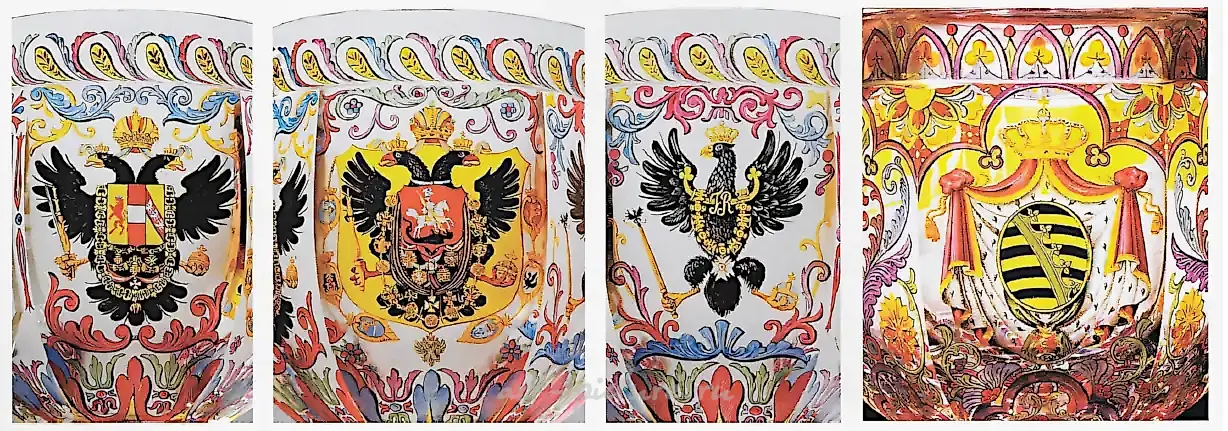
The effect of these goblets is not so much in their beauty or price (which, by the way, is estimated at hundreds of thousands of euros), but in their ability to enclose profound meaning in a fragile object. Centuries later, they capture the inexpressible: the clang of arms, the roar of the crowd, the flutter of hearts at the dawn of great upheavals. They can evoke that special feeling when, looking at art, you suddenly perceive: it is alive, and it looks back at you in return.
Does This Matter Today? Why Glass Monuments Resonate Across Centuries
Can such works of art be considered relevant for us, people of the 21st century?
Absolutely.
In an era where everything changes rapidly and what seems important today might disappear in tomorrow’s news cycle, art remains one of humanity’s few true “laboratories of immortality” for emotions. The Kulm goblets are not just rare museum pieces, but vivid reminders that in fragility, there is also eternity. Their story is like a precious postcard from the past: "Do not forget. Remember who you are. I am proud of your courage and sacrifice."
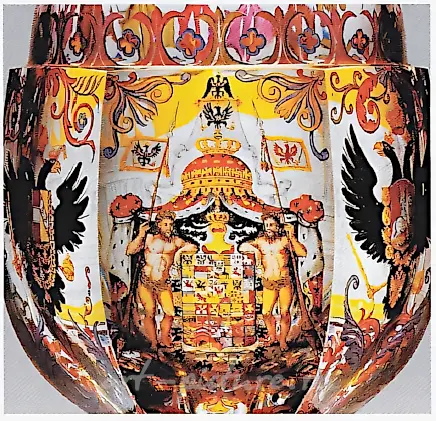
The thought that, in the quiet of a museum hall, you can encounter the living breath of history is real. All you need is to stop and examine the wreath on the stem, peer into the reflection of long-gone faces, feel the coolness of glass at your fingertips...and realize: the meaning of any art is not only in its beauty or price, but in the tenacious human desire to remain in the memory of the ages.
Monumental Fragility of Your Memory
That’s all. We’ve traveled through battle, worked in a glassblower’s studio, attended an imperial ball, and visited a grand ceremony. Imagine: every goblet you own is not just a utilitarian object, but a potential vessel for your memory, love, and admiration. Whether today’s item becomes a souvenir of triumph depends solely on you.
And what about you—what is a monument in fragile glass?
Is there an object in which you’ve hidden memory, love, or pride?