
Cross of the sample for silver
Since June 23, the buyer can find domestic jewelry made of silver without a sample in jewelry stores (clause 2 of Article 12.1 Federal Law No. 41-FZ of March 26, 1998 "On Precious Metals and Precious Stones"). However, this does not mean that he has become more vulnerable.
The thing is, that mandatory testing and branding with the state assay stamp was previously carried out only with respect to silver products weighing more than three grams. But in jewelry stores there are a sufficient number of products, the mass of which is lower (for example, ordinary silver rings and earrings without large stones), and where, consequently, there was no sample, while this fact did not mean a loss of desire from the buyer to purchase the product.
It is worth noting that the norm on the mandatory existence of a nameplate (manufacturer's mark), which is subject to registration by the Federal Assay Chamber, has been preserved for the jewelry (paragraph 6 of the Decree of the Government of the Russian Federation dated October 21, 2015 No. 1127 "On approval of the Rules for registration, manufacture of nameplates, as well as the production and destruction of their impressions").
Moreover, quite often manufacturers voluntarily put a sample on products whose mass did not exceed three grams. The presence of a sample on the jewelry shows the amount of precious metal in the alloy, which is an established sign of quality.
That is why, most likely, manufacturers will continue to put samples on silver products.
What are the quality standards for silver products?
Article 469 of the Civil Code stipulates that if there are mandatory quality requirements if the goods are manufactured for sale, then the entrepreneur is obliged to transfer the goods corresponding to them to the buyer. In relation to silver, such mandatory requirements are established in OST 117-3-002-95 "Products jewelry made of precious metals. General technical conditions", approved by By the USSR Ministry of Natural Resources of July 1, 1988 (hereinafter – OST 117-3-002-95). In the case of an examination to determine the conformity of the jewelry the quality expert compares the parameters stated on the label (tag): composition, sample, size specified by the manufacturer with the actual parameters of the jewelry.
At the same time, even the label must be made in accordance with the requirements of OST 117-3-002-95 (appeal ruling of the Moscow City Court of January 18, 2019 in case No. 33-447/2019): each product must have a label with details, the mandatory element of which is the name and sample of the precious metal.
In other words, the changes concerned exclusively the requirements of Federal Law No. 41-FZ of March 26, 1998 "On Precious Metals and Precious Stones", where the voluntary testing and branding is determined, while the requirements of OST 117-3-002-95 for jewelry remained unchanged. Thus, despite the absence of a sample on the jewelry itself, the consumer has the opportunity to obtain information about the amount of precious metal in the alloy from the contents attached to to him tags.
The absence of such information, or the discrepancy between the actual sample of the product and the declared characteristics, allows the consumer to refuse to execute the contract of sale and to demand a refund of the amount paid for the goods in accordance with Part 1 of Article 18 of the Law of February 7, 1992 No. 2300 "On Consumer Rights Protection" (hereinafter – the Law on Consumer Rights Protection).
In practice, the courts actively apply these provisions of the law, terminating the contract of purchase and sale of jewelry and collecting money from the seller in favor of the buyer, a penalty, compensation for moral damage, damages, fines and court costs based on expert opinions with the participation of gemologists in case of violation of the requirements of the OST 117-3-002-95 to the labeling of labels (there was no indication of the sample), as well as the apparent inconsistency of the product with the manufacturer's declared characteristics specified in the documents provided by the seller (appeal ruling of the Nizhny Novgorod Regional Court of February 17 2015 in case No. 33-12247/2015).
How to protect yourself from counterfeiting of silver products?
Firstly, it is necessary to carefully approach the issue of choosing a jewelry store.
However, even this does not exclude the possibility of buying a fake product. Due to the fact that only a specialist can determine the authenticity of the product, the actions of the consumer can only be directed to minimizing losses from the purchase of a fake by exercising due diligence. That is why the consumer should carefully study the information on the product label, information about the manufacturer, check all documents attached to the product.
If the buyer has not been issued a sales receipt in the store, and the tag is filled in inaccurately and incompletely, and if the information in the documents is presented in a foreign language without of course, such circumstances are regarded by the courts as providing inappropriate information.
If the seller refuses if the consumer fulfills his obligation to provide the buyer with reliable information about the product, then the consumer has the right to demand the provision of necessary and reliable information about the manufacturer (performer, seller), his working hours and the goods sold by him (part 1 of Article 8 of the Law on Consumer Protection). In the event of the seller's refusal, the consumer may demand compensation from the seller for losses caused by unjustified evasion of the conclusion contract (part 1 of Article 12 of the Law on Consumer Protection).
What should I do if the product is not made of silver?
The Law on Consumer Protection provides for several rules that disclose this violation.
Firstly, the consumer has an unconditional right to purchase goods of proper quality (Article 4 of the Law on Consumer Rights Protection), as well as the right to receive information about goods (Article 8 of the Law on Consumer Rights Protection). This right corresponds to the seller's obligation to notify the buyer about the quality characteristics of the product and transfer the corresponding product.
If a piece of jewelry is sold to a buyer not made of silver, like silver, then the consumer is misled about the consumer properties or the quality of the goods. In this case, an unscrupulous seller is in front of the consumer.
More in addition, the legislation provides for liability for misleading consumers about consumer properties or the quality of goods (Article 14.7 of the Administrative Code) in the form of imposing an administrative fine on legal entities – from 100 thousand to 500 thousand rubles . The buyer, upon detection of the violation in question, should contact the territorial administration Rospotrebnadzor in order to attract an unscrupulous seller to administrative responsibility.
However, in addition to contacting the state body, the buyer, first of all, has the right, in accordance with Article 12 of the Law on Consumer Protection , to refuse to execute the contract of sale and demand a refund of the amount paid for the goods and compensation for other losses. With such a requirement, he can contact the store itself, and if the latter refuses – submit a corresponding statement of claim to the court.
Related lots
 Jewelry letter opener with beetles by Gilbert Albert. 1 023 000₽
 "Buccellati Sculptural Composition Duckling" 90 000₽
 The text translates to "Jewelry box of the Buccellati jewelry house" in English. 140 000₽
 Jewelry sculptural composition dedicated to the Tsarskoye Selo Railway, Locomotive type 0-3-0, 1837, silver. 4 600 000₽
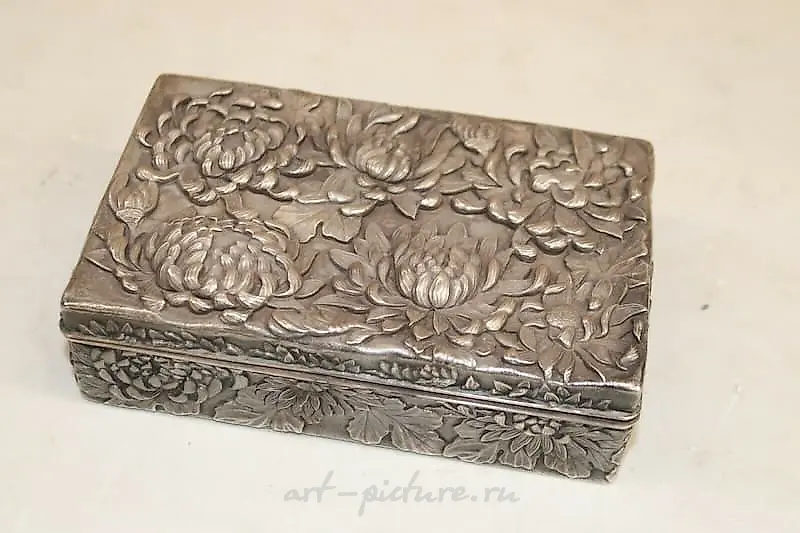 Chinese silver box (jewelry box) 210 000₽
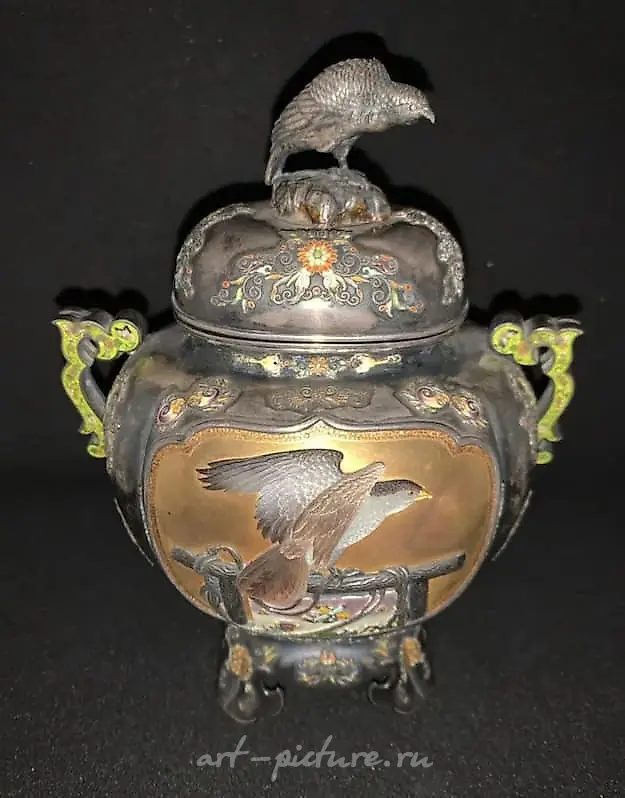 Japanese Koro vase (incense burner) in silver with colored enamel and gold lacquer, adorned with Shibayama. 2 500 000₽
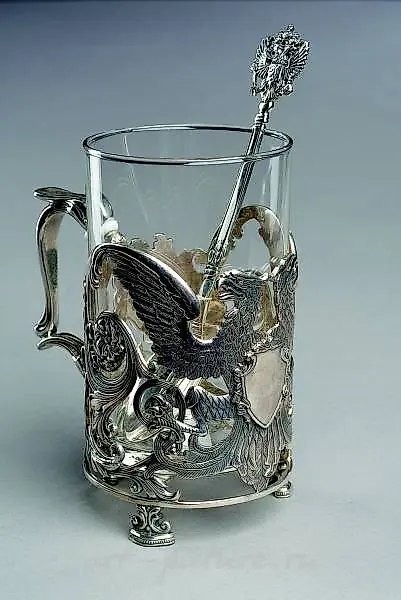 Silver cup holder Eagle Workshop-studio "Mezhov" 95 900₽
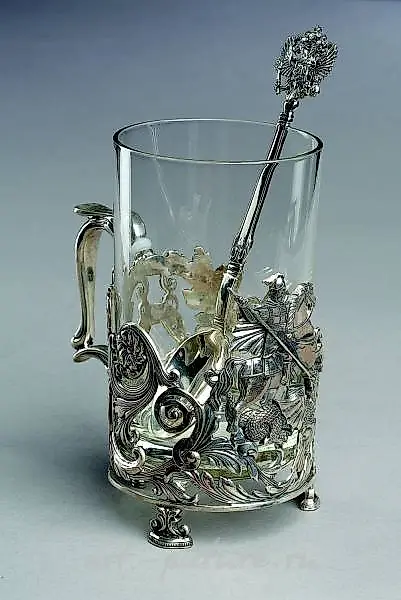 Silver tea glass holder Georgiy with spoon Eagle Workshop-Studio "Mezhov" 95 600₽
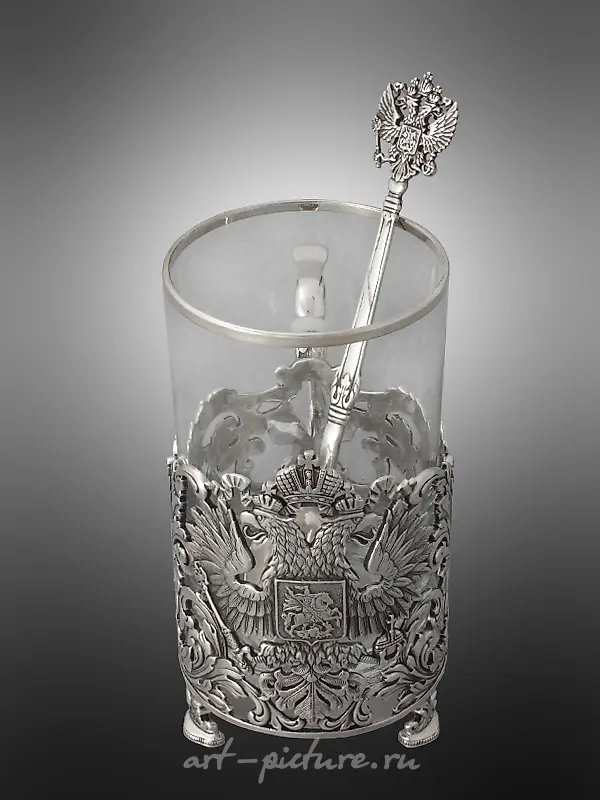 Cup holder State Workshop-Studio "Mezhov" 95 000₽
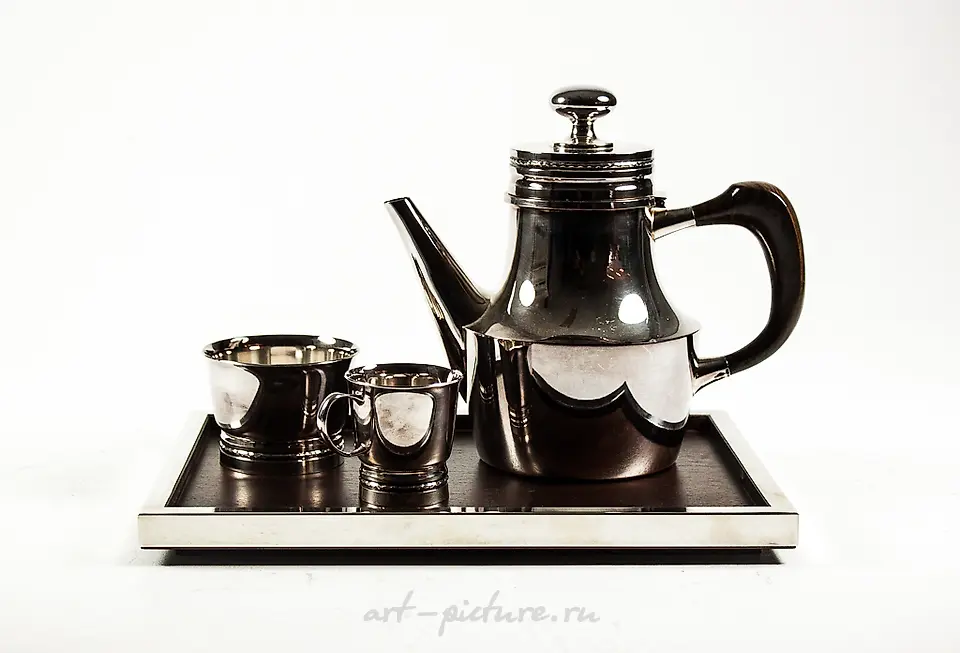 Silver coffee service, 3 pieces Erik Löfman 280 000₽
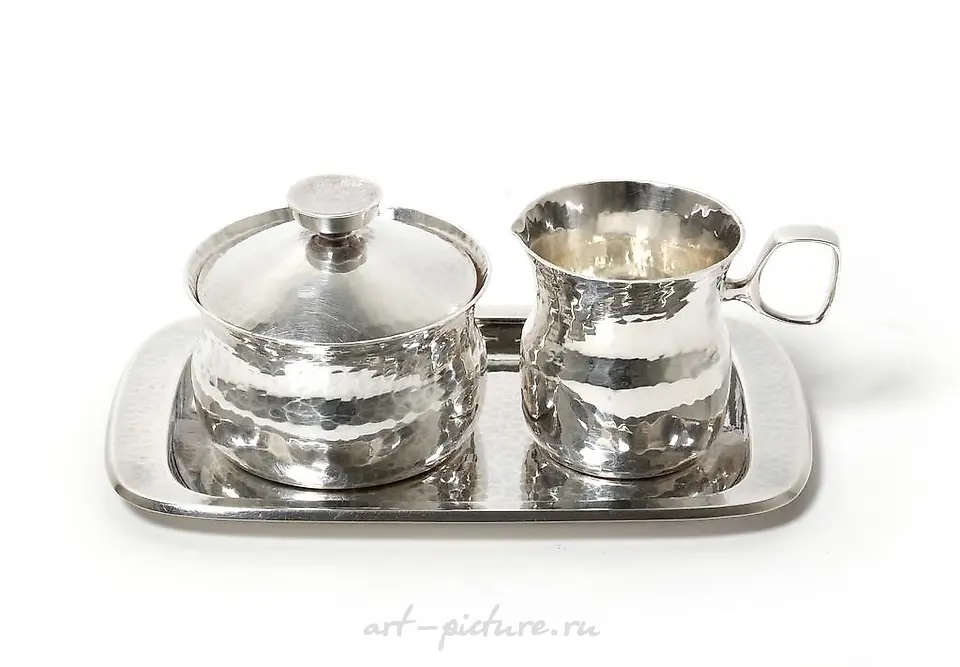 "Silver sugar bowl and creamer on a tray by Erik Lofman." 55 000₽
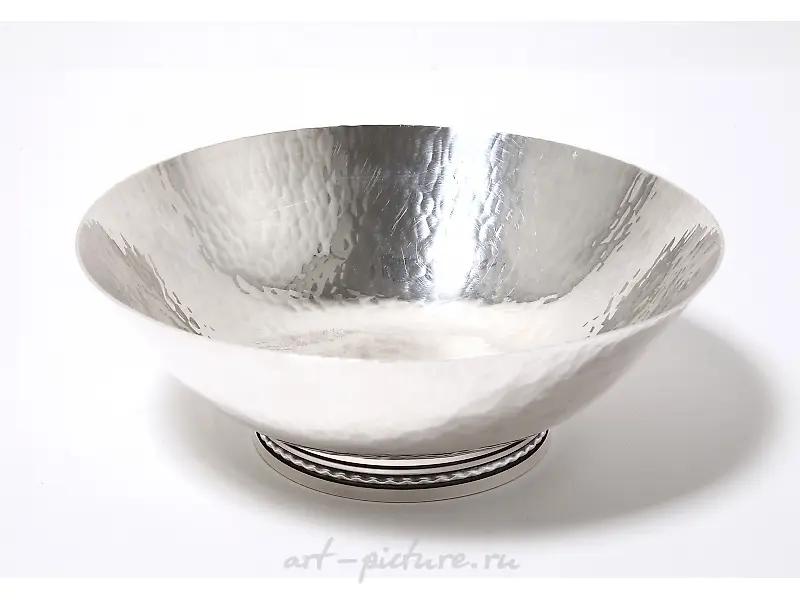 Silver handmade vase by Eric Lofman. 45 000₽
 Dome of St. Peter's. Canvas, silver, acrylic. 150 000₽
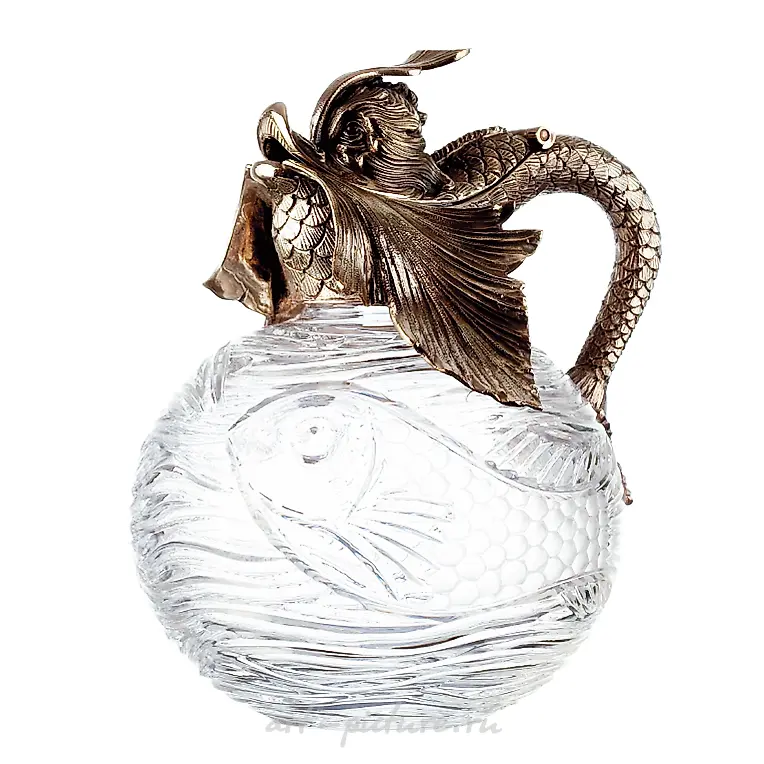 The text translates to "Fabergé Fish" in English. "Фаберже" refers to "Fabergé," and "Штоф Рыба" means "Fish." 2 050 000₽
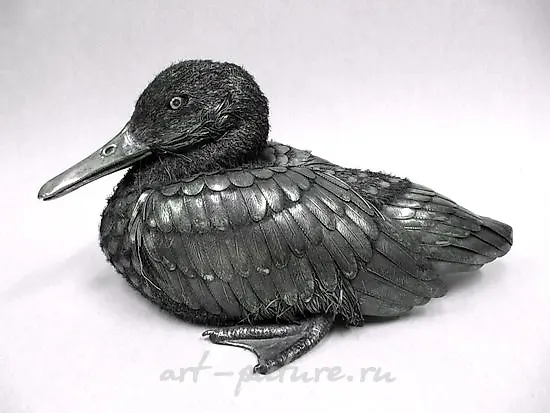 Buccellati Sculptural Composition Duck Lying Down 1 520 000₽
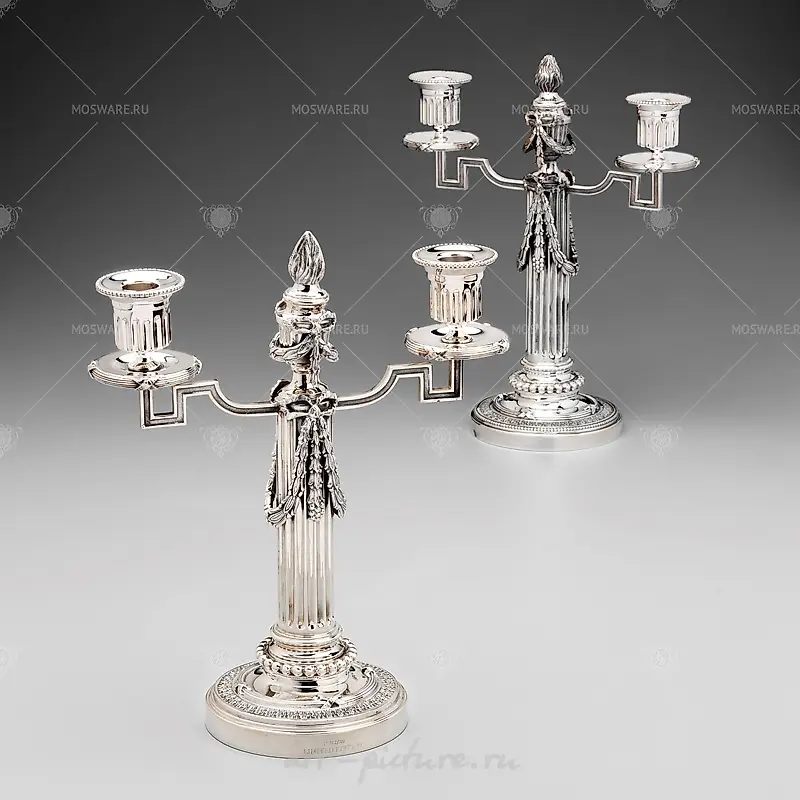 "Candle holder Fabergé, silver, limited edition." 2 990 000₽
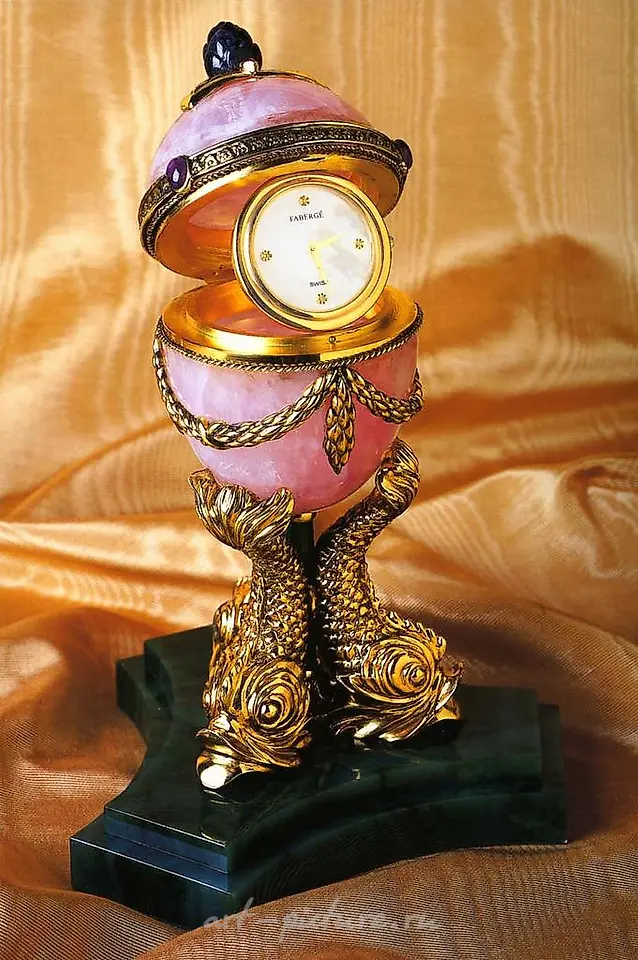 Fabergé egg with a pink quartz clock in Empire style. 820 000₽
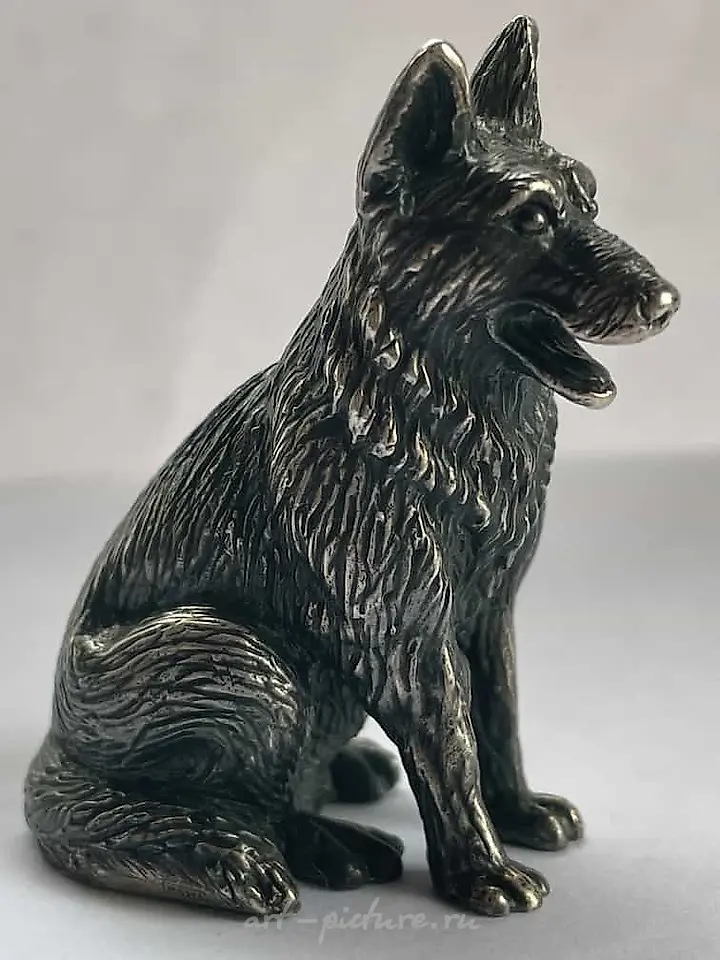 Silver sculpture Dog Jewellery Theatre 45 500₽