A Keyhole into Another World
Have you ever wondered why the sight of a tarnished silver spoon at a flea market suddenly fills us with inexplicable excitement?
What kind of magic lurks in an object that has passed through countless hands and lips?
At first glance, silver is just a metal, but in a battered teaspoon entire books of human destinies, celebrations, and dramas come to life. Few suspect: an old set of Moscow silver retains codes of turbulent changes, generational tastes, fashion, and the rebellion of eras.
If you read on, you will never see a humble fork as a mere utensil again, but as a piece of living history. The backstage of luxury, ingenuity, and passions that once swirled around Moscow tables will be revealed to you.
Get ready: silver will speak.
---
I. When a Spoon Becomes a Clue to Its Era
Let's take a leap in time. Moscow, mid-18th century: a city clinging to its old faith, suddenly abuzz with the sounds of change. Peter I, the great reformer, launches a wave of new customs and ways of living. His decree: forget wooden spoons, do it "the European way"!
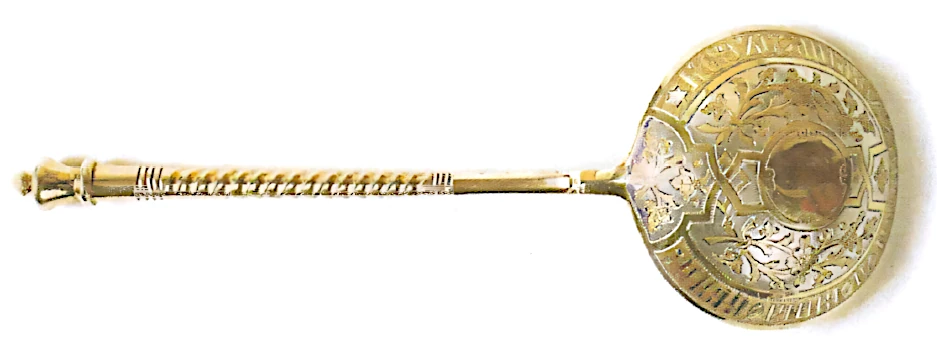
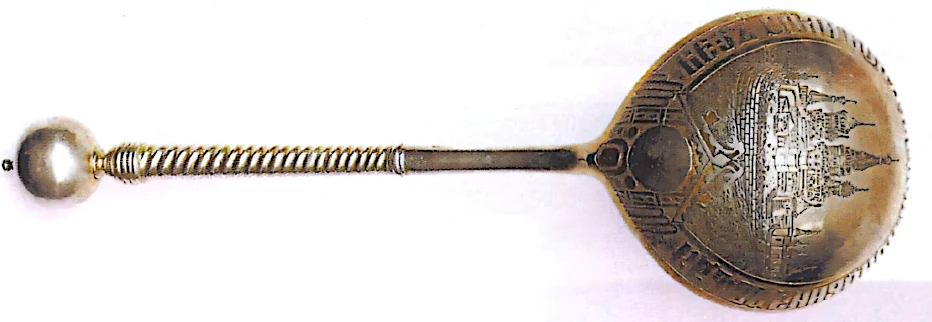
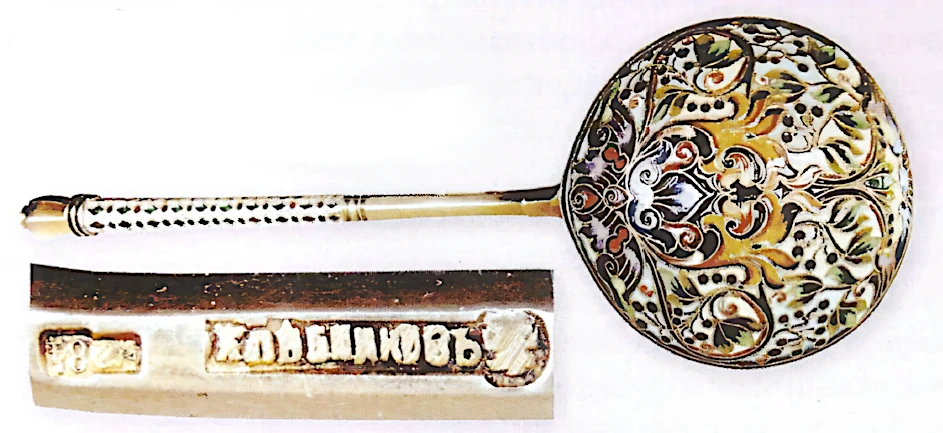
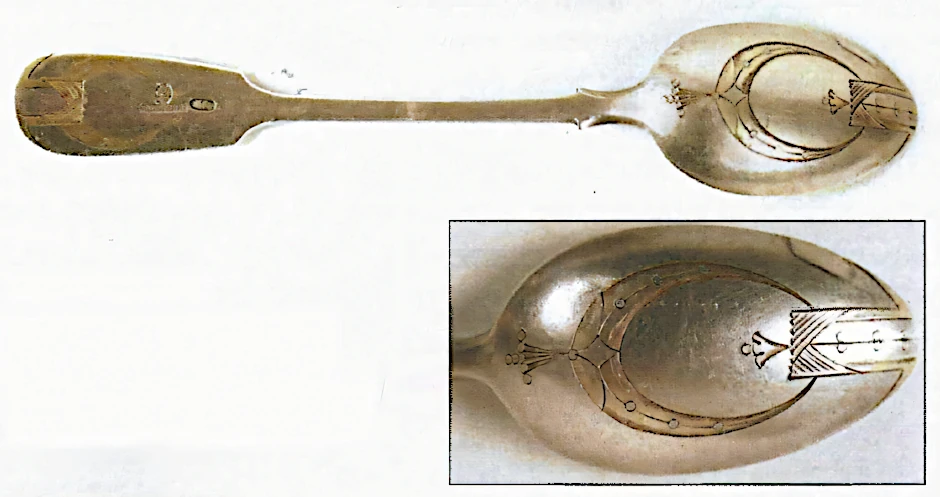
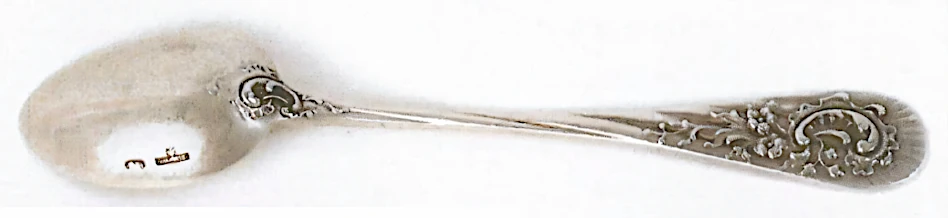
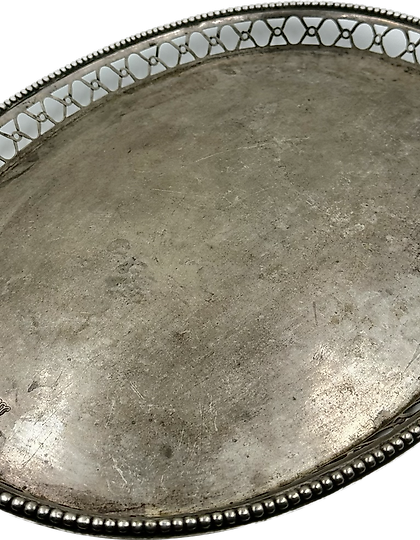
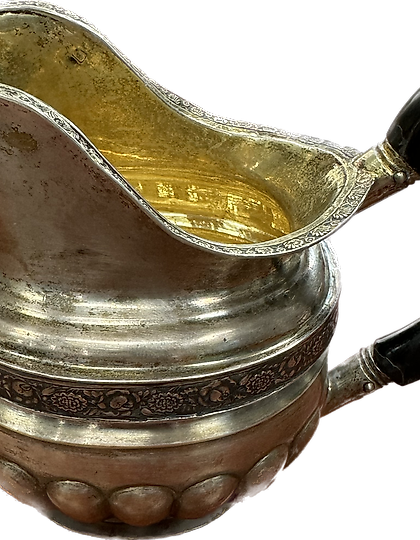
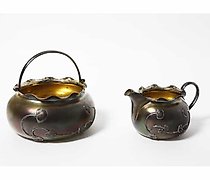
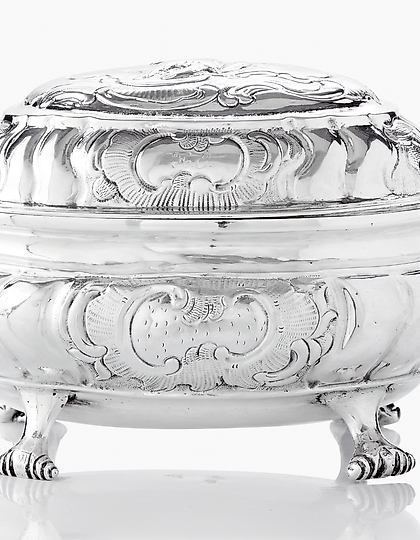
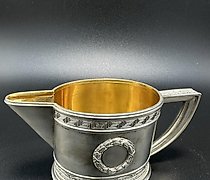
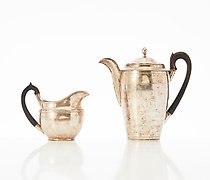
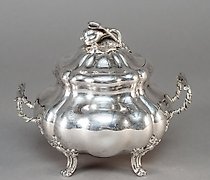
New vessels appear on the table, as if invited to a grand ball from foreign lands: teapots and coffee pots, mysterious creamers and shot glasses, cups, small tumblers, salt and pepper shakers. Just imagine—a generation ago, ordinary people had never even heard of such exotic tableware!
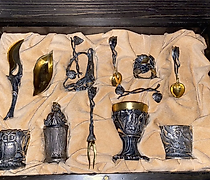
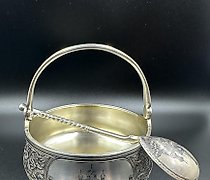
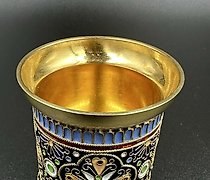
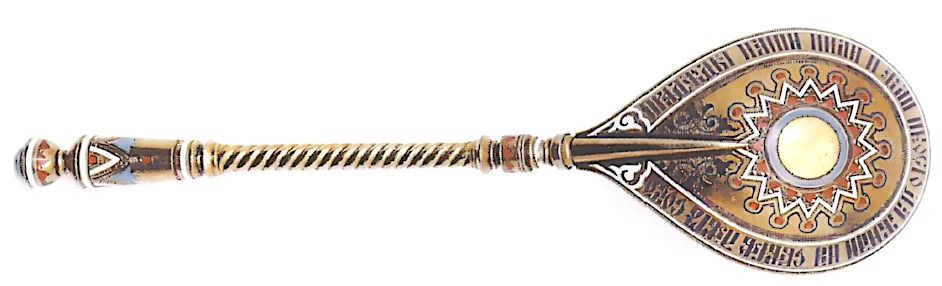
At first, Russian craftsmen copied the West. But very soon, they developed their own style. They created things you wouldn’t see in London or Paris: heavy ladles with enamel ornamentation, spoons with "talking" handles, travel sets with proud figures in national dress. Silver became the language of its era. Try playing detective: if you look closely at a fork or spoon, you’ll realize—it’s not just about a family, but a new self-assurance and the courage to live differently.
Today, Russian flea markets are a palette of silver, from dainty teaspoons to heavy ladles. Collectors seek them out, but not only collectors—each piece adds a special "warm memory" to a home, a memory of a time when the entire country was discovering its identity.
---
II. The Gold of Taste Cast in Silver: The Khlebnikov Firm and Its Magic
There was a city, an era—but personalities were needed to turn cold metal into a living legend. Meet Ivan Petrovich Khlebnikov. In half a century, his firm became a symbol of quality, boundless talent, and bold taste in Russian silverware of the late 19th and early 20th centuries.
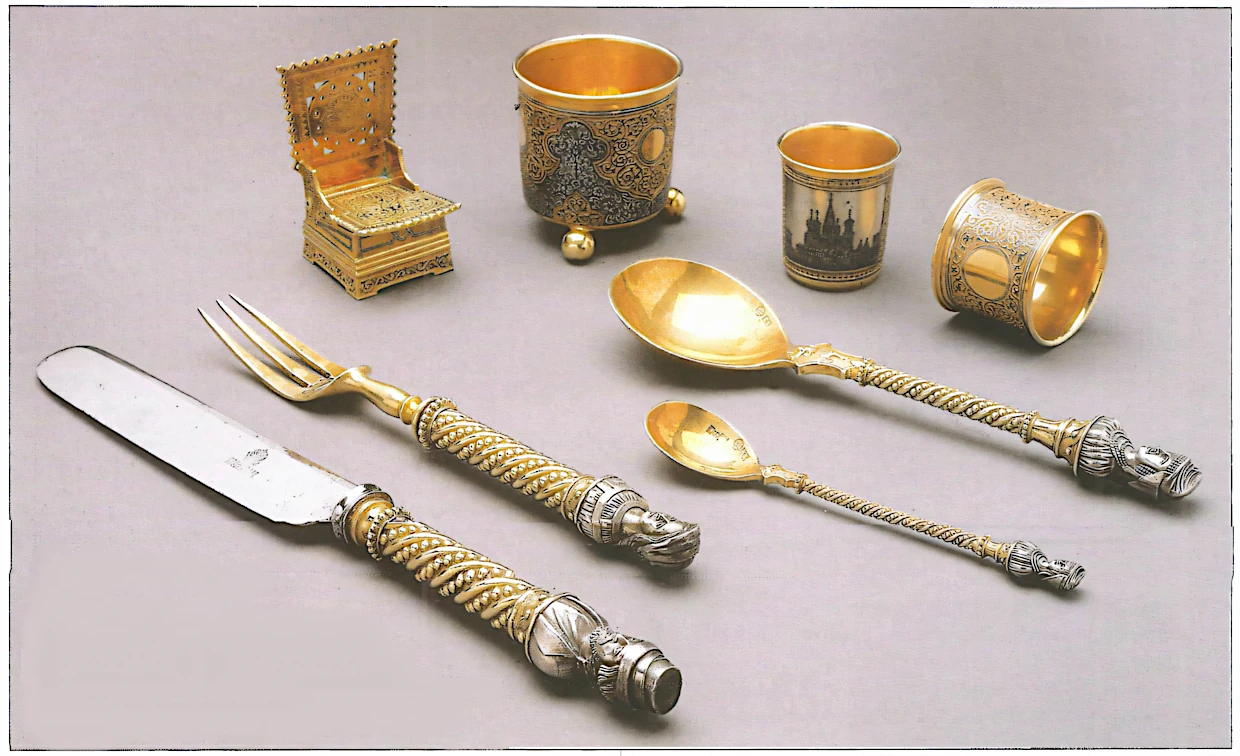
It’s important to feel the atmosphere here: the huge factory, the whistle of air, the blows of the chasing tool, and the gentle tinkling of tiny hammers on silver. The enameler bent over a miniature masterpiece, the foundry worker striking a new ornate pattern. Simple, mass-produced items, nearly unadorned—an example of Russian restraint. But look closer! Beneath the smooth surface lies precision honed to perfection, a nearly mystical purity of form.
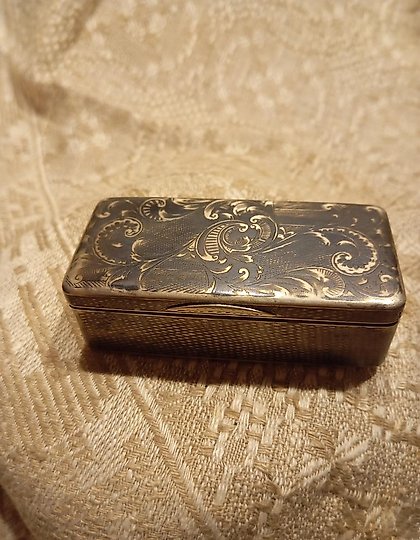
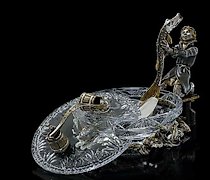
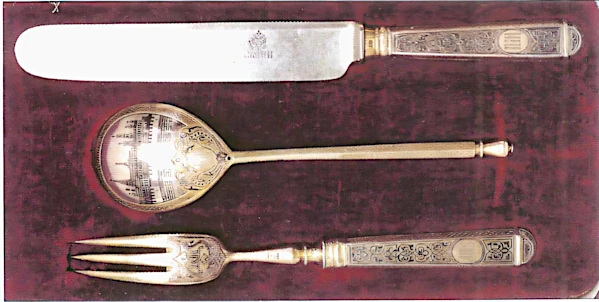
Chasing, casting, enamel, niello—these techniques do not hide but intertwine, like threads in a Russian sarafan. Each Khlebnikov piece is at once a homage to tradition and a challenge to new fashion. In the "Russian style," relief figures on handles—a woman in a sarafan with beads, or a bearded man in a folk shirt—greet you as warmly as portraits in an old family photo. Look at the travel set commissioned by merchant Saveliev for his future son-in-law, officer Vasilchikov. Is that just tableware? No—it’s a message about loyalty and status, a family dream embodied in the silver shine.
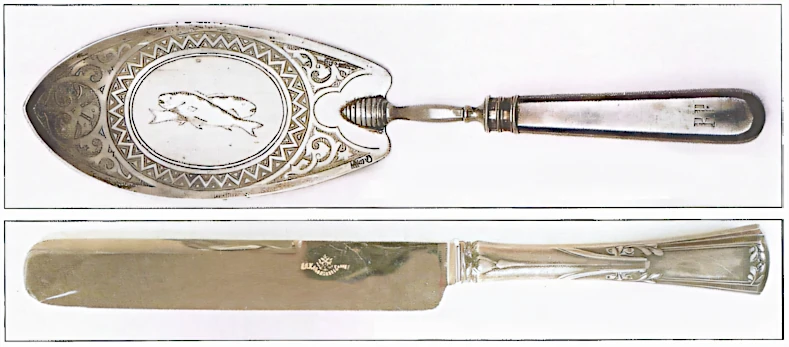
Table Knife, Moscow, 1908–1917. I.P. Khlebnikov Firm. Silver; casting. Private collection.
How many secrets could each set whisper!
Every monogram, every engraving—a personal touch: "This is ours, irreplaceable, just for this family..." Silver elegantly unites the warm intimacy of daily life with the solemn grandeur of imperial Russia.
---
III. The Silver Palette: From Secret Meaning to Innovation
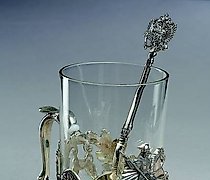
In silverware, more than any other Russian household item, the entire palette of styles is reflected—from imitation of the West to assertive self-expression. Here are spoons and forks— their handles topped with male or female figurines, like tiny sculptures; travel sets a century ago were almost a status accessory, much like expensive iPhones today.
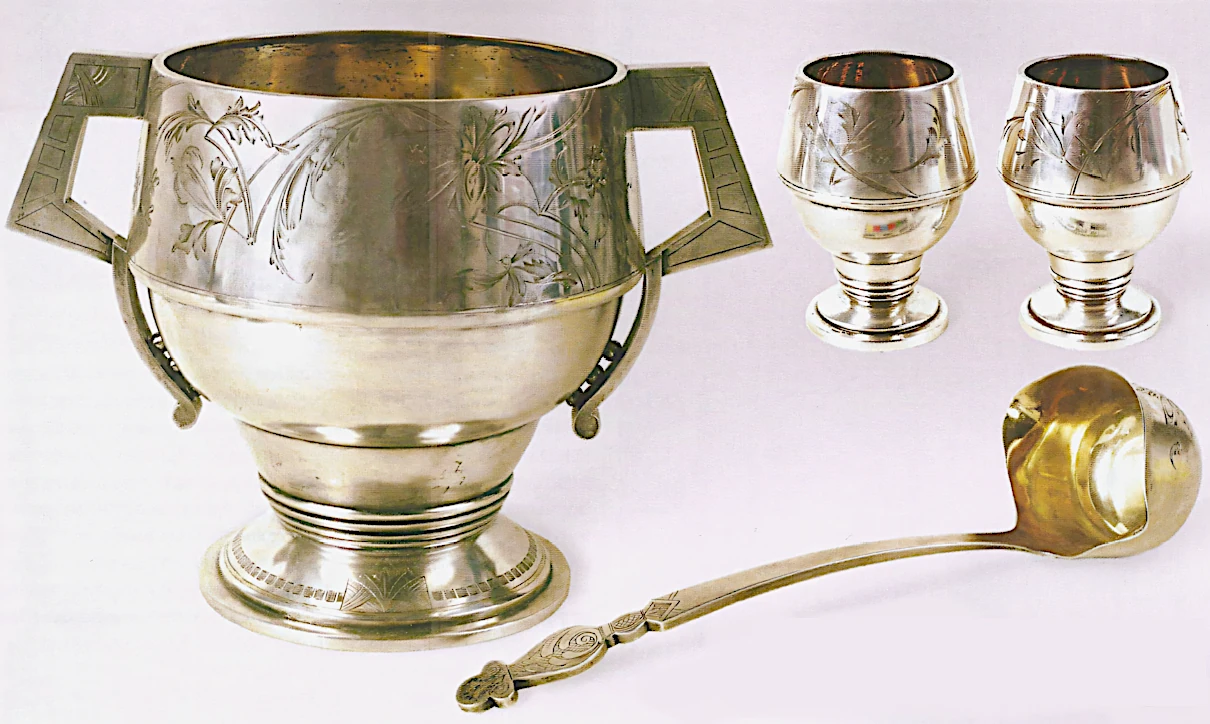
Every dented cup, every twisted curve of a handle—these are not just fashions but clues for the inquisitive: What did the era value?
How did the country interpret itself—through niello, enamel, intricate ornamentation?
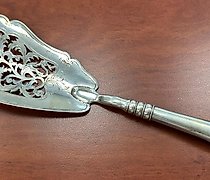
Salt cellars, spatulas, fish knives, or cake servers—how subtly and inventively Russian masters answered the call of new, unusual dishes and fashions. Colorful gilding, carved leaves and buds (oh, that Art Nouveau!), monograms, mottos on spoon handles—it's as if these lines and scrolls hold the secret to family happiness and the gentle irony of the times: "Our ancestors ate and drank simply, lived to a hundred years..."
Look closely: the paradox of time repeats itself. What was once routine and utilitarian becomes, a century later, the object of desire and collecting, a key to family and national memory. Like finding a grandmother's spoon with a barely visible monogram and suddenly opening an entire forgotten photo album of days past.
---
IV. Silver as a Mirror: Prices, Symbols, and Modern Meanings
Curiously, table silver from Moscow firms, especially those famous for their craftsmen—Khlebnikov, Fabergé, Morozov—remains in fashion to this day. People collect it, they pay good money for it (especially for complete sets in original leather-covered, velvet-lined boxes—by the way, the boxes are valued nearly as highly as the silver itself!). No surprise that even an empty case carries the aura of a prestigious past.
Again, the magic is in the details: a set for six or twelve, with no foreign monograms—a collector’s dream. Individual pieces cost less; mismatched spoons and knives have a hard fate: either a secondhand store or a new life after being melted down.
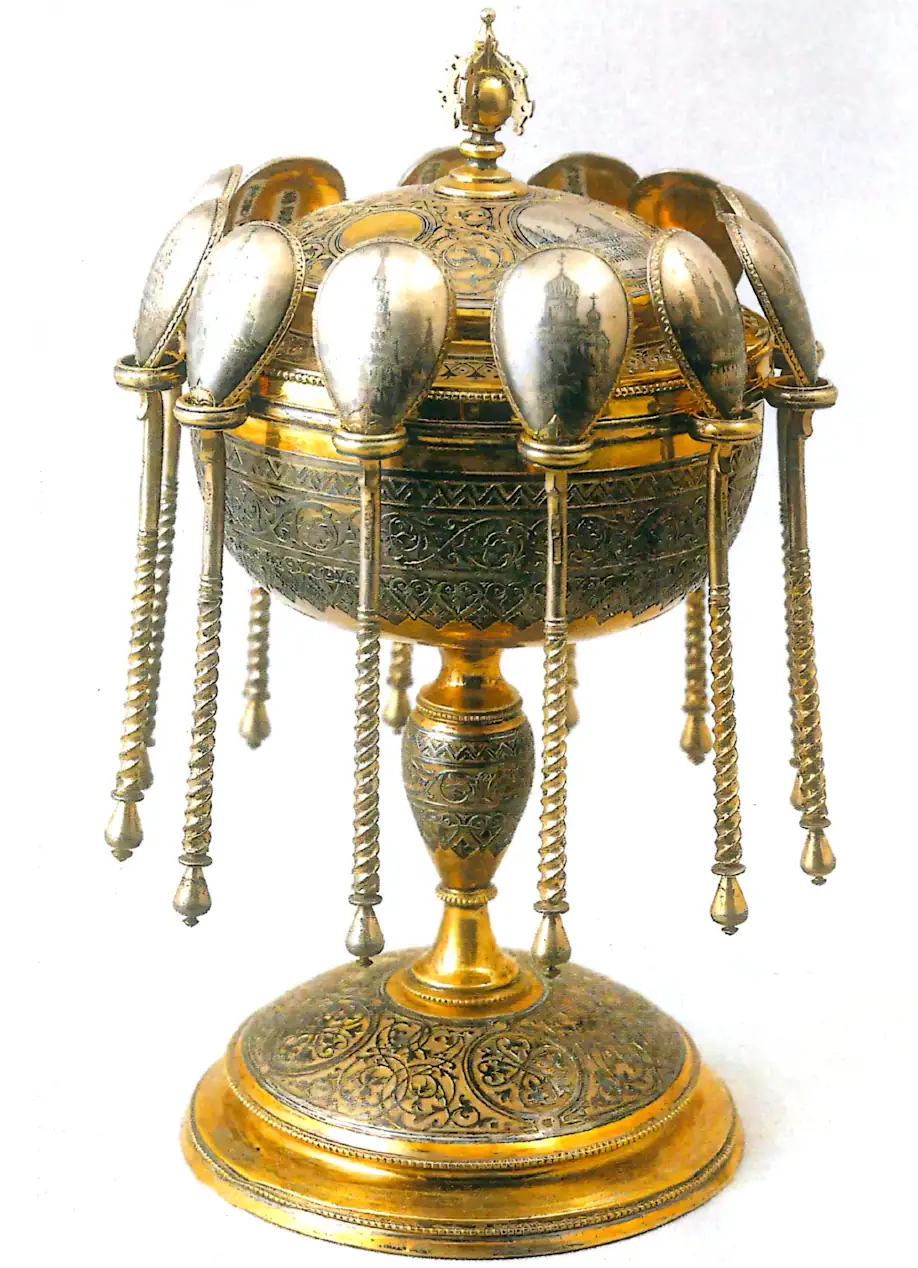
But it’s not all about money or rarity. Each time we look at silver from a famous firm, we see not just a "tool for eating"—we touch an entire cultural stratum, that strange blend of openness to new influences and a jealous preservation of national identity.
And today, prominent designers—drawing inspiration from the forms and décor of Russian silver—create their own minimalist and, conversely, ornate pieces. The fashion for "purity of form" and perfect craftsmanship is just as relevant in the 21st century as it was for Khlebnikov and Semenov’s craftsmen a century and a half ago.
---
So what are we holding when we take an old silver spoon or knife?
It’s more than just a utensil. It’s a journey through time, a dialogue with generations, and the artistic autograph of a past era.
Silver is a mirror which reflects not only style, but also character, passion, and those episodes of human life when dreams were born at the table, marriages concluded, deals closed, and perhaps secret oaths sworn. The thought that each spoon was used for eating, celebrating, grieving, given as a gift or kept as a treasure for someone—this gives everything a special, delicate radiance.
And now—how will you compare your teaspoons?
What’s more important to you: their mere "metallic" utility, or the mystery of how many feelings and stories they soaked up over their long and happy lives?
Perhaps, at your own kitchen table, that very silver trace of memory is being created right now?
Which item in your home holds its own secret?