
Eclecticism
Mix of diverse styles and forms in 19th-20th century art
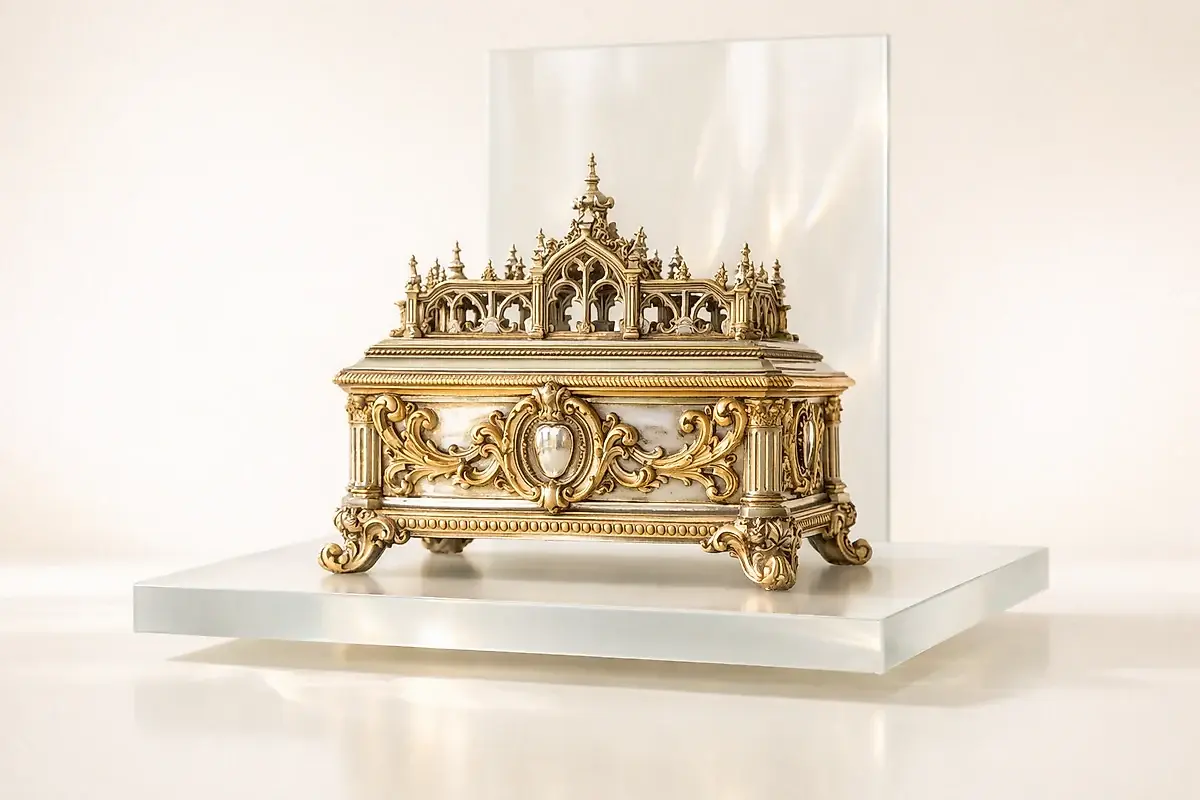
Eclecticism is a movement that emerged in the second half of the 19th century, when artists and architects grew tired of the dogmas of academicism and began experimenting with combinations of styles. Eclecticism easily combines elements of Gothic, Renaissance, Classicism, and Baroque in a single work. Eclecticism is most vividly seen in architecture: for example, houses on Nevsky Prospekt in St. Petersburg are easily recognized by numerous mixed details of their facades.
In painting, eclecticism can be traced in the free synthesis of techniques and motifs, and in decorative and applied arts—in assembled sets of elements from different eras. Funny fact: Moscow apartment buildings at the turn of the 19th-20th centuries were criticized for their “architectural soup”—it is impossible to understand which time they belong to! Eclecticism frees the artist from rigid frameworks, allowing the creation of unique, sometimes very personal “compilations” of art.