
Bone China
A special type of porcelain distinguished by its composition and translucency
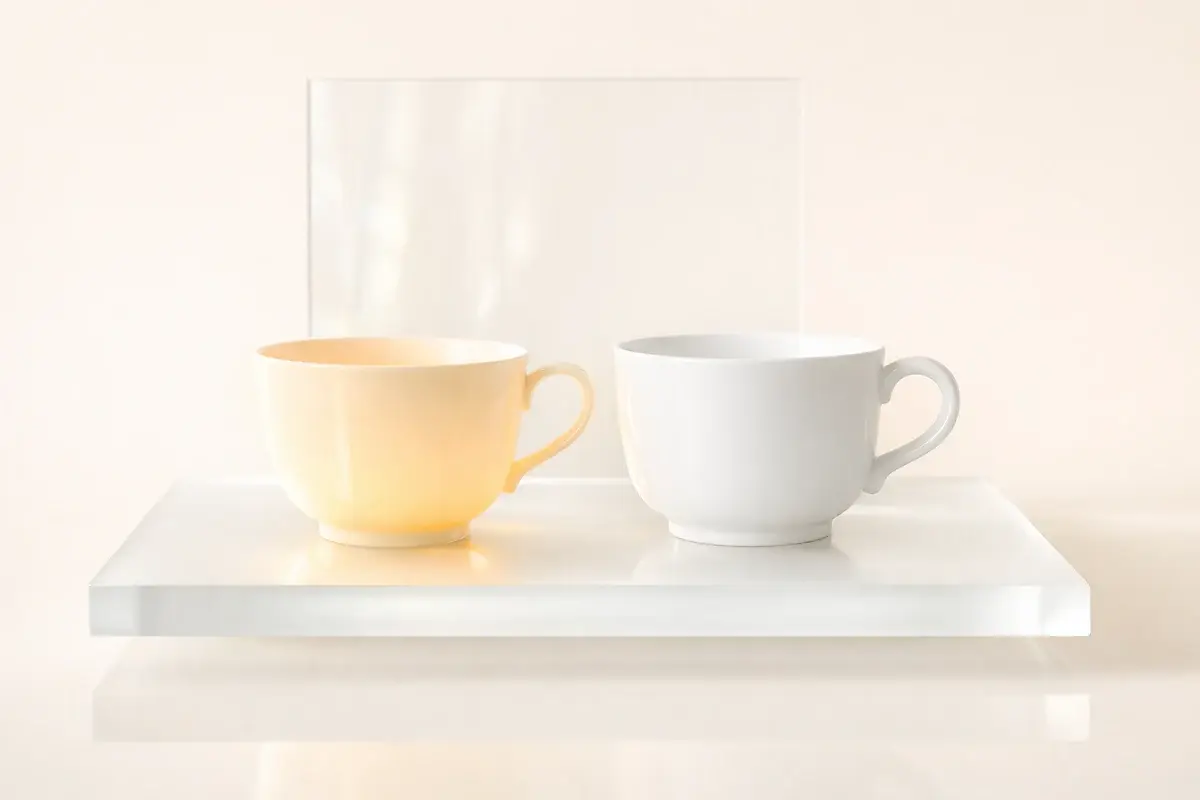
Bone china is a material into which bone ash (up to 50%) is added, making it thin, translucent, and especially strong. This type of porcelain was first mass-produced in England in the 18th century, where it quickly gained popularity: bone china dinner services were prized for their exquisite milky hue and distinctive 'ring' when lightly tapped.
Elite brands like Wedgwood or Royal Crown Derby craft items of true luxury from it. Bone china is noted for its ability to easily transmit light, which is why the thinnest teacups and vases are made from it, almost glowing from within.
Interesting fact: when making royal dinner services, they sometimes deliberately checked whether a saucer 'shows light' when held up to the light—this was considered a sign of quality.