
Purism
The pursuit of purity of form and rejection of excess
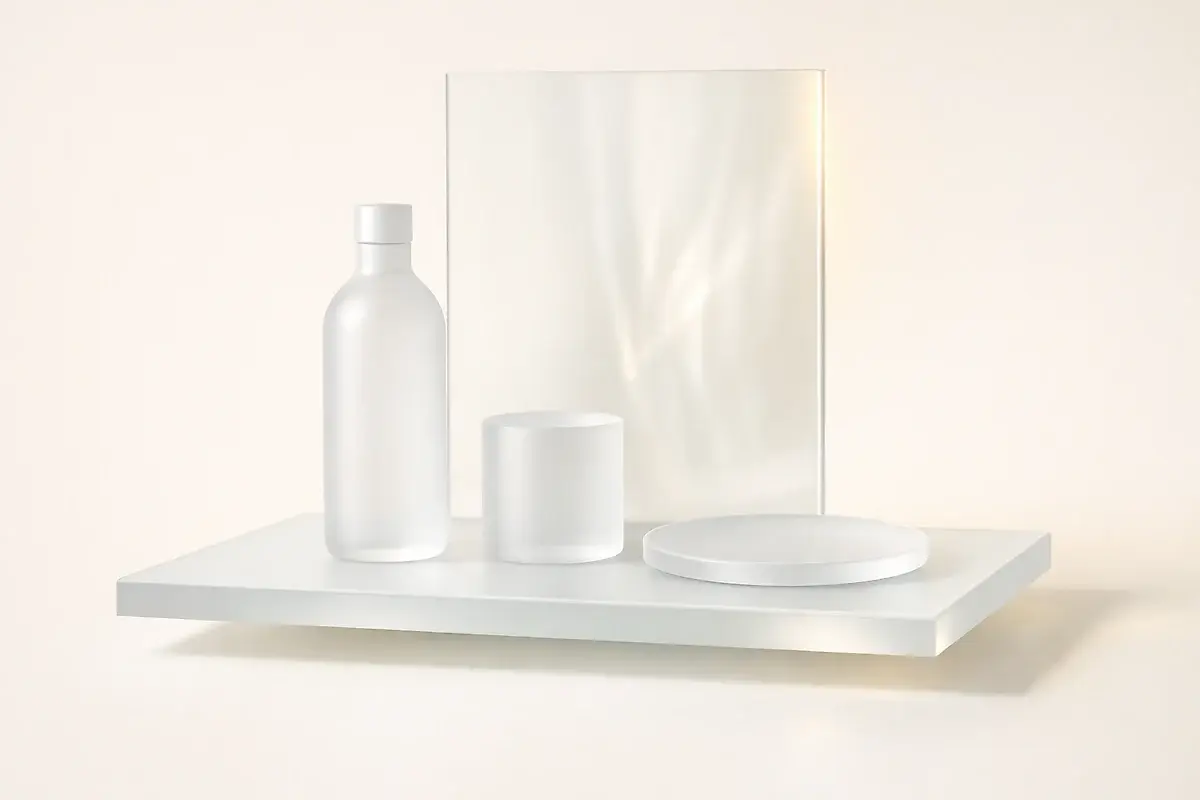
Purism is an art movement born at the beginning of the 20th century as a reaction to the colorful chaos of Cubism and the decorative nature of the avant-garde. Its founders were Amédée Ozenfant and Charles-Édouard Jeanneret (better known as Le Corbusier). Purist artists emphasized simplicity, clarity of lines, minimal detail, and strict geometric forms.
Their favorite motifs were everyday objects, architectural structures, and still lifes devoid of ornamentation. In painting, this meant emphasized outlines, calm colors, and basic shapes: cylinders, cones, spheres, cubes. The purist ideal is harmony and logic, hence their love for technology and industrial objects. Purism is often applied to jewelry and porcelain design, where minimalism of form creates a sense of modernity and even exclusivity.
Interestingly, modern Scandinavian furniture brands still use purist ideas without calling them by this term. Purism is a universal language of clarity and order.