
Imprimatura
Thin first layer of paint on the ground in painting
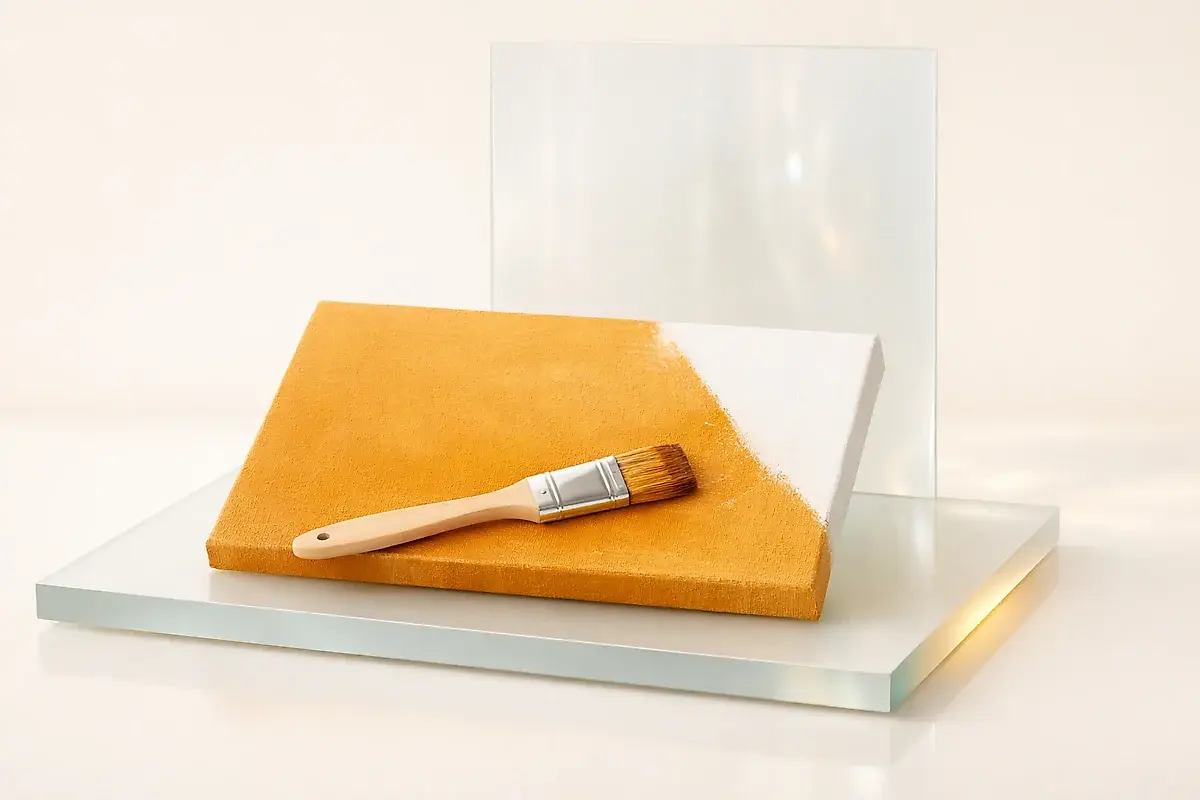
Imprimatura — a transparent or semi-transparent colored underpainting that the artist applies to the prepared ground of the canvas before the main painting. Often ochre, brown, or greenish tones are used. Thanks to this technique, the gaps remaining between brushstrokes do not "glow white," and the work immediately acquires a general tonal structure.
Such a technique helps to more easily grasp color harmony and reveal the composition. An example from history: Leonardo da Vinci used a warm imprimatura for softer modeling of forms.
Interesting: sometimes artists deliberately leave fragments of imprimatura exposed to create an effect of additional light or depth.
This thin layer influences the perception of subsequent colors, creating interesting tonal nuances.