
Contrapposto
A technique in sculpture and painting composition for conveying movement and naturalness of pose
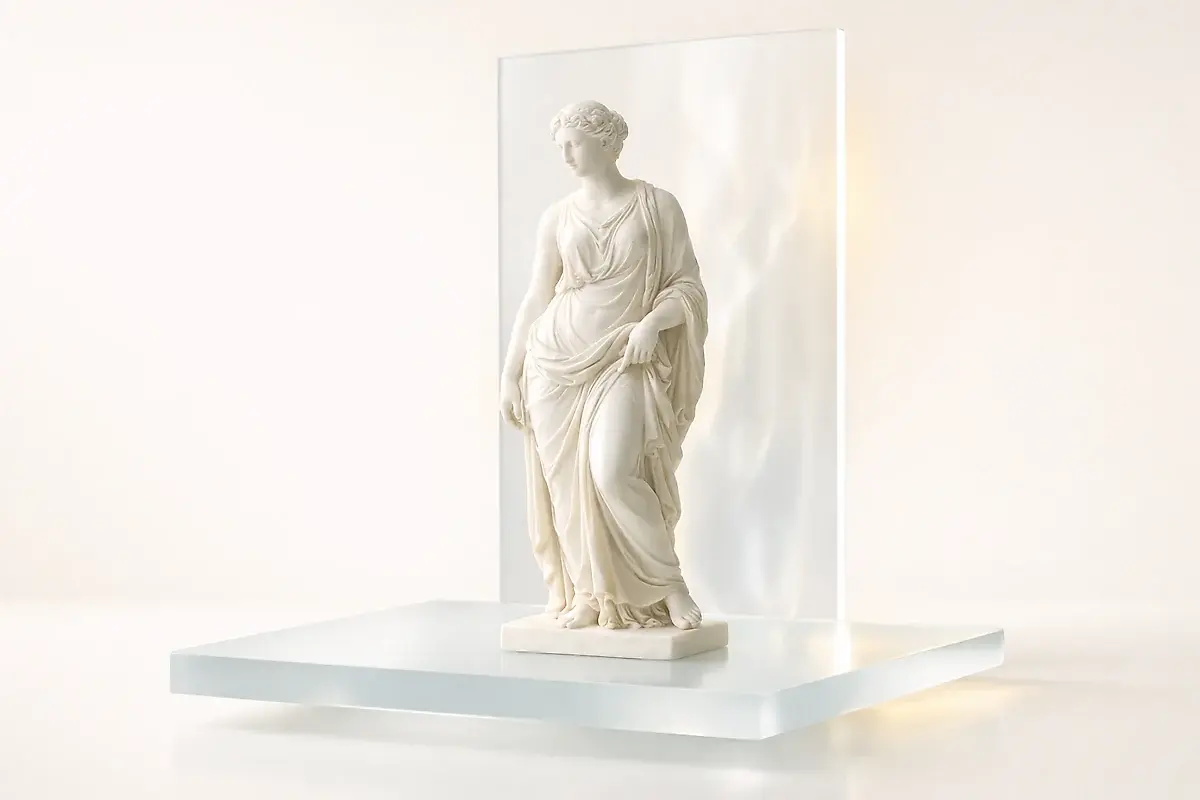
Contrapposto is a position of the human figure in which the weight of the body rests on one leg, while the other is relaxed. This creates a slight S-shaped curve of the body and a sense of natural movement. The technique originated in ancient Greece; sculptors like Polykleitos were the first to show figures not as static but as alive. Contrapposto allows giving a sculpture or a character in a painting greater dynamism, emotionality, and plausibility.
It is especially striking in the statues of Michelangelo's David and the Venus de Milo. During the Renaissance, contrapposto became a symbol of harmony and balance, giving figures inner strength and lightness at the same time. Even today, this technique is used in contemporary art and photography to convey relaxed, lively emotions.