
Craquelure
A feature of ceramic and porcelain items
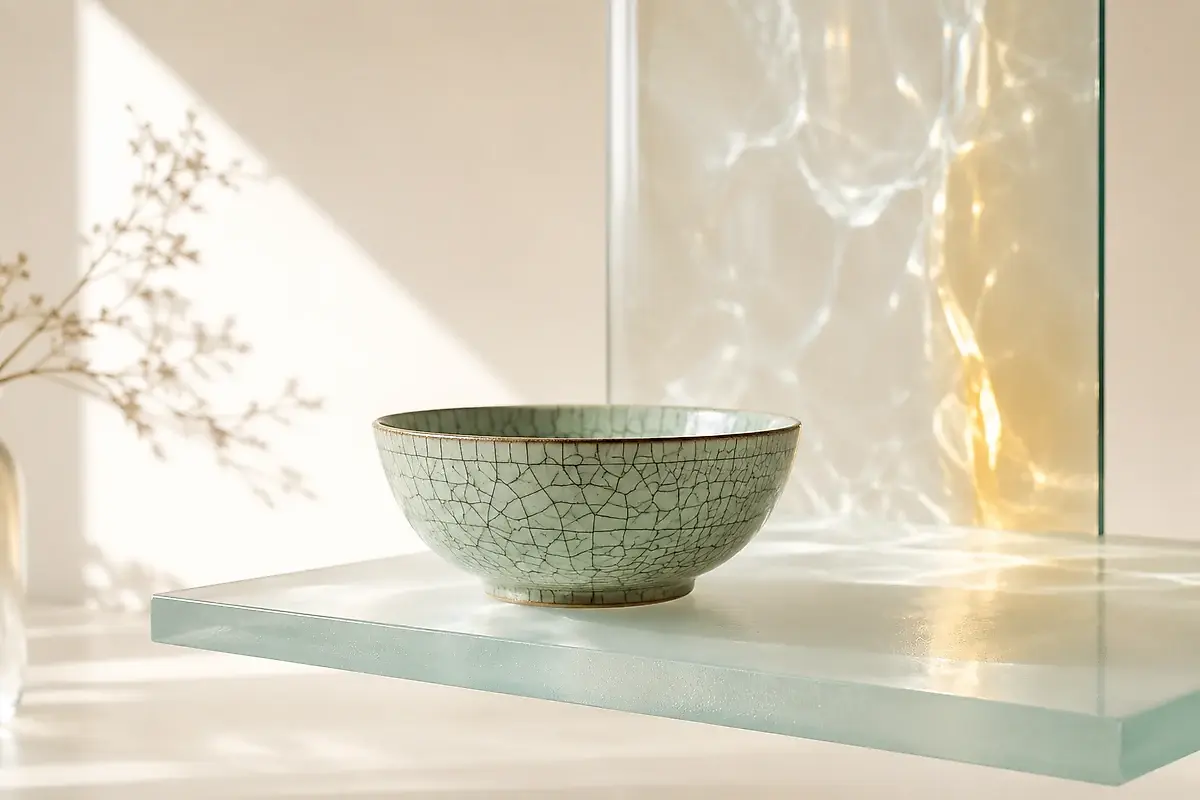
Craquelure is a decorative technique in which a fine network of cracks forms on the surface of ceramics, porcelain, or paintings. This effect occurred by accident: ancient Chinese masters noticed that when glaze was rapidly cooled, it cracked, leaving an intricate pattern. Over time, craquelure became a deliberate artistic technique.
These cracks do not spoil the item; on the contrary, they give it a noble patina of age. In 18th-century porcelain, soft, "spiderweb" patterns reminiscent of antique maps were especially prized. Even today, designers use craquelure to create a vintage effect on furniture, vases, or decorative tiles.
It is important that craquelure requires precise calculation: the difference in expansion coefficients between the glaze and the body must be minimally controlled. The slightest mistake — and the cracks turn from an elegant ornament into deep fissures.