
Mannerism
A style in 16th-century European art that arose between the Renaissance and Baroque.
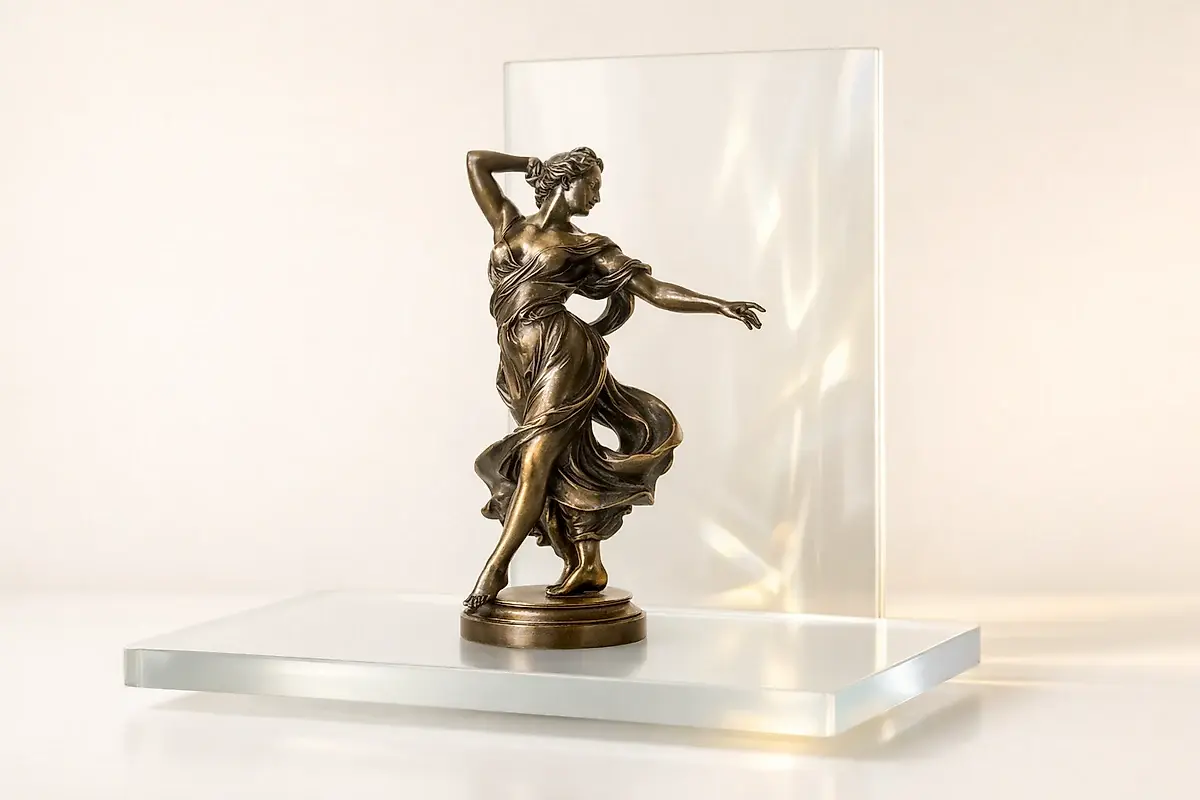
Mannerism — an artistic movement of the 16th century, distinguished by deliberate refinement, complexity of forms, and exaggerated emotionality. Mannerist masters often deviated from the harmony and balance of the Renaissance, preferring elongated proportions of figures, artificial poses, and vividly expressive color palettes. Among the famous representatives: Pontormo, Parmigianino, El Greco.
Mannerism was a reaction to the apparent completeness of classical harmony; artists sought to surprise the viewer with unusual perspective and tense compositions.
Fun fact: once a client, seeing his elongated, rubber-like hand in a portrait, was so puzzled that he demanded everything be corrected — the master refused, declaring that such was the will of the art of that time.
Mannerism influenced the design of decorative silver and early examples of refined porcelain, setting a role for complex forms and decoration.