
Underpainting
The stage of preliminary painting of a picture to create a base
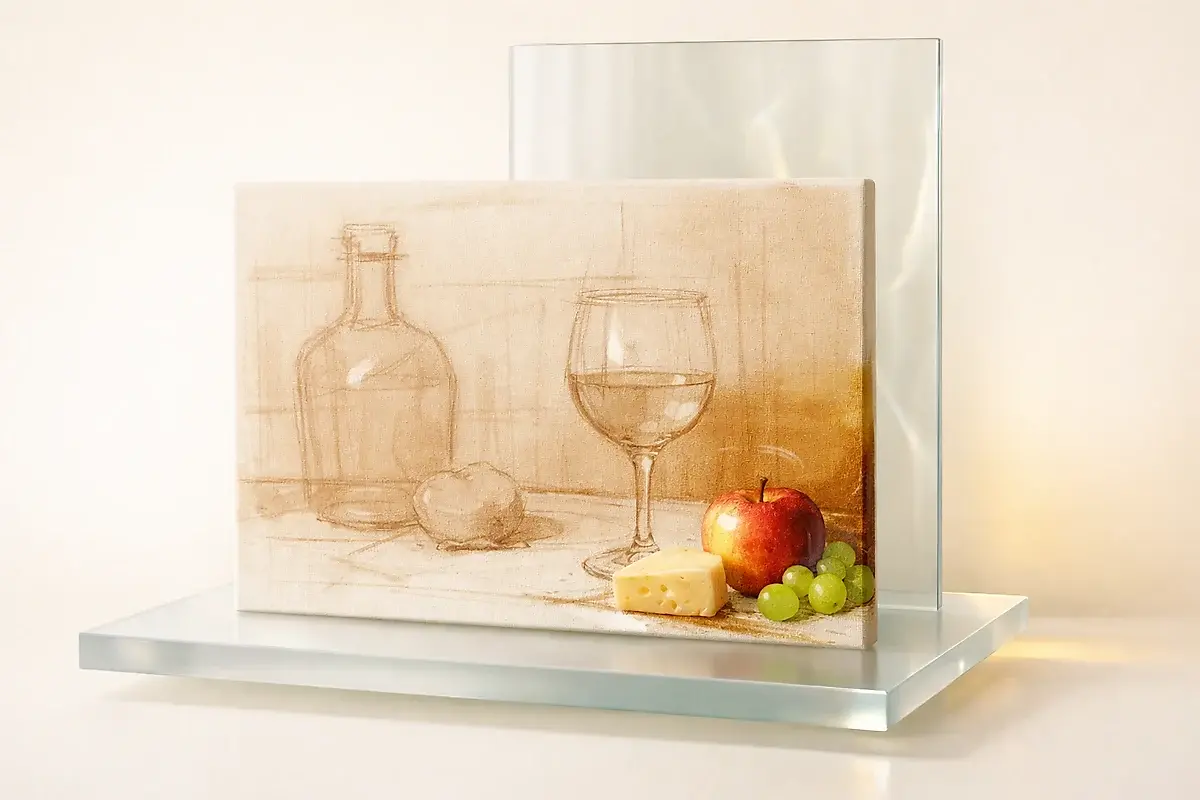
Underpainting is one of the first stages in painting, which involves applying the main color to the canvas. This layer serves as the base for subsequent details and layers of paint. Underpainting is usually done using thinner paints to create the basic structure of the composition and set the tonal direction. A famous artist, for example, Van Gogh, often used this technique to achieve an effect of brightness and saturation in his paintings.
Underpainting allows the artist to see how the drawing will look when subsequent layers are applied, and also helps to avoid mistakes when working on details. Thanks to this approach, images become deeper, and colors more saturated. Importantly, this stage does not require thoroughness, as its purpose is to set the direction for subsequent more detailed layers.