
Rhythm in Composition
Repetition of elements to create dynamics in works of art
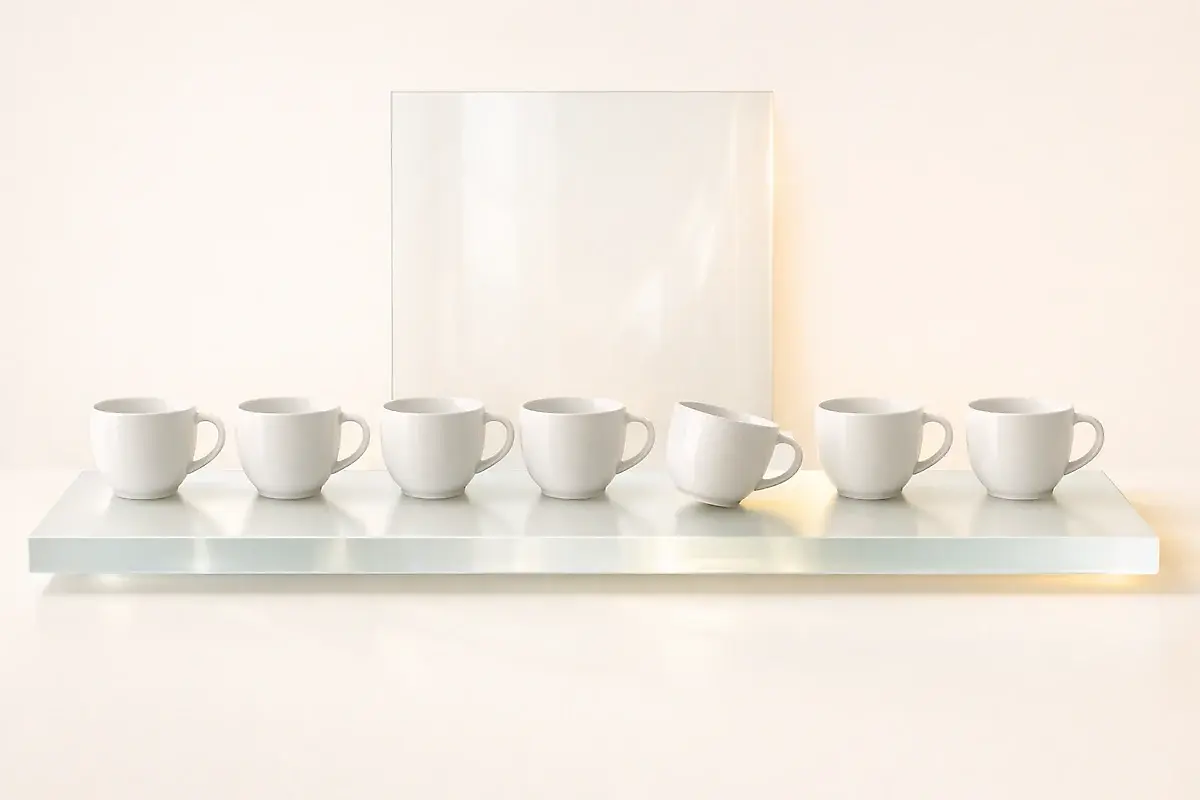
Rhythm in composition is a principle of organizing a work of art based on the repetition of similar elements: forms, lines, spots, colors. This technique makes the image lively, sets the movement of the gaze, facilitates the perception of complex compositions. In painting, for example, waves, rows of trees, or repeating brushstrokes create a sense of rhythm.
Rhythm can be uniform, when repetition alternates at equal intervals, or variable, if intervals differ, as in music. In porcelain — decorations with rhythmically repeating ornaments enliven services and vases. Sometimes artists deliberately break the rhythm for dramatic effect or tension: for example, they unexpectedly introduce a motif different in size or color. This technique is easy to notice both in classic interiors and in the design of modern advertising.