
Texture
A feature of the painting's surface created by brushstroke, relief, or material
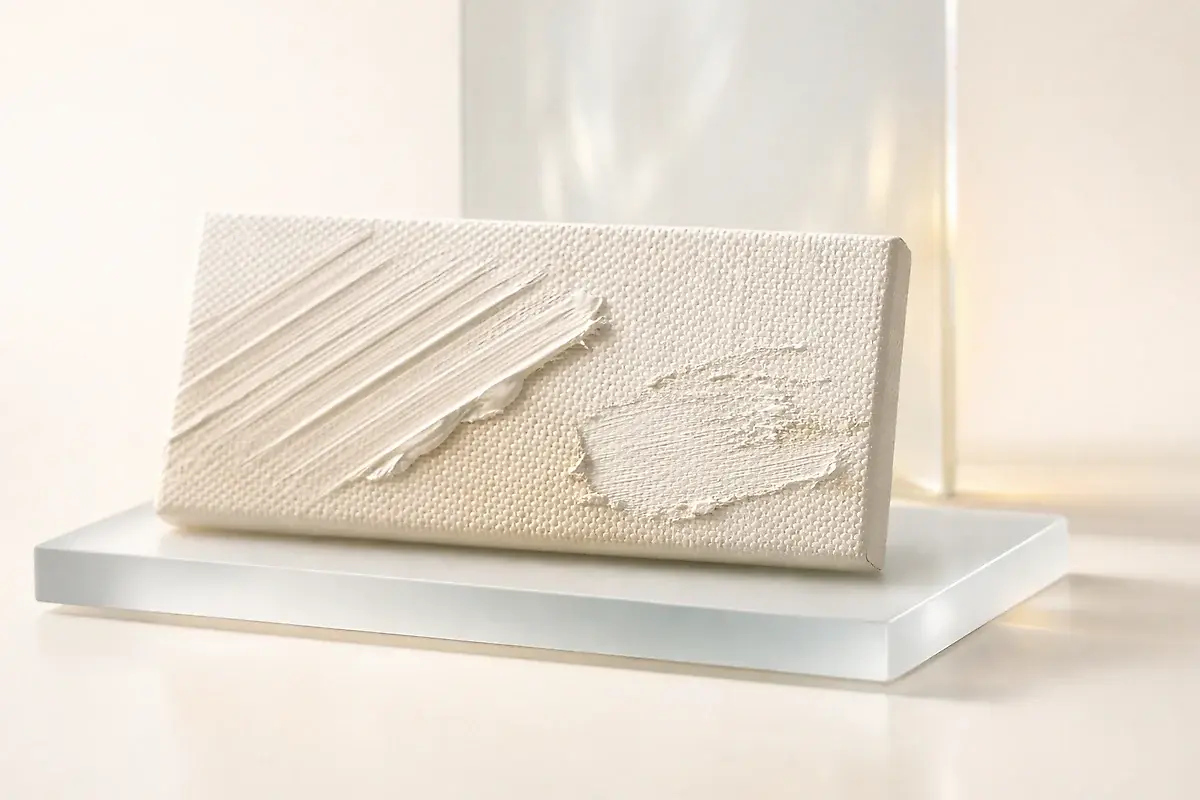
Painterly texture characterizes the structure and appearance of the paint layer on the canvas. It can be smooth, silky, or, on the contrary, pronouncedly relief, when the brushstrokes stand out noticeably. Texture is used to convey volume, atmosphere, and emotion. In the 19th century, the Impressionists experimented with texture, applying thick, bright strokes with a palette knife or brush.
In Van Gogh's famous "The Starry Night," the swirling brushstrokes literally "sculpt" the landscape. Texture is responsible for the sense of materiality of the image — sometimes you want to touch it! For collectors and restorers, studying texture is a whole quest in recognizing the authenticity of a work.