
Contre-jour
Artistic technique of dramatic lighting of the subject from behind
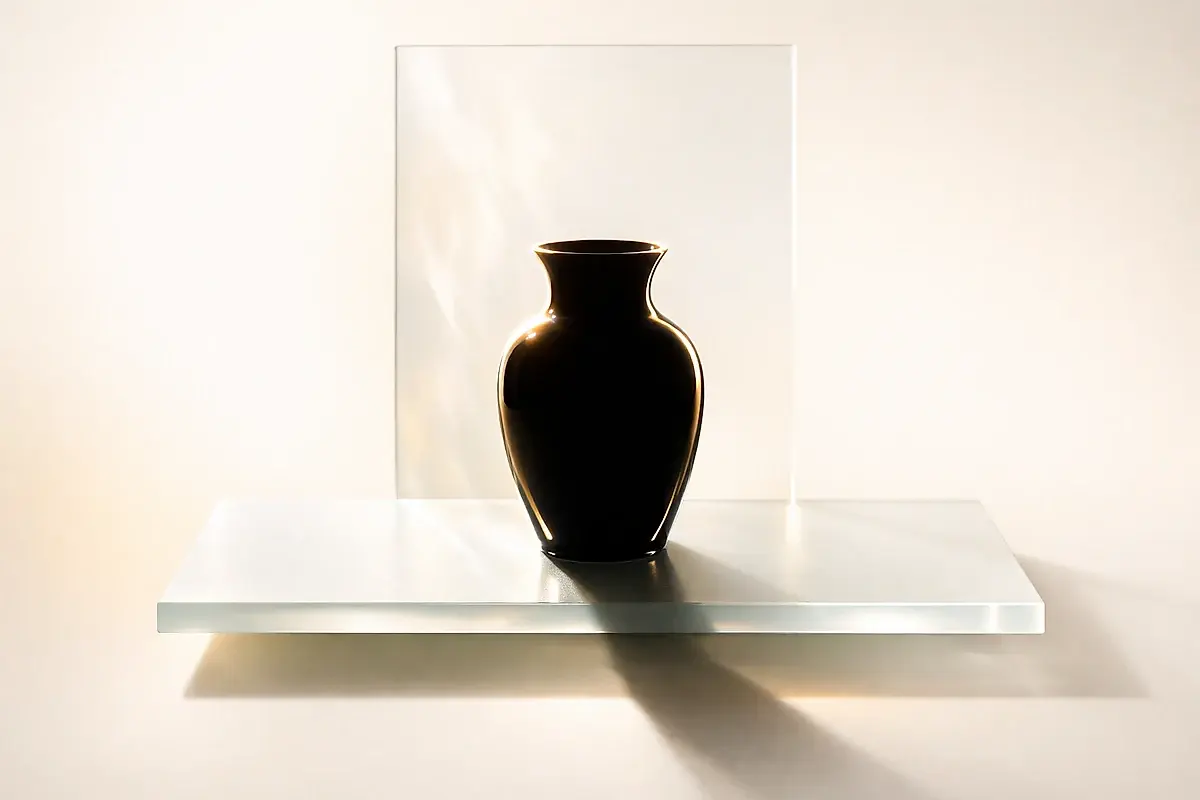
Contre-jour (French: contre-jour) is a technique in painting and photography where the subject is depicted against a light source opposite to the viewer. Objects appear in contre-jour as silhouettes or with a bright halo along the edges. This technique emphasizes the contrast of light and shadow, enhances the drama of the scene, and creates a special atmospheric mood.
Masters often use contre-jour to convey the effect of the setting sun, forms 'sinking' in a luminous haze, porcelain figures with a golden glow, or to highlight the transparency of glass and silver objects in auction photographs. In the early 20th century, Impressionists actively used this technique to capture the airy medium and the movement of light.
Works executed in contre-jour sometimes puzzled viewers — for example, Parisians who first saw the 'glowing' portrait by Jean-Maurice Onden. Contre-jour adds mystery and depth to artworks.